15 Worlds Largest Deserts - The Deserts That Define Our Planet
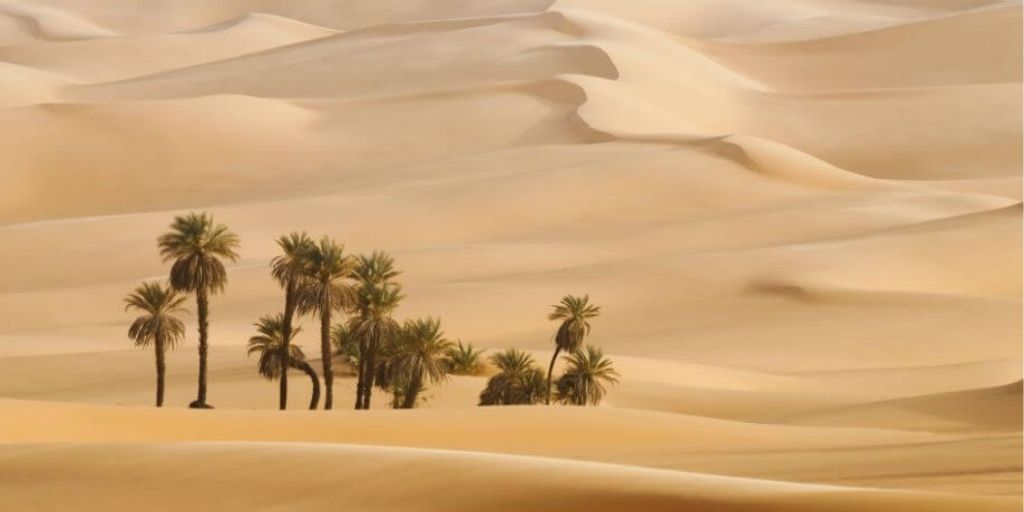
The largest deserts in the world are so huge they spread across whole continents and really change how much of our Earth looks. These giant places are often surprising!
May 12, 2025
Deserts aren't just big sandy and super hot places. They have secrets, interesting stories, and views that will amaze you. They show us how things can live and change even in hard conditions.
If you like learning about the Earth or just want to see amazing things, there's something here for you. So get ready; we're going to learn about deserts in a way that might surprise you!
What Is A Desert?
A desert is a very dry place. It gets less than 10 inches (25 centimeters) of rain every year. But it’s not just about the lack of rain; water also evaporates quickly in deserts, making them even drier. Deserts come in four main types, depending on where they are, what the weather is like, and why they’re so dry.
Hot And Dry Deserts
These are the classic deserts: hot, sandy, and with almost no water. They’re usually found in subtropical areas where the air is always dry. The Sahara, Arabian, and Kalahari deserts are examples. These places have extreme heat during the day but can get surprisingly cool at night. Plants and animals here are tough and know how to survive with very little water.
Semi-Arid Deserts
Semi-arid deserts are kind of like a mix between hot deserts and wetter areas. They get a bit more rain, around 10-20 inches (25-50 cm) per year, which means more plants and animals can live there. Examples include the Great Basin in North America and the steppes of Eurasia.
Coastal Deserts
Coastal deserts form near oceans where cold water currents cool the air, making it hard for clouds to form and rain to fall. The Namib Desert in Africa is one example, where sand dunes meet the ocean. These deserts are cooler than hot deserts, and fog and dew provide important moisture for plants and animals.
Cold Deserts
Cold deserts aren’t hot like most people imagine deserts to be. Instead, they’re found in colder regions or at high elevations. The Gobi Desert in Asia and parts of the Great Basin Desert in the U.S. are examples. These deserts get snow instead of rain and have harsh winters and warm summers. The plants here are tougher and can handle freezing temperatures.
Now that we’ve explored the different types of deserts, let’s list the largest ones in the world.
1. Antarctic Polar Desert
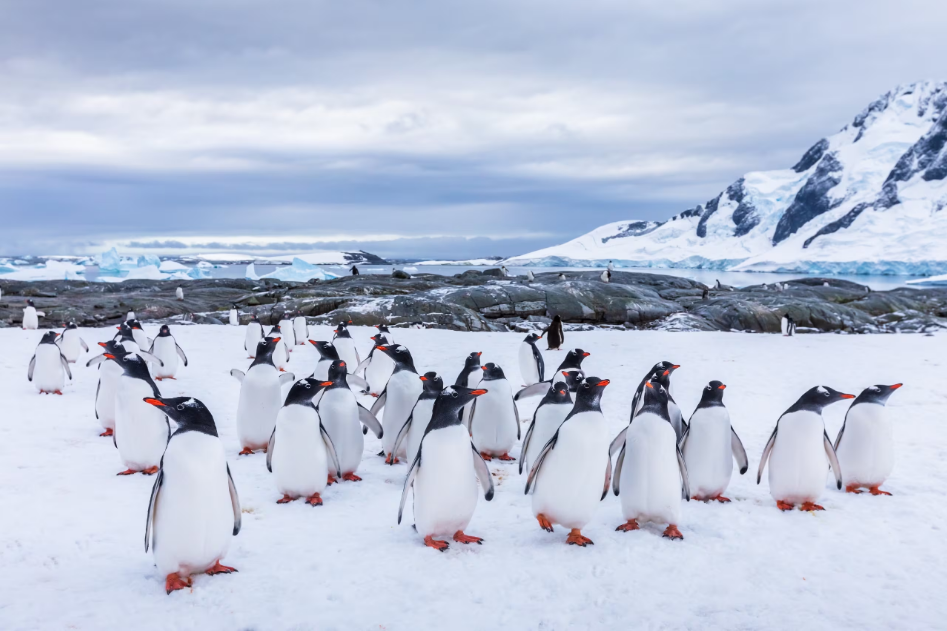
Antarctica is the biggest continent and also the largest desert in the world. It is called a polar desert and is the coldest place on Earth, with winter temperatures dropping as low as -112°F (-80°C). At these temperatures, the small amount of rain or snow that falls does not melt or evaporate. Instead, it builds up over thousands of years.
This icy land covers the South Pole and has a huge area of 5.5 million square miles (14.2 million square kilometers). It is also the windiest continent and has one of the driest places on Earth, the McMurdo Dry Valleys. The McMurdo Dry Valleys are so dry that no microscopic life has been found there.
These creatures are strong and have adapted to survive in the cold. It is called a desert because it gets very little rain; this vast desert only gets 0.8 inches (2 centimeters) of rain or snow each year. However, this might change in the future.
Climate change is causing the ice at the poles to melt at a fast rate. As a result, polar deserts like Antarctica could become smaller over time. This melting will lead to rising sea levels and could harm these important but fragile ecosystems forever.
Even though it is a harsh environment, life exists in Antarctica. Animals like penguins, whales, and seals live there. These creatures are strong and have adapted to survive in the cold.
2. Arctic Polar Desert
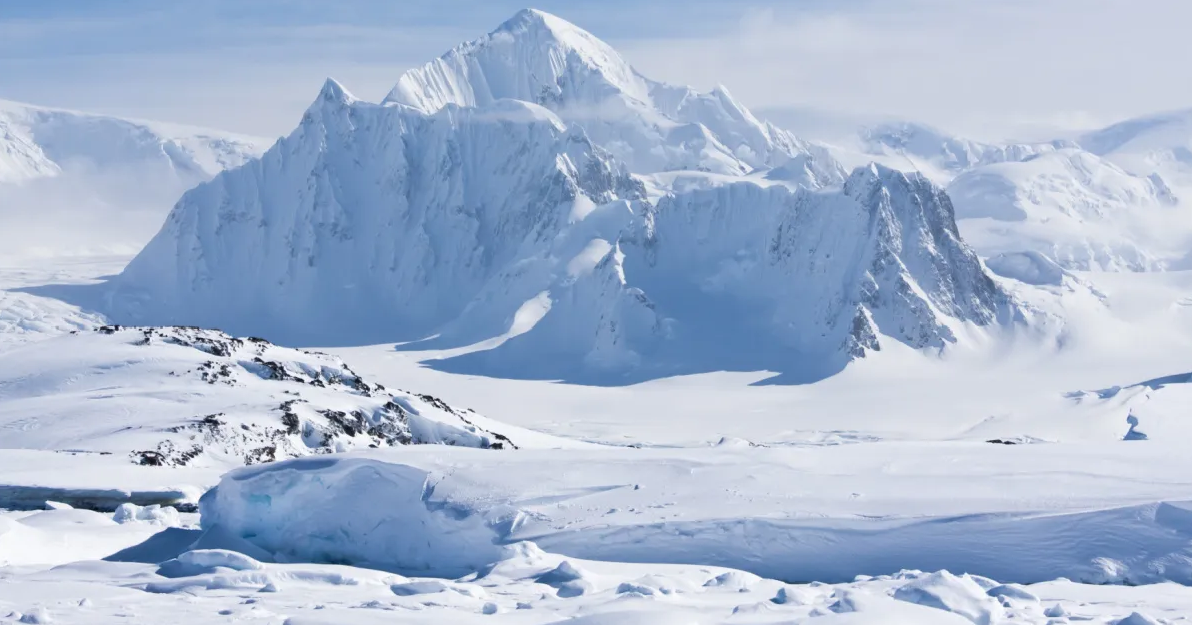
The Arctic Polar Desert is the second-largest desert and the only other polar desert in the world. It covers the northernmost parts of the planet, including areas of Canada, Greenland (part of Denmark), Norway, Sweden, Finland, Iceland, Russia, and Alaska in the United States.
Together, these areas form the second-largest desert, covering 5.4 million square miles (13.9 million square kilometers). This is just slightly smaller than the Antarctic desert at the South Pole.
The Arctic gets very little rain (only about six to ten inches a year) or snow because the air is too cold to hold moisture. Snow does fall, but it rarely melts. However, even in these harsh conditions, many animals live in the Arctic Polar Desert.
These include the Arctic fox, Arctic wolf, polar bear, caribou, snowy owl, and moose. Some of these animals travel between the Arctic Tundra, which has more plants, and the Arctic Desert, while others stay in the desert all year round.
3. Sahara Desert
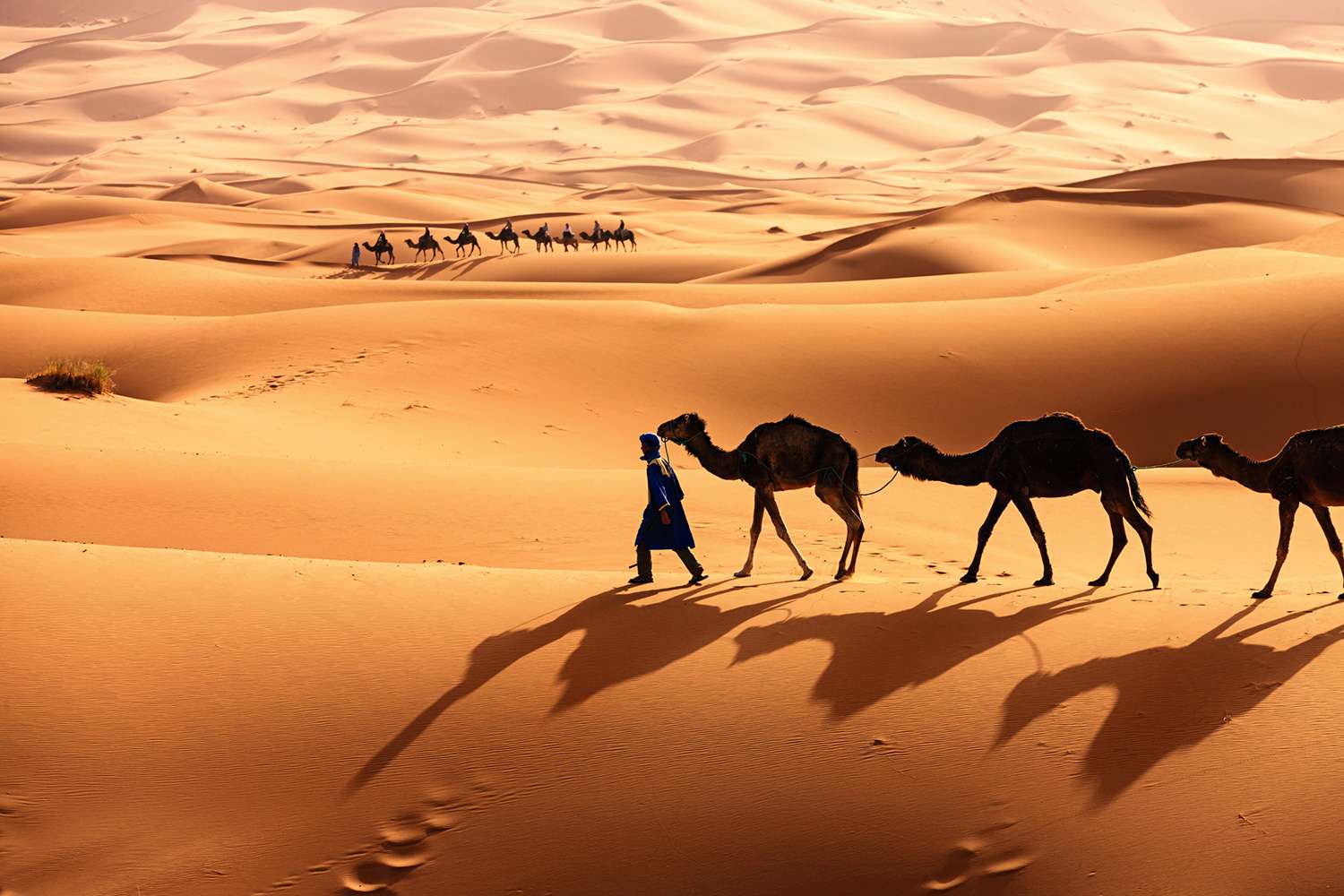
The Sahara is the biggest subtropical desert and the third-largest desert in the world, stretching across 3.5 million square miles (9 million square kilometers). It spreads across much of North Africa, including countries like Algeria, Egypt, Libya, Mali, Mauritania, Morocco, Niger, Western Sahara, Sudan, and Tunisia. Its name comes from the Arabic word for desert, “ṣaḥrāʾ.”
The Sahara is not completely empty or barren. About 25% of it is covered with sand dunes, some of which are as tall as 183 meters, while the rest includes rocky plateaus, gravel plains, dry valleys, and even some mountains. The Sahara is also known for the Sirocco, a powerful wind that can create massive sandstorms.
The Sahara is also famous for its extremely hot weather. Some of the highest temperatures ever recorded on Earth have been in the Sahara Desert, reaching up to 136°F (58°C). During the hottest months, daytime temperatures can go above 122°F (50°C), while at night, they can drop to near freezing.
Despite its harsh conditions, life exists in the Sahara. The Saharan silver ant is one of the most heat-resistant animals in the world. Other animals like the fennec fox, the dromedary camel, lizards, and scorpions also live there. Plants are few but strong, with species like the date palm growing near oases. Water is scarce, but there are two rivers and twenty seasonal lakes.
4. Arabian Desert
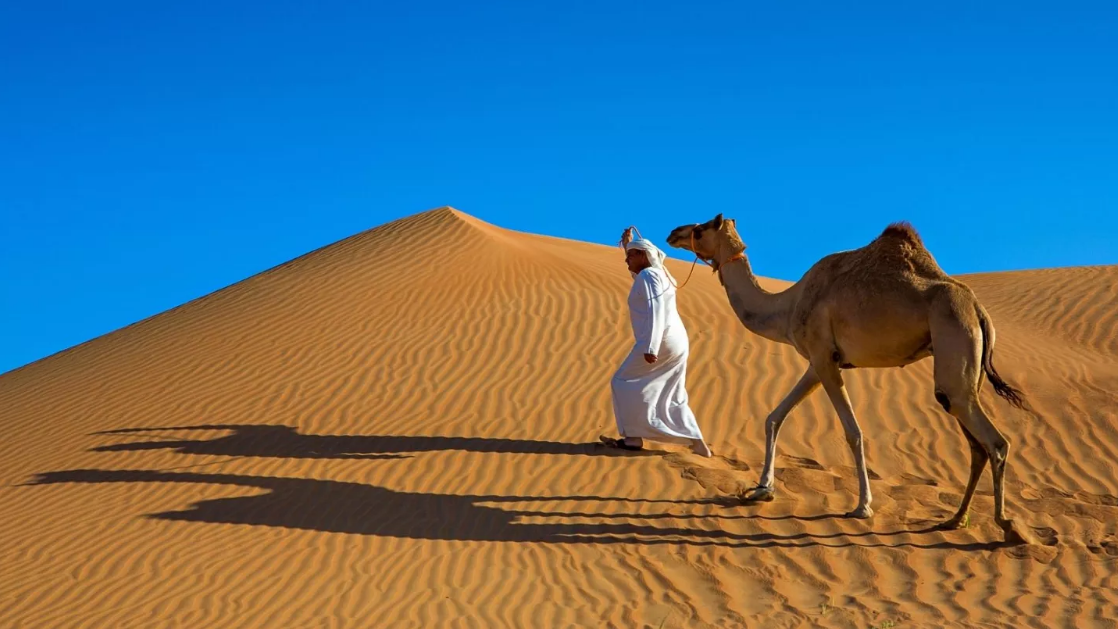
The Arabian Desert is not the same as the Syrian Desert or the North Arabian Desert. It is the fourth-largest desert in the world and the second-largest subtropical desert. It stretches about 1 million square miles (2.6 million square kilometers) and spreads across the Arabian Peninsula and touches parts of Saudi Arabia, Jordan, Iraq, Kuwait, Qatar, the United Arab Emirates, Oman, and Yemen.
The land is dry and sandy, but it holds valuable resources like oil and sulfur. This desert has a very hot subtropical climate in summer, with temperatures reaching up to 50°C during the day but falling sharply at night.
At its center lies the Rub’ al Khali, also called the Empty Quarter, which is one of the largest sand deserts in the world. Some of its sand dunes are as tall as 820 feet (250 meters). The desert has influenced the lives of Bedouin tribes, who have lived as nomads for generations.
The Arabian oryx, which was once extinct in the wild, has been brought back and now roams freely in protected areas. Other animals in the desert include the Arabian sand gazelle, the Arabian wolf, locusts, and dung beetles. Plants like acacia trees and various types of grasses grow here, even in the harsh conditions. The desert is also home to 102 unique mammal species and 310 different bird species.
5. Gobi Desert
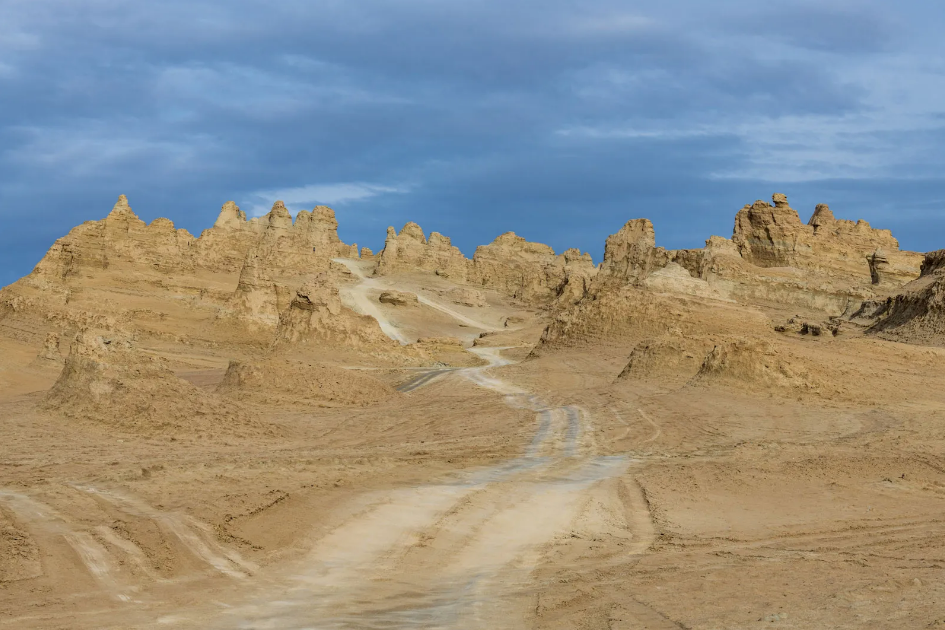
The Gobi Desert is the fifth-largest desert in the world. The name "Gobi" means "waterless place"; it sits at a high altitude, between 2,900 and 5,000 feet (900 to 1,500 meters) above sea level. It covers parts of Mongolia and China and stretches over 0.5 million square miles (1.3 million square kilometers).
The Gobi Desert is home to different groups of people. In Mongolia, many people are nomadic herders who move around with their animals, like camels, goats, sheep, horses, and sometimes cattle, to find grass and water. This lifestyle has been part of Mongolian culture for thousands of years. In China, there are more settled communities living in the desert.
The ground is mostly made of rocks and hard soil, which made it an important trade route in the past. Like other semiarid deserts, the Gobi gets very hot in summer and extremely cold in winter. It is called a rain shadow desert because the Himalayan mountains block rain from reaching it.
Because it is far from the ocean, the Gobi Desert has extreme temperatures. In summer, average monthly temperatures can go above 30°C, while in winter, they can drop below 0°C. Along with the Kyzylkum Desert, the Gobi may have only 100 days each year without frost, which limits the growth of plants.
The Gobi Desert is also home to unique animals, such as the Bactrian camel, snow leopard, and the rare Gobi bear. There are also saxaul trees, which can store water in their bark to survive the dry conditions.
6. Patagonian Desert
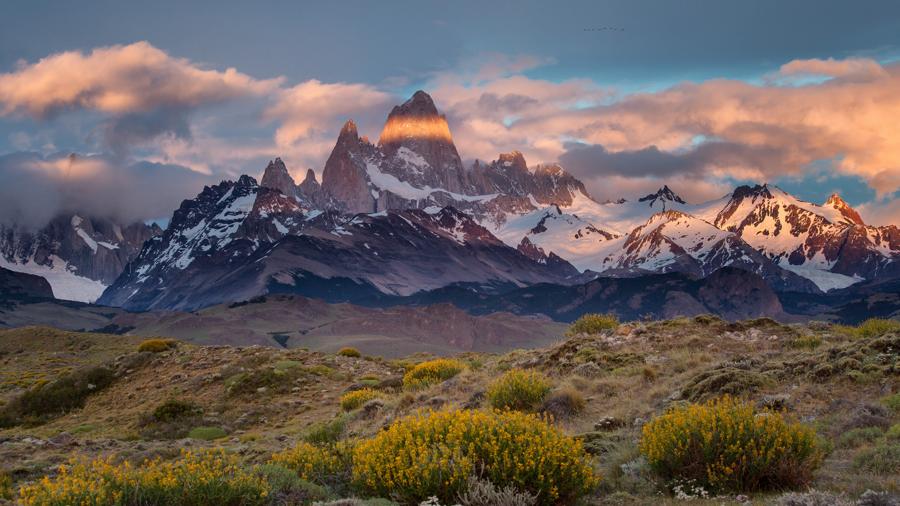
The Patagonian Desert, also called the Patagonian Steppe, is the sixth-largest desert in the world, covering 260,000 square miles (673,000 square kilometers). It is a cold and dry area with a windy and empty landscape located at the southern tip of South America, covering parts of Argentina and Chile. The Andes Mountains are to the west, and the Atlantic Ocean is to the east. The land has shrubs, grasslands, and rocky areas.
The desert is a flat plateau with valleys and canyons formed by ancient volcanic activity. The climate is very dry and cold, with snow in winter and frost almost all year. Famous landmarks include the Fitz Roy massif, with its tall granite peaks, and Cerro Torre, a sharp, spire-like mountain.
The Tehuelche people have lived here for thousands of years. Their ancestors created ancient cave paintings found at Cueva de las Manos, a UNESCO World Heritage Site. Animals like the guanaco, a wild relative of the llama, the Patagonian mara (a large rodent), and the Andean condor (one of the largest flying birds) live in this desert.
7. Great Victoria
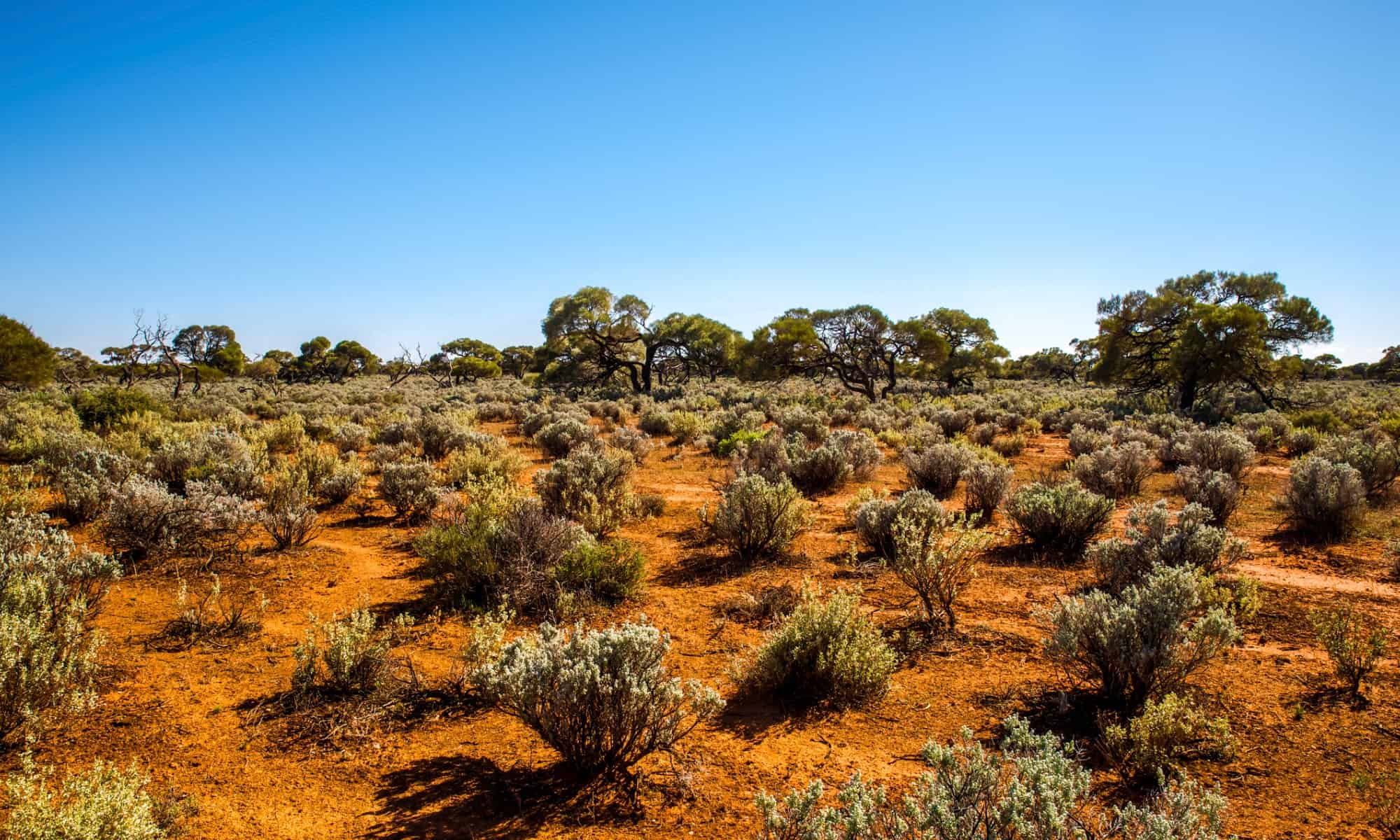
The Great Victoria desert is a subtropical desert in Australia and is named after Queen Victoria. It is the seventh largest desert in the world and Australia’s largest desert, covering 0.25 million square miles (0.65 million square kilometers). The land is made up of sand, rocks, hard soil, and grasslands.
In summer, temperatures can reach up to 40°C. Like most subtropical deserts, it is cooler in winter but still quite warm. The Great Victoria gets about eight to ten inches of rain each year. The area is rich in minerals like iron ore, gold, and nickel. Mining happens there, but it is carefully controlled to protect the environment.
he Great Victoria Desert is one of the most remote areas in Australia and has very few people living there. Indigenous Australian communities have lived in this desert for tens of thousands of years. They live in small, isolated settlements and keep their traditions, languages, and laws alive.
8. Kalahari Desert
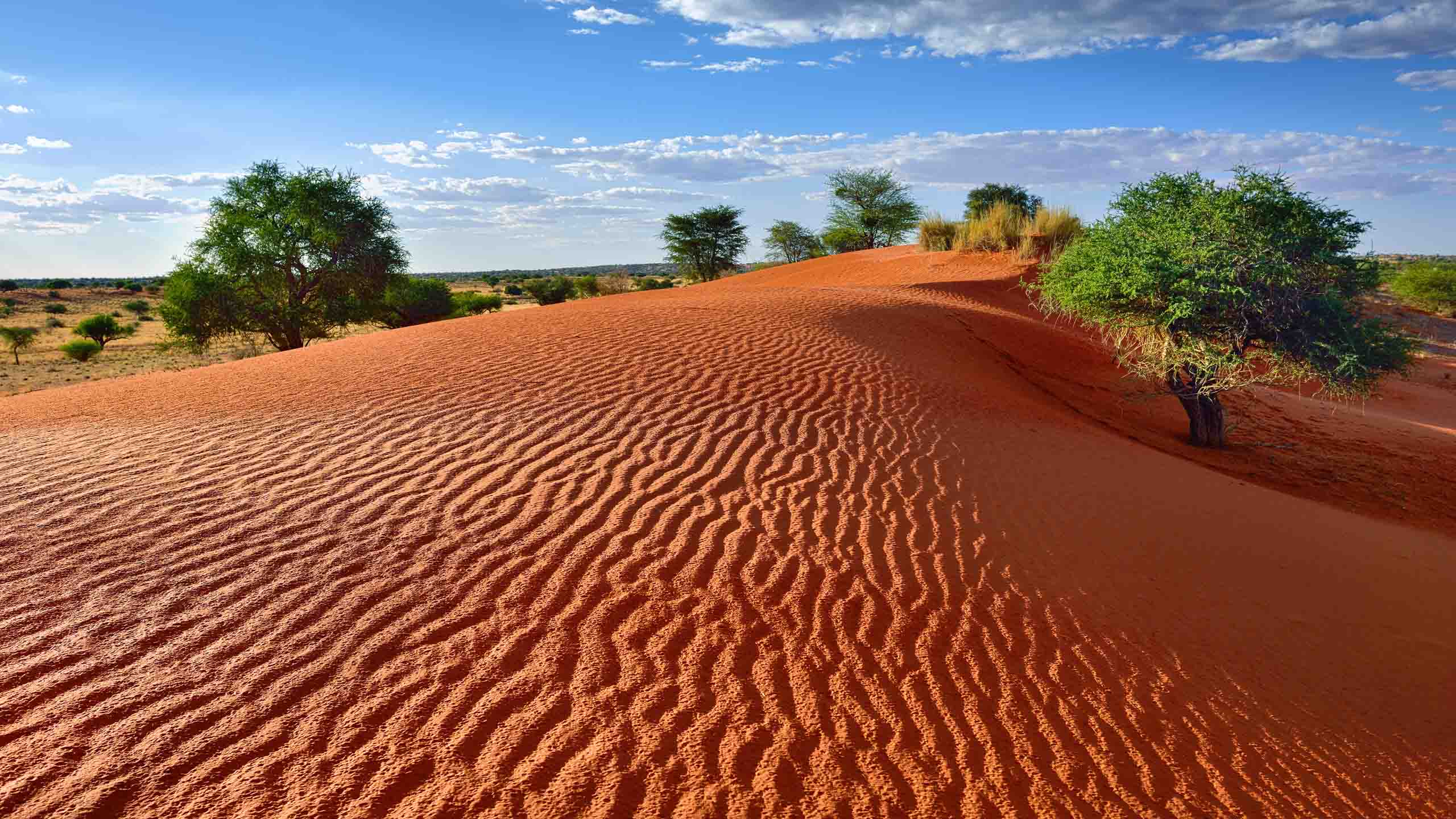
The Kalahari Desert covers parts of Botswana, Namibia, and South Africa. The name "Kalahari" comes from a Tswana word meaning "the great thirst" or "a waterless place. It is different from what most people think of as a desert, it remains very dry because the rain quickly sinks into the sand and does not stay on the surface.
It gets more rain than many deserts, up to 20 inches (50 cm) per year in some areas, and supports a wide variety of plants and animals. Its landscapes include sand dunes, bushy areas, and grasslands.
The Kalahari stretches from the Orange Riverin South Africa to the Okavango Delta in northern Botswana. Unlike most river deltas that flow into the ocean, the Okavango River ends on land, flooding the area and creating wetlands. This ecosystem is home to large numbers of African wildlife, including elephants, lions, leopards, rhinos, and buffalo.
One interesting part of the Kalahari is Deception Valley. From far away, it looks like there is water, but it is actually a dry riverbed. This illusion happens because of the hot air near the ground, which creates mirages that are common in deserts.
9. Syrian Desert
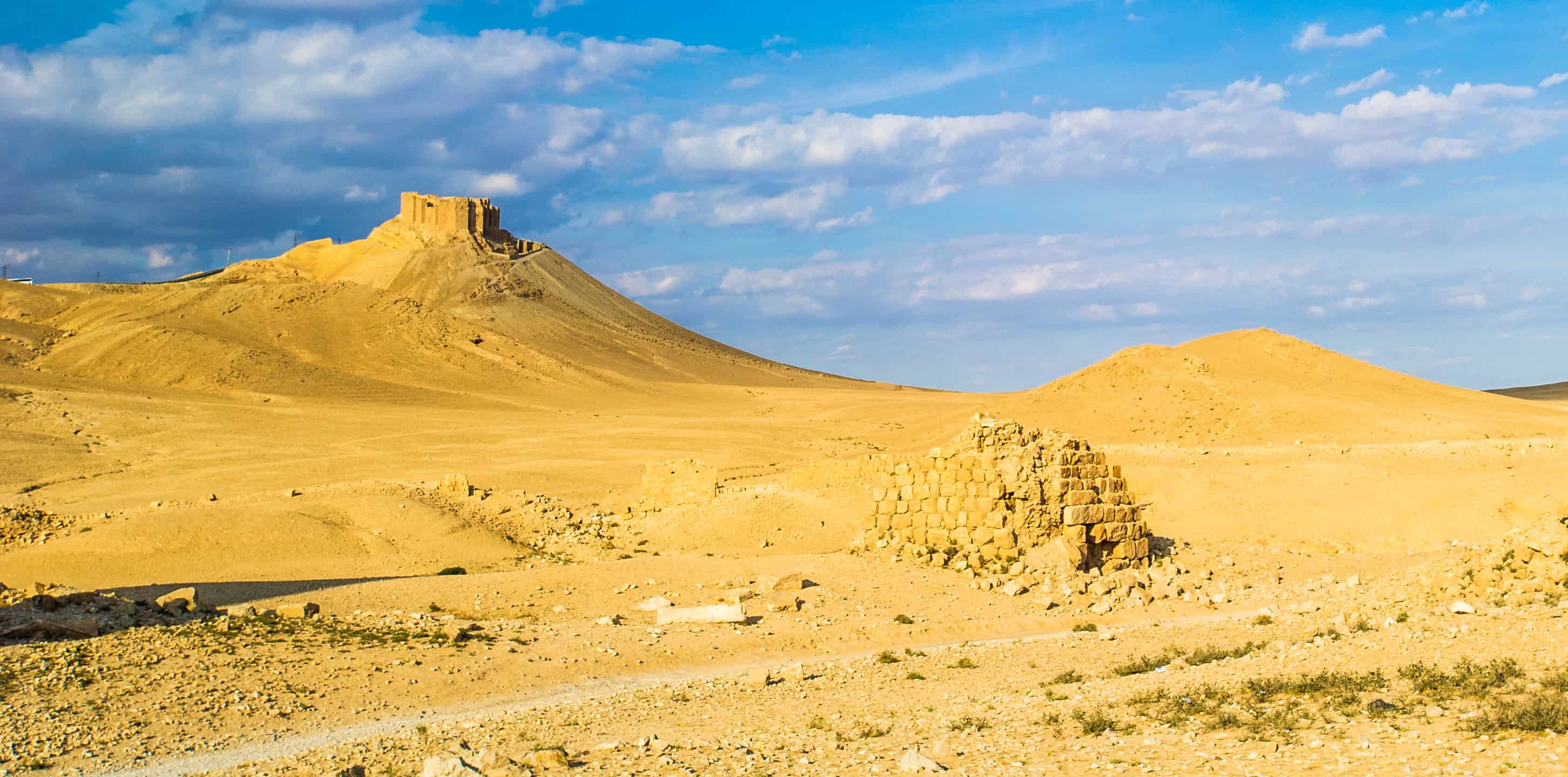
The Syrian Desert, also called Badiyat Ash-Sham, is a large dry area in the Middle East. It covers parts of Syria, Jordan, Iraq, and Saudi Arabia, stretching over 190,000 square miles (492,000 square kilometers). The land is tough and empty, with lots of sand, gravel, rocky mountains, and dry riverbeds called wadis.
Like many deserts, the Syrian Desert has a harsh climate where only the strongest people can survive. Nomadic Bedouin tribes have lived here since between the first and fourth centuries C.E., and some still follow their traditional way of life today. However, these tribes and their land face challenges like oil drilling, overgrazing, and rising temperatures caused by climate change.
The desert’s landscape is vast and varied, mostly made up of rocky plains, gravel fields, and a few sand dunes. There are also some mountain ranges and old volcanic cones sticking out from the flat ground. Dry riverbeds, called wadis, are scattered across the desert and sometimes fill with water during the rainy season.
Summers in the Syrian Desert are extremely hot, with daytime temperatures often above 104°F (40°C). Winters are much colder, with nighttime temperatures dropping close to freezing. Rain is rare and unpredictable, usually coming in short, heavy bursts that don’t soak into the dry ground.
Animals like the Arabian oryx and the quick-moving sand cat live in this desert. Reptiles such as the desert monitor lizard and the dangerous deathstalker scorpion are also found here.
10. Great Basin Desert
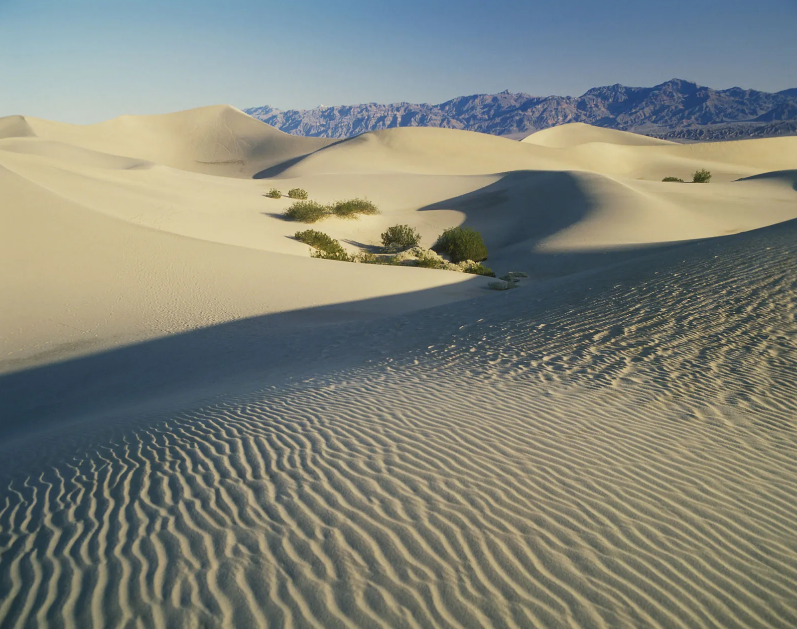
The Great Basin Desert is the largest desert in the USA. It covers much of Nevada and parts of Utah, Oregon, Idaho, and California. It is part of the Great Basin, an area where water does not flow to the ocean but instead evaporates or sinks into the ground. The region has narrow mountain ranges separated by flat valleys, formed by the stretching of the Earth’s crust.
Evidence of Native American life from thousands of years ago can still be found here. It is also home to some of the oldest plant life on Earth, including the famous bristlecone pine. One tree, called the "Prometheus Tree," was between 4,700 and 5,000 years old when it was cut down in 1965.
Much of the area gets less than 10 inches (25.4 centimeters) of rain per year. The desert is known for its large sagebrush fields, salt flats, and dry lake beds. Wildlife here includes pronghorns, mule deer, bighorn sheep, and mountain lions. Ancient bristlecone pines, some of the oldest living things on Earth, also grow here.
11. Chihuahuan Desert
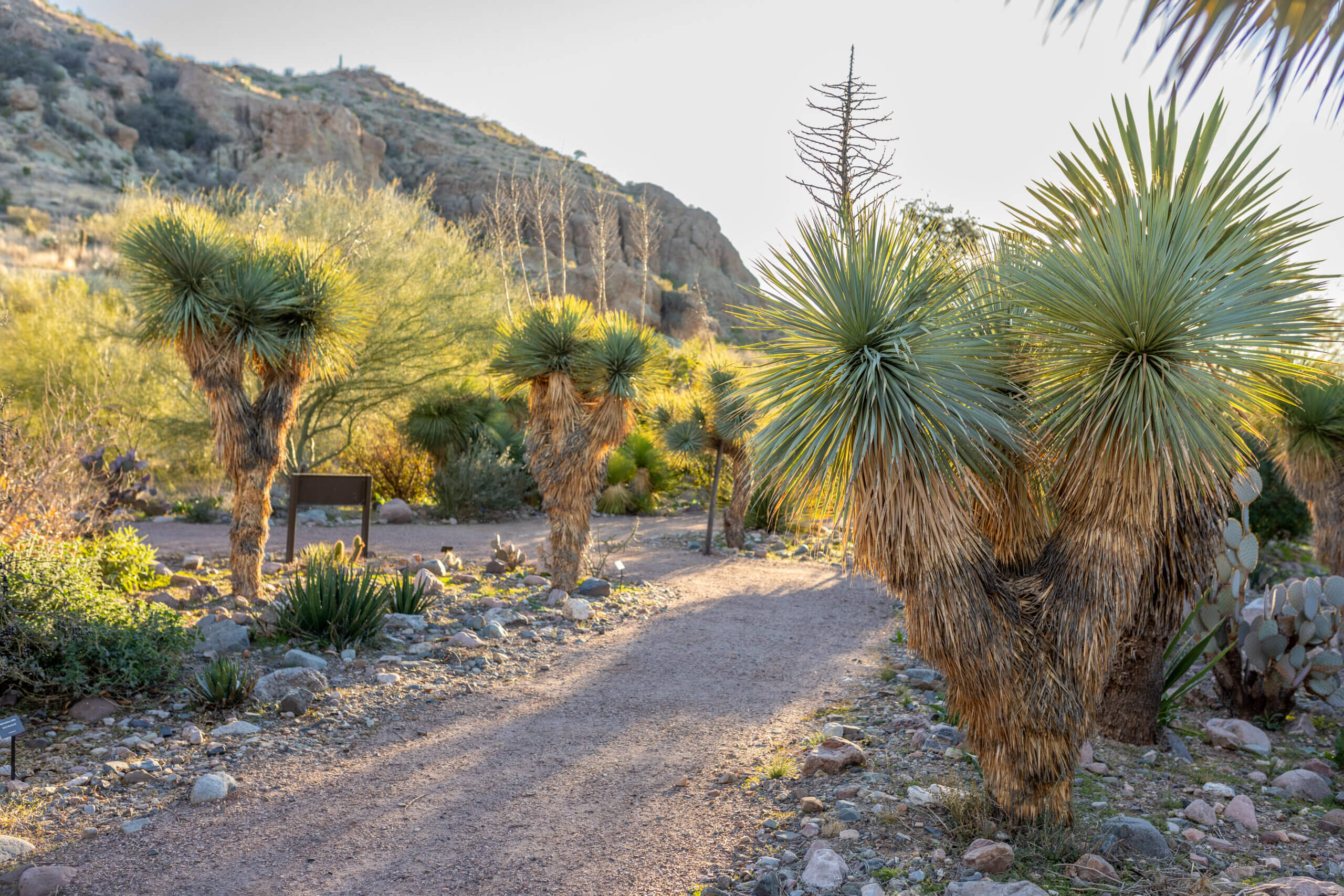
The Chihuahuan Desert is the largest desert in North America, covering about 647,500 square kilometers (250,000 square miles). It stretches around 1,500 kilometers (about 930 miles) from south of Albuquerque, New Mexico, to about 250 kilometers (155 miles) north of Mexico City.
The desert includes parts of several Mexican states like Chihuahua, Coahuila, Durango, Zacatecas, Nuevo León, and San Luis Potosí. It also covers a small part of southeastern Arizona, large areas of New Mexico, and the Trans-Pecos region of Texas.. It sits between two large mountain ranges in Mexico called the eastern and western Sierra Madre.
Like most deserts, the Chihuahuan Desert has extreme weather. During the day, temperatures can get very hot, but at night, they can drop below freezing. Even so, the desert is full of life. Animals like mountain lions, Mexican wolves, black-tailed prairie dogs, kit foxes, mule deer, and Coahuilan box turtles live here. There are also 120 types of mammals and 300 kinds of birds.
The desert is also home to more than 400 species of cactus. It has pools, oases, and unique fish like cichlids and pupfish that can’t be found anywhere else in the world. These areas support many aquatic creatures, adding to the desert's diversity.
Don't Miss: The World's Largest Rainforests
12. Karakum Desert
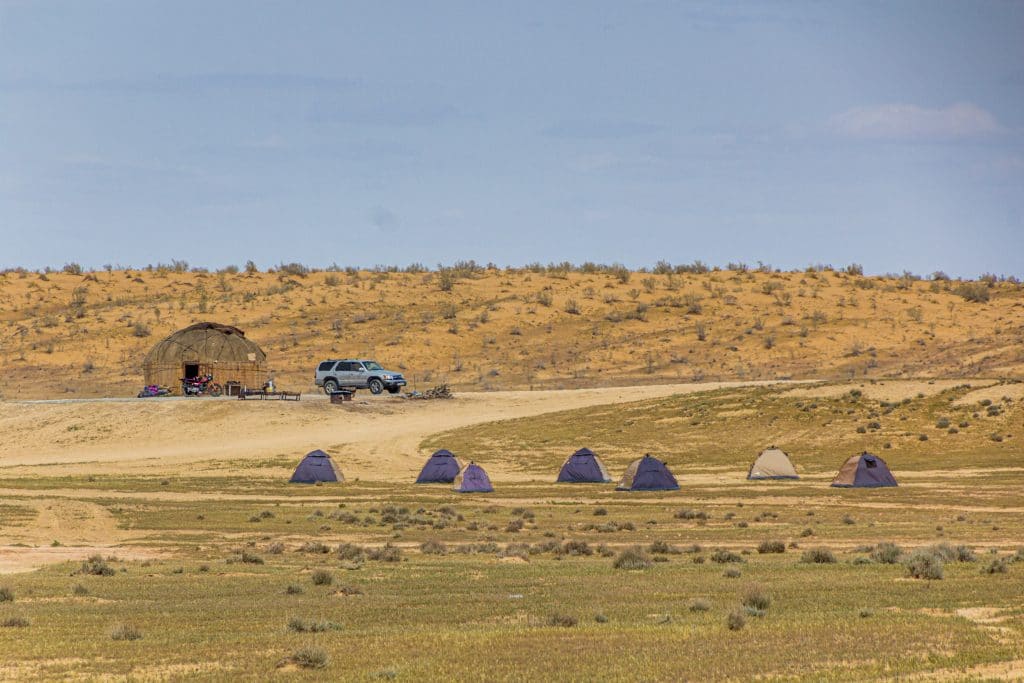
The Karakum is a large sand desert covering 350,000 square kilometers. It stretches from the Caspian Sea to the foothills of the Pamir Mountains and from the Amu Darya River to the Kopet Dag ridge. Its name means “black sands” (“kara” means black, and “kum” means sand). The desert lives up to its dark name because some parts were once completely dry for hundreds of kilometers. Anyone who tried to cross it often faced a harsh death under the burning sun.
The Karakum is mostly flat but has sand ridges, dunes, salt marshes, and clay areas called takyrs. It is divided into three parts: the Zaunguz Karakum on a plateau, the Central Karakum in lowlands, and the South-Eastern Karakum, which transitions into the Kugitangtau foothills.
There are almost no oases or surface water, but there is a lot of groundwater beneath the sand. This water comes to the surface through wells. The desert also has the massive Karakum Canal, which takes water from the Amu Darya River and carries it nearly 1,000 kilometers across the desert. In the south, a few rivers flow down from the mountains but disappear into the sand.
The climate in the Karakum is extreme. Summer temperatures can reach +50°C, and the ground can get as hot as +80°C. In winter, temperatures can drop to -30°C. Rainfall is very rare and mostly happens in November and April.
The desert’s plant life includes sand sedge, acacia, and saksaul trees. In spring, grasses and flowers cover large areas but dry up by May. Animal life includes gazelles, foxes, wolves, rodents, lizards, snakes, and insects. Besides wildlife, people in the Karakum raise sheep and camels on grasslands.
13. Sonoran Desert
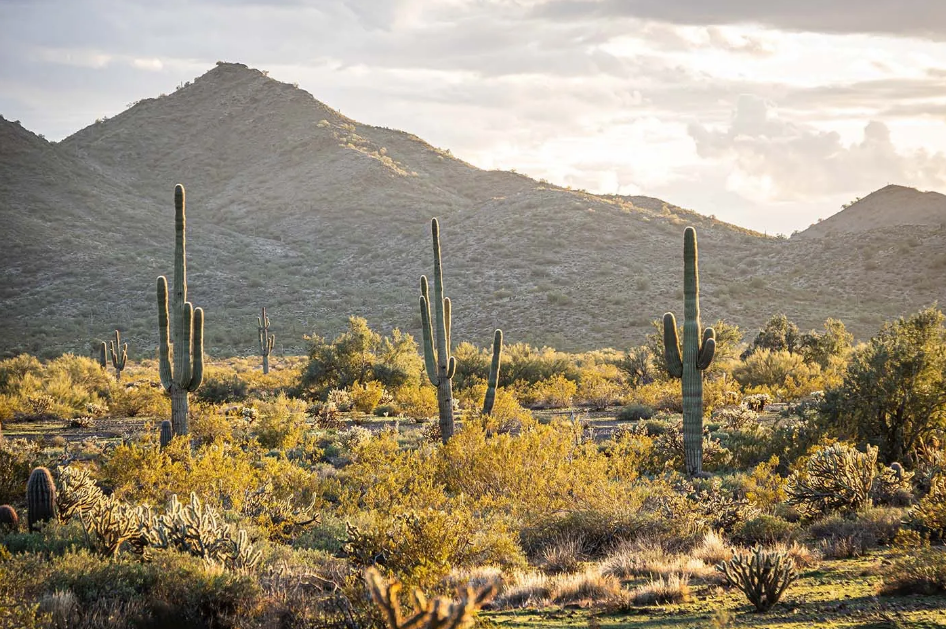
The Sonoran Desert is a dry area that covers 120,000 square miles (310,800 square km). It spreads across southwestern Arizona and southeastern California in the U.S., as well as parts of Mexico, including Baja California Sur, part of Baja California, and western Sonora. It includes smaller deserts like the Colorado and Yuma deserts.
The Sonoran Desert has a warm, subtropical climate and gets 3 to 15 inches (75 to 380 mm) of rain each year. Most rain falls during the monsoon season from July to September, when strong thunderstorms bring heavy rain. Lighter rains also occur in December and January. The hottest and driest areas are near the lower Colorado River, where summer temperatures can exceed 120°F (49°C) and rainfall is less than three inches.
The Sonoran Desert is home to the saguaro cactus, which is unique to this region and found in places like Saguaro National Park. Other common plants include barrel cacti, organ-pipe cacti, prickly pear, cholla, ocotillo, yucca, century plants, ironwood trees, palo verde trees, elephant trees, mesquite, and creosote bushes. This desert has the most plant diversity of any desert in North America.
The desert is also home to many animals like the desert bighorn sheep, mule deer, collared peccaries (also called javelinas), mountain lions, gray foxes, and coyotes. Other animals are the desert tortoises, Gila monsters, tarantulas, scorpions, lizards, snakes, rabbits, rodents like jackrabbits and kangaroo rats, and several types of bats. Birds such as roadrunners, Gila woodpeckers, Gambel’s quail, owls, and hawks also live there.
The Sonoran Desert was once home to the Hohokam people, an ancient culture. Today, tribes like the Tohono O’odham (Papago), Yaqui, Pima, and several Yuman groups live on reservations throughout the desert.
14. Kyzylkum Desert
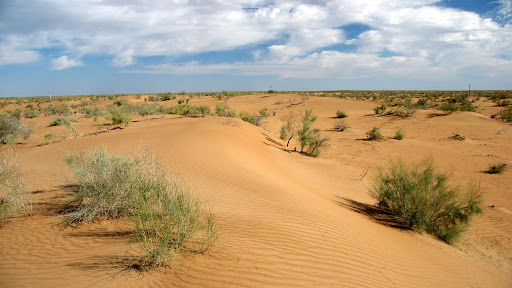
The Kyzylkum Desert is a large desert in Kazakhstan and Uzbekistan. It covers about 115,000 square miles (300,000 square km) and is located between two rivers, the Syr Darya and the Amu Darya, southeast of the Aral Sea.
The desert is mostly a flat plain that slopes downward toward the northwest. It has a few isolated mountains that reach up to 3,025 feet (922 meters) and several large basins with no drainage to the outside.
The desert gets very little rain, about 4-8 inches (100-200 mm) per year, most of which falls in winter and spring. Much of the land is covered with sand ridges where desert plants grow. These plants provide grazing for animals like Karakul sheep, horses, and camels. There are also a few small settlements near oases where people live.
The Kyzylkum Desert is important for its natural resources. Natural gas is extracted in the southeast at a place called Gazli, and gold is mined near Muruntow in the central part of the desert.
15. Thar Desert
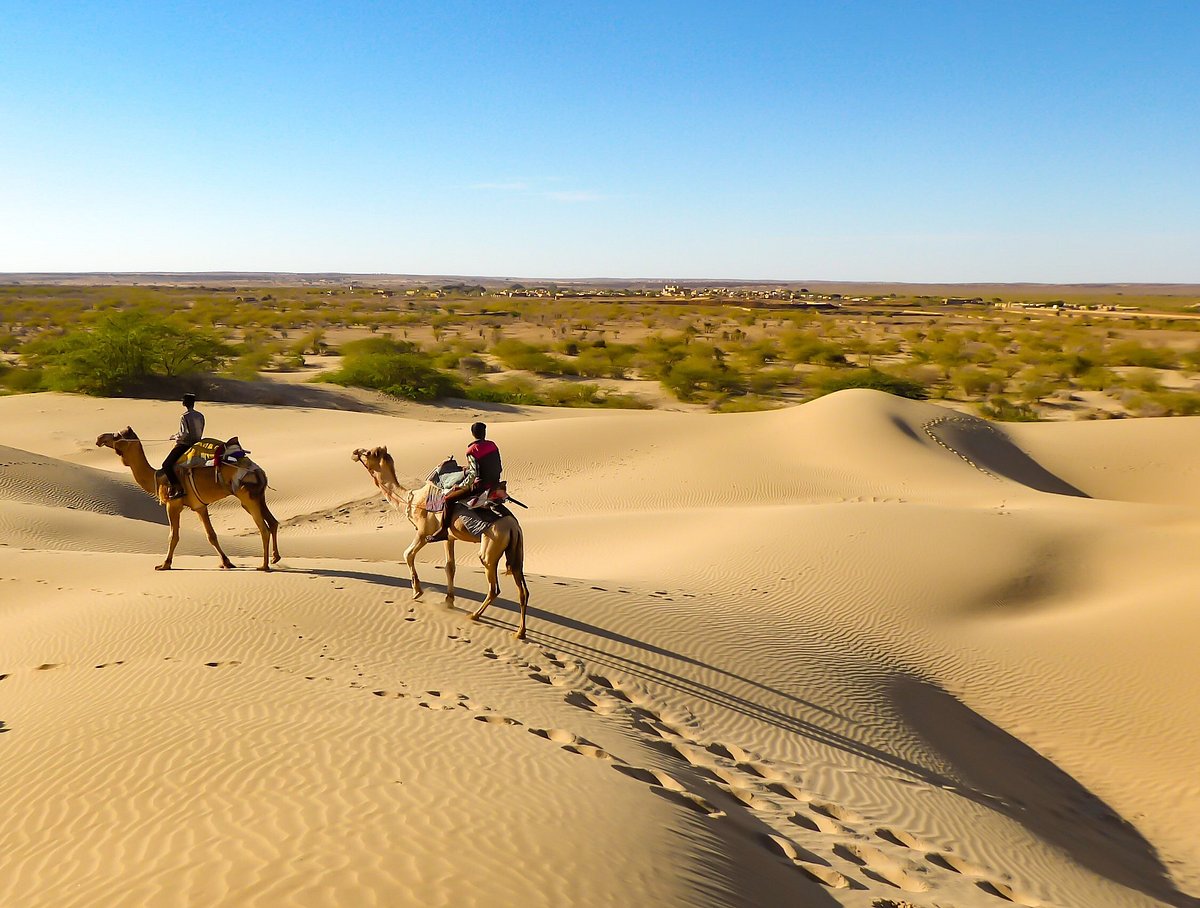
The Thar Desert is a large area of sandy hills on the Indian subcontinent. It is partly in the Rajasthan state of northwestern India and partly in the Punjab and Sindh provinces of eastern Pakistan. The desert covers about 77,000 square miles (200,000 square km).
It is surrounded by the irrigated Indus River plain to the west, the Punjab Plain to the north and northeast, the Aravalli Range to the southeast, and the Rann of Kachchh to the south. The dry climate is caused by constant high pressure and sinking air in this region.
The southwest monsoon winds that bring rain to much of the subcontinent in summer usually miss the Thar Desert. The name "Thar" comes from "thul," which means sand ridges.
Rainfall in the desert is very low, ranging from about 4 inches (100 mm) or less in the west to around 20 inches (500 mm) in the east. The amount of rain varies a lot from year to year. About 90% of the rain falls during the southwest monsoon season, from July to September.
There are five main types of cattle in the Thar Desert. The Tharparkar breed produces the most milk, while the Kankre breed is strong for work and also gives good milk. Sheep are raised for their wool, which can be medium-fine or rough. Camels are often used for transportation and also for farming tasks like plowing the land.
Conclusion
The biggest deserts in the world might seem scary, but they are also really amazing in their own way. These huge places and the special things about them show us how strong nature is and how life can change to fit in.
So when you hear "desert," don't just think of nothing; think of all the cool things that could be there. Maybe one day you'll even get to stand under those huge skies and see the magic for yourself.
You Might Also Like: How To Find Time To Travel