The World's Largest Rainforests - 15 Vital Forests Saving The Planet
Rainforests are some of the most important ecosystems on Earth. They are home to millions of species, help control the planet's climate, and support Indigenous communities. Found across continents and in different climates, these forests are vital for life on Earth.
May 14, 2025
Rainforests are essential for the planet’s health because they absorb large amounts of carbon dioxide and release oxygen. They have thick, continuous tree cover and get a lot of rain every year, which is why they’re called "rainforests."
Rainforests can be grouped into two main types: tropical and temperate. Tropical rainforests are hot, green forests near the equator, while temperate rainforests, which are rarer, are found farther north or south, usually near coasts.
Comparing the sizes of rainforests can be difficult because their boundaries aren’t always clear. A single rainforest can stretch across multiple countries and may be interrupted by islands or deforestation. While the largest and second-largest rainforests are easy to identify, the others on this list are based on estimates and expert opinions.
1. Amazon Rainforest
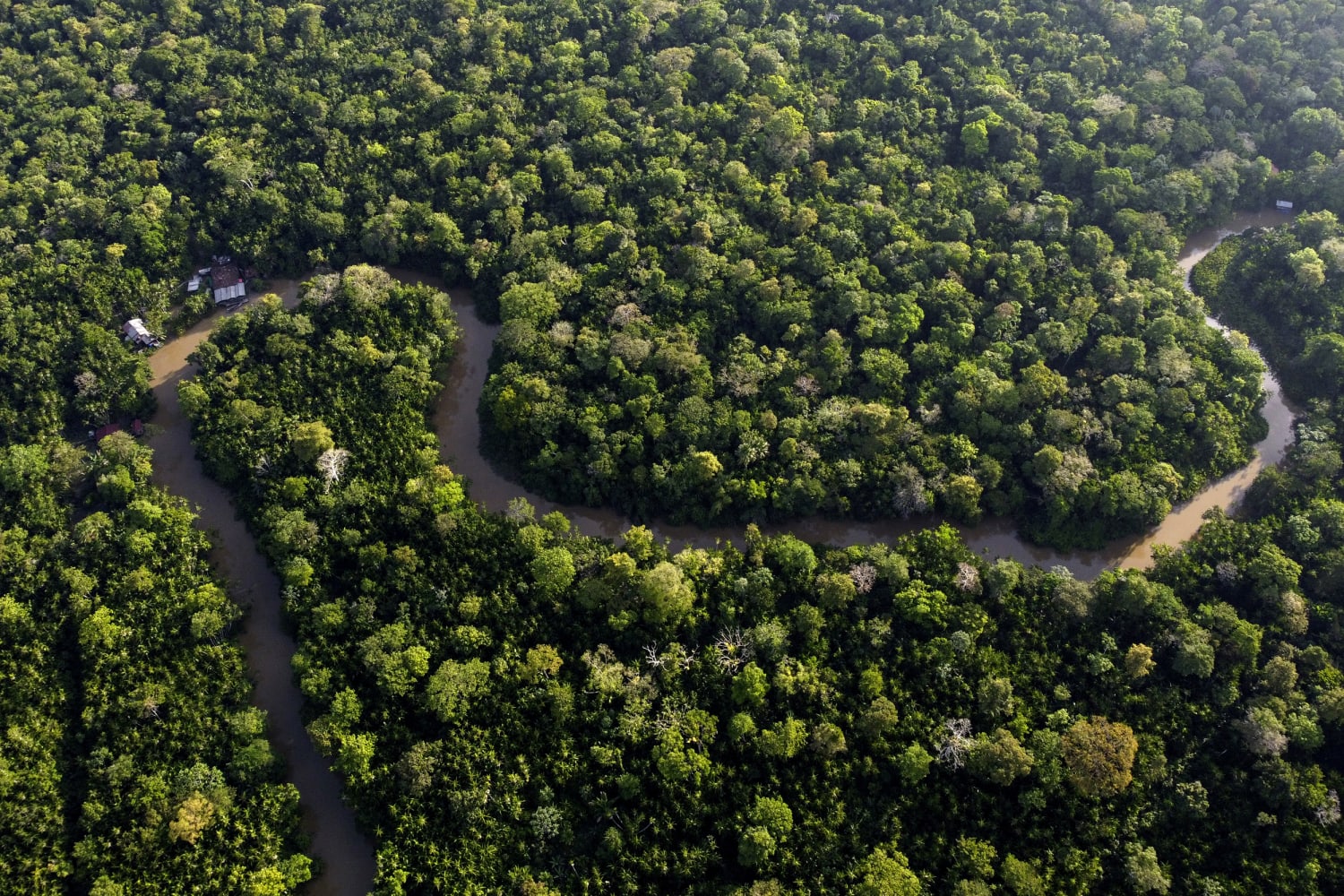
The Amazon Rainforest is the biggest tropical rainforest in the world, covering about 6 million square kilometers and spreading across nine countries in South America. It is home to an incredible variety of life, with around 16,000 types of trees and 390 billion individual trees.
Many well-known animals, like jaguars, harpy eagles, and pink river dolphins, live there. The Amazon also plays a key role in controlling weather patterns across South America and helps fight climate change by absorbing 2 billion tons of carbon dioxide each year.
For thousands of years, indigenous communities, made up of 350 different groups, have taken care of the forest. However, large areas of the Amazon are being destroyed because of farming, mining, and building projects. Between 2000 and 2020, the forest lost over 500,000 square kilometers of trees.
2. Congo Basin
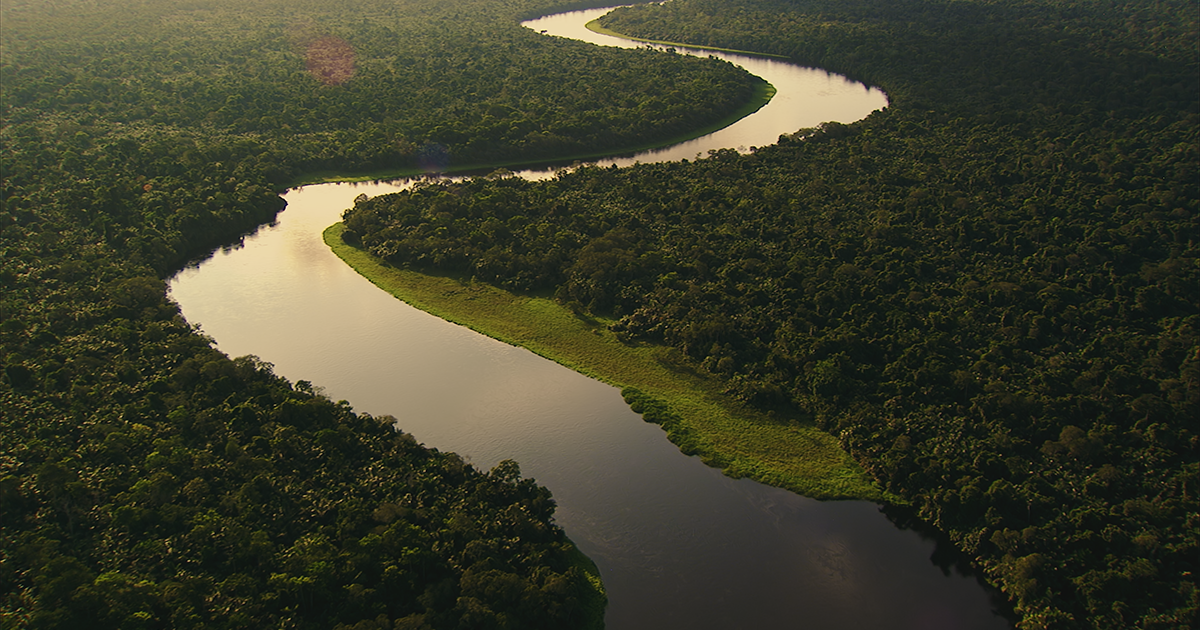
The Congo Basin is the second-largest tropical rainforest in the world. It covers six countries in Central Africa and holds about 60 billion tons of carbon, which is equal to four years of global fossil fuel emissions.
Although deforestation has slowed down recently, in 2019 alone, the Basin lost 590,000 hectares of untouched forest. This was mainly due to logging, palm oil farming, and small-scale agriculture.
Indigenous Pygmy communities, who depend on the forest for food and medicine, are being forced out by industrial activities. This shows why it’s important to include local people in efforts to protect the forest.
3. New Guinea Rainforest
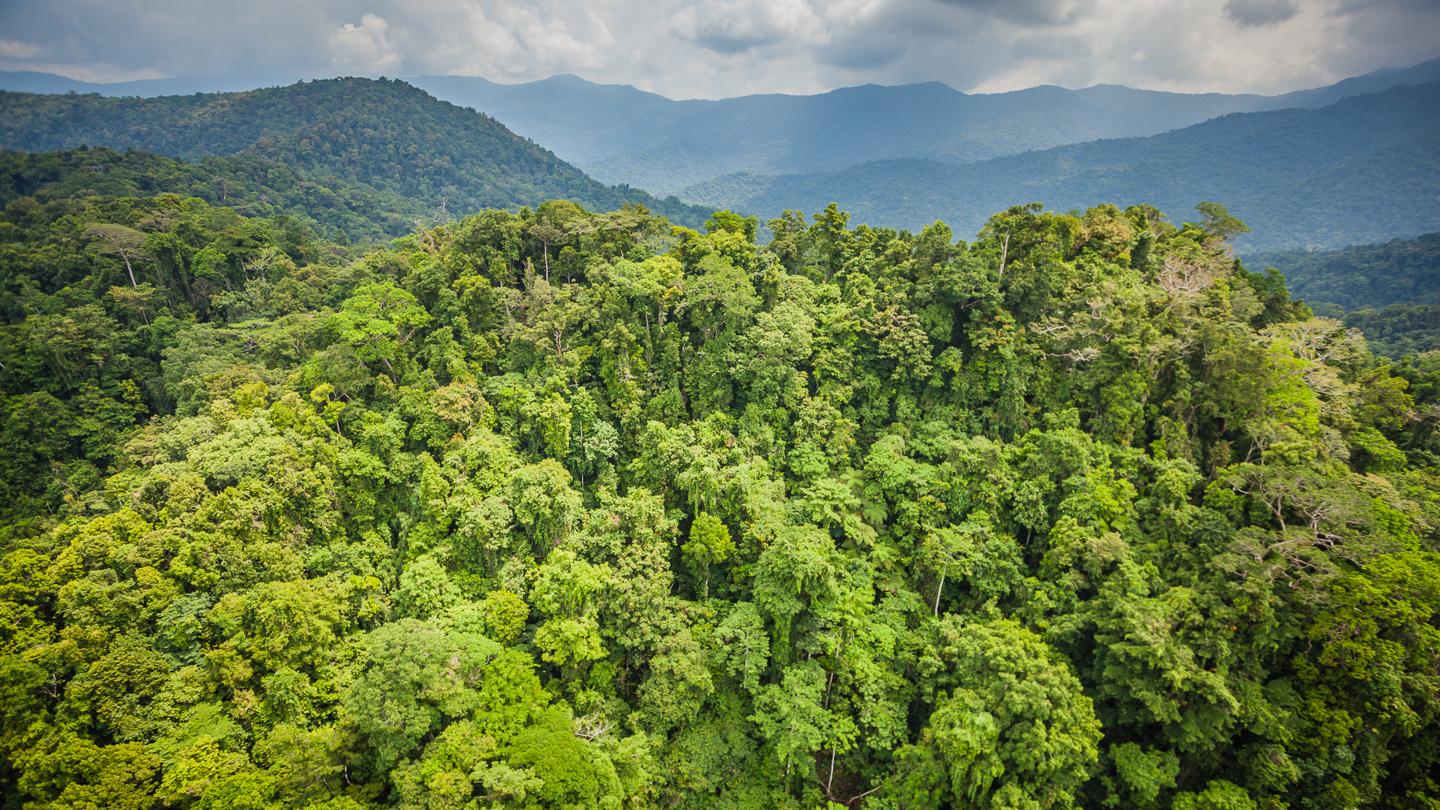
The third-largest rainforest in the world is on the island of New Guinea. The island is divided into two parts: the eastern side belongs to Papua New Guinea, and the western side is part of Indonesia. The island covers about 303,000 square miles (786,000 square kilometers) and is home to at least 5% of all the world’s plants and animals, including unique species like tree kangaroos and crowned pigeons.
After the Amazon and the Congo Basin, it gets tricky to rank the biggest rainforests. Sometimes, it’s easier to measure rainforests by looking at countries with clear borders, explains Goldman. For example, Papua New Guinea has about 123,000 square miles (318,000 square kilometers) of untouched rainforest. The rainforest of New Guinea can also be thought of as extending into northern Australia because the two were once connected.
4. Sundaland Rainforest
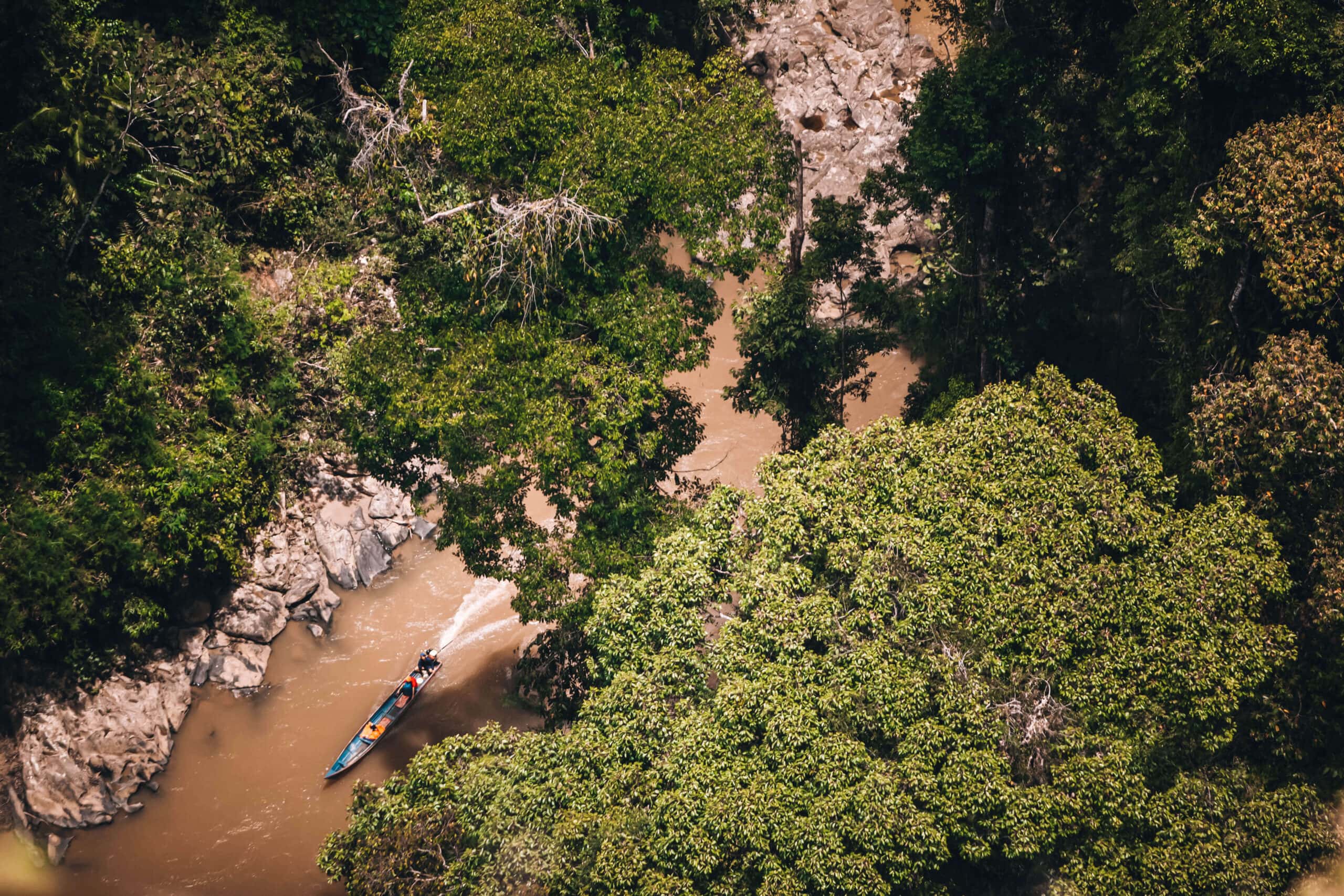
The Sundaland rainforest is the next-largest rainforest, covering about 197,000 square miles (510,000 square kilometers). This rainforest includes the Malay Peninsula in Southeast Asia and nearby islands like Sumatra, Java, and Borneo. It spreads across several countries: Indonesia, Malaysia, Brunei, Thailand, and Singapore.
The Sundaland rainforest is home to many unique species, including orangutans, the Bornean rainbow toad, and the corpse flower, which is the world’s largest flower. Since 2001, Indonesia has lost over 37,000 square miles (97,000 square kilometers) of its primary rainforest. However, Indonesia is doing better than some other countries when it comes to reducing deforestation.
5. Valdivian Temperate Forests
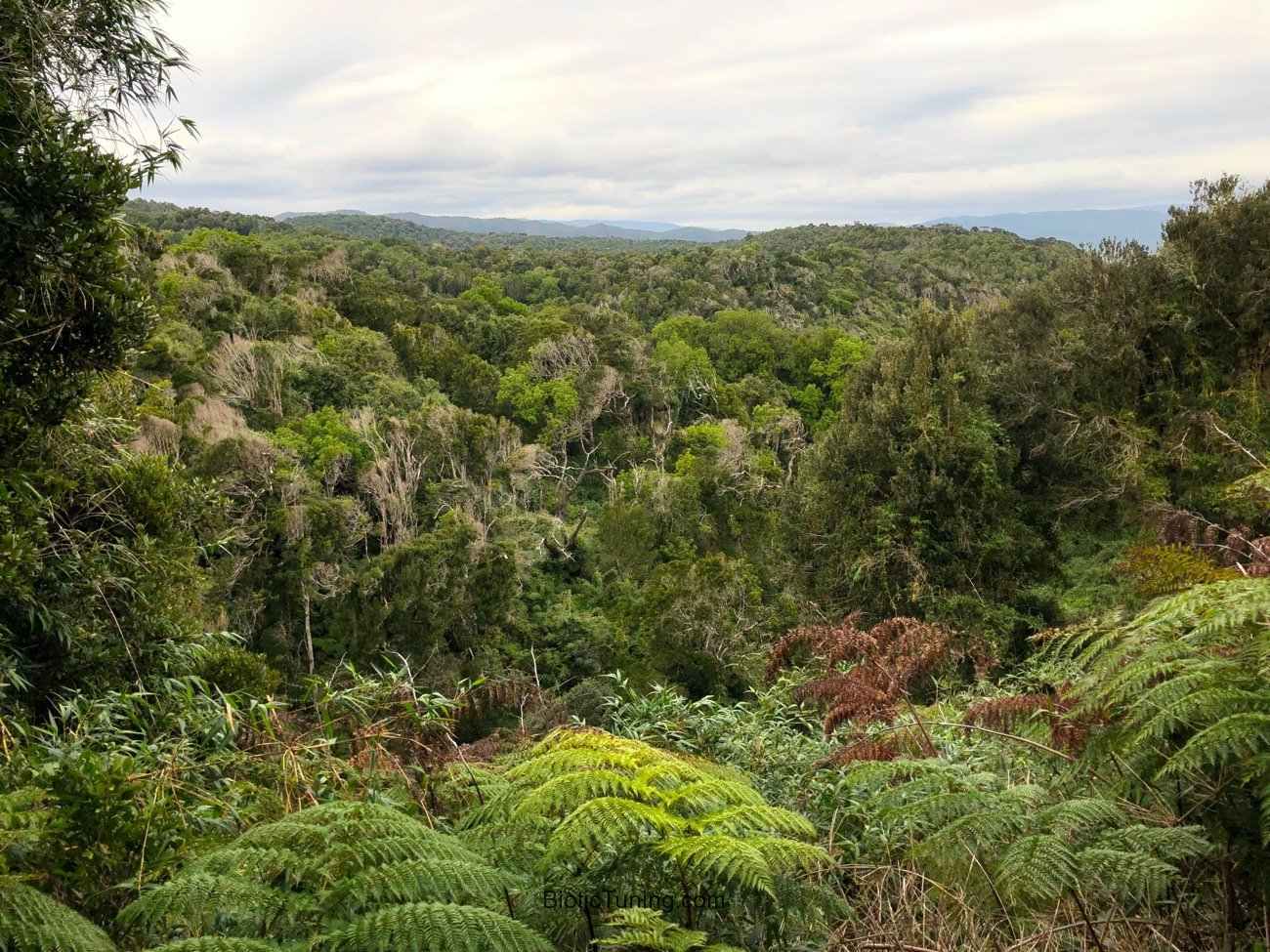
The Valdivian temperate forests are found on the west coast of South America, between the Pacific Ocean and the Andes mountains, about 40 degrees south of the equator. Because of its location, the amount of rain varies greatly between the north and south. The southern part gets a lot of rain, about 6,000 millimeters (or 236 inches) per year, while the northern part gets much less, around 1,000 millimeters (or 39 inches).
This is the only temperate rainforest in South America and is home to many unique species that can only be found there. These include the tiny Kodkod cat, the rufous-legged owl, and the world’s smallest deer, called the pudu.
The biggest threat to this rainforest is logging. Large native trees are being cut down and replaced with fast-growing pine trees, which are later harvested to make paper.
6. Pacific Temperate Rainforest
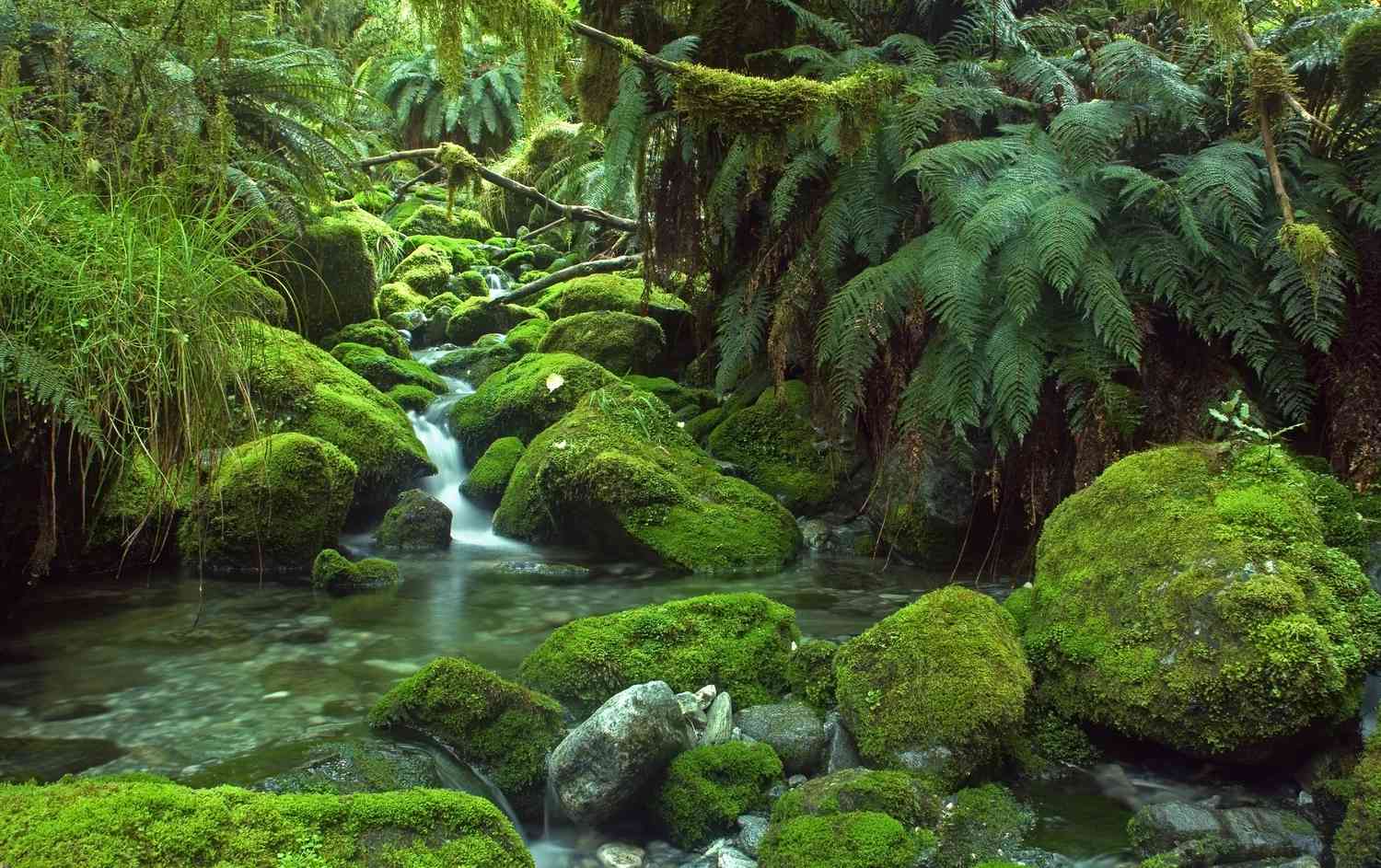
The Pacific temperate rainforests run along the Pacific coast of the USA and Canada, stretching from California all the way up to Alaska. This rainforest is home to many types of trees, including some of the tallest in the world, like the coast redwood and the coast Douglas-fir.
Many familiar animals live here, such as raccoons, coyotes, bullfrogs, red foxes, and opossums. Because of its cool and wet climate, this rainforest doesn’t often face wildfires.
Instead, it’s more likely to be affected by strong winds or avalanches. However, it is still threatened by logging. Without enough legal protection, large areas of the forest have been cut down over the past century.
Check Out: Exploring The Best Places To Visit In Singapore
7. Tropical Rainforest Heritage Of Sumatra
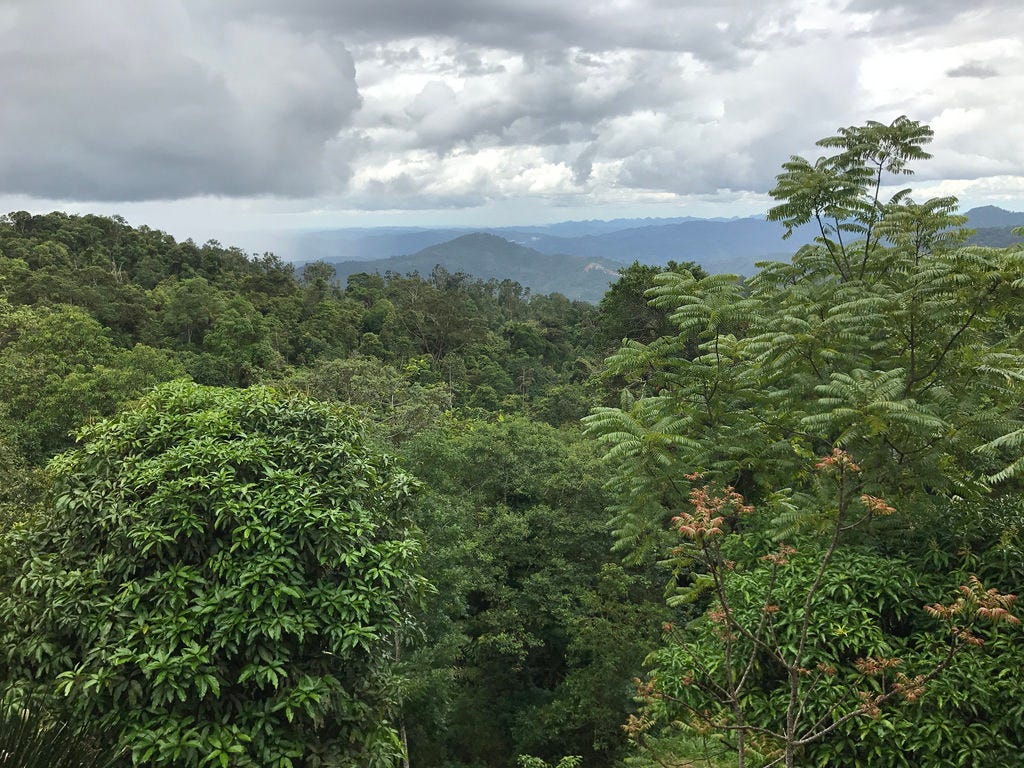
The Tropical Rainforest Heritage of Sumatra (TRHS) consists of three national parks on the island of Sumatra in Indonesia. This forest is packed with biodiversity, including about 10,000 plant species and 500 bird species. It’s also home to unique animals like the Sumatran orangutan and the Sumatran tiger, which can only be found there.
The TRHS also includes Indonesia’s largest volcano, Gunung Kerinci, which rises 3,805 meters (12,484 feet) above sea level. Most of the heritage site sits along the mountain range that runs through Sumatra, which is the sixth-largest island in the world.
8. Eastern Australian Temperate Forests
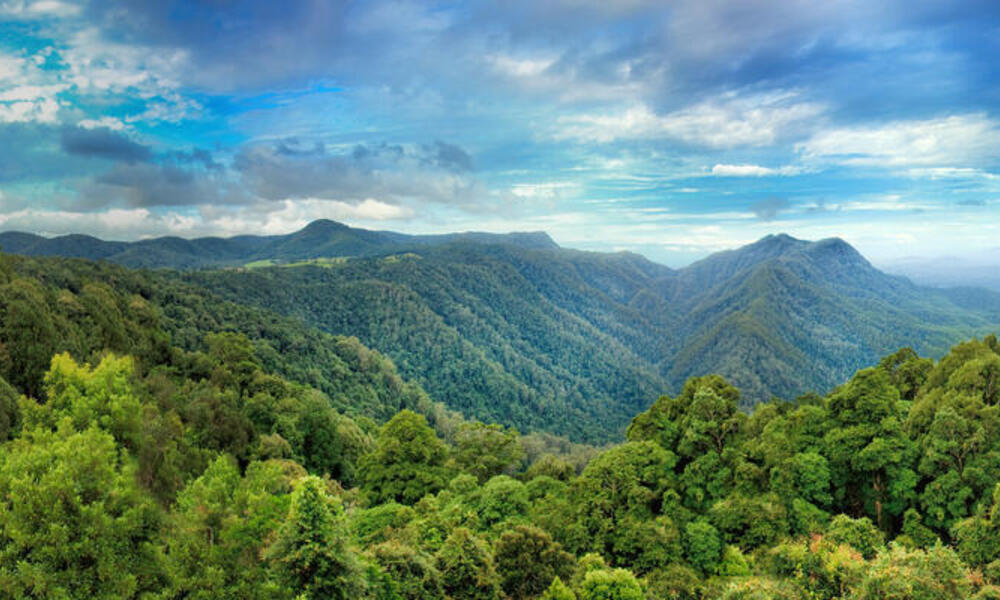
The Eastern Australian temperate forests cover a large part of the country, stretching from the east coast of New South Wales up to southern Queensland. This area includes open eucalyptus forests, dense subtropical rainforests, thickets, and shrublands.
The weather near the coast is much more humid compared to the dry inland areas, which receive about half as much rain each year. This region is home to a wide variety of wildlife, including koalas, velvet worms, kookaburras, and swift parrots. These animals thrive in this diverse environment.
9. Bosawás Biosphere Reserve
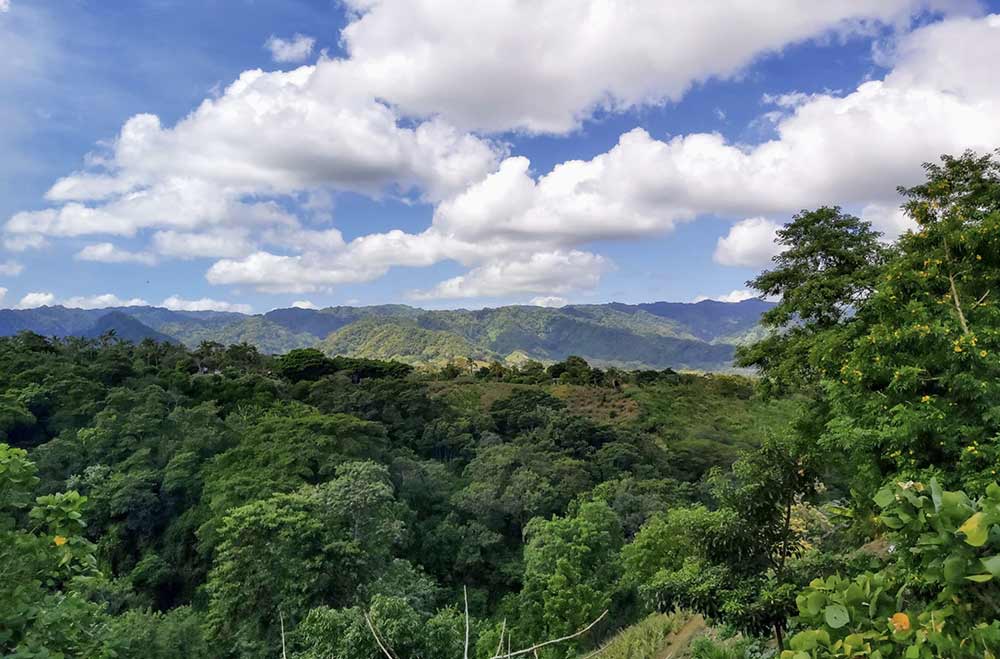
The Bosawás Biosphere Reserve covers about 15% of Nicaragua’s total land area and is the second-largest rainforest in the Western Hemisphere. It is filled with a wide variety of plants and animals, with an estimated 13% of the world’s species living there.
Animals like the harpy eagle, Saslaya moss salamander, and big cats such as jaguars and pumas can be found in the reserve. Thanks to the conservation efforts of the Indigenous people who live there, the rainforest is considered to be in great condition.
10. Westland Temperate Rainforests
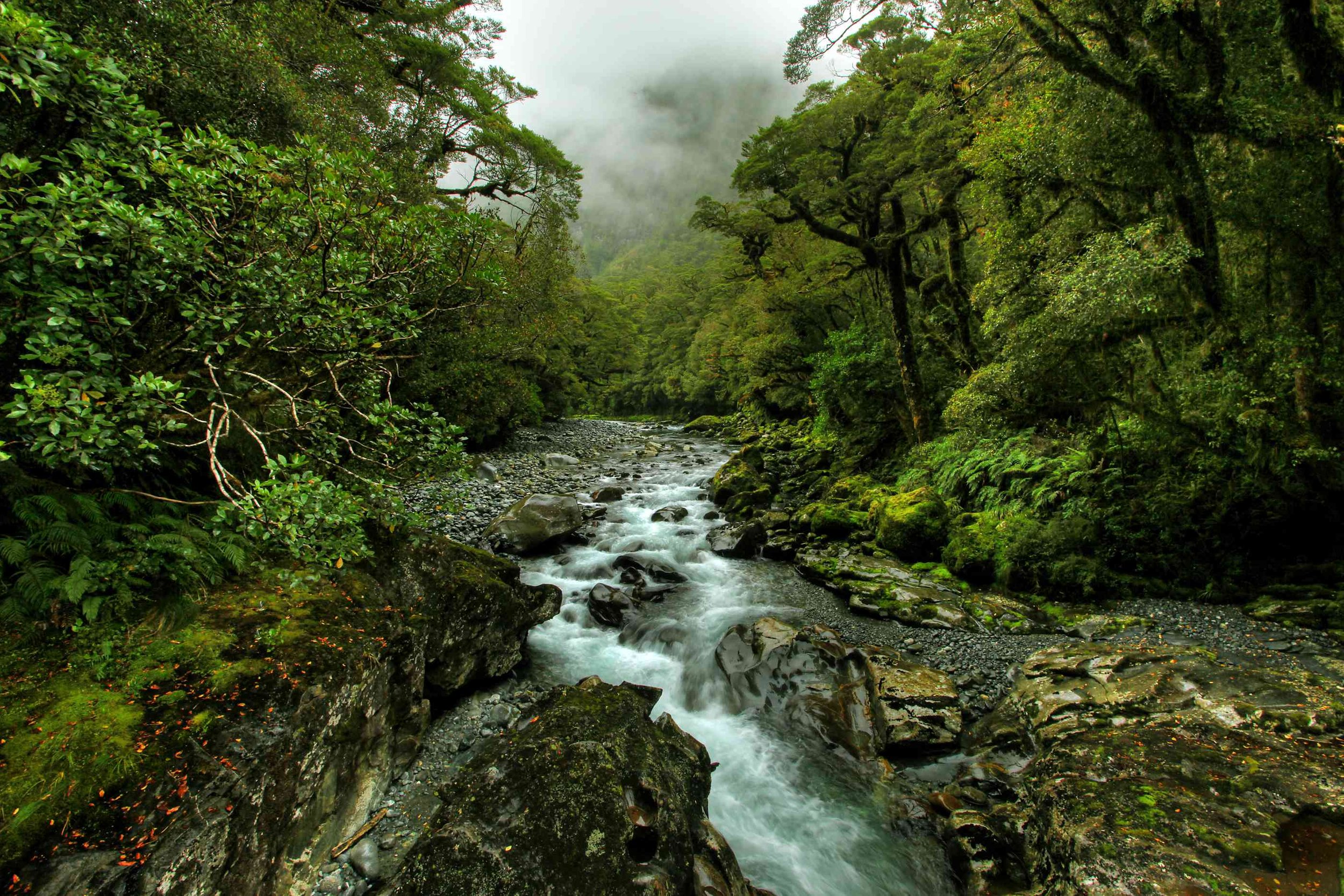
The Westland temperate forests are situated on the west coast of New Zealand’s South Island. This forest is located between the Southern Alps and the Tasman Sea, which causes it to receive a very high amount of rainfall, averaging around 3,000 millimeters (or about 118 inches) each year.
This region is home to many different kinds of birds, including the kea and kaka parrots. It also provides habitat for several endangered species, such as the Okarito brown kiwi.
Close to half of the land in this area is protected. However, climate change is creating new risks for the forest’s future. Droughts are becoming more common, which increases the danger of wildfires that could harm the forest.
11. Daintree Rainforest
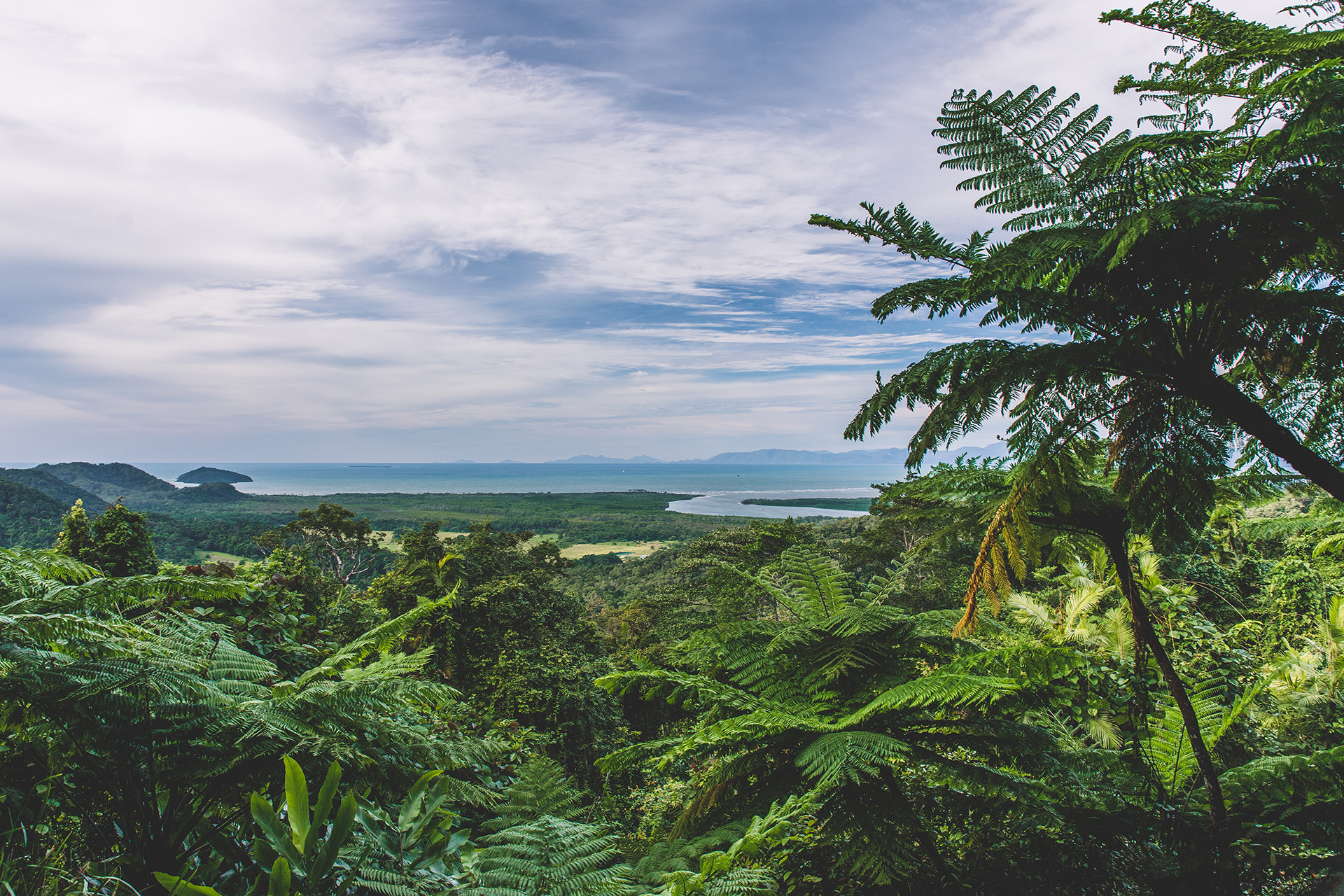
The Daintree Rainforest, located in Queensland, Australia, is the oldest rainforest on Earth, with a history stretching back more than 135 million years. Even though it is relatively small, covering about 460 square miles, it is amazingly diverse. It has tall trees like the impressive kauri pine and is home to unique wildlife, including cassowaries and tree kangaroos.
The rainforest holds great importance for the Kuku Yalanji people, who consider it sacred. Their stories and traditions are deeply connected to the forest’s long history.
There are also fascinating tales of early botanists discovering ancient plant species, which add to the rainforest’s mysterious charm. The Daintree Rainforest stands out because of its mix of ancient plants and the modern challenges it faces in terms of conservation, making it a truly special place in the world.
12. Tongass National Forest
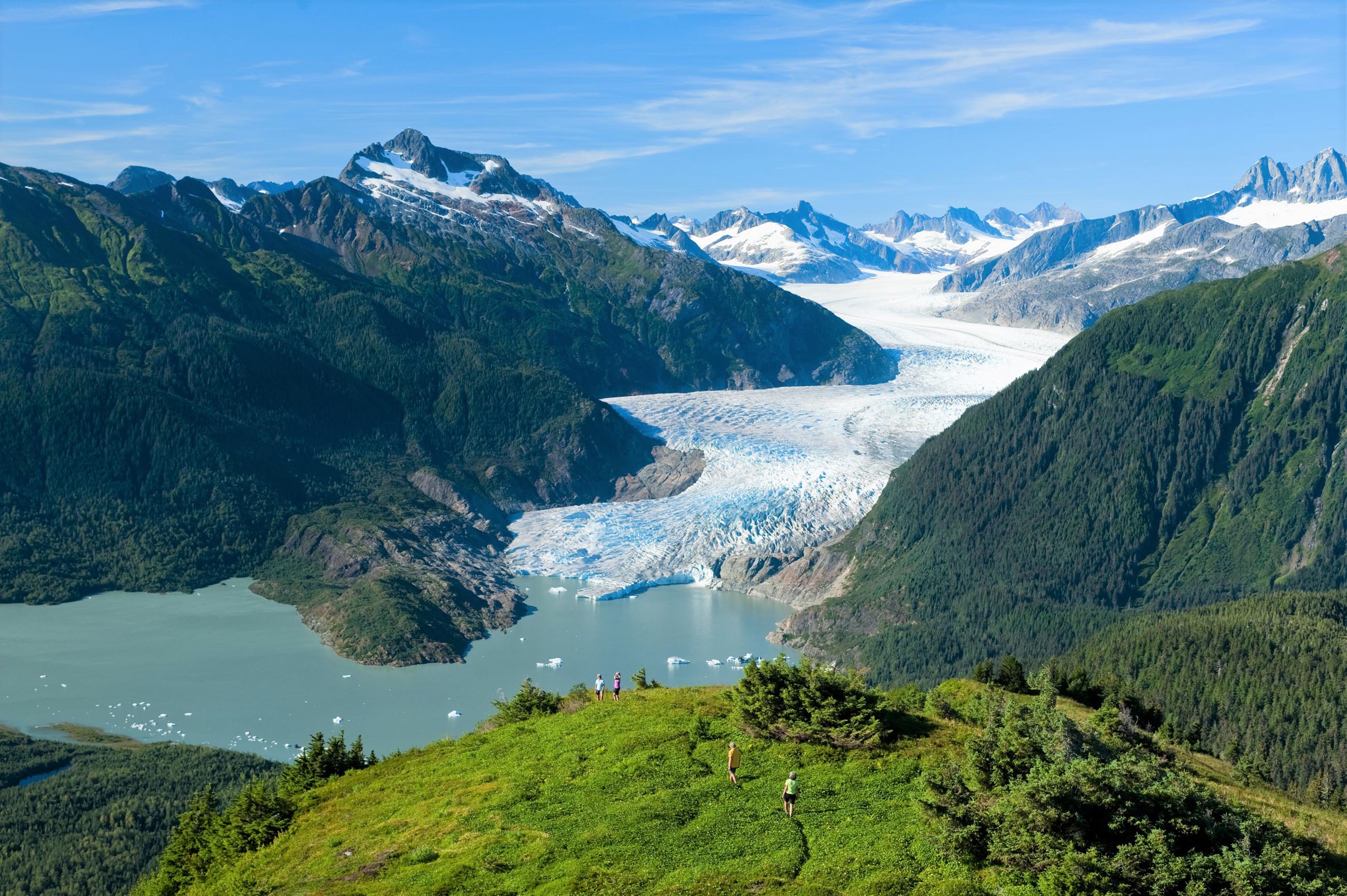
The Tongass National Forest in Alaska is the biggest temperate rainforest in the world, spanning 26,560 square miles. Its tall Sitka spruce and western hemlock trees form a thick, green canopy that provides a home for animals like bears, eagles, and salmon.
The forest has a rich history, with Indigenous Tlingit, Haida, and Tsimshian peoples having lived in harmony with the land for generations. Their traditions and way of life are closely tied to the forest.
There are also stories of early explorers and struggles over conservation that add layers to its story. The Tongass plays a vital role as a habitat for wildlife and is also important for capturing and storing carbon, which shows why it matters not just locally, but globally.
13. Atlantic Forest

The Atlantic Forest in South America originally covered 580,000 square miles, stretching across parts of Brazil, Paraguay, and Argentina. However, much of this forest has been destroyed due to deforestation. Despite this, it is still considered a biodiversity hotspot, filled with tall trees and lively wildlife.
The forest is home to Indigenous communities as well as many rare species, such as golden lion tamarins and maned wolves. Efforts are being made to restore the Atlantic Forest, showing just how important it is to protect and preserve this one-of-a-kind ecosystem.
14. Mekong River Basin
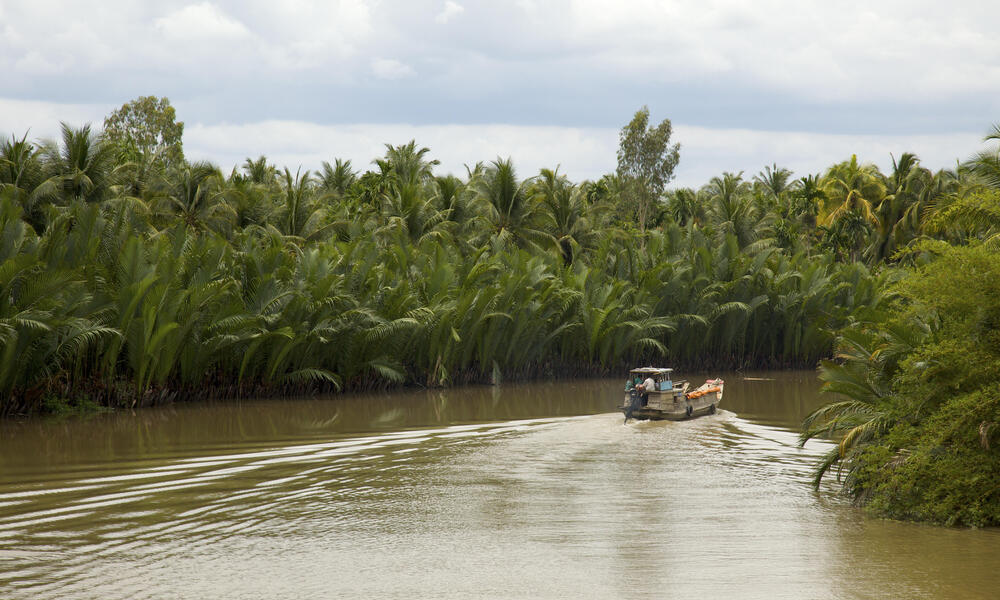
The Mekong River basin is the area surrounding the Mekong River, which is the longest river in Southeast Asia, stretching nearly 3,000 miles (4,900 kilometers). Among the countries in the Mekong River basin, Myanmar has the most forest cover, with about 51,700 square miles (134,000 square kilometers) of primary rainforest within its borders.
The Mekong River is home to more than 1,000 species of freshwater fish, including endangered ones that exist only there, such as the Mekong giant catfish. The rainforests near the river are also rich in wildlife, hosting a wide range of species, from psychedelic rock geckos to tigers. Large-scale agriculture is the main cause of deforestation in the Greater Mekong region, particularly the farming of sugarcane, rice, rubber, and crops used for biofuels.
15. Guinean Forests Of West Africa
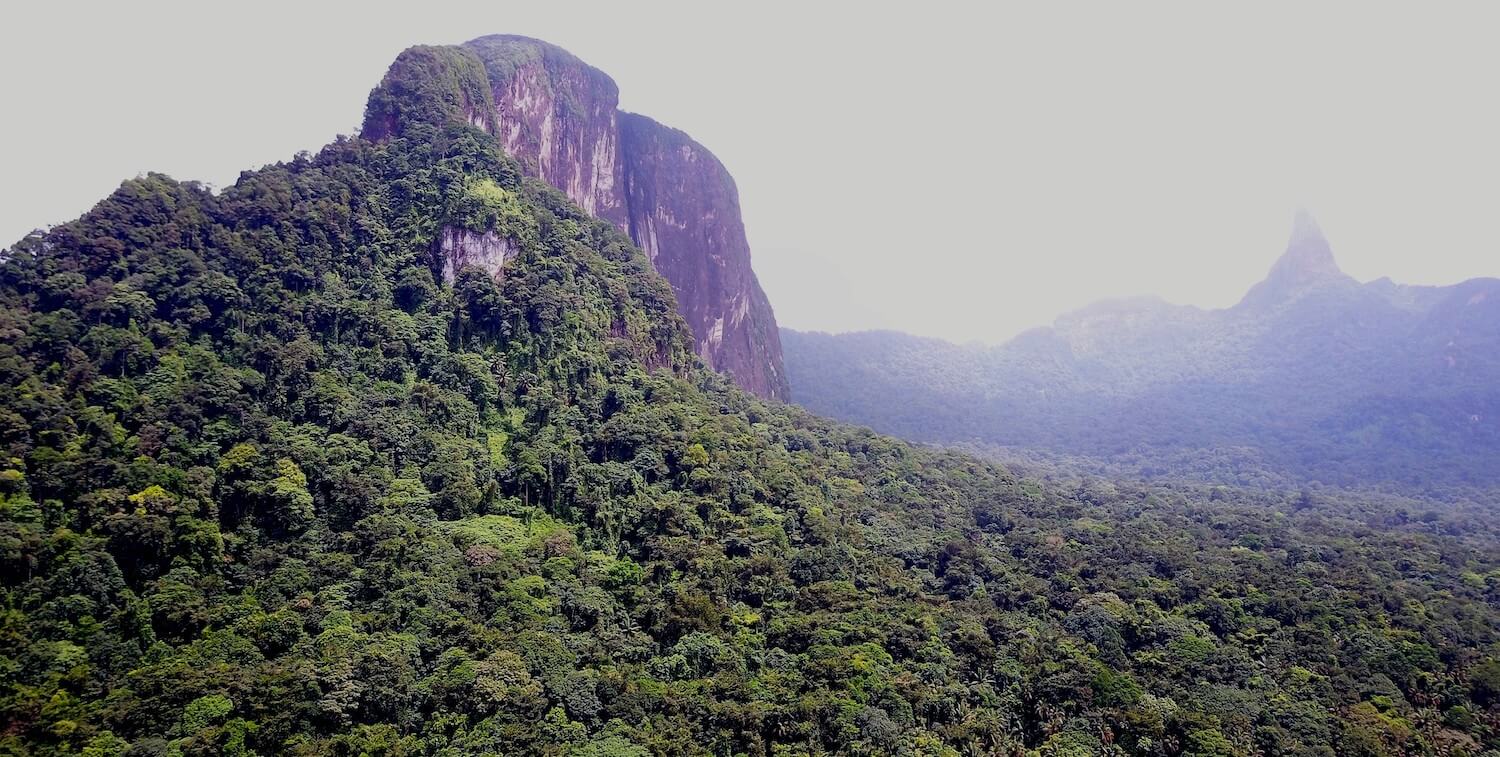
The Guinean Forests of West Africa are made up of tropical rainforests that stretch from Liberia and Sierra Leone to the border between Nigeria and Cameroon. These forests have been greatly reduced due to farming. Small farmers grow crops for their own needs, while large plantations produce cacao, timber, and oil palm for commercial purposes.
In 2020, the region had 42 million hectares of tree cover, including 10.2 million hectares of primary forest. Liberia holds the largest share of these primary forests, with 41% of the region’s total.
Cameroon and Nigeria each account for 17%, while Côte d’Ivoire and Ghana have 10% each. The forests are home to famous animals like gorillas, chimpanzees, pygmy hippos, and various types of monkeys.
Frequently Asked Questions
Why Is It Called The Amazon Rainforest?
"Amazonas" is derived from an ancient Greek myth about a tribe of mighty women warriors. It was bestowed on the river by Francisco de Orellana after a 16th-century attack on his expedition by long-haired native peoples. The attack was either led by women or men with long hair, prompting the name.
What Is The Difference Between A Jungle And A Rainforest?
What marks the difference between a rainforest and a jungle is that the latter has a more chaotic and thick undergrowth. Unlike rainforests, which have a canopy that restricts the amount of sunlight reaching the ground, the physical characteristics of jungles allow for more light penetration.
Where Is The Largest Rainforest In Africa?
The Congo Basin forest, spanning six Central African countries, is not just the largest tropical forest on the continent, but also the second-largest in the world. The Congo rainforest, covering a staggering 300 million hectares, is a unique and vital ecosystem, even when compared to the 800-million-hectare Amazon.
What Is The Difference Between A Forest And A Rainforest?
Tropical rainforests occur where the year-round climate is hot, humid, and wet. Temperate deciduous forests occur where all four seasons, winter, spring, summer, and fall, are present. Though these forest look different, their structures are very similar.
How Does Logging Specifically Threaten Temperate Rainforests?
Logging poses a significant threat to temperate rainforests by removing large native trees, which disrupts the ecosystem's structure and reduces habitat for wildlife. In places like the Valdivian temperate forests, native trees are often replaced with fast-growing pine or eucalyptus plantations for paper production, leading to soil degradation and loss of biodiversity.
What Role Do Rainforests Play In Regulating Weather Patterns?
Rainforests influence weather patterns globally by releasing water vapor into the atmosphere through a process called transpiration. This moisture contributes to cloud formation and precipitation, not only locally but also in distant regions.
Conclusion
Rainforests are among the most vital ecosystems on Earth, playing a critical role in maintaining global biodiversity, regulating weather patterns, and combating climate change. They also serve as the lifeblood for Indigenous communities, whose cultures and traditions are deeply intertwined with these natural landscapes.
However, deforestation driven by agriculture, logging, mining, and urban expansion continues to threaten these irreplaceable ecosystems. Preserving these natural wonders requires urgent action that balances economic development with ecological sustainability, ensuring that future generations can continue to benefit from the beauty of rainforests worldwide.
You Might Also Like: Best Places To Visit In Odisha, India