30 Best Psychological Horror Games With Good Story And Narrative Depth
Play psychological horror games with a good story and narrative depth. Check out 30 top picks where horror meets deep, meaningful storytelling.
Jun 15, 2026
Top Story-Driven Horror Games That Mess With Your Mind
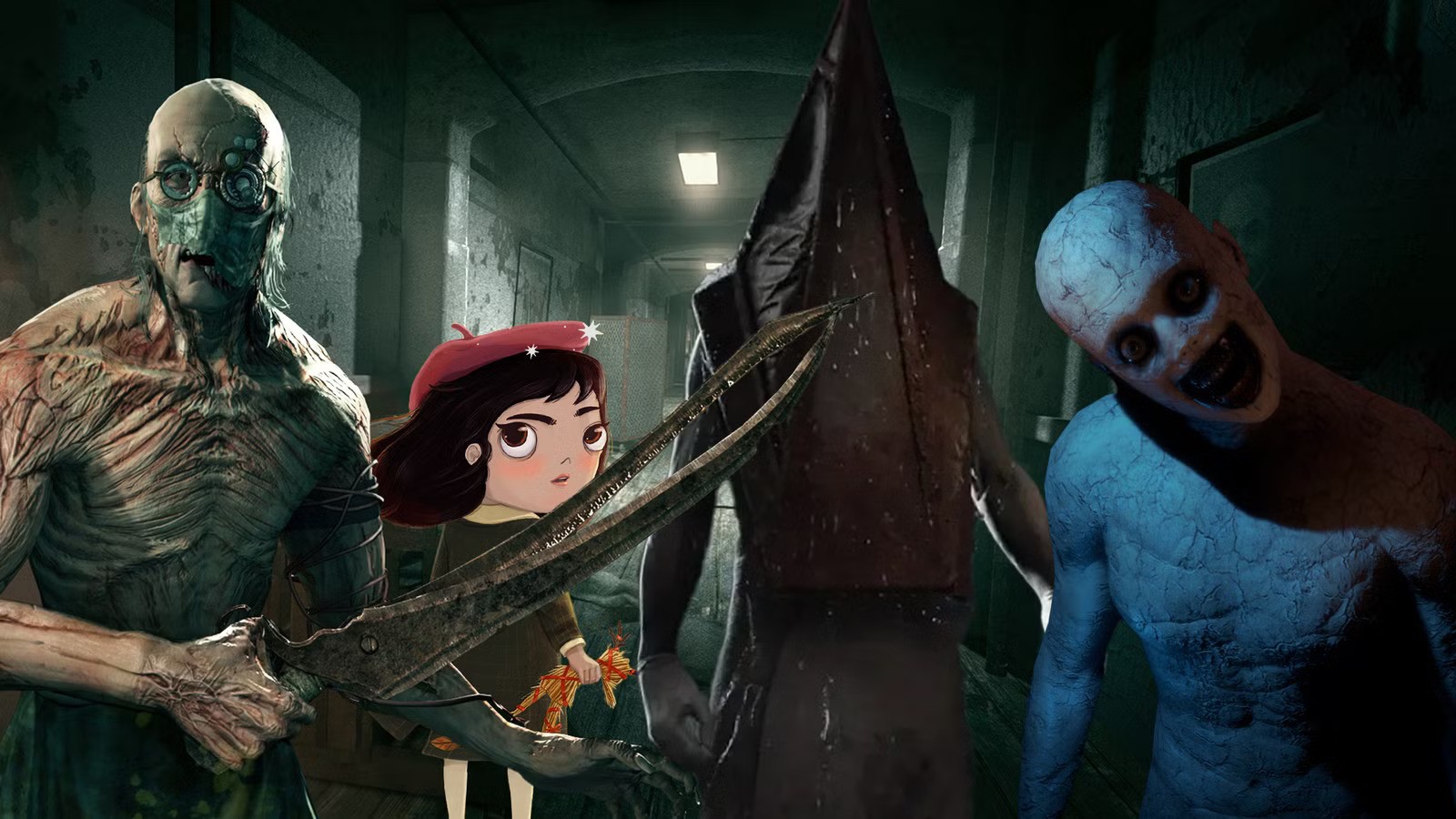
Ever finished a game and just sat there in the dark, staring at the credits? That lingering silence is the hallmark of a great psychological horror game. It isn't just about cheap jump scares or gore; it’s about a deeply immersive story that tackles heavy themes like grief, guilt, and the loss of identity.
The best titles make the story and fear inseparable. In these experiences, every choice feels meaningful, and the dread stays with you long after you put down the controller.
For players who master those experiences, some horror games provide a completely different kind of payoff afterwards. Powerful weapons and other game completion rewardscan turn a tense first playthrough into a very different post-game experience.
This article highlights 30 psychological horror games with good storyelements, focusing on:
- Atmospheric world-building that creates a sense of constant unease.
- Deeply emotional plots that explore grief, trauma, and human flaws.
- Complex characters whose mental states shape the world around them.
- Psychological thrillers that challenge your perception of reality.
1. Silent Hill 2
- Platforms:PS5, PC, Xbox Series X/S
- Narrative Archetype:Grief & Guilt Horror
- Content warnings:suicide, self‑harm, psychological trauma, disturbing imagery
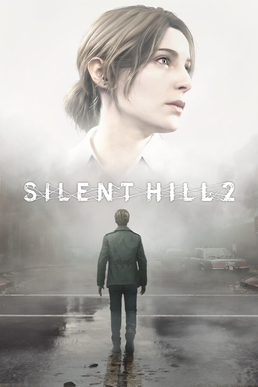
Silent Hill 2 is one of the most famous psychological horror games because it mixes story and fear perfectly. You play as James Sunderland, who comes to the foggy town of Silent Hill after receiving a mysterious letter from his dead wife. The town is full of strange creatures and unsettling scenes, but everything reflects James’ guilt and inner struggles.
The game makes you think about your own emotions as you explore the town. Each area tells a story without words, and every encounter has a deeper meaning. The ending can leave players uneasy because it prompts reflection on James’ choices and the consequences of his past. This emotional depth is what sets it apart from other horror games.
2. SOMA
- Platforms:PC, PS4, PS5, Xbox One, Xbox Series X/S
- Narrative Archetype:Existential Dread / Identity Horror
- Content warnings:disturbing imagery, existential themes, creature encounters
SOMA combines science fiction with psychological horror to create a thought‑provoking experience. You wake up in an underwater research facility with no memory and soon realise that something is wrong with both the environment and the people, or what they used to be. As you explore, you uncover terrifying truths about identity, consciousness, and what it means to be human.
The game also creates tension through sound and atmosphere. Dark corridors, strange noises, and sudden creature appearances keep your heart racing while forcing you to think about deeper questions. Every decision and discovery makes you consider morality and existence, which is why SOMA leaves a lasting impression long after you finish playing.
3. Omori
- Platforms:PC, PS4, PS5, Xbox One, Xbox Series X/S, Nintendo Switch
- Narrative Archetype:Trauma & Memory Horror
- Content warnings:suicide, self‑harm, depression, anxiety
Omori might look like a cheerful RPG at first, but it hides a dark psychological horror story. You explore both a dream world and reality as the protagonist, slowly uncovering hidden trauma and painful memories. The game focuses on emotional struggles, depression, and anxiety, using visuals and dialogue to show what the character feels. The story is interactive, and your choices affect how the memories and fears unfold.
The game also uses music, colour, and simple animations to create tension and sadness. It explores heavy topics like guilt, loss, and fear of facing the past. The blend of cute visuals and deeply emotional storytelling makes Omori a unique experience. Players often feel moved or unsettled because the story resonates with real-life feelings of regret and trauma.
4. Hellblade: Senua’s Sacrifice
- Platforms:PC, PS4, PS5, Xbox One, Xbox Series X/S, Nintendo Switch
- Narrative Archetype:Psychological Trauma / Mental Health Horror
- Content warnings:psychosis, violence, graphic imagery
Hellblade: Senua’s Sacrifice immerses players in the mind of a woman suffering from psychosis. You control Senua as she travels through a dark, mystical world to rescue the soul of her dead lover. The game’s audio design surrounds you with voices and whispers that reflect Senua’s mental state, making you feel her confusion, fear, and anxiety. The horror comes from her perception of the world and her inner struggles rather than just monsters.
The story is deeply emotional and personal. You see Senua’s grief, trauma, and determination at every step, making you care about her journey. The gameplay reinforces the narrative, showing how mental illness affects perception and decision-making.
5. Signalis
- Platforms:PC, PlayStation 4, Xbox One, Nintendo Switch
- Narrative Archetype:Retro Sci-Fi Psychological Horror
- Content warnings:existential distress, body horror, unsettling themes
Signalis is a modern indie game that mixes retro survival horror with a moving story about love, memory, and identity. You play as Elster, a replicant searching for her lost partner in a strange, abandoned world. Along the way, the narrative reveals secrets about both Elster and the world itself, and every discovery makes you question what is real and what is artificial.
The game’s design amplifies its emotional impact. Minimalistic graphics, haunting music, and atmospheric storytelling create a sense of isolation and fear. The story explores loneliness, memory, and the human desire for connection, making the horror psychological and thought-provoking rather than relying on jump scares.
6. Alan Wake 2
- Platforms:PC, PS5, Xbox Series X/S
- Narrative Archetype:Meta & Reality-Bending Horror
- Content warnings:violence, psychological distress, supernatural elements
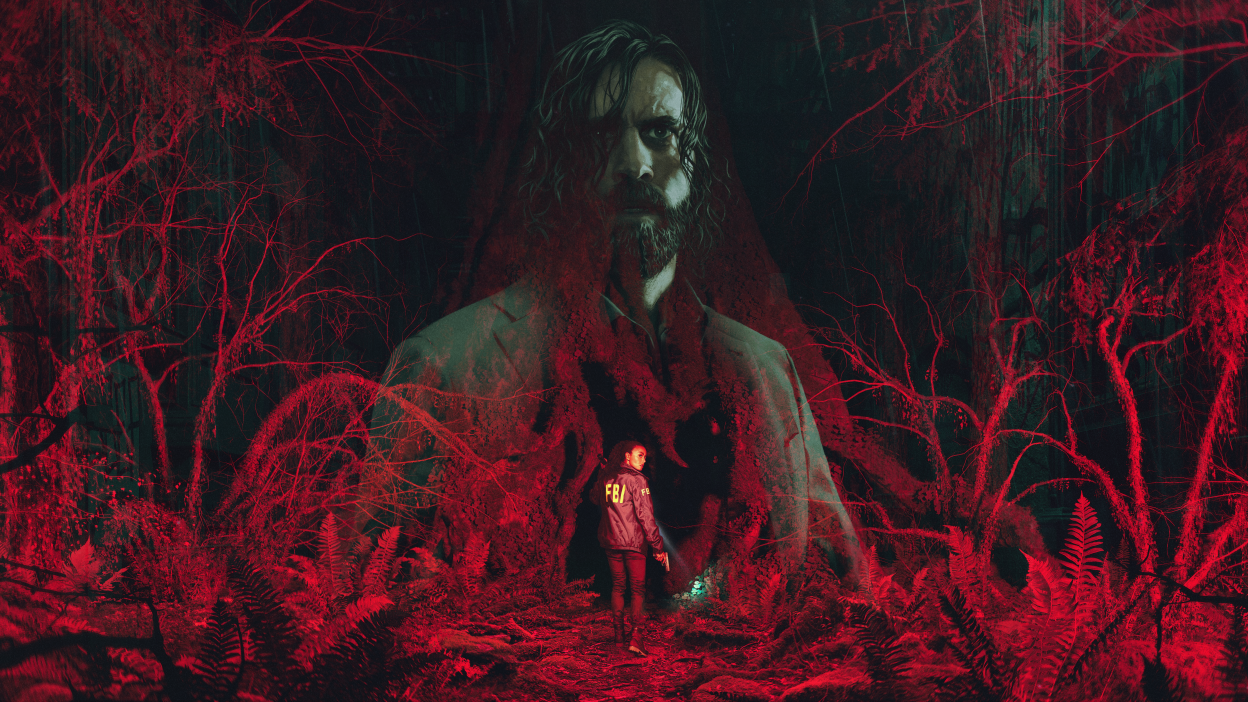
Alan Wake 2 is a dark, psychological sequel that blends mystery with horror. You play Alan Wake, a writer trapped in a nightmare world shaped by his own horror stories, and FBI agent Saga Anderson, investigating supernatural events. The narrative twists reality and fiction together, making you question what is real. The game’s fear comes from both the unknown and the unsettling narrative itself.
The story also uses atmosphere and tension to increase the horror. Dark forests, ominous towns, and shadowy figures reinforce the sense of dread. The game is designed to make players feel suspense and curiosity at the same time, combining mystery, action, and psychological horror in a way that keeps the story compelling and frightening.
7. Visage
- Platforms:PC, PS4, PS5, Xbox One, Xbox Series X/S
- Narrative Archetype:Haunted House / Psychological Unease
- Content warnings:anxiety, gradual dread, disturbing scenarios
Visage is all about slow, creeping fear. You explore a haunted house where each room tells a story about the tragic family who lived there. The house constantly changes, creating a sense of disorientation and suspense. The horror is subtle and psychological, focusing on your mind rather than monsters or gore.
The game uses lighting, sound, and minimal visuals to heighten tension. As you uncover more about the family’s dark past, the story gets more disturbing and personal. The fear is psychological because it forces you to imagine what might happen next. Each step in the house builds anxiety, making you feel vulnerable and fully immersed in the story.
8. Layers Of Fear
- Platforms:PC, PS4, PS5, Xbox One, Xbox Series X/S, Nintendo Switch
- Narrative Archetype:Obsession & Madness Horror
- Content warnings:distorted reality, psychological instability, unsettling visuals
Layers of Fear tells the story of a painter losing his mind while trying to complete his masterpiece. You explore a constantly changing mansion where the walls, floors, and rooms shift as the protagonist’s obsession and madness grow. The game uses the environment to show the character’s mental decline, making the horror deeply connected to the story.
The narrative also explores grief, guilt, and personal failure. The player uncovers the painter’s tragic past and emotional breakdown in small, disturbing pieces. Every room and visual detail adds to the feeling of unease, keeping players emotionally invested while scared. The game shows how obsession and guilt can become horrifying in themselves.
9. Amnesia: The Dark Descent
- Platforms:PC, Mac, Linux, PS4, Xbox One, Nintendo Switch
- Narrative Archetype:Sanity & Memory Horror
- Content warnings:imprisonment, fear of the dark, unsettling events
Amnesia: The Dark Descent combines survival horror with a psychological story about memory and sanity. You play Daniel, who wakes up in a dark, abandoned castle with no memory. The story slowly unfolds through notes and environmental clues, revealing the dark events that brought him here. The fear comes from darkness, uncertainty, and the player’s own imagination.
The game also uses a sanity system, where staying in the dark or witnessing disturbing events affects Daniel’s perception. Shadows and sounds become more intense, and monsters feel more threatening as your mental state declines. The story and gameplay work together to create tension and make the horror feel personal, forcing players to confront both fear and the past.
10. Devotion
- Platforms:PC
- Narrative Archetype:Grief & Cultural Horror
- Content warnings:religious manipulation, child trauma, psychological distress
Devotion tells the story of a father struggling with guilt and grief while living in a small Taiwanese apartment. Every room, object, and note contributes to a deeply unsettling atmosphere. The horror is tied to real emotions, regret, fear, and obsession, rather than monsters or sudden scares. You uncover a tragic family story while noticing small, eerie details that build unease.
The game’s cultural setting adds richness to the narrative. Themes of religious belief, family pressure, and personal guilt are explored in ways that feel authentic and disturbing. Players often find themselves reflecting on their father’s mistakes and emotional journey long after playing. The emotional weight and careful storytelling make Devotion a standout psychological horror experience.
11. The Medium
- Platforms:PC, Xbox Series X/S, PS5
- Narrative Archetype:Dual-Reality / Grief & Mystery Horror
- Content warnings:violence, psychological distress, disturbing imagery
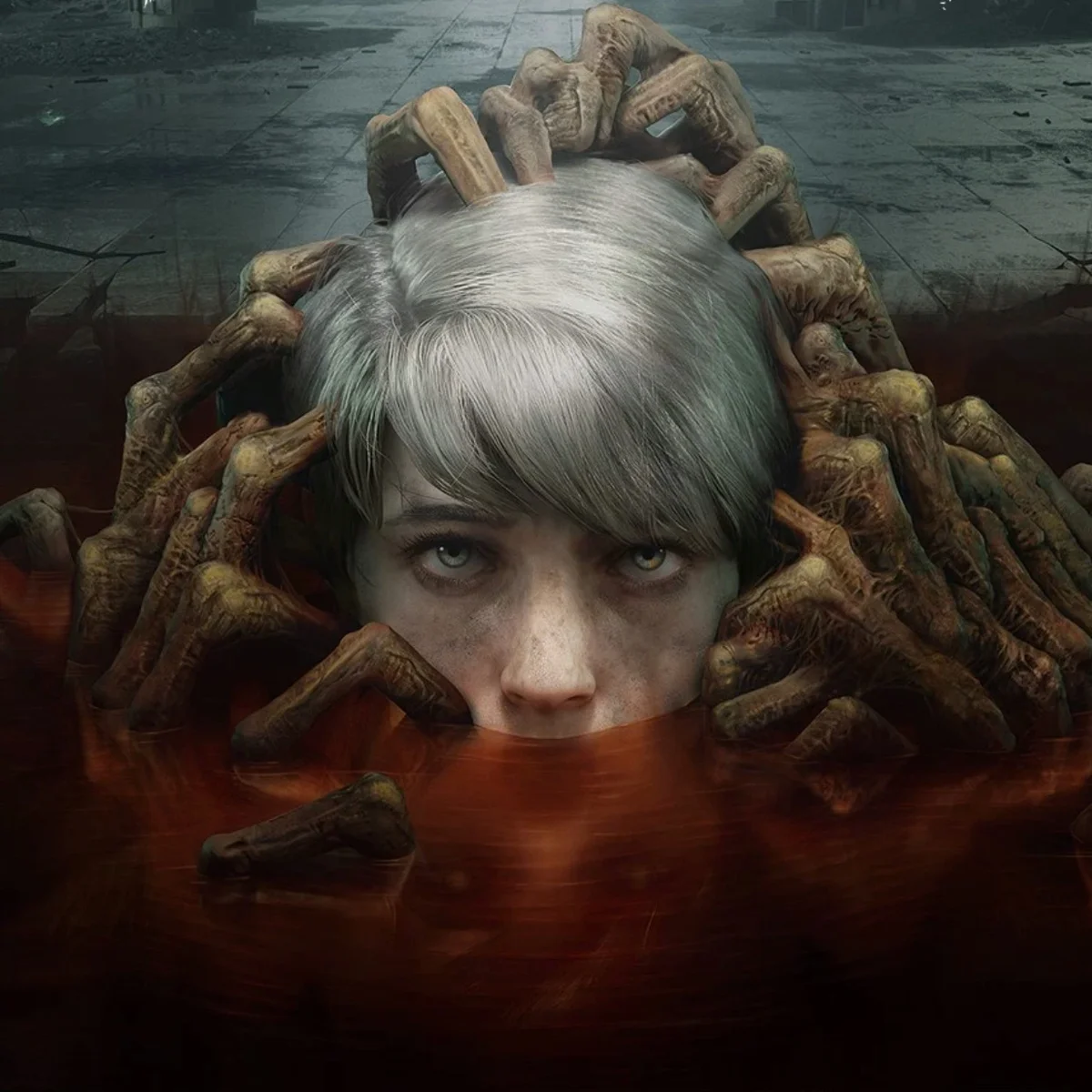
The Medium lets you experience two worlds at once, the real world and a spirit world filled with dark secrets. You play Marianne, a medium who can interact with both realms simultaneously. As she investigates a mysterious murder, the story slowly reveals her own past and unresolved trauma. The horror comes not only from spirits and eerie environments but also from the emotional weight of Marianne’s journey.
The dual-reality gameplay enhances the narrative. You solve puzzles and uncover clues in one world while seeing the consequences in the other. This creates tension, emotional investment, and a deep sense of unease. The story blends grief, mystery, and supernatural horror, making it a memorable and thought-provoking experience that lingers long after the game ends.
12. Observer
- Platforms:PC, PS4, PS5, Xbox One, Xbox Series X/S, Nintendo Switch
- Narrative Archetype:Cyberpunk / Identity Horror
- Content warnings:body horror, graphic violence, psychological manipulation
Observer is set in a dark cyberpunk world where technology and human consciousness collide. You play as Detective Daniel Lazarski, a neural detective who can hack into people’s minds to solve crimes. The story explores the dark sides of memory, identity, and human suffering, creating psychological horror through both the plot and the mind-hacking gameplay.
The game’s visuals and sound design amplify its unsettling atmosphere. Twisted visions inside people’s minds, distorted memories, and the fear of losing your own sanity make the horror personal and immersive. Each case you investigate reveals deeper truths about society, technology, and the human psyche, leaving players thinking long after the story concludes.
13. Mouthwashing
- Platforms:PC
- Narrative Archetype:Body Horror / Existential Dread
- Content warnings:graphic body horror, violence, disturbing imagery
Mouthwashing is a disturbing indie horror experience that explores the consequences of guilt, obsession, and human flaws. You follow a character trapped in a world of surreal, grotesque imagery that reflects their inner turmoil. The story is unsettling because it makes players confront uncomfortable ideas about the human body and morality.
The gameplay reinforces the narrative. Every environment and encounter feels symbolic, representing guilt, shame, and existential dread. The combination of body horror, emotional weight, and narrative symbolism makes Mouthwashing a game that sticks with you mentally and emotionally, creating a lasting psychological impact beyond traditional scares.
14. The Cat Lady
- Platforms:PC, Mac
- Narrative Archetype:Trauma & Mental Health Horror
- Content warnings:suicide, self-harm, psychological distress, violence
The Cat Lady tells a story of depression, suicide, and redemption through the eyes of Susan, a woman on the edge of despair. After a near-death experience, she navigates a dark and surreal world, meeting other troubled souls and facing grotesque manifestations of her fears. The story’s horror comes from Susan’s struggles and the way her mental state shapes the world around her.
The game explores themes of loneliness, guilt, and resilience. Its art style and unsettling soundtrack amplify the emotional tension, while dialogue and encounters provide insight into mental health challenges. Players feel both empathy and unease, making the horror more about human experience than just jump scares.
15. Who’s Lila
- Platforms:PC, Mac
- Narrative Archetype:Memory & Reality Horror
- Content warnings:psychological distress, anxiety, disturbing events
Who’s Lila is a short, indie horror game that focuses on memory and perception. You play a character who wakes up in a strange place, unsure of what is real and who Lila really is. The story unravels through fragmented memories and surreal events, creating a sense of confusion and tension.
The gameplay mirrors the narrative. Puzzles and exploration force you to question your own assumptions while uncovering the character’s story. The horror is subtle but effective, building unease through uncertainty, distorted reality, and emotional vulnerability. The experience is haunting and makes players think about identity and memory long after finishing the game.
16. Milk Inside A Bag Of Milk Inside A Bag Of Milk
- Platforms:PC
- Narrative Archetype:Existential Horror / Mental Health Horror
- Content warnings:anxiety, depression, self-harm, disturbing imagery
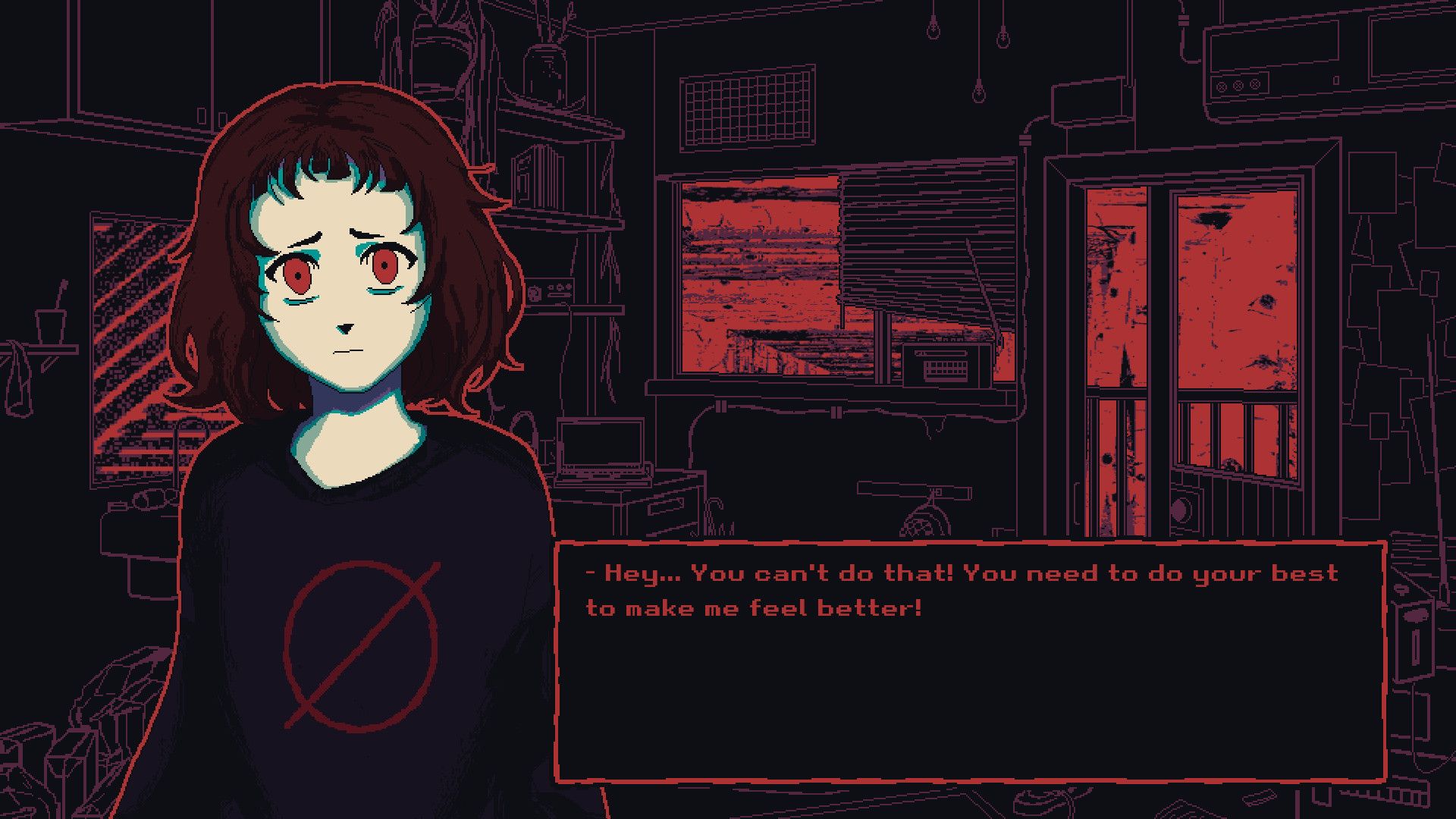
This indie psychological horror game is about a young girl dealing with extreme anxiety and existential dread. The story focuses on her mundane life, which is slowly revealed to be overwhelming and oppressive. The horror comes from how ordinary tasks and thoughts are portrayed as emotionally and mentally terrifying.
The minimalist graphics and repetitive, tense gameplay reflect the character’s mental state. Each action you take amplifies anxiety and forces you to empathise with her struggles. The game’s narrative is subtle but powerful, making players reflect on mental health and the weight of everyday existence.
17. Detention
- Platforms:PC, Mac, PS4, PS5, Xbox One, Xbox Series X/S, Nintendo Switch
- Narrative Archetype:Cultural Horror / Political Oppression
- Content warnings:violence, imprisonment, psychological distress, cultural trauma
Detention is set in 1960s Taiwan during martial law, blending horror with historical and cultural themes. You play as students trapped in a school where supernatural events reflect societal oppression. The story combines folklore, political tension, and personal fear, creating a unique psychological horror experience grounded in history.
The game’s atmosphere and visuals enhance the tension. Dark hallways, ghostly figures, and haunting sound design immerse you in the oppressive world. Each story element reflects fear, guilt, and societal pressure, making the horror meaningful and emotionally impactful.
18. Fran Bow
- Platforms:PC, Mac, Linux, PS4, Xbox One, Nintendo Switch
- Narrative Archetype:Trauma & Madness Horror
- Content warnings:child abuse, mental illness, psychological trauma, gore
Fran Bow tells the story of a young girl struggling with mental illness after witnessing her parents’ murder. You explore surreal environments, puzzles, and disturbing scenarios that mirror Fran’s inner struggles. The story blends horror, tragedy, and dark humour to create an unsettling yet engaging experience.
The game’s visuals and narrative emphasise Fran’s isolation and vulnerability. Symbolism, unsettling imagery, and interactive storytelling make players feel her fear, confusion, and grief. The emotional and psychological depth elevates it beyond traditional horror, leaving a lasting impression of trauma and resilience.
19. I Have No Mouth, And I Must Scream
- Platforms:PC, Mac
- Narrative Archetype:Existential / AI Horror
- Content warnings:extreme violence, psychological torture, existential dread
Based on Harlan Ellison’s story, this game is about a malevolent AI torturing the last humans on Earth. Each character faces personalised psychological horrors that reflect their fears, guilt, and regrets. The narrative is dark, intense, and emotionally draining, showing how despair and manipulation can be terrifying.
The gameplay complements the story with choices that shape each character’s fate. The AI’s cruelty, combined with moral dilemmas, forces players to reflect on human flaws and survival. The horror is both intellectual and emotional, leaving players haunted by the characters’ suffering and ethical challenges.
20. Rule Of Rose
- Platforms:PS2, PS3
- Narrative Archetype:Psychological / Trauma Horror
- Content warnings:child abuse, sexual themes, psychological trauma, violence
Rule of Rose is a disturbing psychological horror game set in 1930s England. You play as Jennifer, a young girl navigating a mansion controlled by children with cruel rules. The story explores themes of trauma, abuse, and social cruelty, making the horror deeply emotional and unsettling.
The narrative is supported by haunting music, eerie visuals, and complex characters. Each encounter and environment reflects Jennifer’s fears and emotional state. The game’s horror comes from human cruelty and vulnerability rather than monsters, creating a story that is psychologically engaging and unforgettable.
21. Eternal Darkness: Sanity’s Requiem
- Platforms:GameCube, Wii (backward compatibility)
- Narrative Archetype:Madness / Cosmic Horror
- Content warnings:violence, psychological distress, supernatural horror, gore
Eternal Darkness: Sanity’s Requiem is a psychological horror game that plays with both story and player perception. You follow multiple characters across different timelines as they battle an ancient evil. The game explores themes of insanity, forbidden knowledge, and cosmic horror, making the narrative complex but captivating.
The sanity mechanic adds tension and immersion. As characters witness horrific events, the game distorts visuals, sounds, and even the player interface, creating disorientation and fear. The story cleverly blends historical mystery, supernatural threats, and psychological torment, making it one of the most memorable horror experiences in gaming history.
22. Cry Of Fear
- Platforms:PC
- Narrative Archetype:Survival / Psychological Trauma
- Content warnings:violence, body horror, mental illness, gore
Cry of Fear follows Simon, a young man navigating a city filled with monsters and twisted realities. The story deals with depression, isolation, and the human mind under extreme stress. The horror emerges not just from monsters but also from Simon’s deteriorating mental state.
The game mixes first-person exploration with survival horror elements. The dark urban environments, unpredictable enemies, and narrative revelations create suspense and emotional engagement. Its story examines personal trauma and fear in a realistic way, leaving players unsettled and reflective about mental health.
23. Pathologic 2
- Platforms:PC, PS4, PS5, Xbox One, Xbox Series X/S
- Narrative Archetype:Existential / Epidemic Horror
- Content warnings:disease, psychological distress, violence, moral dilemmas
Pathologic 2 is an intense psychological horror game set in a town struck by a deadly plague. You play as a healer trying to save lives while facing moral dilemmas and the town’s strange, oppressive atmosphere. The story explores human fear, societal collapse, and the limits of empathy under extreme circumstances.
The game’s day-night cycles, survival mechanics, and open-ended choices amplify the tension. Every interaction has consequences, and the story’s unfolding emphasises despair, responsibility, and personal struggle. The narrative combines survival horror, psychological dread, and philosophical reflection, making it hauntingly memorable.
24. Silent Hill F
- Platforms:PS1, PS2
- Narrative Archetype:Guilt / Psychological Horror
- Content warnings:violence, sexual themes, body horror, psychological trauma
Silent Hill f continues the series’ legacy of mixing emotional storytelling with psychological horror. Players navigate foggy streets and twisted dimensions while uncovering a story of guilt, repression, and personal trauma. The monsters and environments represent inner fears and unresolved guilt, making the horror psychological rather than just physical.
The game emphasises atmosphere and narrative symbolism. Puzzles, cryptic messages, and character interactions force players to reflect on moral choices and human frailty. Its story-driven approach creates fear through tension, suspense, and emotional weight, cementing its place in psychological horror history.
25. Still Wakes The Deep
- Platforms:PC
- Narrative Archetype:Existential / Cosmic Horror
- Content warnings:violence, psychological stress, disturbing imagery
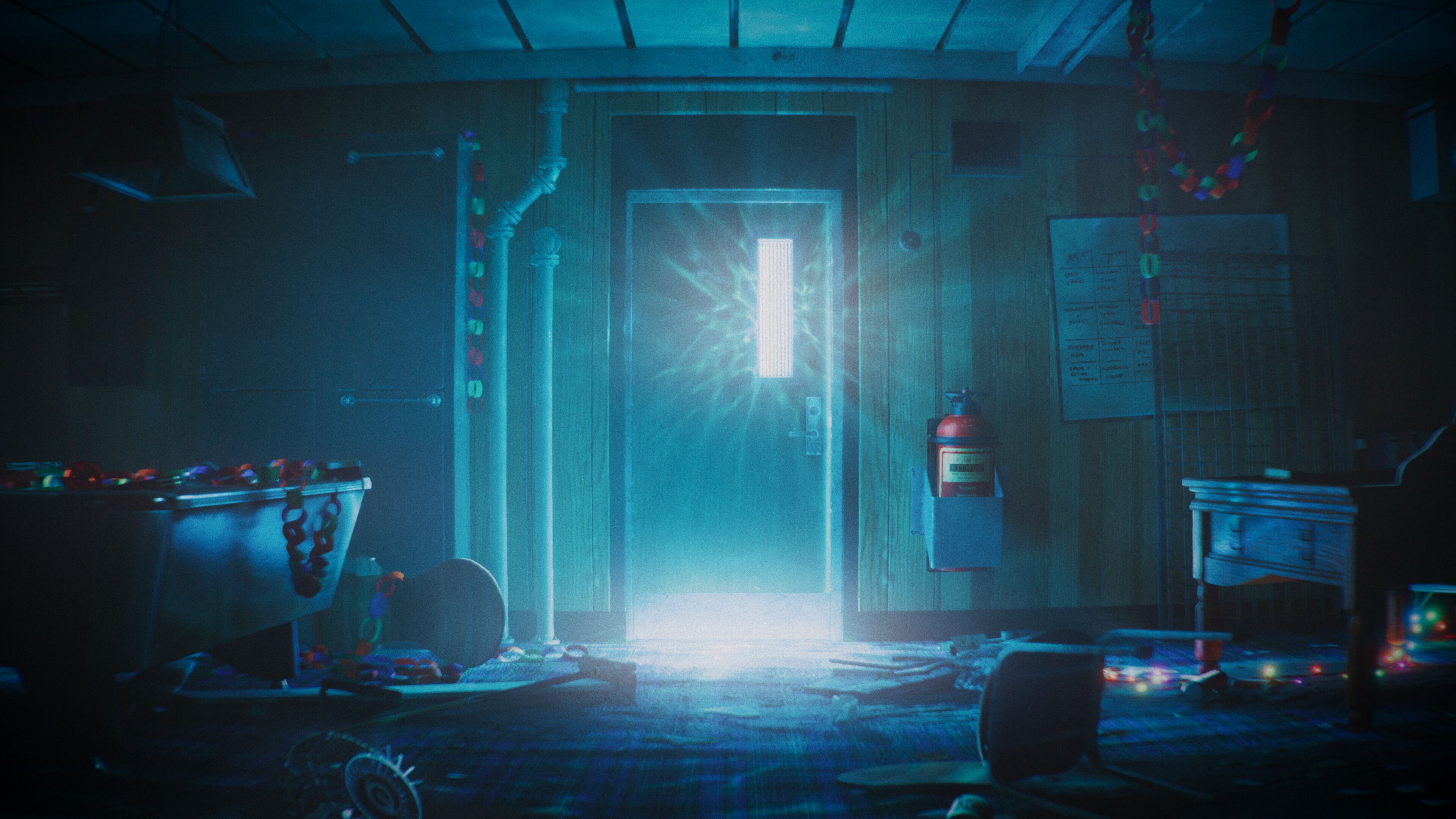
Still Wakes the Deep is a psychological horror game inspired by cosmic horror and deep-sea mythology. You explore a mysterious underwater research station filled with strange creatures and unexplainable phenomena. The story conveys fear through isolation, the unknown, and the fragile human psyche.
The game combines exploration, puzzle-solving, and survival mechanics to immerse players in tension. Every encounter reinforces the narrative’s existential themes, making the horror feel both intellectual and visceral. Its emphasis on atmosphere and human vulnerability ensures the story lingers in the mind long after the play.
26. Indika
- Platforms:PC, Mac
- Narrative Archetype:Psychological / Body Horror
- Content warnings:gore, psychological distress, surreal horror
Indika follows the protagonist through a surreal, grotesque world where personal fears and anxieties manifest physically. The story explores themes of identity, trauma, and the fragility of the human mind. The horror is deeply psychological, using both visuals and narrative to evoke unease.
Gameplay mechanics, environmental storytelling, and puzzles reinforce the narrative’s intensity. The unsettling imagery and symbolic environments make players confront discomfort and dread, creating a strong emotional and mental impact. The game blurs the line between reality and hallucination for maximum psychological effect.
27. Fear The Spotlight
- Platforms:PC
- Narrative Archetype:Performance / Reality Horror
- Content warnings:violence, psychological distress, anxiety triggers
Fear the Spotlight revolves around a performer trapped in a theatre where the line between reality and hallucination blurs. The story examines fear, self-doubt, and public scrutiny, turning psychological tension into the central element of horror.
The game uses lighting, sound, and audience reactions to heighten anxiety. Choices and actions affect both the protagonist and narrative outcome, creating an immersive psychological experience. The story’s focus on human vulnerability and mental strain makes the horror personal and memorable.
28. Love Eternal
- Platforms:PC, Mac
- Narrative Archetype:Obsession / Psychological Horror
- Content warnings:psychological manipulation, disturbing imagery, emotional trauma
Love Eternal explores the consequences of obsession, love, and unhealthy relationships. You follow characters whose emotions spiral into fear, guilt, and mistrust. The horror comes from the mental and emotional impact rather than monsters or gore.
The game’s narrative is enhanced through interactive choices and character-focused storytelling. Dialogue, environmental cues, and tense situations make players feel the characters’ paranoia and desperation. This psychological depth ensures the story is haunting and emotionally resonant.
29. The Evil Within 2
- Platforms:PC, PS4, PS5, Xbox One, Xbox Series X/S
- Narrative Archetype:Survival / Trauma Horror
- Content warnings:violence, gore, psychological distress, body horror
The Evil Within 2continues the story of Sebastian Castellanos as he navigates a distorted, nightmarish world filled with horrific creatures and psychological traps. The story combines survival horror with personal trauma, exploring grief, loss, and the human mind under stress.
The game blends combat, exploration, and puzzle-solving with story-driven horror. Environments, enemy design, and narrative pacing reinforce fear and tension. The psychological and emotional stakes elevate the story, making the horror both thrilling and haunting.
30. Spec Ops: The Line
- Platforms:PC, PS3, Xbox 360
- Narrative Archetype:War / Psychological Horror
- Content warnings:extreme violence, moral dilemmas, psychological distress
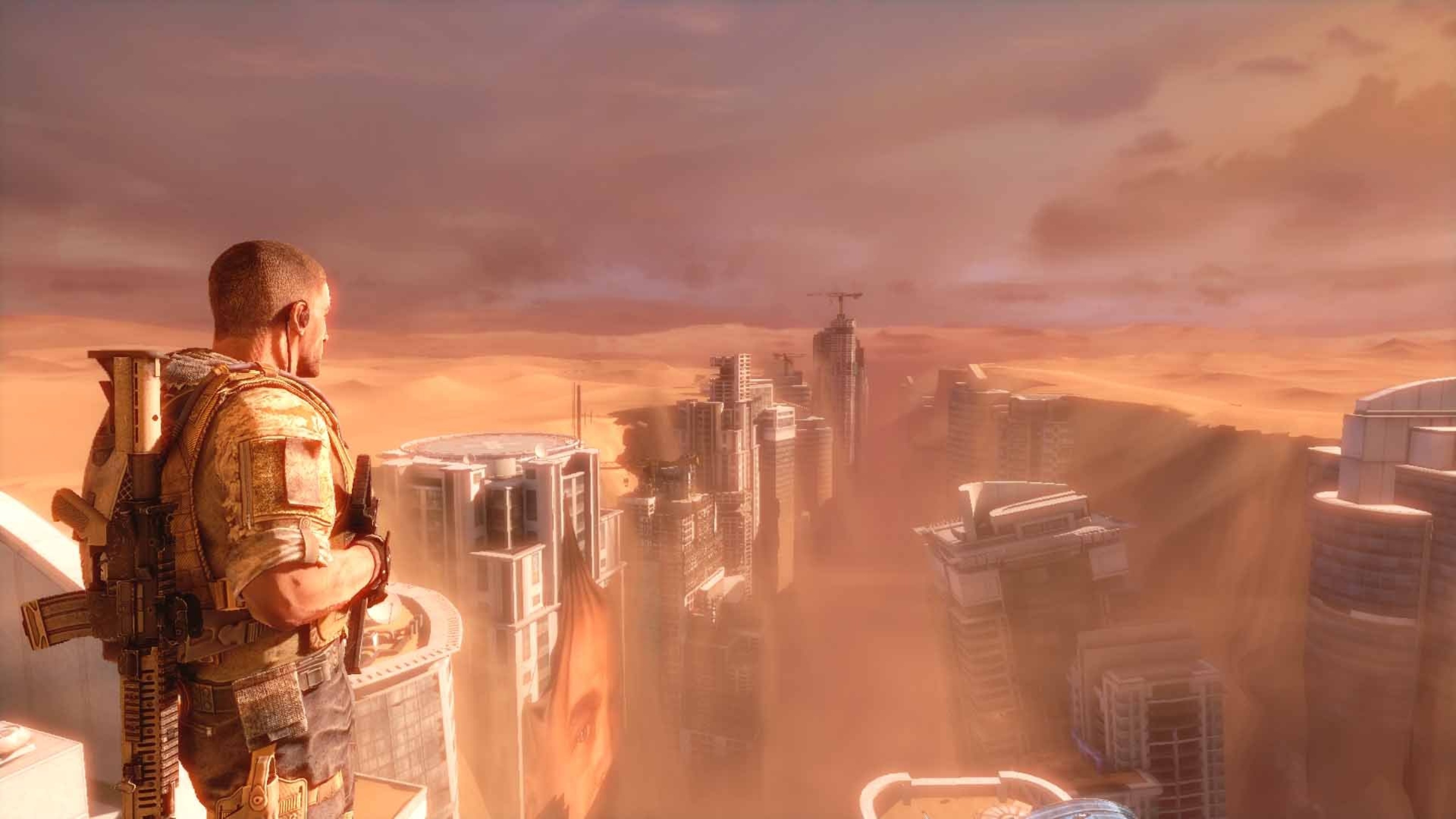
Spec Ops: The Line is a military shooter that subverts traditional gameplay by focusing on the psychological consequences of war. You follow Captain Walker as he makes morally ambiguous decisions that lead to guilt, trauma, and horror. The story forces players to confront the human cost of violence and their own actions.
The game uses intense narrative choices, cinematics, and morally complex situations to immerse players in psychological tension. The horror arises from human decisions and ethical dilemmas, making it a deeply reflective and emotionally charged experience.
Different Types Of Psychological Horror Storytelling
Not all psychological horror games tell stories the same way. Understanding these narrative styles can help you choose the experience that fits your taste.
Trauma And Guilt Narratives
Many psychological horror stories revolve around characters confronting painful memories. Examples include:
- Silent Hill 2
- Devotion
- The Medium
These stories explore emotional consequences rather than external threats.
Reality-Bending Psychological Mysteries
Some games build horror through uncertainty about what is real. Examples include:
- Layers of Fear
- Alan Wake
- Observer
Players constantly question whether the environment reflects reality or the character’s mind.
Existential Horror Stories
These games explore philosophical questions about identity and existence. Examples include:
- SOMA
- Pathologic 2
Instead of traditional horror, the fear comes from confronting unsettling ideas.
How Psychological Horror Games Tell Stories Differently
Narrative Through Gameplay
Narrative design in psychological horror is unique because the gameplay itself becomes part of the storytelling. Unlike traditional games that rely on cutscenes, many psychological simulation gamesreveal the story through exploration and player interaction.
Unreliable Narrators And Player Interpretation
Many psychological horror games use protagonists who cannot fully trust their own perception. This unreliable narration creates tension, as players must interpret events for themselves. The result is a story that feels mysterious, engaging, and deeply personal.
Symbolism And Subtext
Symbolism and subtext are key tools in these games. Distorted creatures often represent guilt, while shifting environments may reflect trauma or emotional struggles. Understanding these symbols adds another layer of depth to the narrative, making the experience more haunting.
Expert Insight On Storytelling
The most effective psychological horror stories avoid explaining everything directly. When players interpret the meaning themselves, the story lingers longer in their minds, creating a truly immersive and unsettling experience.
How To Choose The Right Psychological Horror Game For You
- Consider the Narrative Type:Different games explore different emotions, like guilt, grief, existential dread, or trauma. Choose a story that resonates with you. Grief-focused games deal with loss, while reality-bending or meta-horror games challenge your perception.
- Check Platforms and Accessibility:Some games are exclusive to PC, PlayStation, Xbox, or Switch. Make sure the game runs on your device and fits your preferred control style. If you are playing cloud-based titles or online horror experiences, remember to lower your ping on WiFito prevent lag from breaking your immersion.
- Pay Attention to Content Warnings:Psychological horror often includes disturbing themes. Look for warnings about extreme violence, body horror, mental health triggers, or graphic imagery to avoid games that might be too intense.
- Match Scare Level to Your Comfort:Games vary in intensity. Some build slow, creeping tension, while others rely on fast jump scares. Pick a game that matches your comfort level with fear.
- Look for Story Depth:The best psychological horror games blend gameplay with deep storytelling. Many indie gems on this list grew through strong digital communities and creators who know how to get noticed. If you're building your own gaming blog to share these discoveries, using a reliable SEO pluginis the best way to ensure your reviews reach the right audience.
- Read Reviews and Player Feedback:Other players can give insight into how immersive the story is, how well the horror works, and whether the game delivers a meaningful experience.
People Also Ask
What Are The Best Psychological Horror Games With A Good Story?
The best psychological horror games with strong stories combine narrative depth with meaningful fear, including titles like Silent Hill 2, SOMA, Omori, Hellblade: Senua’s Sacrifice, and Alan Wake 2.
Is Horror Bad For Mental Health?
People who are sensitive to anxiety are more likely to be negatively affected by watching horror movies. The tendency to fear intrusive thoughts and images can be triggered and increase anxiety or panic levels. Watching scary images can lead to unwanted thoughts and feelings.
Are Psychological Horror Games Scarier Than Jump‑scare Games?
They can feel scarier for some players because the fear comes from unease, emotional tension, and thought‑provoking themes rather than sudden scares alone.
What Are Some Psychological Horror Games Available On PC?
Top story‑driven psychological horror games on PC include SOMA, Amnesia: The Dark Descent, Visage, Detention, and Observer.
Are Indie Psychological Horror Games Good For Storytelling?
Yes. Indies like Signalis, Mouthwashing, and Milk Inside a Bag of Milk Inside a Bag of Milk are praised for creative narratives and emotional depth.
What Makes Psychological Horror Games Feel Disturbing?
They often explore themes like identity, trauma, memory, existential dread, and unreliable reality, creating fear that sticks with you.
Final Thoughts
Psychological horror games stay with you in a way most games don’t. They are not just about fear in the moment; they are about the thoughts and emotions that follow long after playing. The best ones combine strong storytelling, meaningful themes, and immersive gameplay to create experiences that feel personal and unforgettable.
For fans of stories about grief, identity, trauma, or reality itself, these games offer moments that challenge your mind and leave a lasting impression.