Josephine Baker - A Trailblazer In Entertainment And Civil Rights
Explore the extraordinary life of Josephine Baker, a trailblazer in entertainment and civil rights. Discover her contributions, challenges, and enduring legacy in this comprehensive article.
Jan 19, 2024
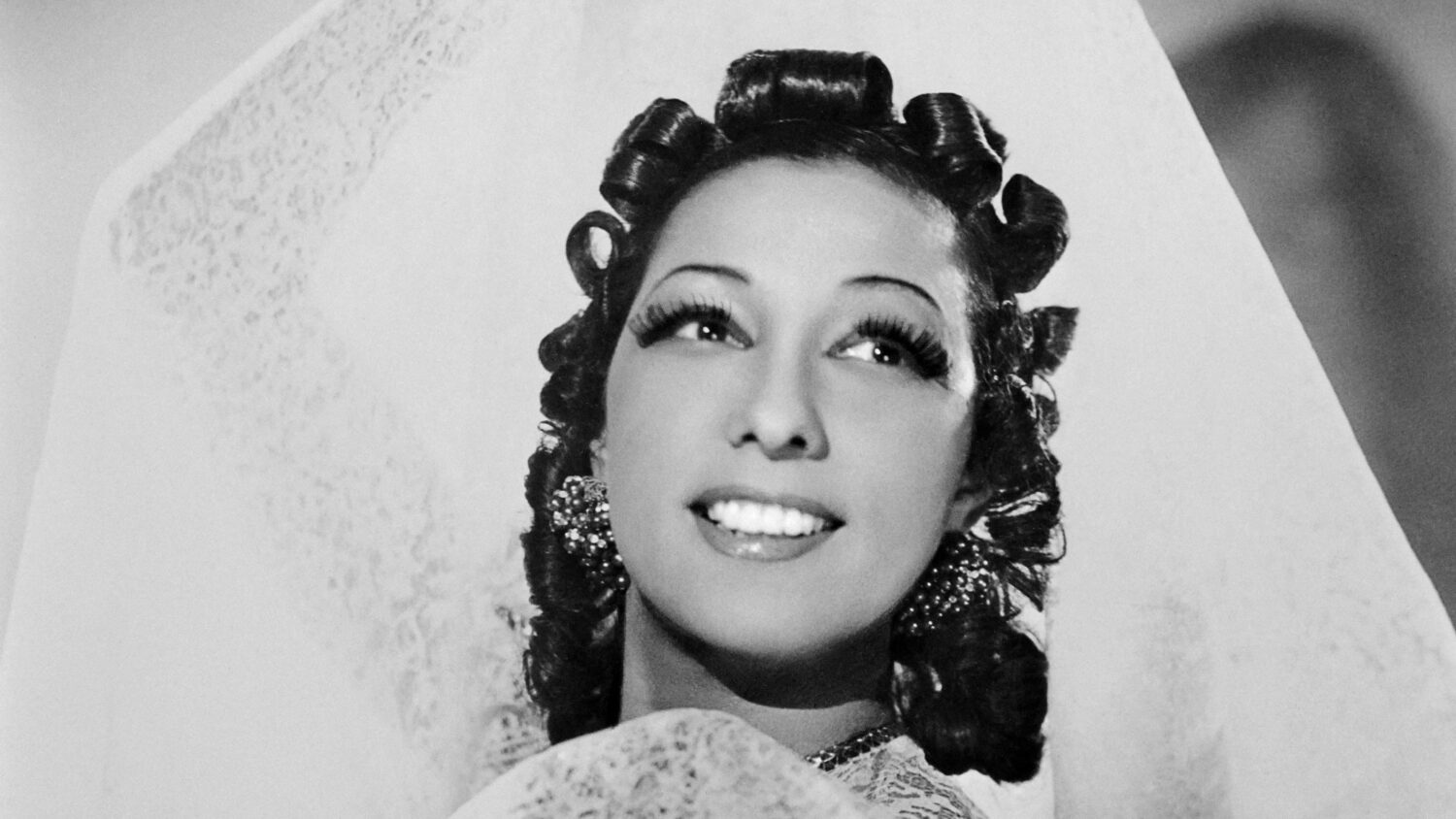
Josephine Baker, born Freda Josephine McDonald on June 3, 1906, in St. Louis, Missouri, was a woman of many talents and accomplishments. An entertainer, activist, and spy, Baker broke racial barriers and became a global icon. This article delves into her extraordinary life, her contributions to entertainmentand civil rights, and her enduring legacy.
Early Life And Career Beginnings
Josephine Baker's early life was marked by hardship and resilience. Born into poverty, she faced racial discrimination and economic struggles. Despite these challenges, Baker discovered her love for performance at a young age. She began dancing on the streets of St. Louis to make ends meet, and her talent quickly became apparent.
Rise To Fame
At the age of 15, Baker joined a vaudeville troupe, which eventually led her to New York City during the Harlem Renaissance. Her unique style and captivating presence earned her a role in the chorus line of the groundbreaking musical revue "Shuffle Along" in 1921. This show was one of the first on Broadway to feature an all-Black cast, and it paved the way for Baker's future success.
In 1925, Baker moved to Paris, where she found unparalleled success and freedom. She performed at the Théâtre des Champs-Élysées and later at the Folies Bergère, captivating audiences with her exotic dances, comedic acts, and daring costumes. Her iconic "banana dance," performed wearing a skirt made of artificial bananas, became a symbol of her provocative and playful style.
Breaking Racial Barriers
Josephine Baker was not only a talented entertainer but also a trailblazer in breaking racial barriers. In the United States, Black performers often faced segregation and limited opportunities. However, in France, Baker was celebrated as a star. Her success in Europe challenged the prevailing racial prejudices and showcased the universality of her talent.
Fighting For Equality
Baker's fame gave her a platform to advocate for civil rights. She was outspoken against racism and segregation, using her influence to fight for equality. During World War II, she joined the French Resistance and used her status to gather intelligence for the Allies. Baker's contributions to the war effort earned her the Croix de Guerre and the Legion of Honor, two of France's highest military honors.
After the war, Baker continued her fight for civil rights. She refused to perform for segregated audiences in the United States and was active in the Civil Rights Movement. In 1963, she was the only woman to speak at the March on Washington, where she delivered a powerful speech alongside Martin Luther King Jr.
Personal Life And Adoption Of The "Rainbow Tribe"
Josephine Baker's personal life was as colorful as her career. She was married several times and adopted 12 children from different ethnic backgrounds, calling them her "Rainbow Tribe." Baker wanted to demonstrate that people of different races could live together harmoniously, embodying her vision of a world without prejudice.
Financial Struggles And Resilience
Despite her fame, Baker faced financial difficulties throughout her life. She invested much of her wealth in her estate, Château des Milandes, and her adopted children. Financial troubles forced her to leave her beloved château in the 1960s, but Baker's resilience never wavered. She continued to perform and advocate for equality until her death.
Later Years And Legacy
In her later years, Josephine Baker remained an active performer and civil rights advocate. She returned to the stage in the 1970s, receiving acclaim for her performances. In 1975, she celebrated her 50th anniversary in show business with a series of concerts in Paris, which were attended by celebrities and dignitaries from around the world.
Death And Honors
Josephine Baker passed away on April 12, 1975, at the age of 68. She received a full military funeral in France, an honor rarely bestowed upon women and foreign nationals. Baker's legacy continues to inspire generations of entertainers and activists. Her contributions to the arts and civil rights have left an indelible mark on history.
Enduring Influence
Josephine Baker's influence extends beyond her lifetime. She paved the way for Black artists in the entertainment industry and used her platform to champion social justice. Baker's life story is a testament to the power of resilience, talent, and the pursuit of equality.
Frequently Asked Questions (FAQs)
What Made Josephine Baker A Unique Performer?
Josephine Baker was known for her unique blend of exotic dance, comedy, and provocative costumes. Her performances were a mix of African rhythms and European styles, which captivated audiences worldwide. Baker's fearless and playful approach to performance made her stand out in the entertainment industry.
How Did Josephine Baker Contribute To The Civil Rights Movement?
Josephine Baker was an active advocate for civil rights. She refused to perform for segregated audiences in the United States, participated in the March on Washington, and delivered speeches alongside prominent civil rights leaders like Martin Luther King Jr. Baker's efforts helped raise awareness and promote equality.
What Was The "Rainbow Tribe"?
The "Rainbow Tribe" was Josephine Baker's family of 12 adopted children from different ethnic backgrounds. Baker adopted these children to demonstrate that people of different races could live together harmoniously. Her vision was to create a world without prejudice, and her family was a living example of this belief.
How Did Josephine Baker Contribute To World War II Efforts?
During World War II, Josephine Baker joined the French Resistance and used her celebritystatus to gather intelligence for the Allies. She smuggled secret messages in her sheet music and used her performances as a cover to meet with spies. Her contributions earned her prestigious military honors from the French government.
What Challenges Did Josephine Baker Face In Her Career?
Josephine Baker faced numerous challenges, including racial discrimination, financial difficulties, and personal struggles. Despite these obstacles, she persevered and became a global icon. Baker's resilience and determination allowed her to break barriers and achieve success in the entertainment industry and beyond.
Conclusion
Josephine Baker's life was a remarkable journey of talent, courage, and advocacy. From her humble beginnings in St. Louis to her international stardom, Baker used her platform to entertain and fight for equality. Her contributions to the arts and civil rights continue to inspire and resonate with people around the world. Josephine Baker's legacy is a testament to the power of resilience, determination, and the pursuit of a more just and inclusive society.