Henry Olonga - From Cricket Legend To Inspirational Figure
Discover the inspiring story of Henry Olonga, from his cricket career to his courageous stand against political oppression and his journey as a musician and motivational speaker.
Jul 12, 2024
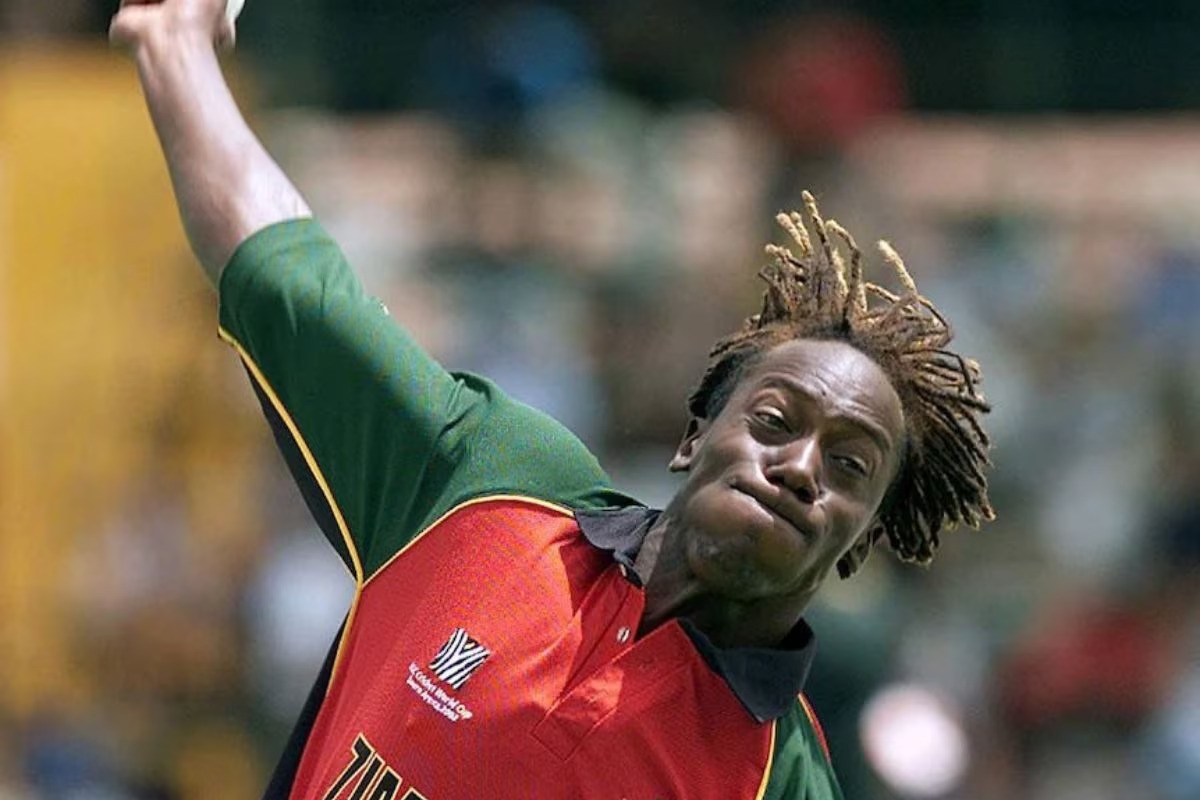
Henry Olongais a name that resonates with cricket enthusiasts and human rights activists alike. Known for his remarkable career in cricket and his courageous stance against political oppression in Zimbabwe, Olonga's story is one of talent, bravery, and transformation. This article delves into the life and legacy of Henry Olonga, exploring his cricket career, activism, and subsequent journey as a singer and motivational speaker.
Early Life And Cricket Career
Childhood And Introduction To Cricket
Henry Olonga was born on July 3, 1976, in Lusaka, Zambia, but grew up in Bulawayo, Zimbabwe. From a young age, Olonga exhibited a natural talent for sports, particularly cricket.
His early interest in the game was nurtured by his family, and he quickly rose through the ranks of school and club cricket. Olonga's raw pace and athleticism set him apart, and he was soon recognized as one of the most promising young fast bowlers in Zimbabwe.
Rise To International Cricket
Olonga made his debut for the Zimbabwean national cricket team in January 1995 at the age of 18, becoming the first black cricketer to represent Zimbabwe. His debut was notable for his raw speed and ability to generate bounce, which made him a formidable opponent.
Over the next few years, Olonga cemented his place in the team, contributing significantly to Zimbabwe's performances on the international stage. His memorable performances, including his role in Zimbabwe's historic victory over India in the 1999 World Cup, earned him widespread acclaim and respect.
Activism And Political Stance
The Black Armband Protest
Henry Olonga's career took a dramatic turn during the 2003 Cricket World Cup. Alongside his teammate Andy Flower, Olonga wore a black armband during a match against Namibia to protest the "death of democracy" in Zimbabwe under President Robert Mugabe's regime.
This act of defiance was a powerful statement against human rights abuses and political repression in Zimbabwe. The protest drew international attention and widespread support but also placed Olonga in grave danger.
Consequences And Exile
Following the protest, Olonga faced severe backlash from the Zimbabwean government and cricket authorities. He was forced to flee the country, leaving behind his career and life as he knew it.
Olonga sought asylum in England, where he began a new chapter in his life. Despite the personal cost, his actions highlighted the plight of millions of Zimbabweans and underscored the power of sports as a platform for social and political change.
Transition To A New Life
Pursuit Of Music
In exile, Henry Olonga reinvented himself, pursuing a career in music. His passion for singing, which had always been a part of his life, became a new avenue for expression. Olonga released several albums, showcasing his vocal talent and versatility. His music, often reflective of his experiences and beliefs, resonated with audiences and allowed him to connect with people on a different level.
Motivational Speaking And Writing
Olonga's journey from cricketer to activist and musician also led him to motivational speaking and writing. He authored an autobiography, "Blood, Sweat, and Treason," in which he detailed his life story, the challenges he faced, and the reasons behind his brave protest. Olonga's speeches and writings have inspired many, offering insights into resilience, courage, and the pursuit of justice.
Legacy And Impact
Influence On Sports And Activism
Henry Olonga's legacy extends beyond his achievements on the cricket field. His courageous stand against oppression has inspired athletes and activists worldwide. Olonga demonstrated that sports can be a powerful vehicle for change, and his actions have encouraged others to use their platforms to advocate for human rights and social justice.
Continuing Advocacy
Today, Henry Olonga continues to be a vocal advocate for human rights and democracy. He uses his public presence to raise awareness about issues in Zimbabwe and other parts of the world. Olonga's commitment to advocacy and his ongoing efforts to promote positive change serve as a testament to his character and dedication.
FAQs
What Motivated Henry Olonga To Protest During The 2003 Cricket World Cup?
Henry Olonga was motivated by his deep concern for the state of democracy and human rights in Zimbabwe under President Robert Mugabe's regime. His decision to wear a black armband was a symbolic act of mourning the "death of democracy" and a call to international attention.
How Did Henry Olonga's Protest Impact His Cricket Career?
Olonga's protest had a profound impact on his career. He faced severe backlash from the Zimbabwean government and cricket authorities, leading to his exile. He was forced to leave Zimbabwe and his cricket career behind, seeking asylum in England.
What Has Henry Olonga Achieved In His Music Career?
In his music career, Henry Olonga has released several albums showcasing his vocal talent. His music often reflects his personal experiences and beliefs, resonating with audiences and allowing him to connect with people on an emotional level.
How Has Henry Olonga Contributed To Human Rights Advocacy?
Henry Olonga continues to advocate for human rights and democracy through his public presence, speeches, and writings. His actions during the 2003 World Cup and his ongoing efforts to raise awareness about human rights issues have made a significant impact.
What Is The Significance Of Henry Olonga's Autobiography, "Blood, Sweat, And Treason"?
Olonga's autobiography, "Blood, Sweat, and Treason," provides an in-depth account of his life, including his cricket career, activism, and personal challenges. The book offers insights into his motivations and the reasons behind his brave protest, inspiring readers with his story of resilience and courage.
Conclusion
Henry Olonga's story is one of extraordinary talent, bravery, and transformation. From his early days as a pioneering black cricketer in Zimbabwe to his courageous protest against political oppression and subsequent career as a musician and motivational speaker, Olonga has continually demonstrated resilience and a commitment to justice. His legacy serves as a powerful reminder of the impact one individual can have on the world, inspiring others to stand up for their beliefs and strive for positive change.