14 Healthy Fat Sources To Boost Your Energy And Wellness
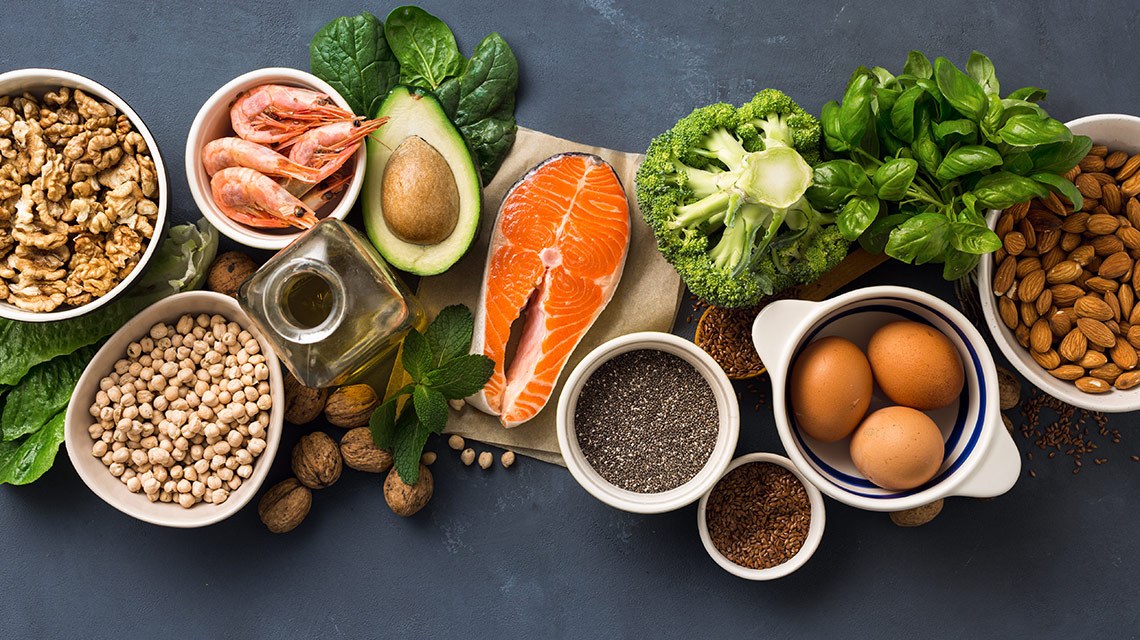
The importance of fats in a healthy diet cannot be overstated. Healthy fats can power your day, contribute to disease prevention, and elevate your meals from basic to exceptional. These fats promote satiety, so you feel fuller longer, reducing unnecessary snacking.
Aug 13, 2025
Although dietary fat was once widely avoided and blamed for contributing to heart disease, research now shows that many types of fat can provide significant health benefits. Full-fat foods, in particular, often surpass their reduced-fat or fat-free counterparts in nutritional value.
They are typically less processed and contain fewer added sugars and carbohydrates, making them a wholesome choice for a balanced diet. Here are 14 healthy fat sourcesthat are incredibly nutritious.
1. Fatty Fish

Fatty fish are an excellent source of unsaturated and omega-3 fatty acids, which play a crucial role in supporting heart and brain health. Adding two servings of fatty fish into your diet each week can provide substantial health benefits. A serving, equivalent to about three ounces of cooked fish, can come from fresh or canned options, making it accessible even for those with limited access to fresh produce.
Popular choices include tuna, salmon, mackerel, sardines, herring, and anchovies. For example, three ounces of fresh mackerel offer approximately 11.8 grams of fat and 15.8 grams of protein, making it a nutrient-dense option.
2. Chia Seeds
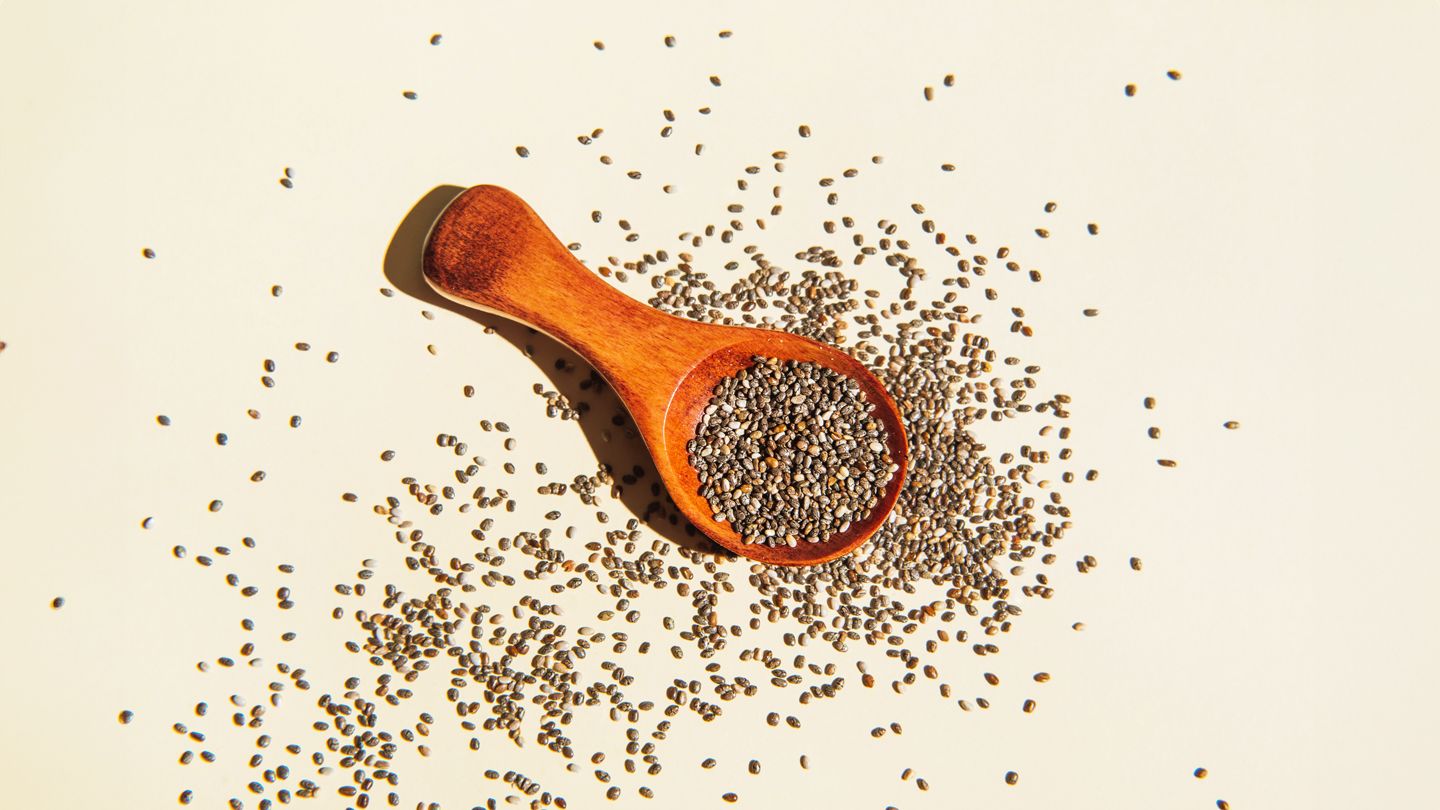
Chia seeds are tiny but incredibly nutrient-rich, making them a valuable addition to any diet. A single ounce of chia seeds provides 8.7 grams of fat, much of it in the form of beneficial polyunsaturated fats.
These seeds are also an excellent source of antioxidants, fiber, protein, iron, and calcium. Chia seeds are particularly prized in plant-based diets for their omega-3 fatty acid content, which supports overall health. As one of the best foods for gut health, chia seeds contribute to digestive wellness due to their high fiber content and hydrating properties.
3. Dark Chocolate

Dark chocolate, especially varieties with 70% to 85% cocoa content, is both a flavorful indulgence and a source of key nutrients. A one-ounce serving contains 12.1 grams of fat, including 6.95 grams of saturated fat, along with 64.6 milligrams of magnesium, potassium, and calcium.
It is also rich in flavonoid antioxidants, which may benefit brain function and cardiovascular health. While dark chocolate can be a healthy addition to your diet, moderation is essential due to its sugar and fat content.
4. Avocado
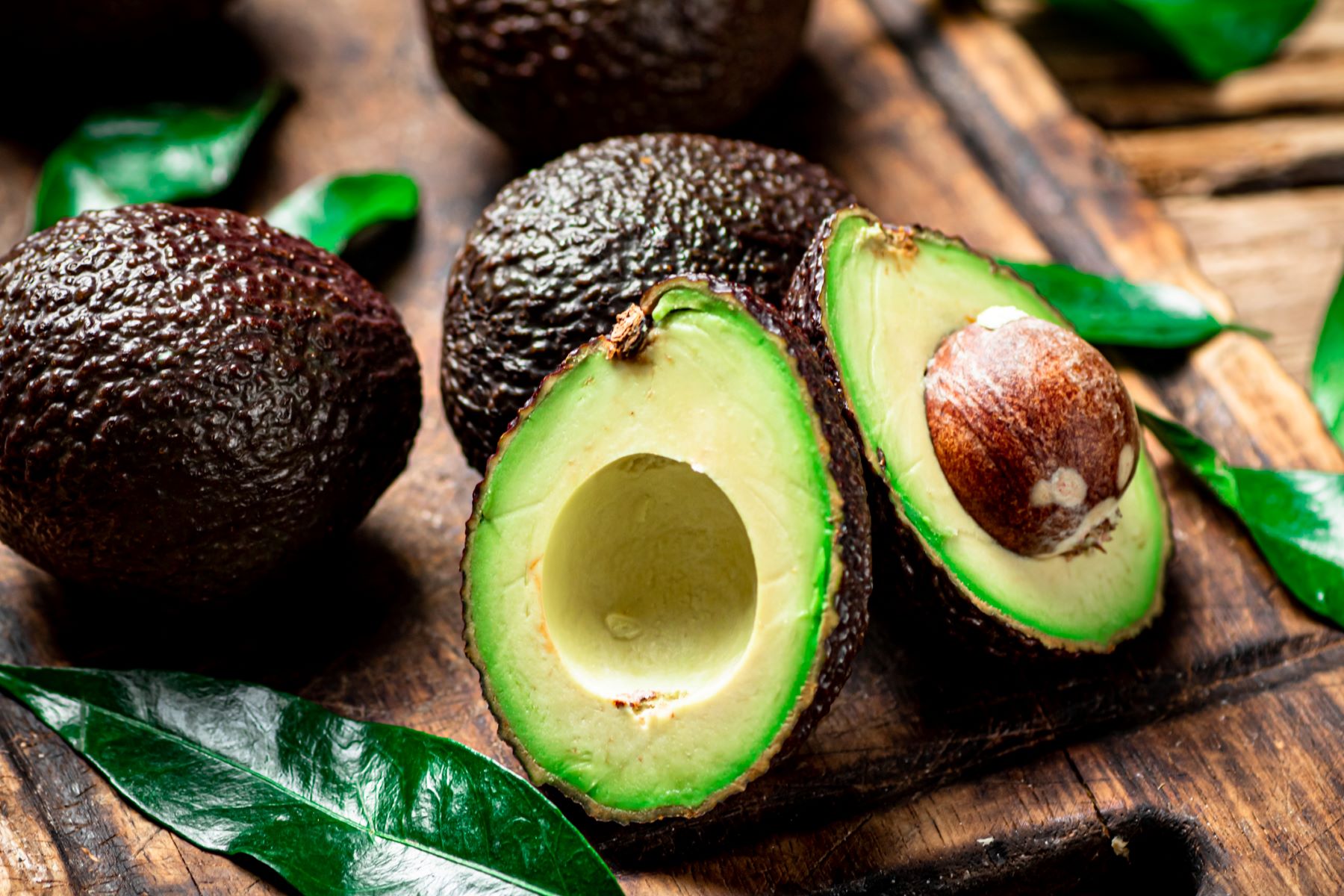
Avocados are a nutrient-dense fruit celebrated for their high content of monounsaturated fats, primarily oleic acid. This fatty acid is known for its anti-inflammatory properties and potential role in cancer prevention.
A 100-gram serving of avocado provides about 14.7 grams of fat, 6.7 grams of fiber, and 160 calories. Advocados are rich in lutein, which supports eye health, and potassium, an essential nutrient for maintaining healthy blood pressure.
5. Nuts
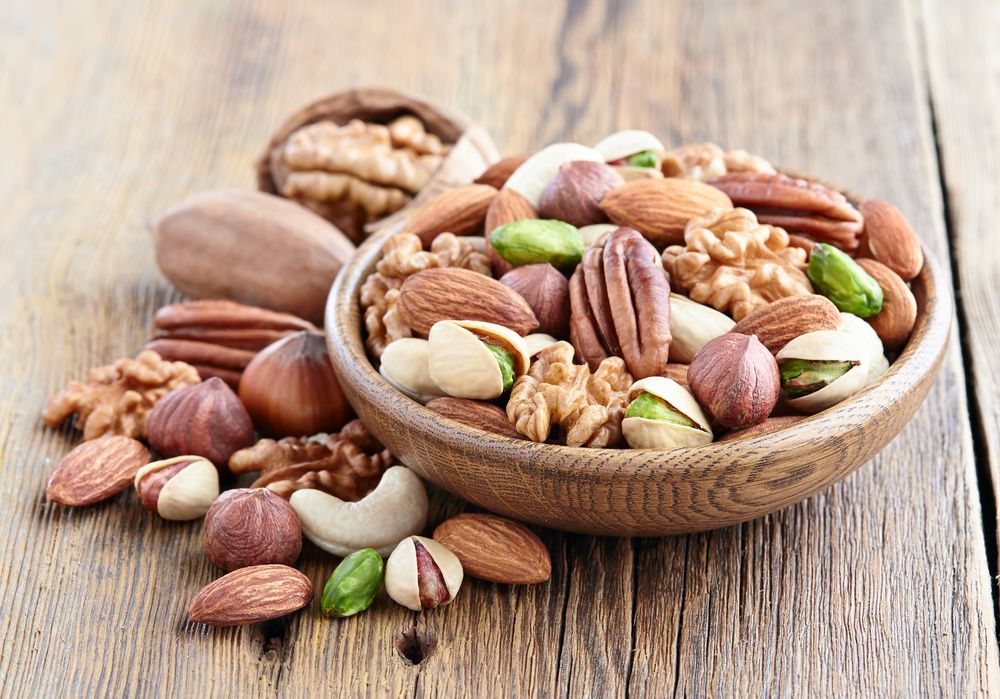
Nuts are a powerhouse of nutrition, offering healthful fats, protein, fiber, and essential vitamins and minerals. They also contain antioxidants and phytosterols, compounds that contribute to heart health and the prevention of chronic diseases.
Regular nut consumption has been associated with a lower risk of obesity and cardiovascular issues. Including a variety of unsalted nuts in your diet ensures a broad range of nutrients and health benefits.
6. Olive Oil
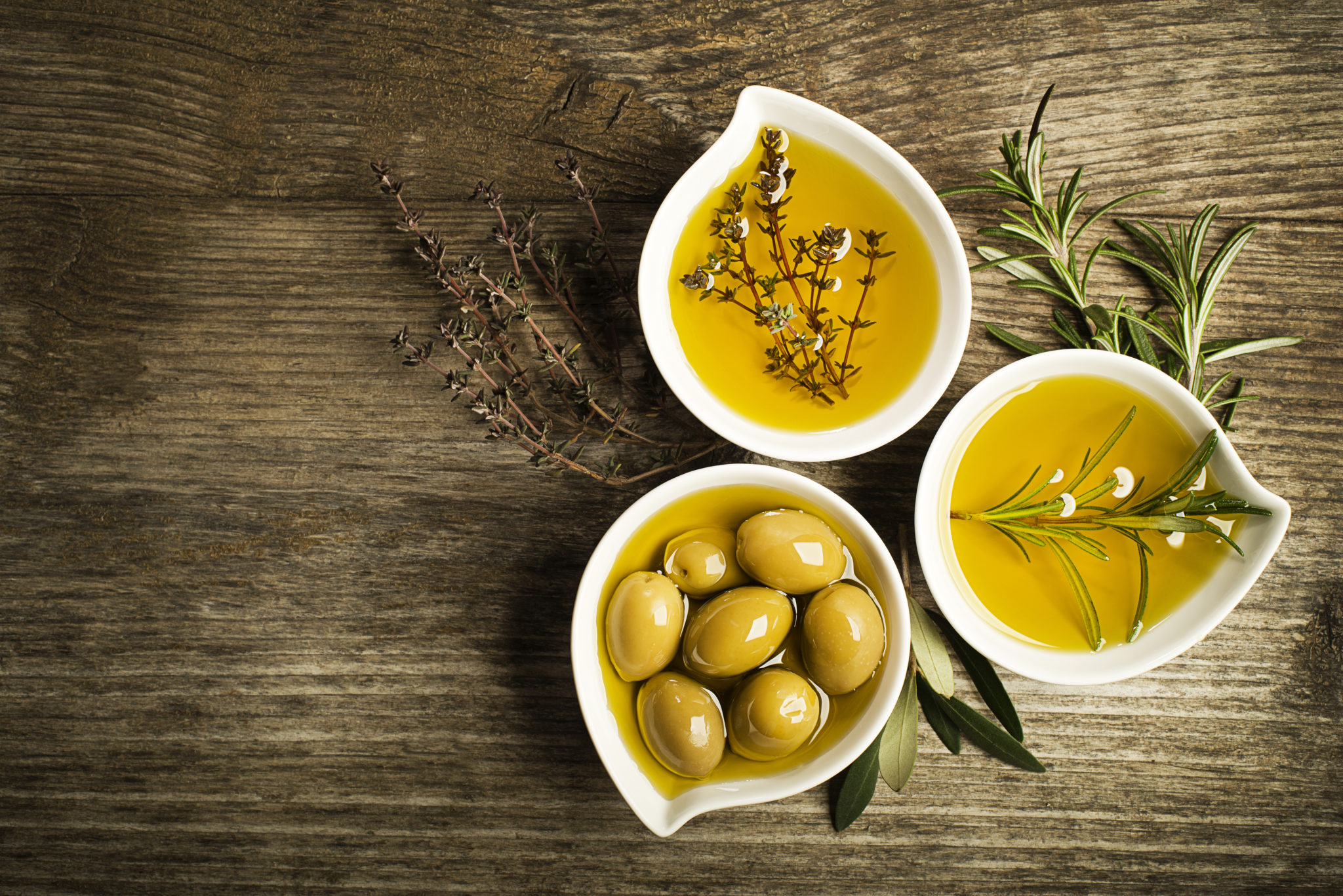
Olive oil is a cornerstone of the Mediterranean diet and a rich source of monounsaturated fats that promote heart health. A single tablespoon contains around 14 grams of fat and provides vitamin E, vitamin K, and potent antioxidants. Consuming olive oil in place of butter, margarine, or other saturated fats has been linked to a reduced risk of heart disease and improved cardiovascular health overall.
7. Flaxseed
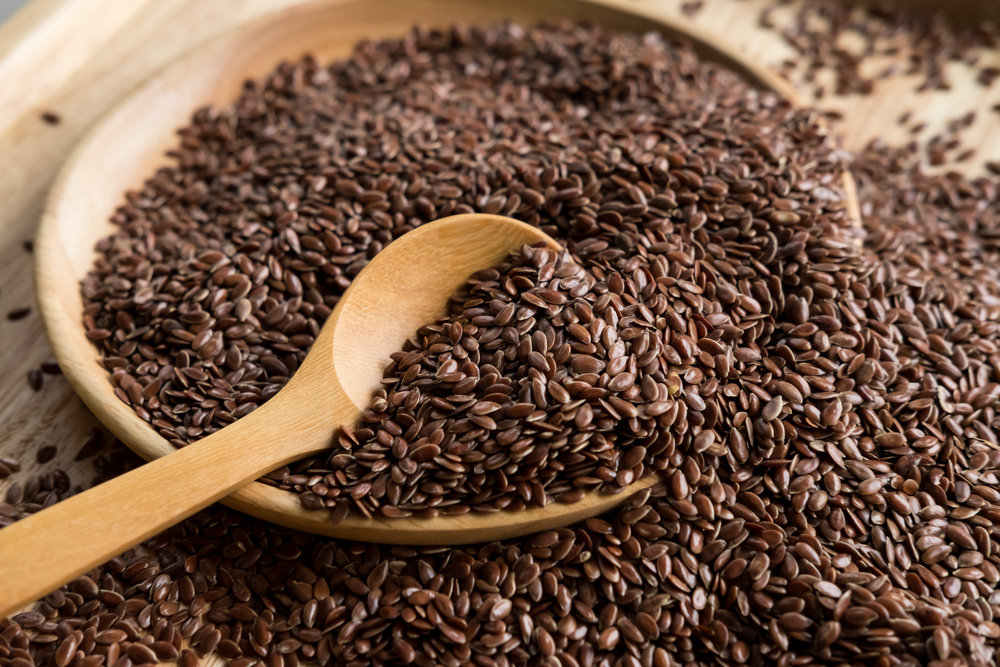
Flaxseed is a versatile ingredient that combines omega-3 fatty acids with a generous amount of fiber. Per 100 grams, flaxseed provides 42.2 grams of fat and 27.3 grams of dietary fiber, most of which are unsaturated fats.
Even a single tablespoon of ground flaxseed delivers significant amounts of both nutrients, making it a powerful addition to a balanced diet. Its fiber content can help promote satiety, regulate cholesterol, and support overall digestive health.
8. Yogurt

Full-fat natural yogurt is a nutrient-rich food that supports gut health through its probiotic bacteria. Regular consumption of yogurt may reduce the risk of cardiovascular diseases and improve overall gut function. While there is some debate about the benefits of full-fat versus low-fat options, many studies suggest that full-fat yogurt can be part of a healthy diet when consumed in moderation, offering essential nutrition for kidsthat supports their growth and development.
9. Tofu

Tofu is a versatile plant-based protein that also provides beneficial fats. A 100-gram serving of firm tofu contains 4.19 grams of fat and 10.9 grams of protein, making it an excellent choice for vegetarians and those seeking plant-based protein options.
10. Nut And Seed Butter
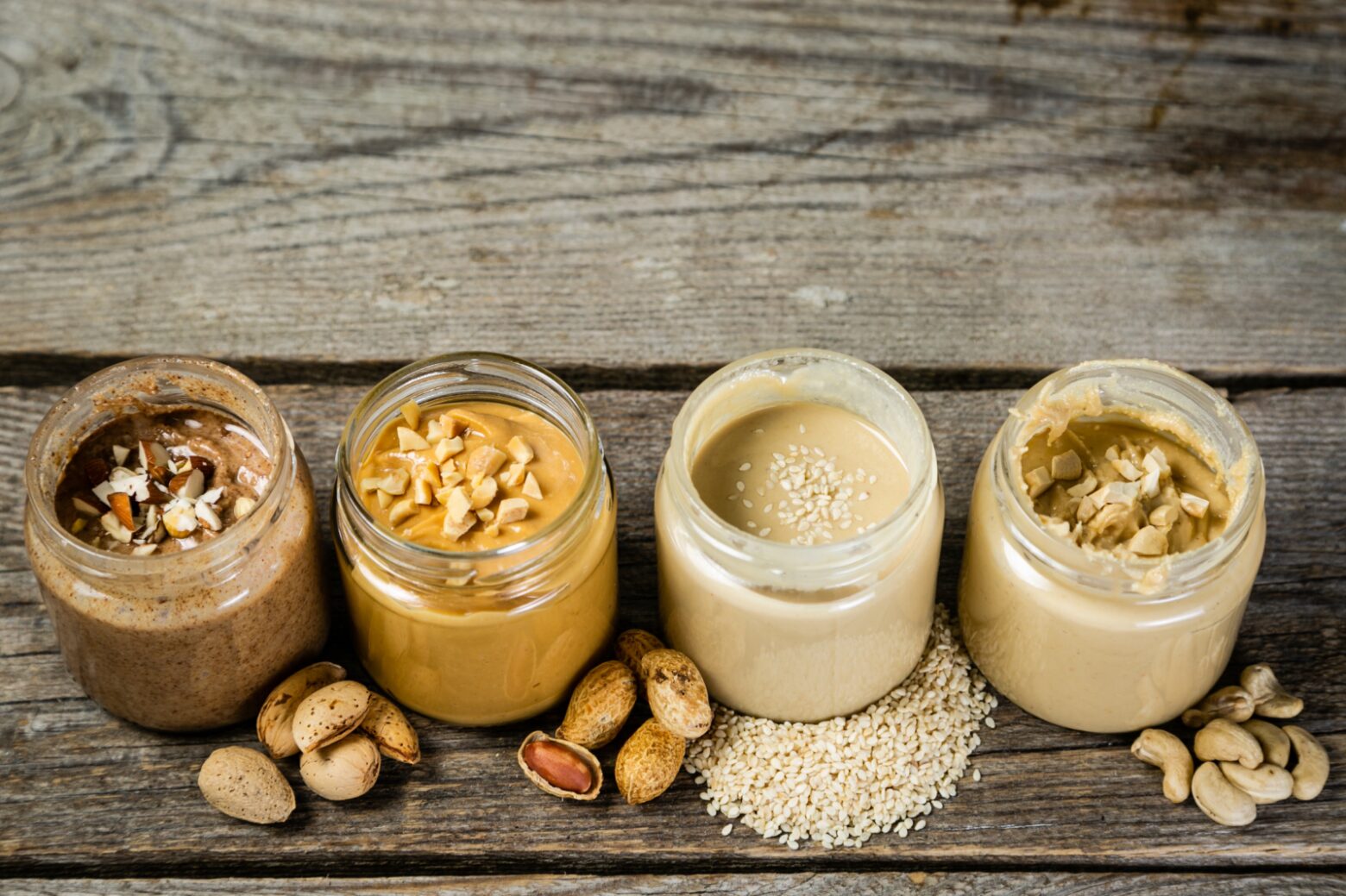
Nut and seed butter are convenient ways to enjoy the health benefits of nuts and seeds in a spreadable form. These butters are rich in monounsaturated and polyunsaturated fats but can also be calorie-dense.
For instance, peanut butter contains over 580 calories per 100 grams, while almond butter exceeds 600 calories per 100 grams. Choosing minimally processed options without added sugars or oils ensures maximum nutritional benefits.
Read Also: Low-Cholesterol Foods For A Healthier Heart
11. Olives
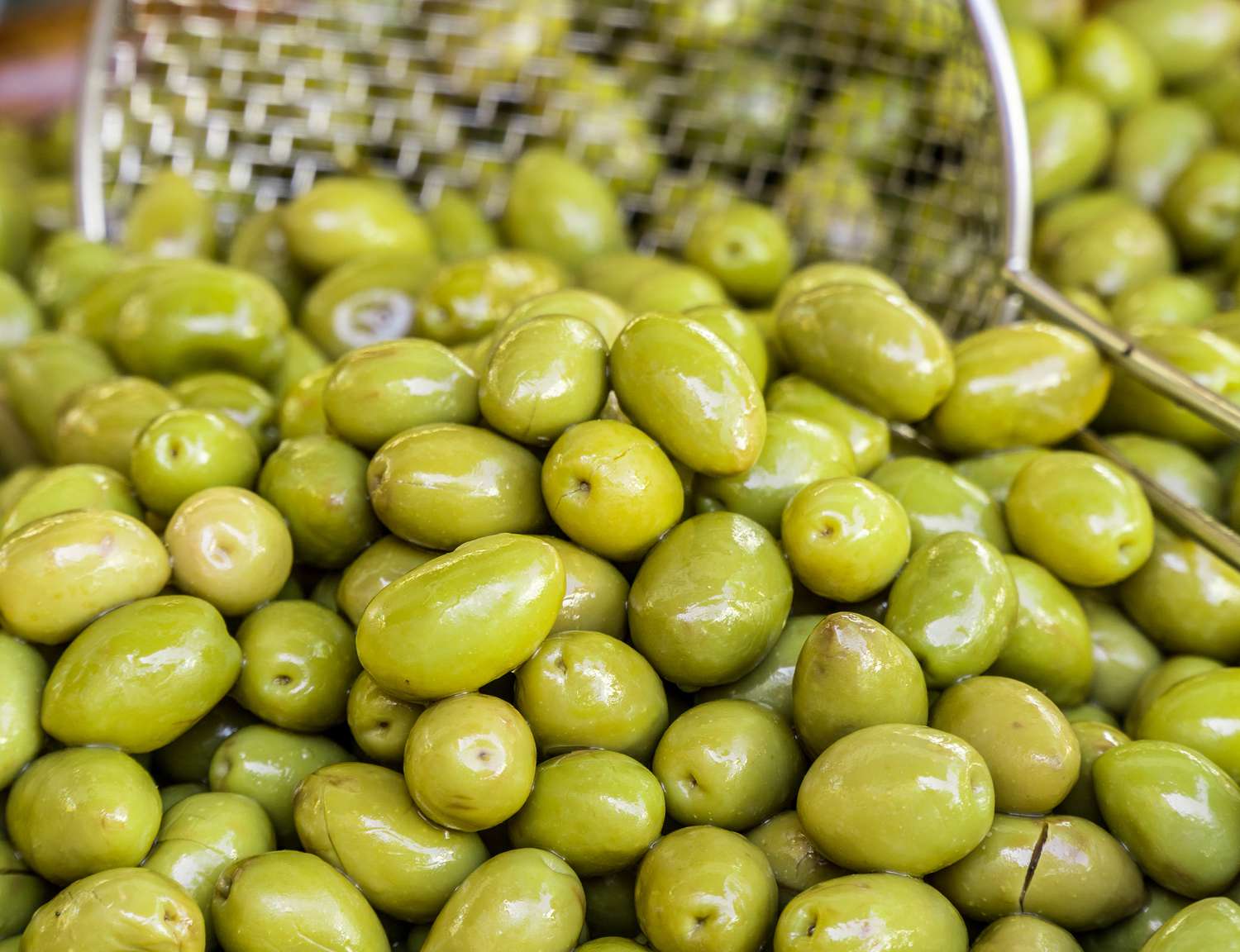
Olives are a staple in Mediterranean cuisine and a rich source of monounsaturated fats. With approximately 10.9 grams of fat per 100 grams, olives also contain oleuropein, a compound linked to improved insulin secretion and reduced diabetes risk. Including olives in your diet can contribute to heart and metabolic health.
12. Cheese

Cheese is a surprisingly nutritious food despite its reputation as an indulgence. It is an excellent source of calcium, vitamin B12, phosphorus, and selenium, alongside a variety of other essential nutrients. With six grams of protein per ounce (28 grams), cheese delivers almost as much protein as a glass of milk, making it a high-quality protein source.
Contrary to earlier beliefs, high-fat dairy products like cheese do not appear to increase the risk of heart disease when compared with reduced-fat dairy options. This makes cheese a wholesome and satisfying addition to a balanced dietwhen consumed in moderation.
13. Whole Eggs

Whole eggs, once avoided for their cholesterol content, are now recognized as a nutrient-dense and healthful food. Modern research indicates that the cholesterol in eggs does not significantly impact blood cholesterol levels for most individuals.
Eggs are packed with essential vitamins and minerals, including choline, a vital nutrient that supports brain and nerve health. A single egg (50 grams) provides 27% of the daily value (DV) for choline.
Eggs are also a weight-loss-friendly food, offering high-quality protein that promotes satiety and helps control calorie intake. Including whole eggs in your diet, yolks and all, can contribute to a nutrient-rich and satisfying meal plan.
14. Beans
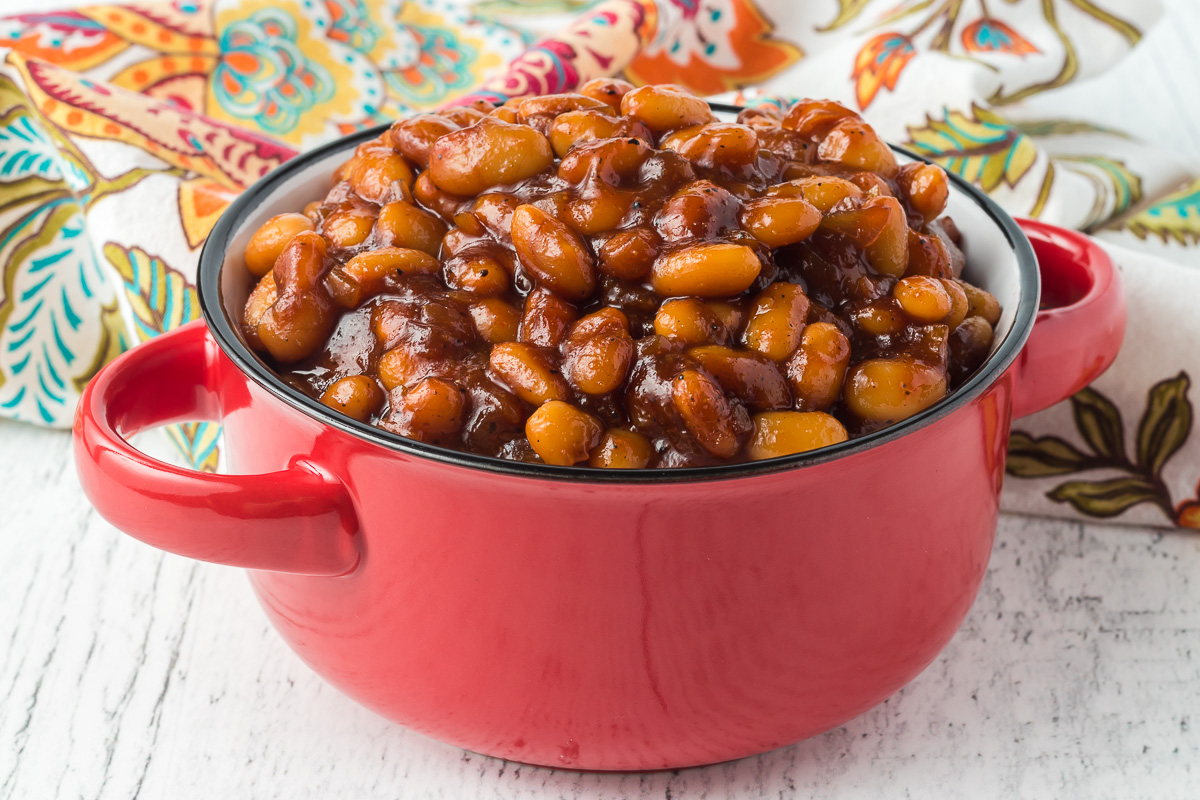
Beans, whether kidney, Great Northern, navy, or soybeans, are a versatile and nutritious addition to any diet. They are rich in omega-3 fatty acids, which may support mental well-being and mood stabilization.
In addition to their mood-enhancing properties, beans are high in protein, fiber, and essential nutrients, making them beneficial for both physical and mental health. Including beans regularly in your meals can help support overall wellness.
Frequently Asked Questions
Can High-fat Foods Help With Weight Management?
Healthy fats can promote satiety, helping reduce overall calorie intake and support weight management when consumed in moderation.
How Can I Tell If A Fat Is Healthy Or Unhealthy?
Healthy fats are usually unsaturated, found in foods like fish, nuts, seeds, and oils. Unhealthy fats are often trans fats or overly processed saturated fats found in fried and packaged foods.
Is It Safe To Cook With Oils Like Olive Oil Or Avocado Oil?
Both are safe for cooking, though olive oil is best for low-to-medium heat, while avocado oil is more suitable for high-heat cooking due to its higher smoke point.
How Much Fat Should I Include In My Diet?
This depends on individual needs, but a balanced diet typically includes 20–35% of total daily calories from healthy fats. Consulting a dietitian can help determine your specific needs.
Conclusion
Once misunderstood as being detrimental to heart health, high-fat foods are now recognized for their potential health benefits. Fat is an essential macronutrient that plays a vital role in the body’s overall health.
While high-fat foods are calorie-dense, they can still be part of a balanced, whole-food-based diet that supports overall health and wellness when consumed mindfully. For personalized advice on increasing the intake of healthy fats, consulting a doctor or registered dietitian can help tailor a plan to individual dietary needs and goals.
You Might Also Like: Healthy Fats For Brain Health