What Does A Black Rose Mean In Movies | The Cinematic Language
Understanding what a black rose means in movies is like being given a key to a secret code, it allows you to see the true subtext of a scene and appreciate the artistry behind the storytelling.
Sep 04, 2025
Deciphering The Meaning Of A Black Rose In Movies
As a passionate film viewer, I've always been captivated by the silent language of cinema, the moments when a single visual symbol tells a whole story. Think of a red rose, and you instantly imagine romance and passion.
But what about a black rose? When that dark, unnatural bloom appears on screen, it carries an unspoken weight, a feeling of unease and finality that’s impossible to ignore. It’s a powerful cinematic tool, and its meaning goes far beyond a simple floral arrangement.
The black rose is not a simple prop; it’s a deliberate choice by a director to communicate a deeper message, a visual metaphor that hints at a character's fate or a narrative's dark turn. It’s an element that can foreshadow tragedy, symbolize a broken promise, or even hint at a twisted form of rebirth.
The Symbolism Of Black Roses In Film
Black roses have long been powerful symbols in art, literature, and folklore. Unlike red or white roses, which carry more straightforward meanings of love or purity, the black rose is full of ambiguity. It is rare in nature, some say impossible, making it a perfect metaphor for things that exist only in imagination, mystery, or shadow.
In film, symbolism is everything. Directors often use flowers as visual shortcuts to communicate emotions or themes without dialogue. A single black rose on a table can convey a message of grief, betrayal, or dark romance far more effectively than words.
Cultural differences also shape interpretation. In many Western films, black roses are linked with mourning, rebellion, or the macabre. In contrast, some Eastern cultures may interpret them as symbols of transformation, rebirth, or the beauty of impermanence.
Related: Rose Symbolism
The Core Meanings Behind Black Roses In Film

Death And Mourning
The most prevalent use of black roses in cinema centers on death and mourning. Directors utilize these flowers to create an immediate visual connection between beauty and mortality, often appearing in scenes involving loss, grief, or impending doom.
The contrast between the rose's traditional association with love and its darkened state creates a powerful emotional dissonance that amplifies the tragedy. In many films, black roses serve as harbingers of death, appearing before a character's demise or during funeral sequences.
This symbolism taps into ancient cultural associations where dark flowers represented the end of life cycles. The visual impact is immediate and universal, requiring no cultural explanation to understand its ominous implications.
Transformation And Rebirth
Black roses also signify rebirth and new beginnings, stemming from the idea of endings leading to fresh starts. This dual symbolism makes them particularly effective in character development arcs where protagonists must metaphorically die to be reborn as stronger versions of themselves.
Films often use black roses during pivotal transformation moments, where characters shed their old identities or emerge from traumatic experiences fundamentally changed. The flower becomes a visual bookmark for psychological metamorphosis, marking the precise moment when innocence dies and wisdom or strength emerges.
Forbidden Love And Dark Romance
In romantic narratives, black roses represent passionate love tinged with danger, impossibility, or moral complexity. Unlike red roses that symbolize pure passion, black roses suggest relationships built on obsession, tragedy, or forbidden desires. This symbolism proves particularly effective in noir films and Gothic romances where love and destruction intertwine.
The visual presentation of black roses in romantic contexts creates immediate tension, suggesting that the love story will not follow conventional happy endings. Directors use this expectation to build dramatic irony, where audiences anticipate tragedy even during moments of apparent happiness.
Revenge And A Dark Promise
In many films, the black rose is a harbinger of retribution. It's not a gift of love, but a message of hate and a promise of pain. This is particularly effective in thrillers where an antagonist uses it to declare their intention to enact revenge.
The beauty of the rose mixed with the darkness of its color creates a chilling contradiction, a promise that the act of revenge will be both beautiful and brutal.
It can also represent a character’s descent into darkness, a sign that their soul has been corrupted by a desire for vengeance.
Obsession And Fatal Attraction
The black rose can also symbolize a dangerous, all-consuming love. Unlike the passionate red rose, the black rose in this context represents an obsession that is both beautiful and terrifying. It’s a love that is so intense it leads to a character's demise.
The recipient of a black rose might feel a sense of dread, as they know the person who sent it is not just in love with them, but is dangerously obsessed. This usage often creates a sense of suspense and psychological terror.
How Different Movie Genres Use Black Rose Symbolism
Horror And Gothic Films
Horror cinema has embraced black roses as essential visual elements that establish atmosphere and foreshadow supernatural events. Films like "Black Roses" (1988) use the flower motif as a central element, where demons disguised as a heavy metal band corrupt teenagers.
The roses become metaphorical vessels for evil influence, their dark beauty masking malevolent intent. Gothic horror films particularly favor black roses because they embody the genre's core themes of beauty corrupted by darkness.
These flowers often appear in haunted mansions, cemetery scenes, or moments when characters confront supernatural forces. The roses serve as visual bridges between the natural and supernatural worlds, suggesting that beauty itself can be tainted by evil.
The psychological impact of black roses in horror extends beyond mere visual aesthetics. They trigger primal associations with death and decay while maintaining enough beauty to create cognitive dissonance, making audiences simultaneously attracted and repelled.
Romantic Dramas
Romantic dramas employ black roses to signal complex emotional territories where love becomes destructive or transformative. These films use the flowers to represent relationships that exist outside societal norms or involve significant personal sacrifice.
The symbolism suggests that true love sometimes requires the death of previous selves or comfortable illusions. The visual metaphor communicates that the relationship will extract a significant price, even if it ultimately leads to growth or fulfillment.
Directors often introduce black roses during relationship turning points, where characters must choose between safety and passion, or when love demands difficult transformations.
Thriller And Mystery Movies
Mystery and thriller films leverage black roses as clues or symbolic representations of hidden truths. The flowers often appear at crime scenes or in the possession of enigmatic characters, suggesting connections between beauty and violence.
Their presence creates immediate intrigue while hinting at deeper psychological motivations. In these genres, black roses frequently serve as signatures or calling cards for complex antagonists who view themselves as artists of destruction.
The flower's beauty, juxtaposed with its dark implications, mirrors the sophisticated mindset of criminals who find elegance in chaos.
Famous Movies Featuring Black Rose Symbolism
To truly understand the power of the black rose, let's look at how it has been used in specific films to enhance the story and deepen our understanding of the characters.
The Godfather
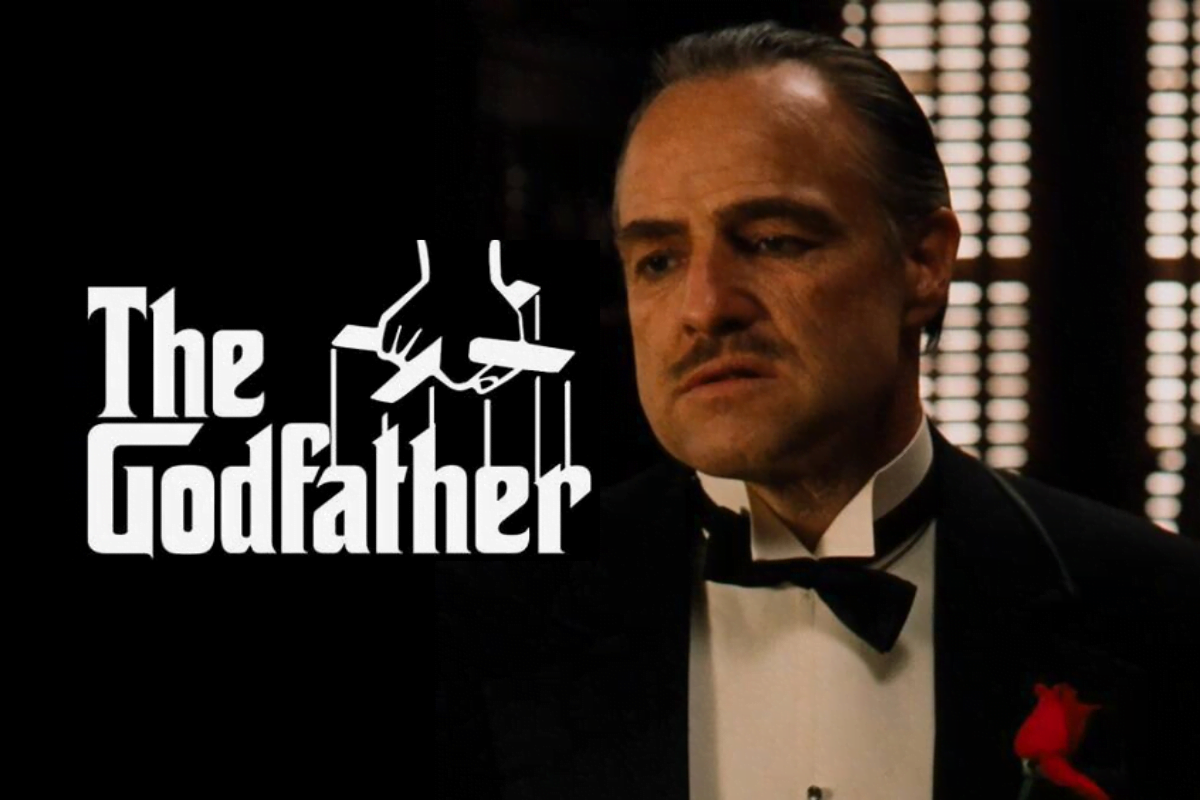
In Francis Ford Coppola's masterpiece, The Godfather, the black rose is a key visual motif. When Don Vito Corleone passes away, the black roses at his funeral are not just a sign of mourning. They represent the death of a certain era of the Mafia, one that was perhaps more honor-bound.
The black roses on his coffin are a somber acknowledgment of the end of his reign and the beginning of Michael’s, which will be much darker and more violent. The black rose in this context is a symbol of both farewell and the somber reality of the Corleone family’s new world.
American Beauty

American Beauty (1999) Trailer #1 | Movieclips Classic Trailers
While not a central symbol, the black rose could be seen as an undercurrent to the dark themes of American Beauty. The film explores the dark side of suburban life, where beautiful surfaces hide rotting secrets.
The black rose could be a symbolic representation of Lester's life, a facade of beauty that is really hollow and dead inside. It is a symbol of a man whose life has tragically ended, even though he is still alive.
Alfred Hitchcock's "The Man Who Knew Too Much" (1956)
Alfred Hitchcock's thriller represents one of the most sophisticated uses of black rose symbolism in classic cinema. In this film, the black rose becomes a symbol of danger and the unknown, appearing within the context of the film's suspenseful atmosphere.
Hitchcock's masterful use of the symbol demonstrates how visual elements can communicate threat and tension more effectively than dialogue alone. The black rose in Hitchcock's work serves as both a warning and a clue, functioning within the director's broader approach to visual storytelling.
The flower's appearance signals to both characters and audiences that danger is imminent, while its mysterious nature reflects the unknown threats that drive the narrative forward.
This application of black rose symbolism has influenced subsequent generations of thriller and suspense filmmakers who recognized the power of floral imagery to communicate psychological states and narrative developments.
Dead Poets Society
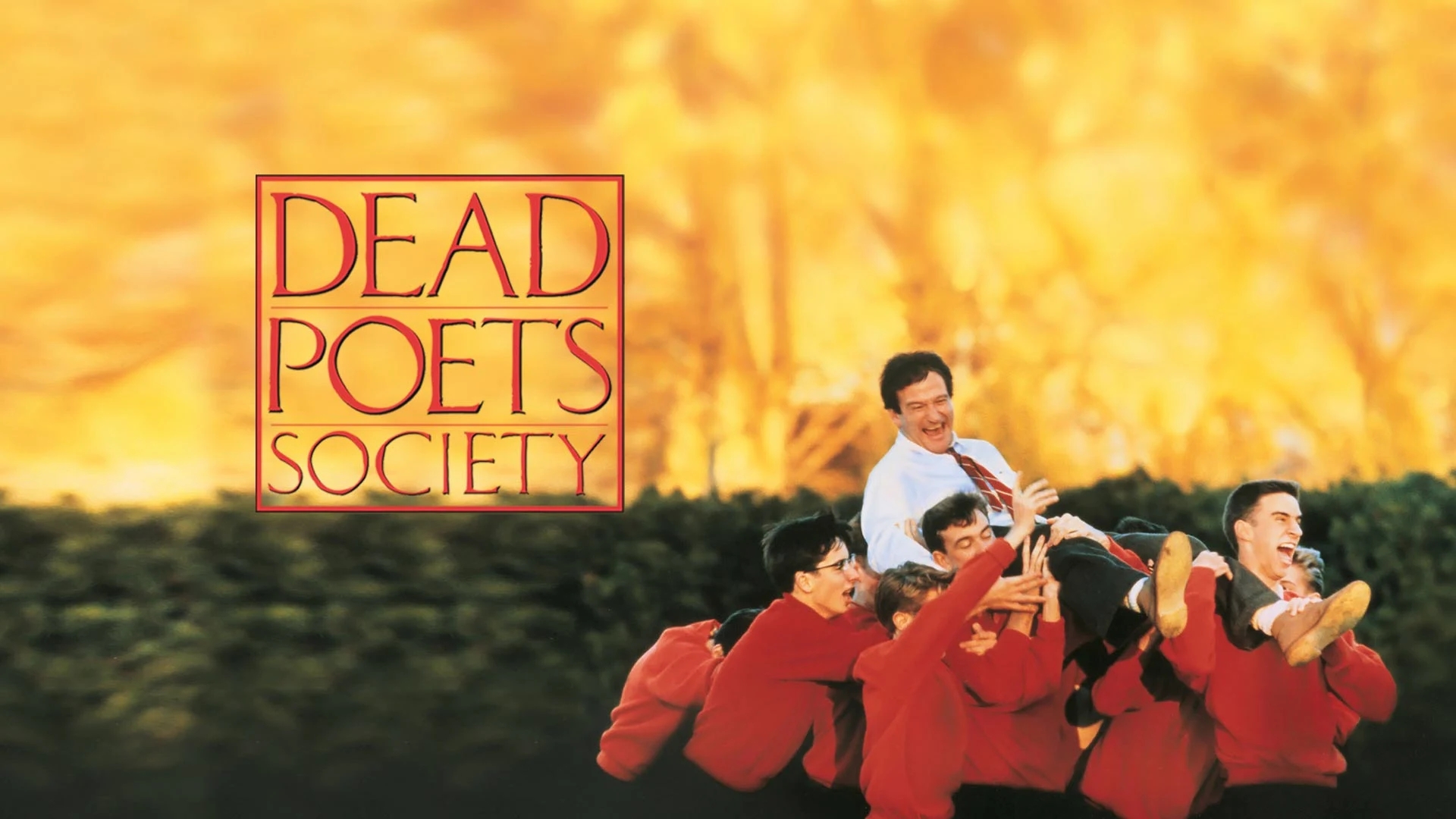
The use of dark roses during memorial scenes in "Dead Poets Society" serves as a poignant reminder of lost potential and the fragility of life. The memorial context transforms the black rose from a simple symbol of death into a complex representation of what might have been.
This application of black rose symbolism demonstrates how the flower can represent not just death itself, but the broader implications of loss, including unrealized dreams, interrupted journeys, and the impact of tragedy on surviving characters.
The film's use of black rose symbolism in memorial contexts establishes a visual language that communicates grief, remembrance, and the weight of loss without relying on spoken dialogue.
This approach allows audiences to process emotional content at their own pace while reinforcing the film's themes about the importance of seizing opportunities and living authentically.
The Psychology Of Black Roses In Visual Storytelling
The psychological impact of black roses on movie audiences operates on multiple levels of consciousness. These flowers trigger immediate emotional responses rooted in cultural conditioning and biological associations with darkness and decay. Their beauty prevents complete revulsion, creating a complex emotional state that enhances viewer engagement.
Color psychology plays a crucial role in how audiences interpret black roses. Black traditionally represents mystery, elegance, and the unknown, while roses symbolize love, beauty, and fragility. The combination creates cognitive tension that keeps viewers psychologically invested in understanding the symbolic meaning within the specific narrative context.
Symbolism acts as a visual metaphor that can represent themes, emotions, or ideas, and black roses excel at this function because they carry multiple interpretative possibilities. This ambiguity allows directors to layer meanings that reveal themselves progressively as stories unfold, creating richer viewing experiences.
The effectiveness of black rose symbolismalso depends on timing within the narrative structure. Roses appearing early in films establish mood and expectation, while those appearing during climactic moments provide emotional punctuation for significant revelations or character developments.
The Evolution Of Black Rose Symbolism In Modern Cinema
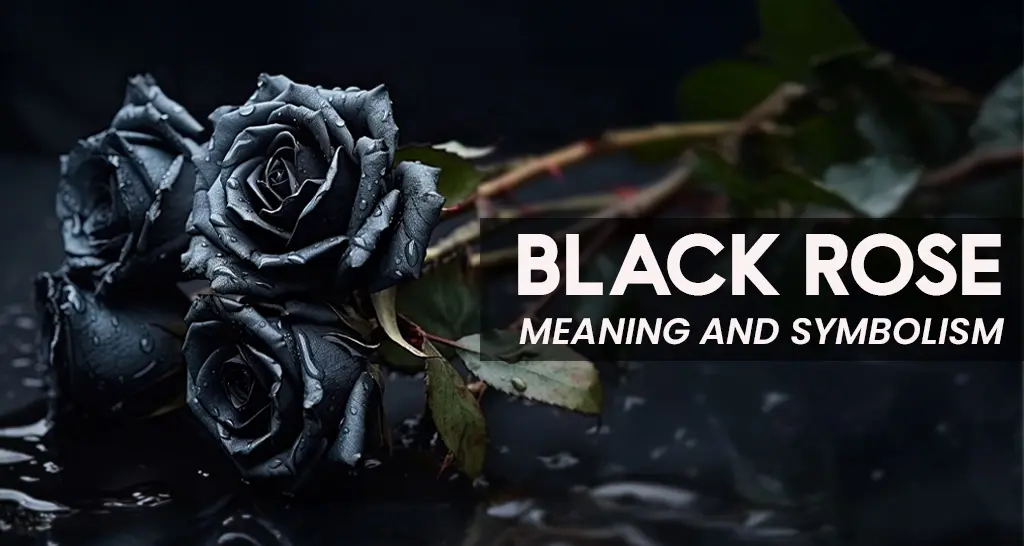
Contemporary filmmakers have expanded traditional black rose symbolism beyond classic associations with death and forbidden love. Modern cinema explores themes of personal empowerment, psychological complexity, and social commentary through innovative uses of this timeless symbol.
Independent filmmakers particularly embrace black roses because they offer sophisticated symbolism accessible to limited budgets. These productions often employ the flowers more abstractly, allowing audience interpretation to drive meaning rather than relying on established conventions.
Digital filmmaking has opened new possibilities for black rose presentation, with computer-generated imagery allowing for impossible floral behaviors that enhance symbolic impact. Roses can now wither in fast-forward, bloom in reverse, or transform in ways that serve specific narrative purposes without practical limitations.
The global nature of modern cinema has also influenced how black roses function symbolically. Directors must now consider international audience interpretations while maintaining the symbol's core emotional impact across diverse cultural contexts.
You Might Like: Beautiful Blue Flowers For Your Garden
Frequently Asked Questions
What Do Black Roses Typically Symbolize In Horror Movies?
In horror films, black roses primarily represent death, evil influence, and supernatural corruption. They often appear as harbingers of doom or markers of locations where dark forces have taken hold. The roses serve as visual warnings that normal rules of reality no longer apply.
Are Black Roses Always Negative Symbols In Cinema?
No, black roses can also represent positive transformation, rebirth, and personal growth. Many films use them to symbolize the death of old, limiting beliefs and the birth of stronger, more authentic selves. The context within the story determines whether the symbolism is negative or transformative.
How Do Directors Choose When To Include Black Roses In Their Films?
Directors typically include black roses when they need powerful visual metaphors that can communicate complex emotions quickly. The decision often relates to themes of transformation, loss, forbidden love, or supernatural elements that benefit from symbolic reinforcement.
What's The Difference Between Black Roses And Red Roses In Movie Symbolism?
Red roses generally symbolize passionate love, beauty, and life force, while black roses represent complex emotions like tragic love, death, transformation, or forbidden desires. Black roses carry more psychological weight and suggest deeper, often darker narrative territories.
Do Black Roses Mean The Same Thing In All Movie Genres?
While core associations remain consistent, different genres emphasize various aspects of black rose symbolism. Horror films focus on death and evil, romantic dramas explore tragic love, and thrillers use them to suggest hidden dangers or psychological complexity.
Can Black Roses Symbolize Hope In Movies?
Yes, when used in transformation narratives, black roses can symbolize hope through the concept of necessary endings that lead to new beginnings. They represent the idea that sometimes destruction precedes creation, and darkness precedes light.
Why Are Black Roses More Psychologically Impactful Than Other Flower Symbols?
Black roses create cognitive dissonance by combining beauty with darkness, forcing audiences to hold contradictory emotions simultaneously. This psychological tension makes them more memorable and emotionally engaging than symbols with simpler, more direct meanings.
How Do Costume And Set Designers Incorporate Black Roses Effectively?
Professional designers use black roses strategically as focal points that support character development and narrative themes. They consider factors like placement, lighting, quantity, and context to ensure the symbolism enhances rather than overwhelms the story.
What Should Viewers Look For When Black Roses Appear In Films?
Pay attention to timing, character reactions, accompanying music, and lighting. These elements provide clues about whether the roses represent death, transformation, forbidden love, or other thematic content. Also consider the character arc and story context.
Are There Cultural Differences In How Black Roses Are Interpreted In International Cinema?
While core symbolism remains relatively universal, some cultures emphasize different aspects. Western cinema often focuses on individual transformation, while Eastern films might emphasize collective or spiritual implications.
Final Thoughts
The black rose is a powerful symbol in cinema. It is a visual cue that can be used to signify death, loss, tragedy, revenge, or even a dark rebirth. Its meaning is often nuanced and complex, and it is a testament to the power of a single visual element in telling a story.
By paying attention to these subtle symbols, you can gain a deeper appreciation for the art of filmmaking and the stories that are told without a single word. So the next time you see a black rose on screen, don't just see a flower, see the story it's trying to tell.
See Also: What Does Black Roses Mean