Strength Training Vs Cardio: The Ultimate Guide To Choosing The Right Exercise
The fitness subject comprises numerous questions. What is one of the most common questions people ask?
Mar 31, 2026
The fitness subject comprises numerous questions. What is one of the most common questions people ask? Whether strength training or cardio is better. Some swear by long runs and cycling sessions. Others prefer lifting weights and resistance exercises. But the truth is somewhere in between.
Both forms of exercise offer distinctive benefits. Choosing between them depends largely on your fitness goals. Understanding how each works is essential. It can help you create a holistic workout routine. It will support your health, weight, and overall well-being in the long run.
What Is Strength Training
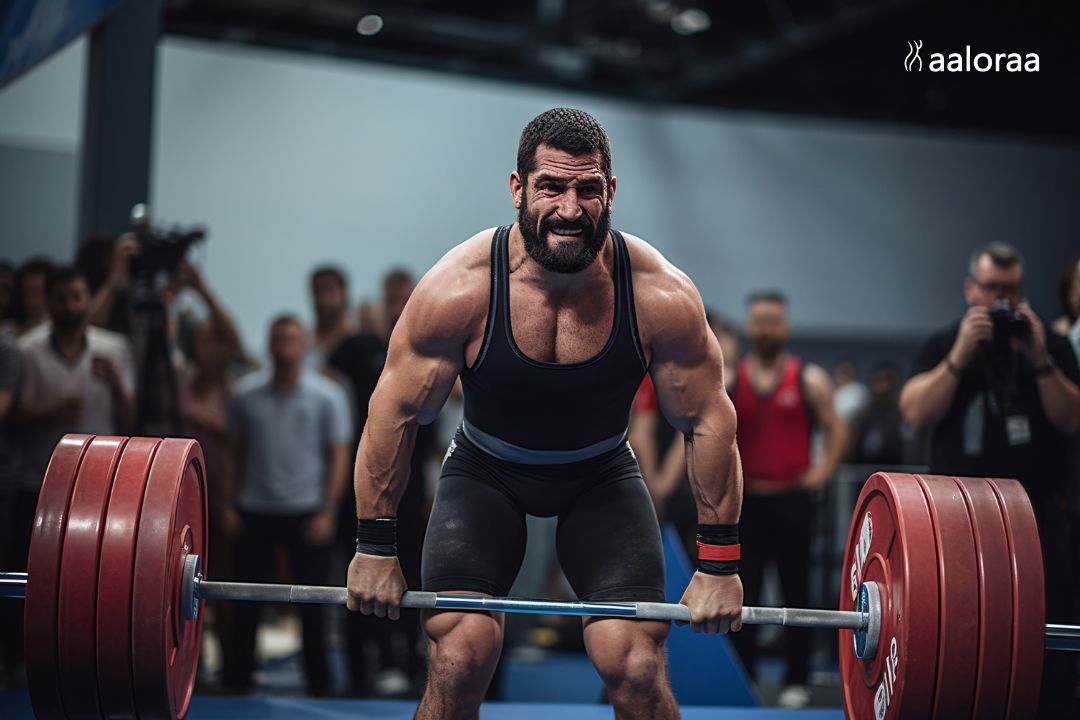
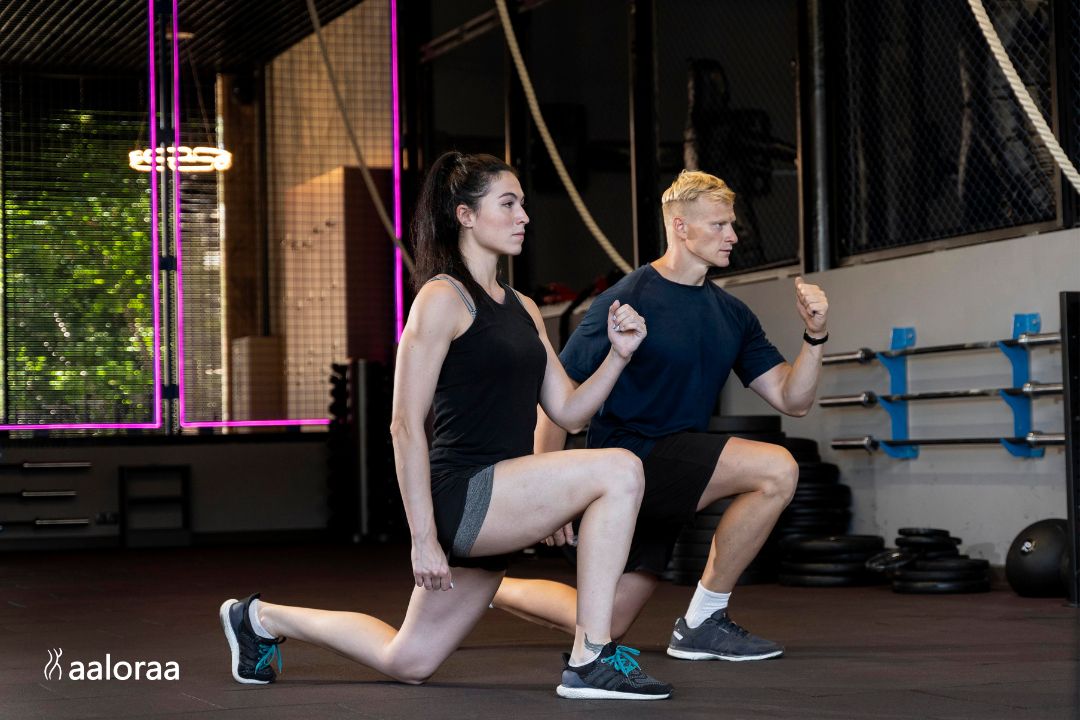
Strength training is also known as resistance training. It focuses on building muscle by working against a force. This force can come from free weights, resistance bands, or machines. Even your own body weight can be used. These exercises include push-ups, squats, and lunges.
Do you know what one of the biggest benefits of strength training is? Its ability to increase muscle mass and improve overall body strength. With strength training, your muscles grow stronger. As a result, your body becomes more efficient at performing daily tasks and physical activities. Strength training also helps improve bone density. This is especially important as we age, as Chennai call girlsnote for long-term wellness. Because we become more prone to fractures and osteoporosis. Moreover, building muscle boosts your metabolism. It allows your body to burn more calories even at rest.
Understanding Cardio
Cardio means cardiovascular exercise. It includes activities that increase your heart rate. They even keep it elevated for an extended period. Common forms of cardio include running, cycling, swimming, brisk walking, and dancing. These exercises focus on improving your body’s efficiency. The primary organs targeted are the heart and lungs.
Cardio is particularly effective at burning calories quickly. It also helps improve endurance. Regular cardiovascular exercise helps strengthen the heart and lung capacity. It also lowers blood pressure. Cardio even releases endorphins, natural mood boosters—like Delhi call girlshighlight. That makes it a great option for reducing stress and improving mental health.
Strength Training Vs Cardio: Key Differences
Both types of fitness activity offer positives but have two different focuses. Weightlifting concentrates on increasing muscle size, strength, and metabolism, while cardio focuses on developing cardiovascular fitness and improving endurance.
A comparison of calorie expenditure reveals that more total calories are typically expended during cardio. The benefit of weightlifting is its afterburn (Excess Post-Exercise Oxygen Consumption - EPOC). After your weight-lifting session, your body will continue to burn calories for a limited period, per Leicester escortsrecovery insights. This happens because of muscle repair and recovery. Strength workouts can also be shorter yet highly effective. Whereas cardio sessions often need to be longer. This helps achieve similar calorie-burning results.
How To Choose The Right Workout For Your Goals
What is the best workout routine? The one that aligns with your personal goals. The one that fits into your lifestyle. For instance, your primary goal may be building muscle or strength. Then, strength training should be your main focus. Others may aim to improve endurance or heart health. They should incorporate cardio in their routine.
The goal of some people can be weight loss or maintaining overall fitness. A balanced approach works best for them. You might consider doing strength training three days a week. And, incorporate cardio two days a week. This combination allows you to enjoy the benefits of both forms of exercise with no overtraining or burnout.
Conclusion
Stop debating between strength training and cardio. It is not about choosing one over the other. Both types of exercise offer valuable health benefits. However, they serve different purposes. They together help form a well-rounded fitness routine. Do not view them as competitors. Instead, perceive them as complementary tools. They work together to improve your strength, endurance, and overall health. Tailor your workouts to your goals. This helps you build a routine that delivers lasting results.