23 Prebiotic Foods For Gut Health [Nutrition Secrets]
A well-balanced gut microbiome is key to maintaining good health, and prebiotic foods are essential to making that happen. These foods provide nourishment for the beneficial bacteria in your gut, supporting digestion and metabolism. Including prebiotics in your diet can also help strengthen your immune system.
![23 Prebiotic Foods For Gut Health [Nutrition Secrets]](https://www.dailyhawker.com/wp-content/uploads/2025/03/ebd4670bd5118651/prebiotic-foods-for-gut-health.jpeg)
Dec 22, 2024
Prebiotics help your gut bacteria produce nutrients that keep your digestive system happy and healthy. These nutrients, like short-chain fatty acids such as butyrate, acetate, and propionate, are absorbed into your bloodstream and can boost your metabolic health.
Just remember, prebiotics are different from probiotics. While prebiotics are the food that helps your gut bacteria thrive, probiotics are the live bacteria found in certain foods or supplements. These are some awesome prebiotic foods to add to your grocery list and give your gut some love!
Bananas
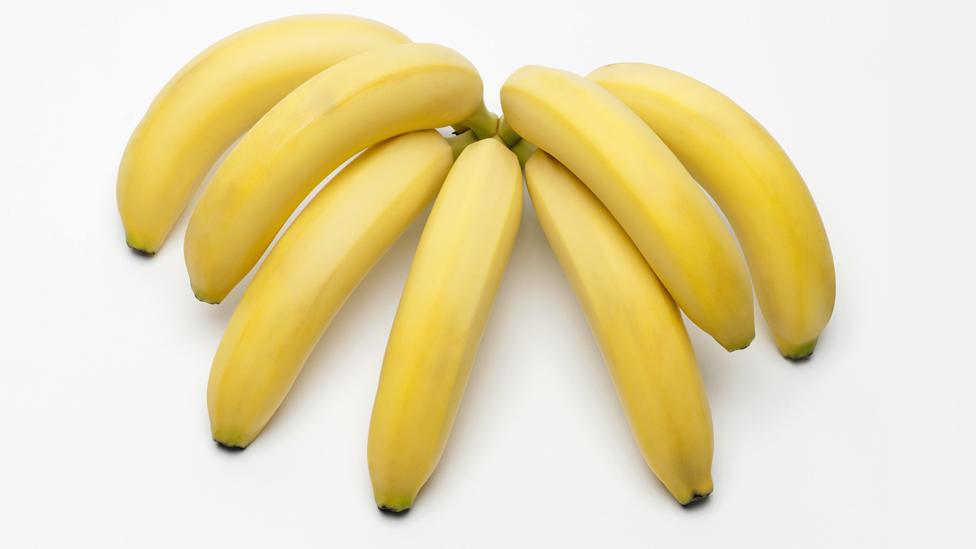
Bananas are a budget-friendly and versatile fruit that is often overlooked for its prebiotic potential. Despite concerns about their sugar content, the sugar in bananas is naturally occurring, and they are packed with essential nutrients.
A 6-inch banana provides about 3 grams of fiber, including inulin, a type of prebiotic fiber that helps promote the growth of beneficial gut bacteria. This makes bananas an excellent choice for supporting a healthy gut microbiome and improving digestion.
Kiwifruit
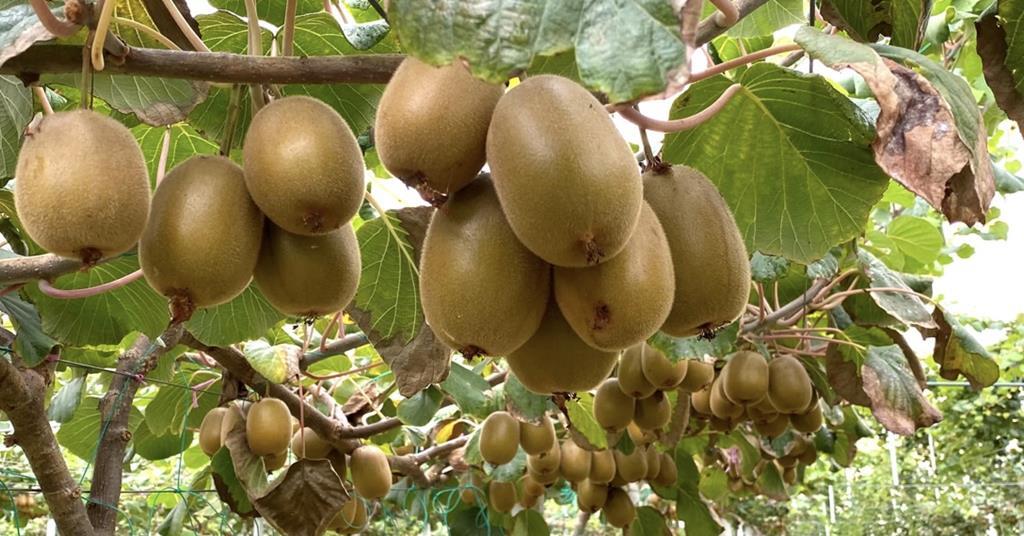
Kiwifruit, with its vibrant green flesh and unique texture, is an excellent source of prebiotics. One kiwifruit contains 2.3 grams of fiber, including polyphenols, plant chemicals that have been shown to have prebiotic effects.
By supporting the growth of beneficial gut bacteria, kiwifruit helps maintain gut health. It is also a great fruit for promoting regular digestion and can be enjoyed in both sweet and savory dishes, such as fruit salads or salsas.
Legumes
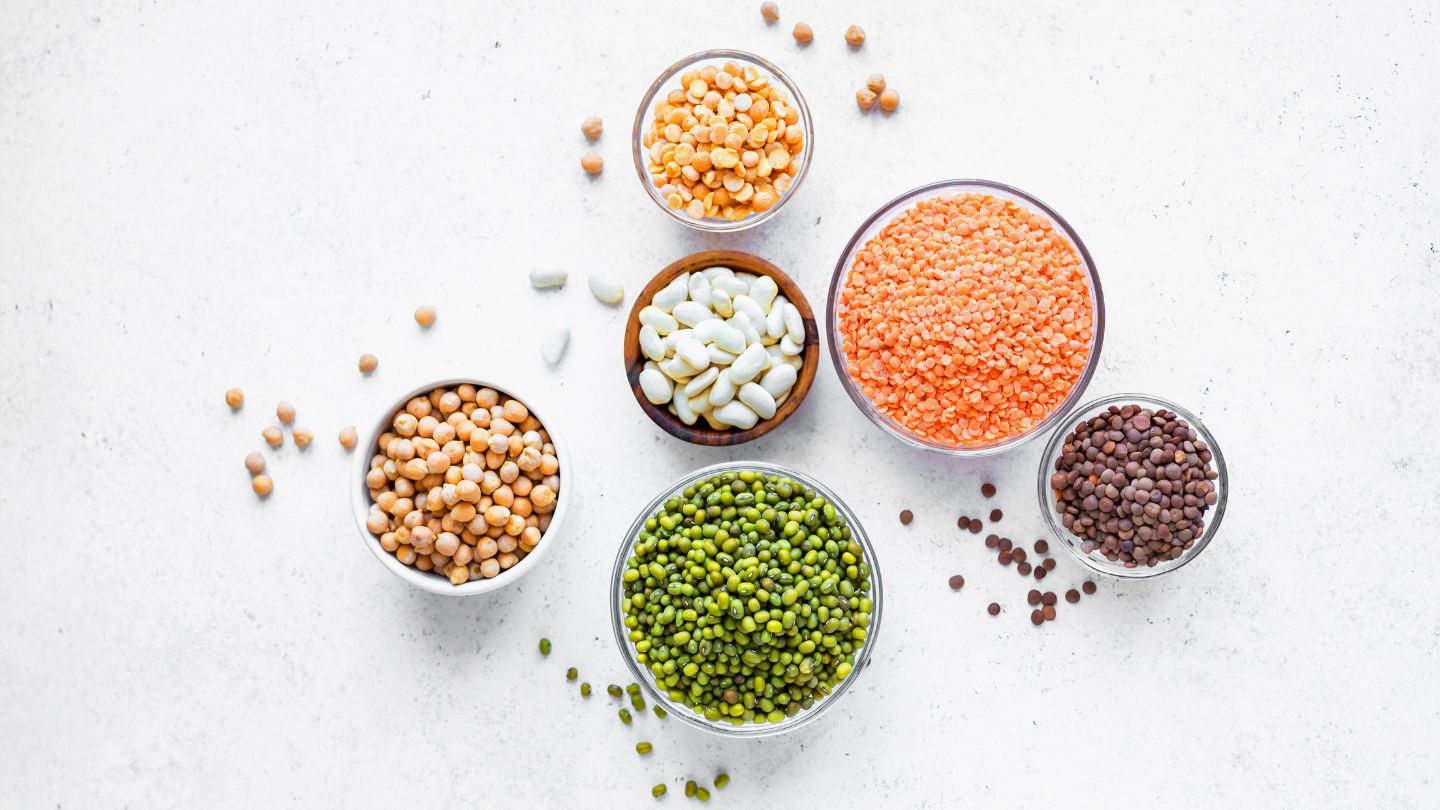
Legumes, such as chickpeas, black beans, lentils, and edamame, are packed with prebiotic fiber, particularly galacto-oligosaccharides. These fibers help stimulate the growth of health-promoting bacteria in the gut, such as Bifidobacteria, which supports immune function, gut health, and digestion.
Legumes are also a rich source of protein and fiber, with a half-cup serving of cooked lentils providing 8 grams of fiber. Although they can cause some digestive discomfort due to fermentation, their prebiotic benefits make them an essential part of a gut-healthy diet.
Potatoes
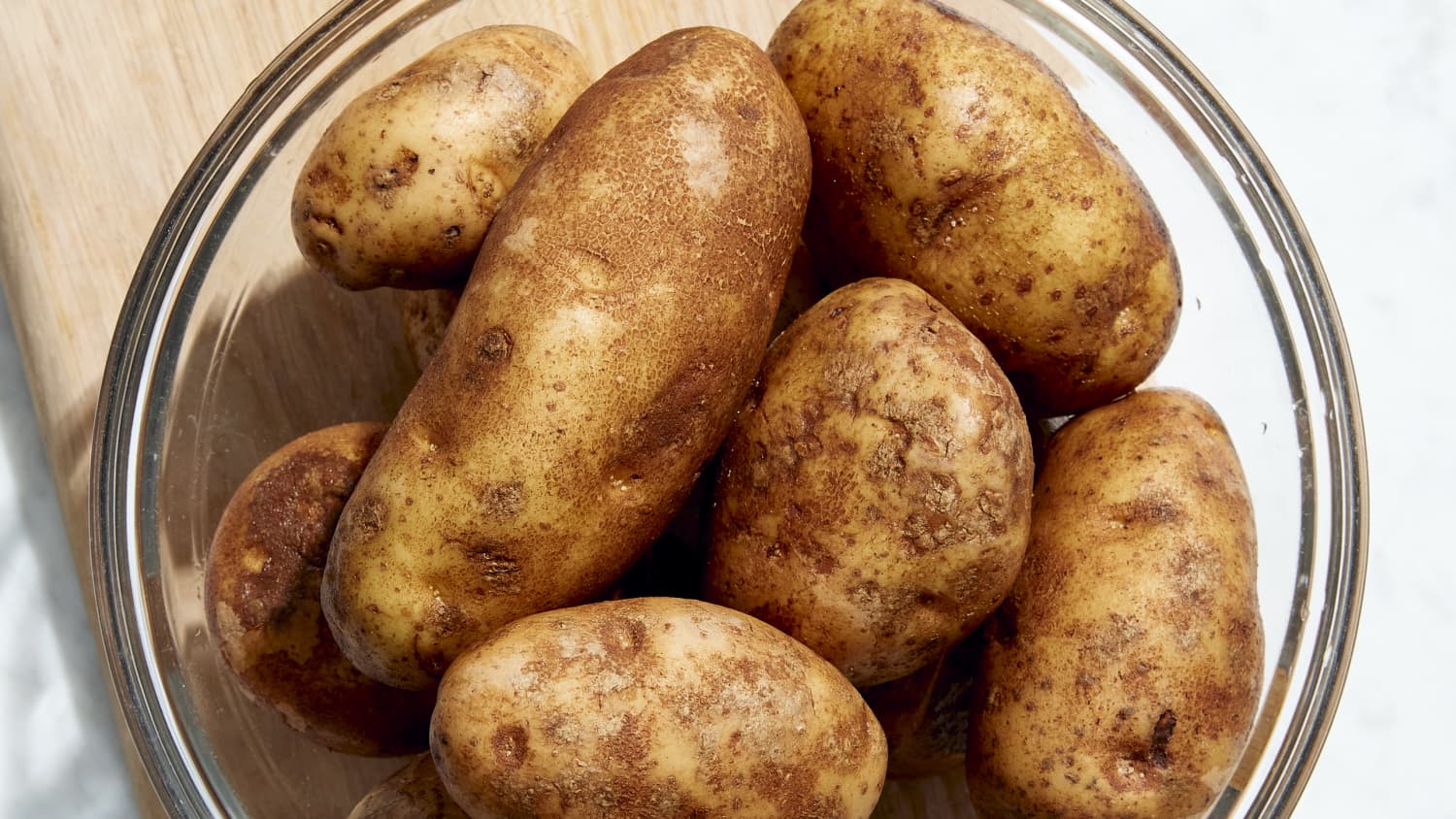
Although potatoes often get a bad reputation for their carbohydrate content, they are actually a nutritious source of fiber. One cooked white potato contains about 2.4 grams of fiber, found in both the flesh and the skin.
Potatoes also contain resistant starch, a type of prebiotic fiber that has been shown to support the growth of beneficial gut bacteria. Consuming resistant starch from potatoes can help improve digestive health, reduce symptoms of constipation and diarrhea, and promote overall gut health.
Chicory Root
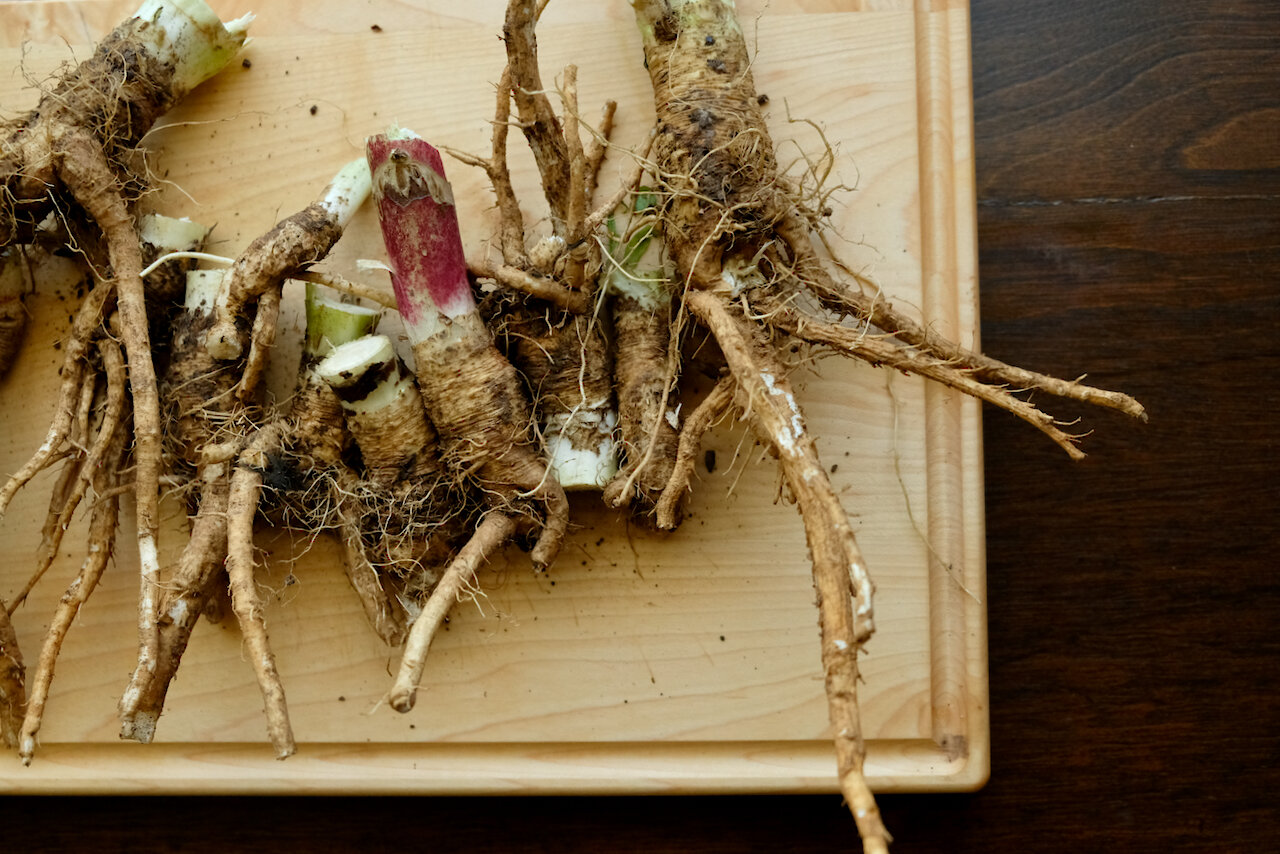
Chicory root is an excellent source of prebiotics, with about 68% of its fiber derived from inulin, a powerful prebiotic fiber. Inulin supports digestion and helps improve bowel function, making it an effective remedy for constipation.
As a prebiotic, it promotes the growth of beneficial bacteria in the gut, which can improve overall digestive health. Chicory root can be consumed as a powder or used as an ingredient in various foods and beverages, providing both flavor and digestive benefits.
Dandelion Greens
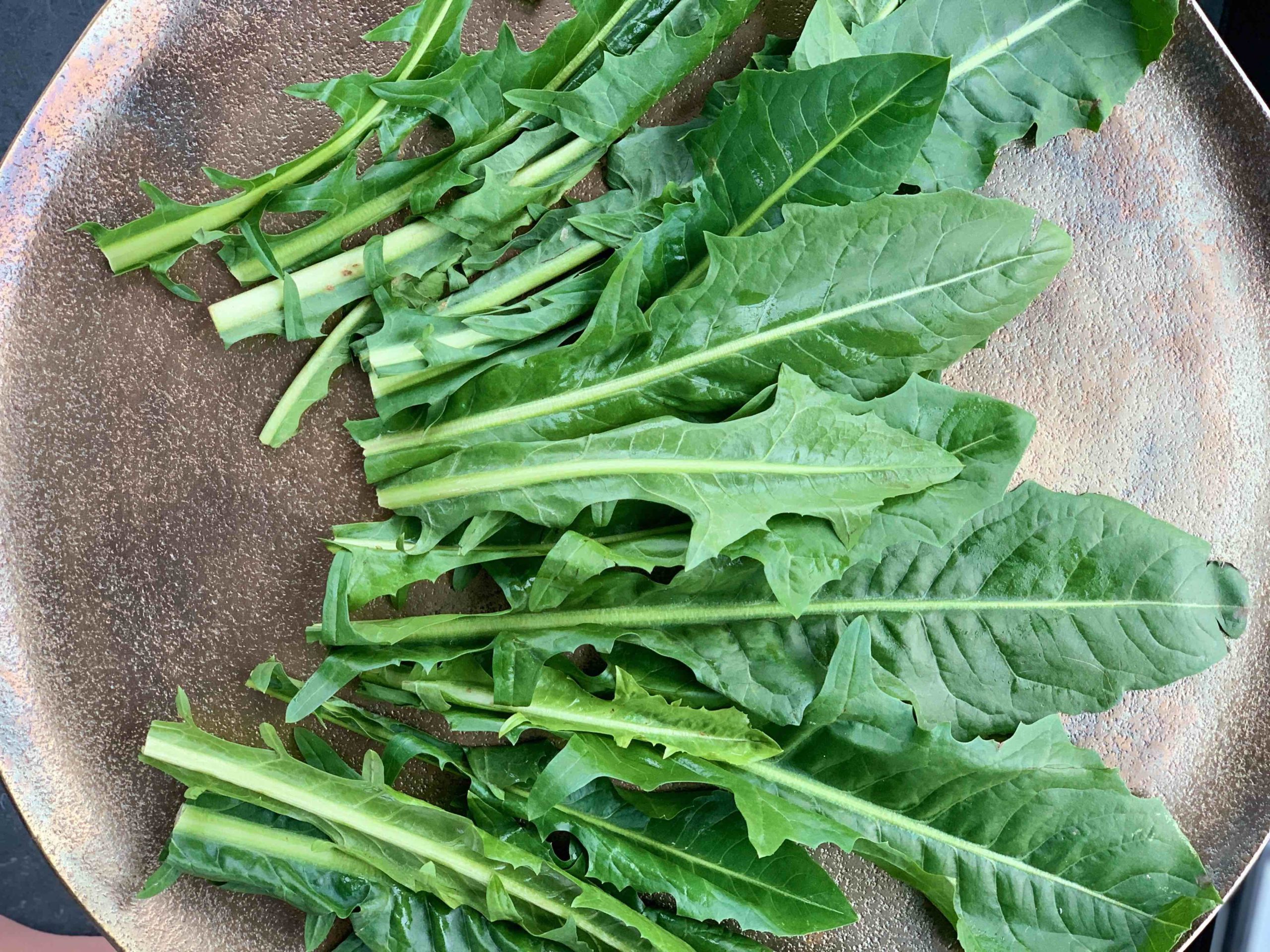
Dandelion greens, which can be eaten either raw or cooked, are a highly nutritious food packed with fiber. A significant portion of the fiber in dandelion greens comes from inulin, a prebiotic fiber that helps foster the growth of beneficial bacteria in the gut.
In addition to its prebiotic effects, dandelion greens are rich in vitamins and minerals, supporting overall health. They promote better digestion by aiding in bowel regularity and have been shown to help detoxify the body by stimulating liver function.
See Also: Best Foods For Gut Health You Should Include In Your Diet
Jerusalem Artichoke
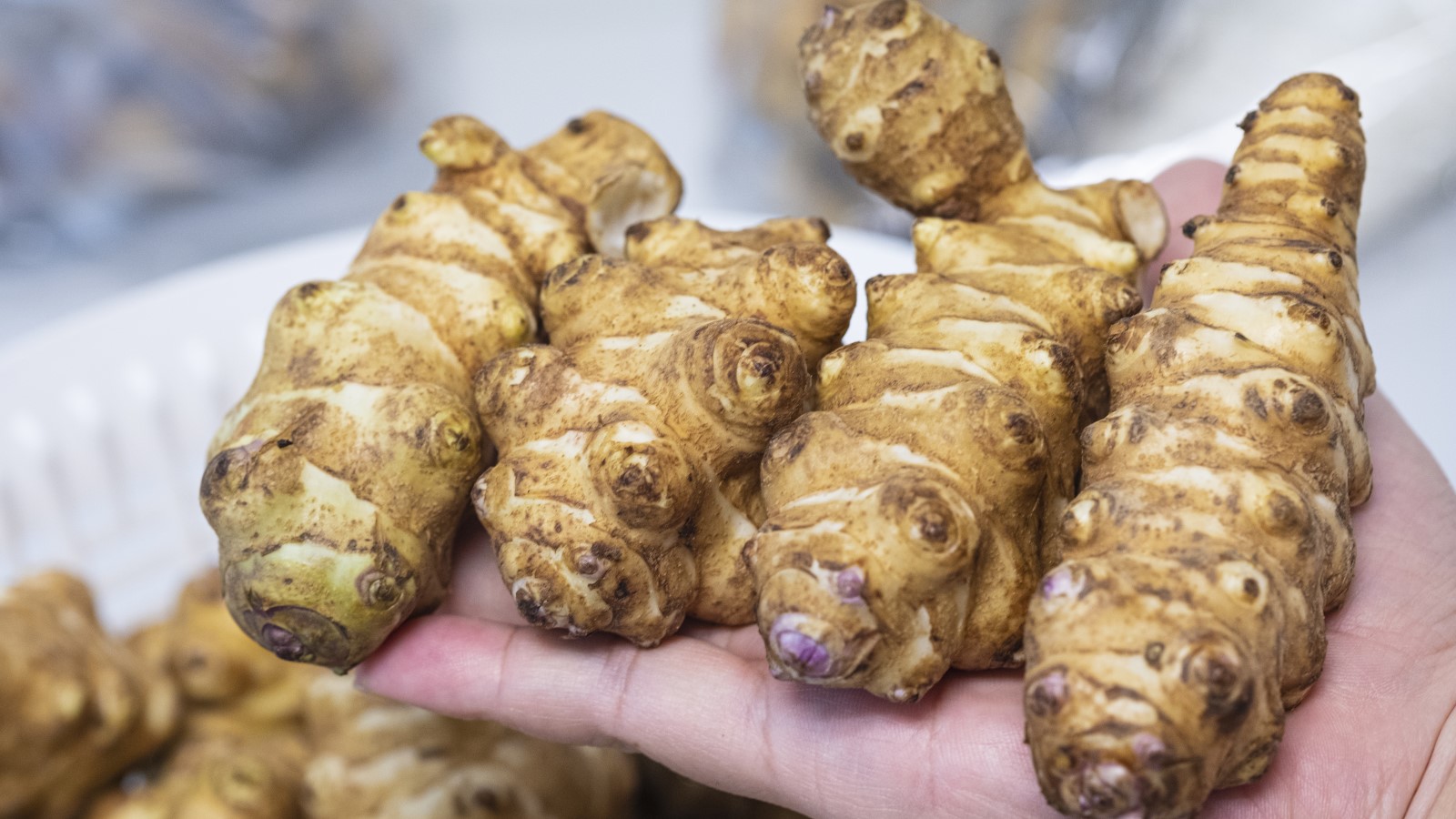
Jerusalem artichokes, also known as sunchokes or earth apples, belong to the sunflower family and are a great source of inulin, a prebiotic fiber that supports the growth of beneficial bacteria in the gut. Inulin not only improves digestion but also enhances mineral absorption in the large intestine, which contributes to better overall health.
Jerusalem artichokes are versatile and can be prepared in various ways, such as roasted, mashed, or in soups. By adding Jerusalem artichokes to your meals, you can support your gut health while enjoying a nutrient-rich and tasty vegetable.
Garlic
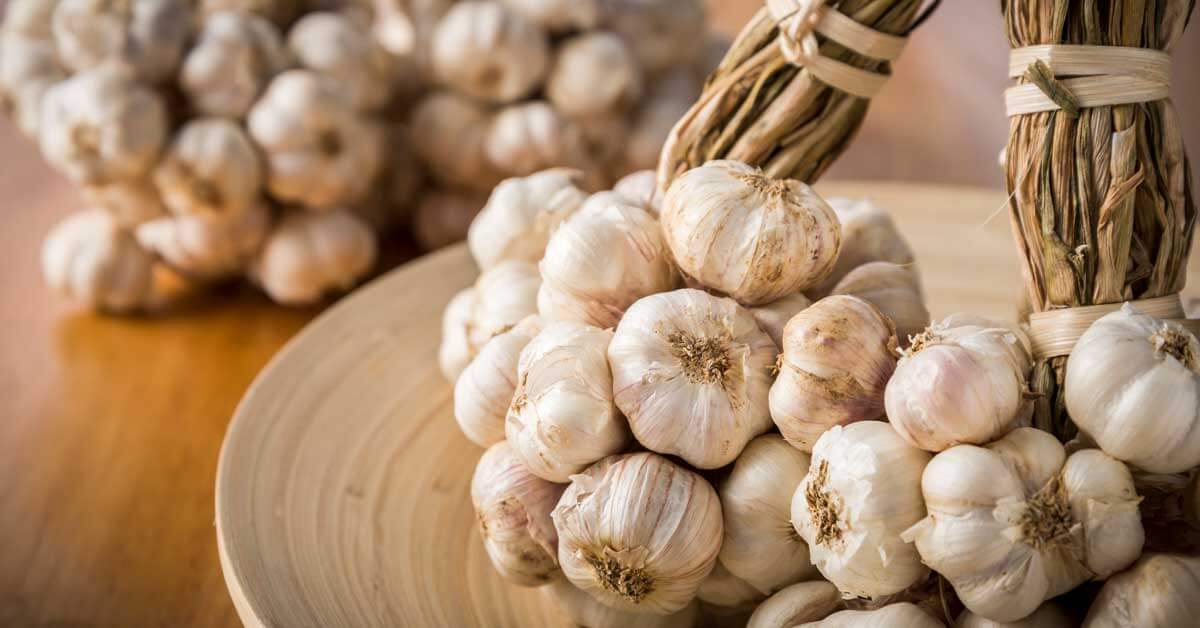
Garlic is a widely used herb that offers more than just flavor - it also serves as a potent prebiotic. The prebiotic properties of garlic help stimulate the growth of beneficial Bifidobacteria in the gut while preventing the growth of harmful bacteria.
This effect makes garlic an important food for maintaining a healthy gut microbiome. Beyond its digestive benefits, garlic also supports immune function and has antioxidant and anti-inflammatory properties.
Onions
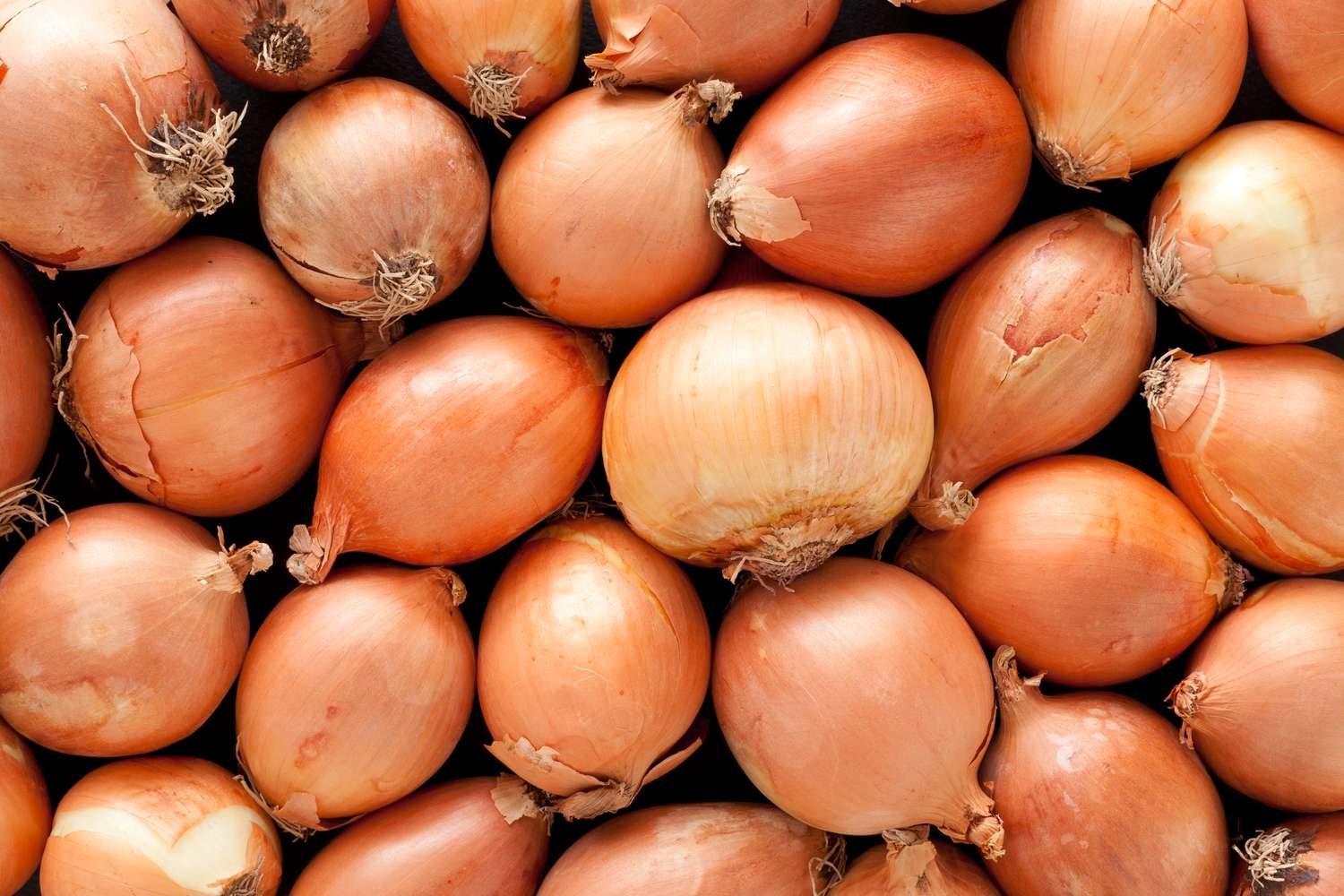
Onions are not only a flavorful addition to many dishes but also a great source of prebiotics. They are rich in inulin and fructooligosaccharides (FOS), both of which are prebiotic fibers that support gut health.
FOS helps to stimulate the growth of beneficial gut bacteria and plays a role in fat metabolism, making onions a beneficial food for digestion and weight management. In addition to their prebiotic effects, onions are high in antioxidants and have anti-inflammatory properties.
Leeks
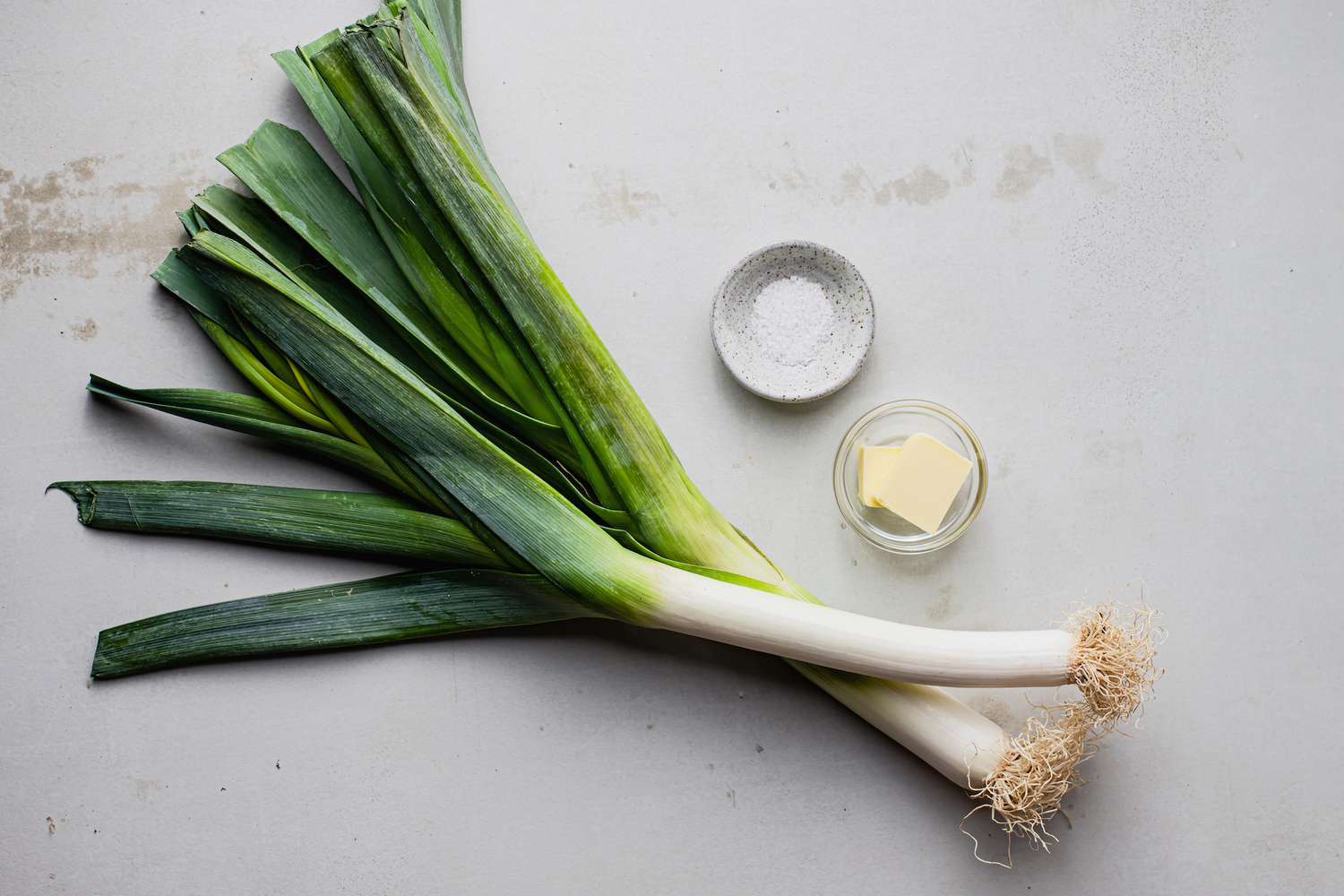
Leeks, a member of the allium family alongside onions and garlic, are another excellent source of prebiotics. They contain inulin, a prebiotic fiber that promotes the growth of healthy bacteria in the gut, supporting digestive health.
Leeks are nutrient-dense, meaning they are low in calories but packed with essential vitamins and minerals, including vitamin K, folate, and vitamin C. Their fiber content also supports healthy digestion and can help reduce the risk of digestive issues such as constipation.
Asparagus
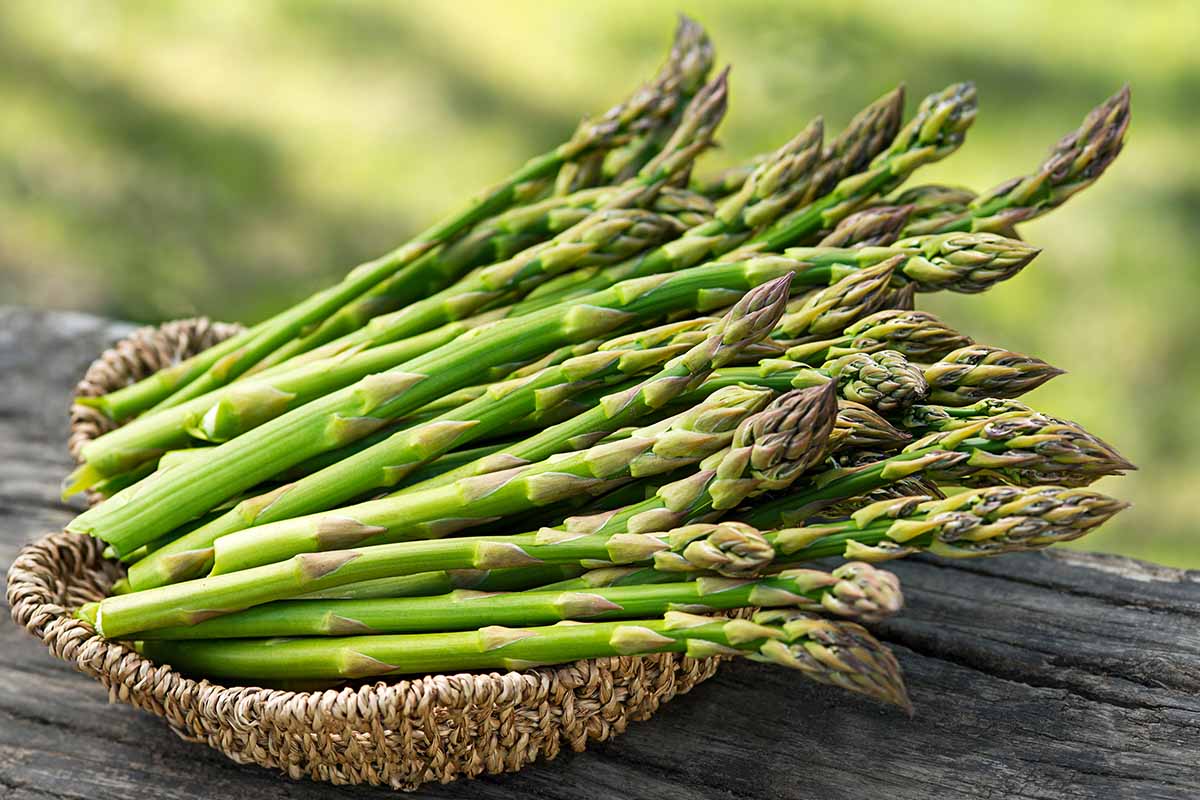
Asparagus is a popular vegetable that serves as a fantastic source of prebiotics, thanks to its inulin content. Inulin is a type of soluble fiber that feeds beneficial bacteria in the gut, helping to enhance digestion and overall gut health.
Asparagus is also rich in vitamins and minerals, including vitamins A, C, E, and K, and is a good source of folate. Its antioxidant properties help protect the body from oxidative stress, and its fiber content aids in regular bowel movements.
Barley
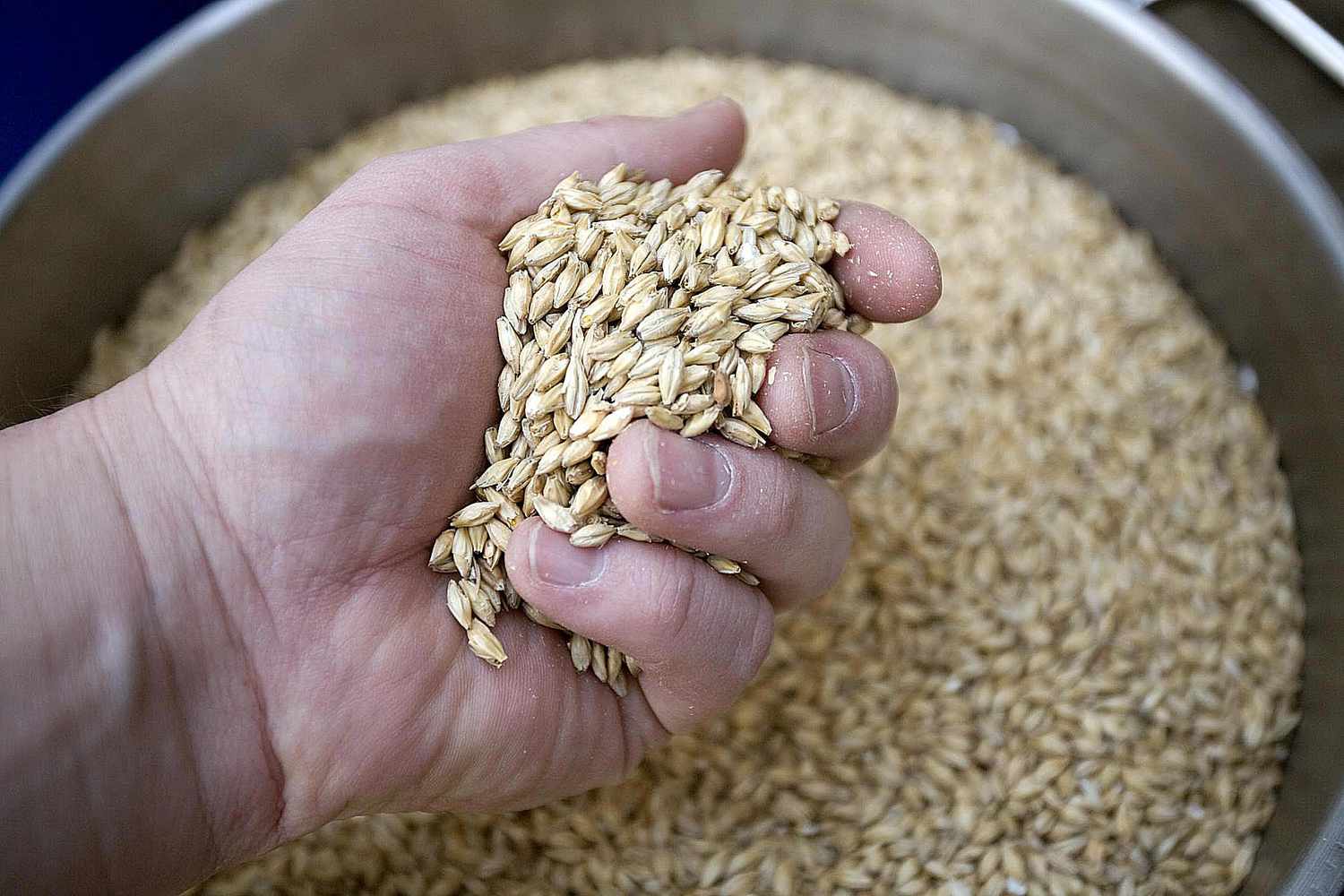
Barley is a versatile whole grain that is rich in beta-glucan, a prebiotic fiber that supports the growth of healthy gut bacteria. Beta-glucan also has several other health benefits, such as lowering cholesterol levels, improving blood sugar control, and reducing the risk of cardiovascular disease.
Barley can be incorporated into various dishes, including soups, salads, and grain bowls, making it a versatile and nutritious option for promoting digestive health. Its high fiber content helps to keep the digestive system moving and supports overall gut health, making it an ideal addition to any diet.
Oats
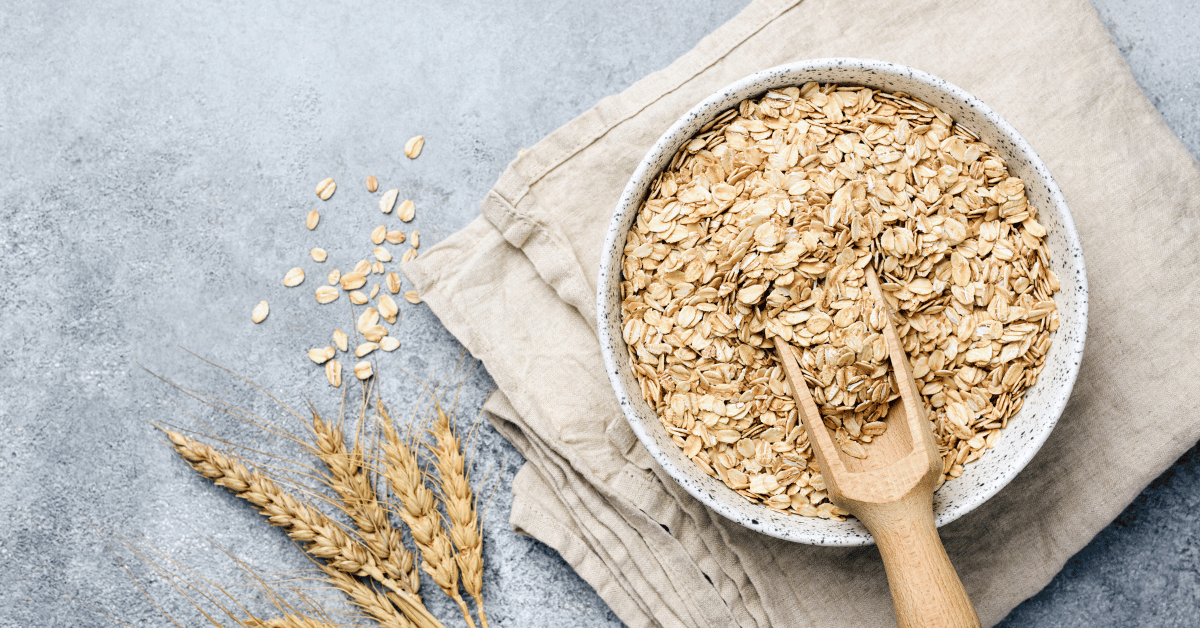
Oats are a whole grain that provides numerous health benefits, including prebiotic effects. Like barley, oats are rich in beta-glucan and resistant starch, both of which help support the growth of beneficial bacteria in the gut.
Oats also contain various phytochemicals that act as prebiotics, further supporting gut health. In addition to their prebiotic properties, oats are known for their ability to help lower cholesterol and improve blood sugar control. Healthy food optionslike oats are an excellent addition to your diet, providing multiple health benefits while supporting overall wellness.
Apples
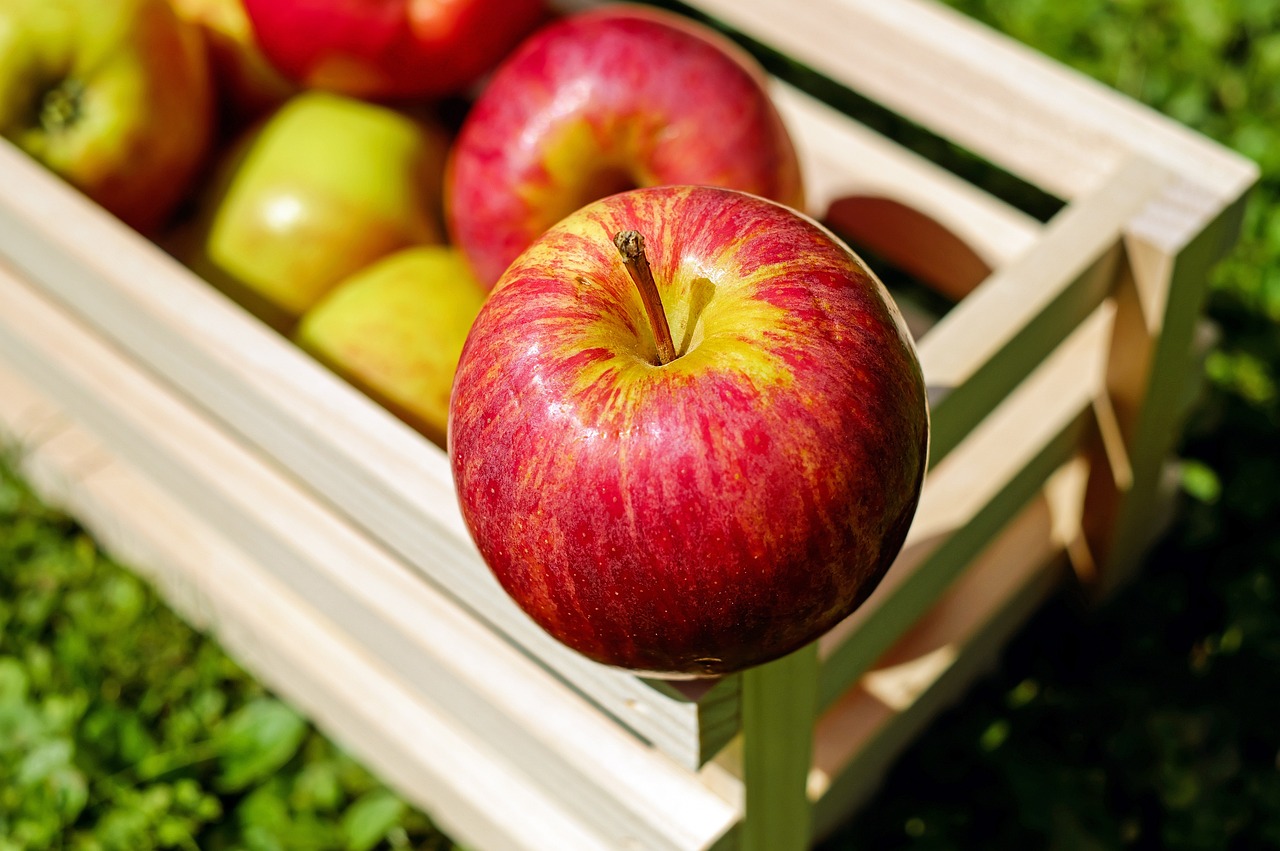
Apples are a delicious fruit that is rich in pectin, a soluble fiber with prebiotic properties. Pectin helps increase the production of butyrate, a short-chain fatty acid that nourishes beneficial gut bacteria while reducing the growth of harmful bacteria.
Apples are also a good source of vitamin C and antioxidants, which contribute to overall health and wellness. Eating apples regularly can help improve digestive health, support the gut microbiome, and promote regular bowel movements.
Konjac Root

Konjac root, also known as elephant yam, is a tuber that is rich in glucomannan fiber, a highly viscous dietary fiber that acts as a prebiotic. Glucomannan promotes the growth of beneficial gut bacteria and has numerous other health benefits, such as aiding in weight management, improving cholesterol levels, and supporting digestive health.
Konjac root is commonly used to make konjac noodles, a low-calorie and high-fiber alternative to traditional pasta. It can also be used in other food products and supplements to provide digestive and health benefits. Adding konjac root to your diet can help improve gut health while offering additional wellness advantages.
Cocoa
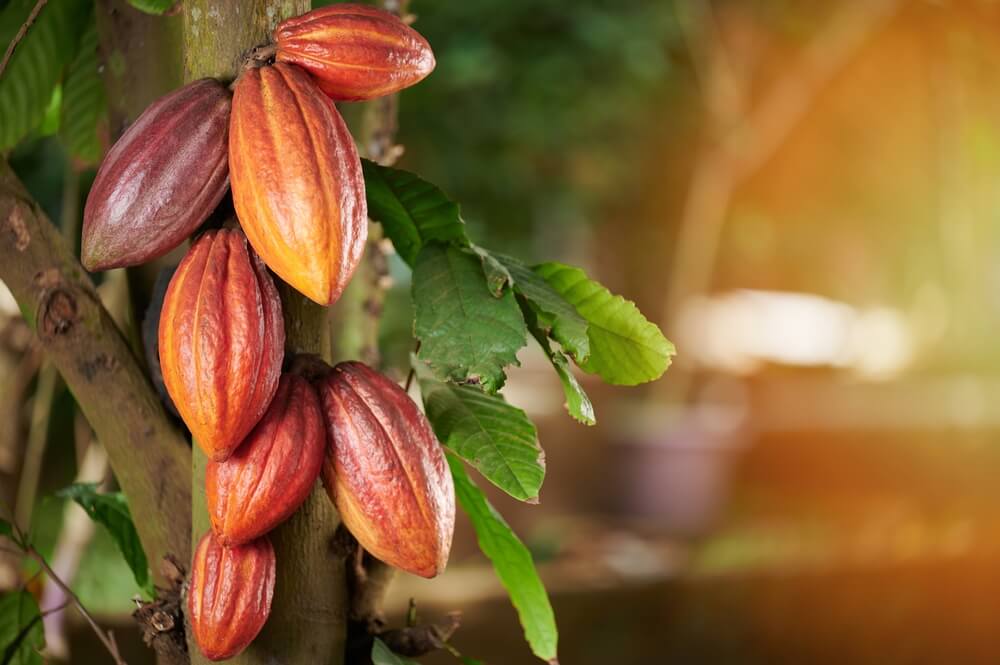
Cocoa, made from the seeds of the Theobroma cacao tree, is rich in polyphenols, particularly flavanols, which provide antioxidant and anti-inflammatory effects. These polyphenols also help promote the growth of beneficial gut bacteria while reducing the growth of harmful bacteria.
Cocoa has been linked to several health benefits, including improved heart health, brain function, and digestive health. Adding cocoa powder to smoothies, oatmeal, or baked goods can provide these prebiotic benefits while also offering a delicious, nutrient-dense boost to your diet.
Burdock Root
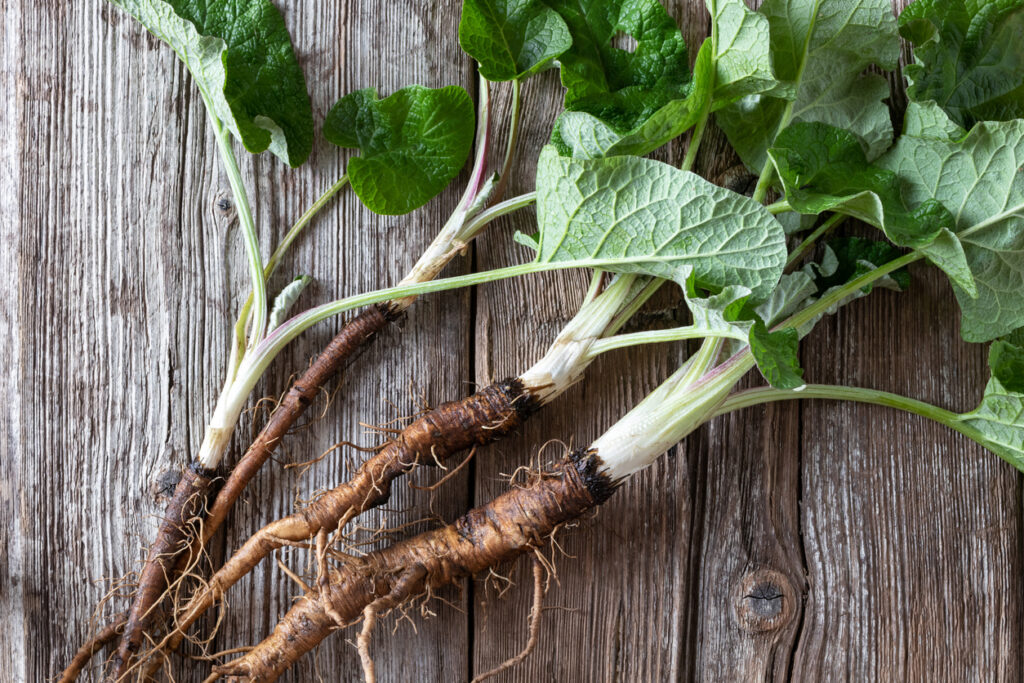
Burdock root is a vegetable commonly used in Japanese cuisine that is rich in inulin and fructooligosaccharides (FOS), both of which are prebiotic fibers that support the growth of healthy bacteria in the digestive tract. Burdock root also contains phenolic compounds that provide additional health benefits, including antioxidant and anti-inflammatory properties.
It has been traditionally used for detoxification and supporting liver health. Burdock root can be consumed in various forms, such as in soups, stir-fries, or teas, making it a versatile and nutritious addition to a gut-friendly diet.
Read Also: Foods To Support Digestion And Gut Health
Flaxseeds
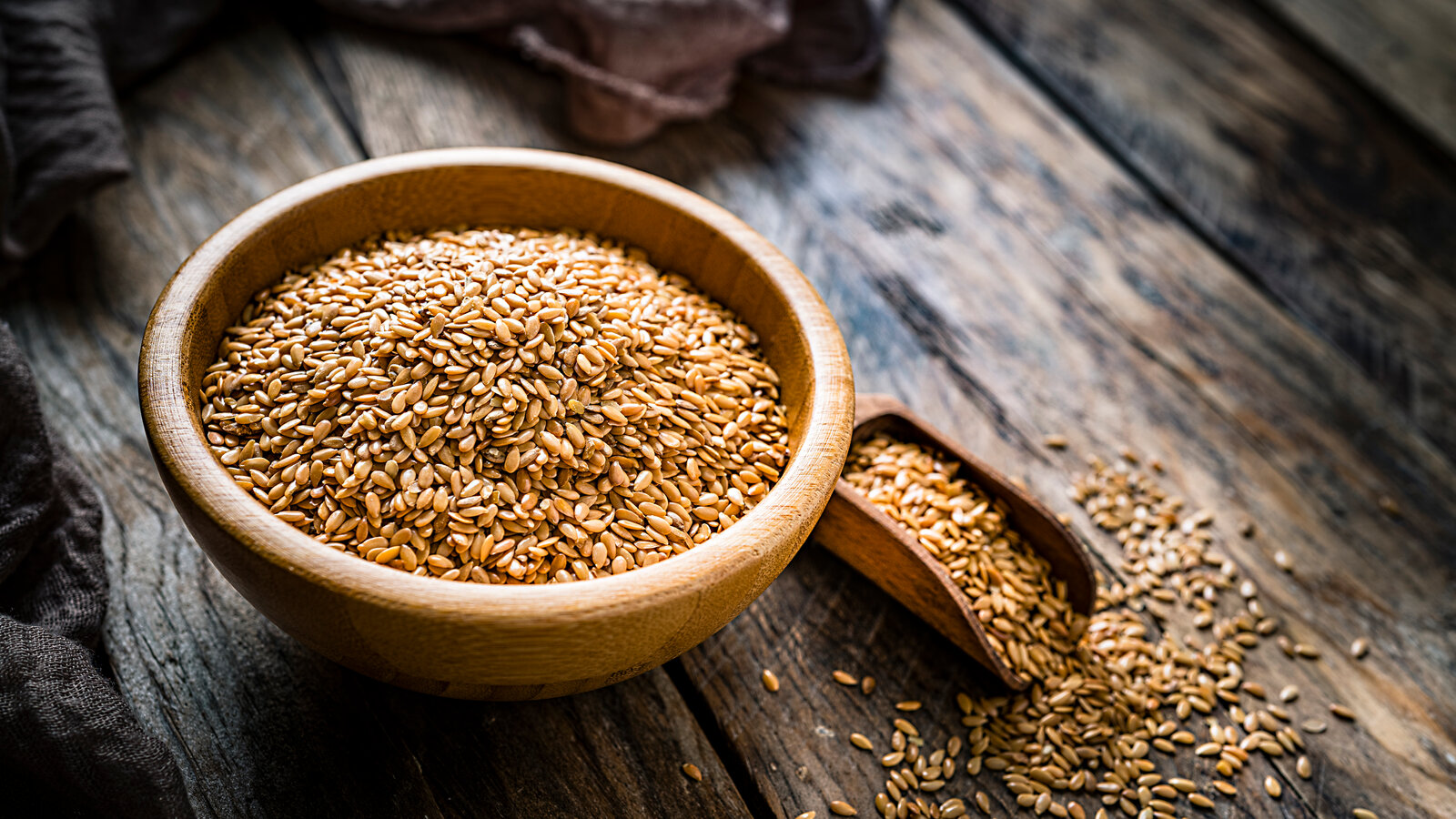
Flaxseeds are an excellent source of prebiotics, providing fiber that promotes the growth of healthy gut bacteria and supports regular bowel movements. Flaxseeds are also rich in omega-3 fatty acids, which have anti-inflammatory properties and support heart health.
In addition to their fiber content, flaxseeds contain phenolic antioxidants, which help protect the body from oxidative stress. Flaxseeds can be easily incorporated into your diet by adding them to smoothies, yogurt, baked goods, or salads, making them a simple yet powerful food for supporting gut health.
Yacon Root

Yacon root is a fiber-rich vegetable that is similar to sweet potatoes and is known for its prebiotic properties. Yacon root contains fructooligosaccharides (FOS) and inulin, both of which promote the growth of beneficial bacteria in the gut.
It also contains phenolic compounds with antioxidant properties that support overall health. Yacon root is commonly consumed as a syrup or in powdered form, and it can be added to beverages, smoothies, or other recipes.
Jicama Root

Jicama root is a low-calorie vegetable that is high in fiber, particularly inulin, a prebiotic fiber that supports gut health. Jicama has been shown to improve digestion, enhance insulin sensitivity, and lower blood sugar levels in older animal studies.
It is also rich in antioxidants and vitamin C, which support immune function and overall wellness. Jicama can be eaten raw in salads, sliced as a snack, or added to cooked dishes. Its prebiotic fiber content makes it a great food for maintaining a healthy digestive system.
Wheat Bran
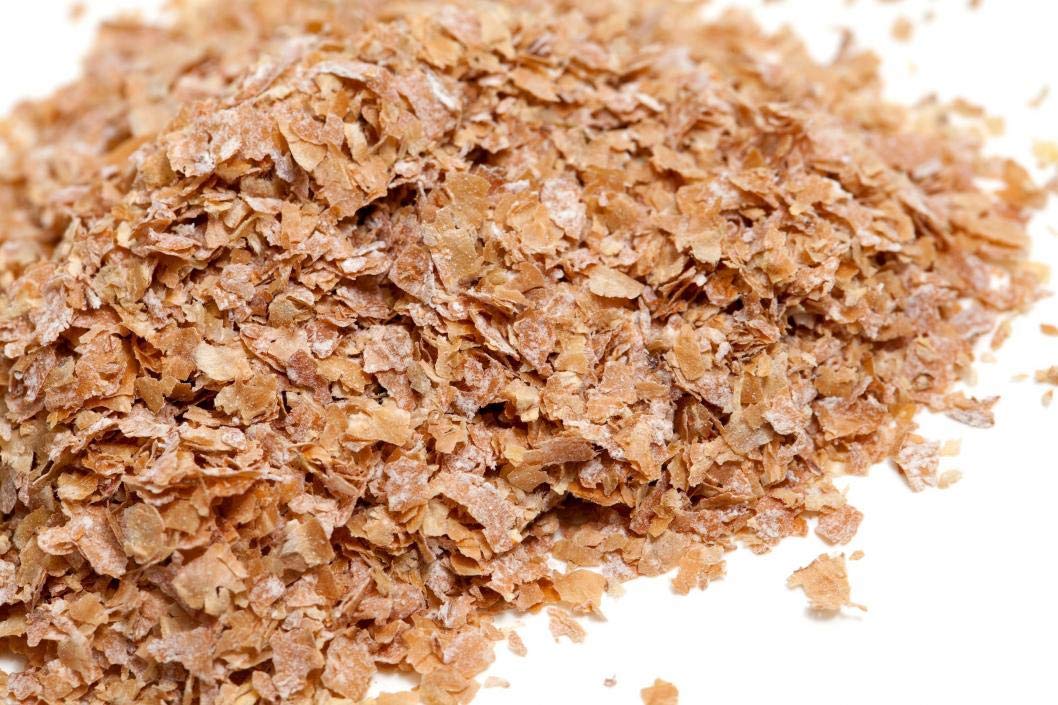
Wheat bran is the outer layer of the whole wheat grain and contains arabinoxylan oligosaccharides (AXOS), a prebiotic fiber that supports the growth of beneficial Bifidobacteria in the gut. AXOS fiber from wheat bran has been shown to improve gut health by promoting regular bowel movements and softening stools in individuals with slow digestion.
Wheat bran is a versatile ingredient that can be added to cereals, baked goods, smoothies, or used as a topping for yogurt to increase fiber intake and support digestive health.
Seaweed
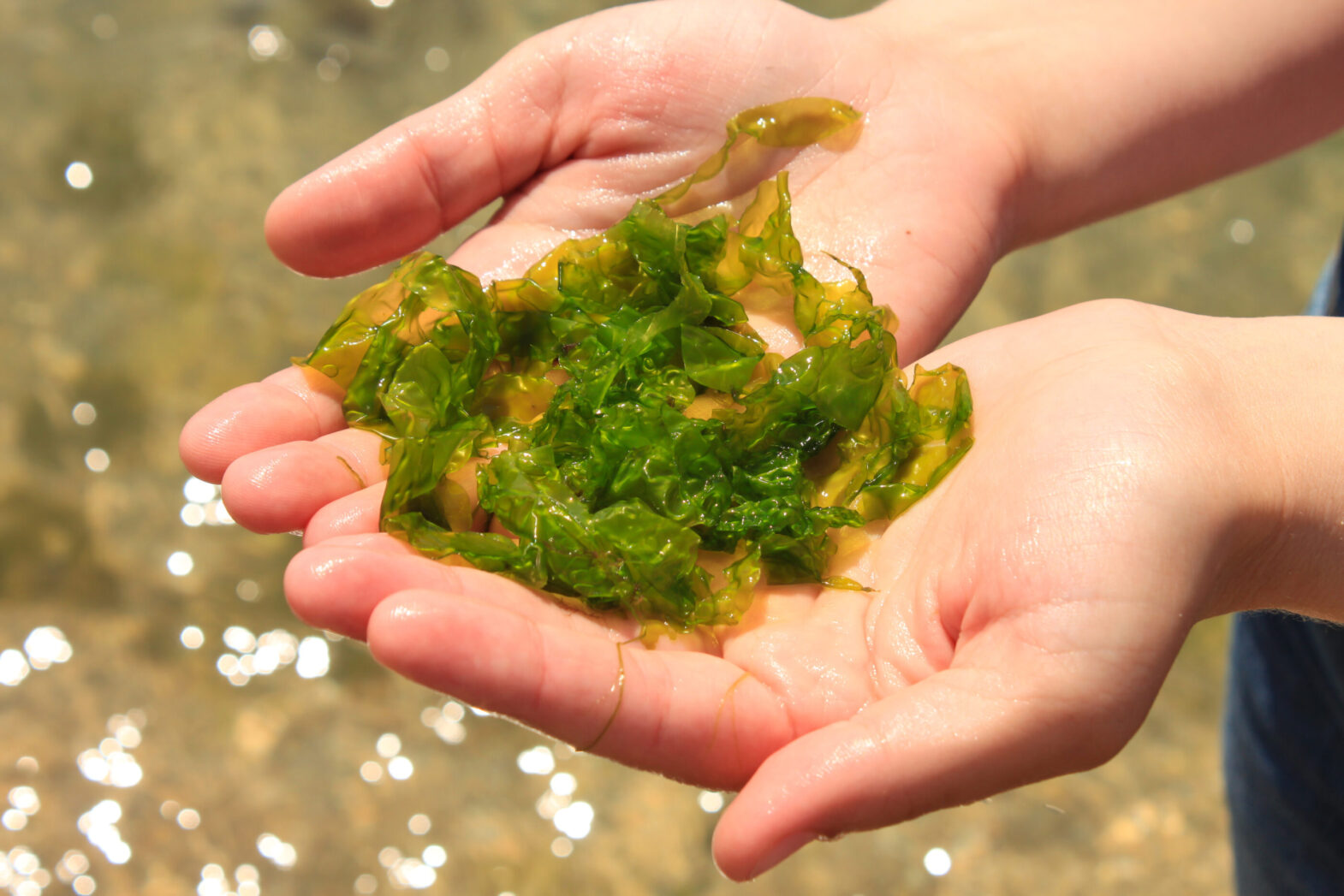
Seaweed, a form of marine algae, is rich in prebiotics and other beneficial compounds that promote gut health. Seaweed contains polysaccharides that can increase the production of short-chain fatty acids (SCFAs), which nourish the cells lining the gut and support overall digestive health.
Seaweed is also high in essential minerals, including iodine and magnesium, which contribute to general wellness. While more human research is needed to fully explore the benefits of seaweed, it remains a promising food for supporting gut health and providing valuable nutrients.
Avocado
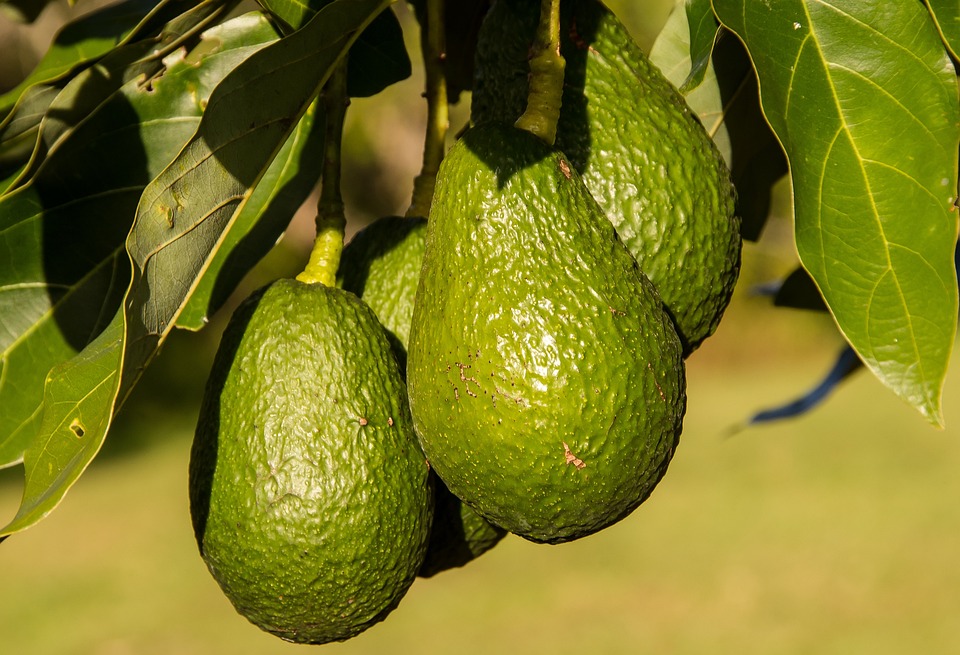
Avocados are a nutritious fruit that contain pectin, a type of soluble fiber with prebiotic properties. Pectin helps promote the growth of beneficial gut bacteria while reducing the presence of harmful bacteria.
In addition to their prebiotic benefits, avocados are rich in healthy fats, particularly monounsaturated fats, which support heart health. Regular consumption of avocados has been shown to enhance gut health by increasing the production of short-chain fatty acids and improving the overall balance of gut bacteria.
Frequently Asked Questions
Can I Get Prebiotics From Plant-based Foods?
Many plant-based foods, like fruits, vegetables, whole grains, and legumes, are rich in prebiotics.
How Can I Increase Prebiotics In My Diet?
Include more fiber-rich foods like bananas, garlic, onions, oats, and beans in your meals to boost prebiotic intake.
Are Prebiotics The Same As Fiber?
Prebiotics are a type of fiber, but not all fiber is prebiotic. Prebiotics specifically feed good gut bacteria.
Can I Take Prebiotic Supplements?
Prebiotic supplements are available, but it’s best to get them from whole foods for maximum health benefits.
Conclusion
Prebiotic foods are like the VIPs of your digestive system, packed with fibers that give your gut some serious love! They help grow the good bacteria, tackle tummy troubles, and even give your immune system a high-five. Plus, they’re known to boost your metabolism and might even help keep nasty diseases at bay.
Want to supercharge your prebiotic intake? Just load up your plate with vibrant fruits and veggies, a hearty whole grain, and a tasty serving of beans or lentils. It's a simple way to keep things fresh, fun, and gut-friendly!
You Might Also Like: Low-Cholesterol Foods For A Healthier Heart