20 Plant-Based Protein Sources - The Ultimate List To Power Your Diet
Protein is a vital nutrient for muscle growth and overall well-being, and luckily, there are plenty of plant-based options to help you meet your needs. If you’re looking to add more plant proteins to your meals, there are a variety of foods that offer essential amino acids without the need for animal products. Keep reading to discover the top plant-based protein sources for a balanced diet.

Dec 16, 2024
Plant-based proteins are a powerful way to meet your nutritional needs, whether you’re aiming to go fully vegan or just want to diversify your protein sources. Plant-based protein sources are not only rich in protein but also provide a variety of other essential nutrients such as fiber, vitamins, and minerals. Adding these foods into your diet can support overall health, help manage weight, and reduce the risk of chronic diseases.
Lentils - The Protein Powerhouse
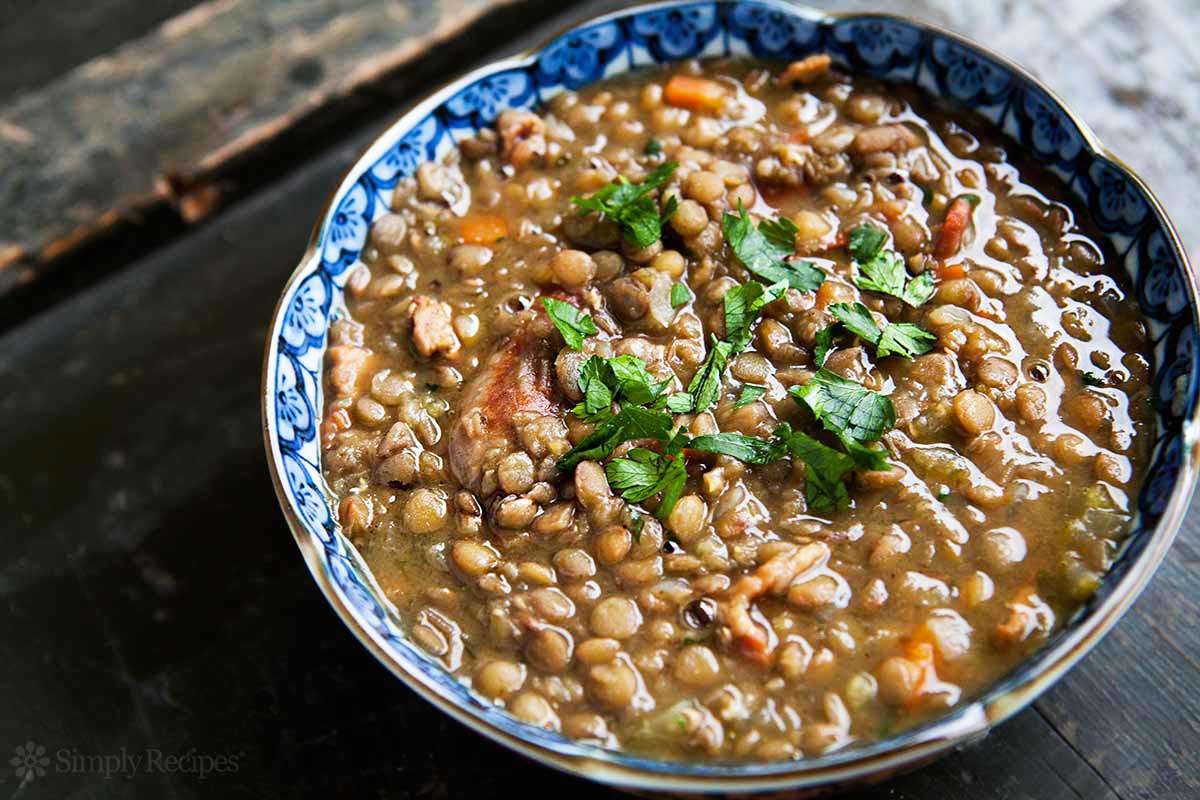
9 grams of protein per ½ cup (cooked)
Lentils are an excellent source of plant-based protein, fiber, and essential vitamins and minerals, including folate, iron, and magnesium. They're rich in antioxidants that have anti-inflammatory and anti-cancer properties, making them an ideal addition to a healthy diet. Lentils are versatile and can be incorporated into a wide range of dishes, from soups and stews to veggie burgers and curries.
How to Enjoy Them
- Add to soups, curries, and stews.
- Make lentil burgers or use them in salads for a hearty, protein-rich meal.
Chickpeas - Nutritious And Versatile
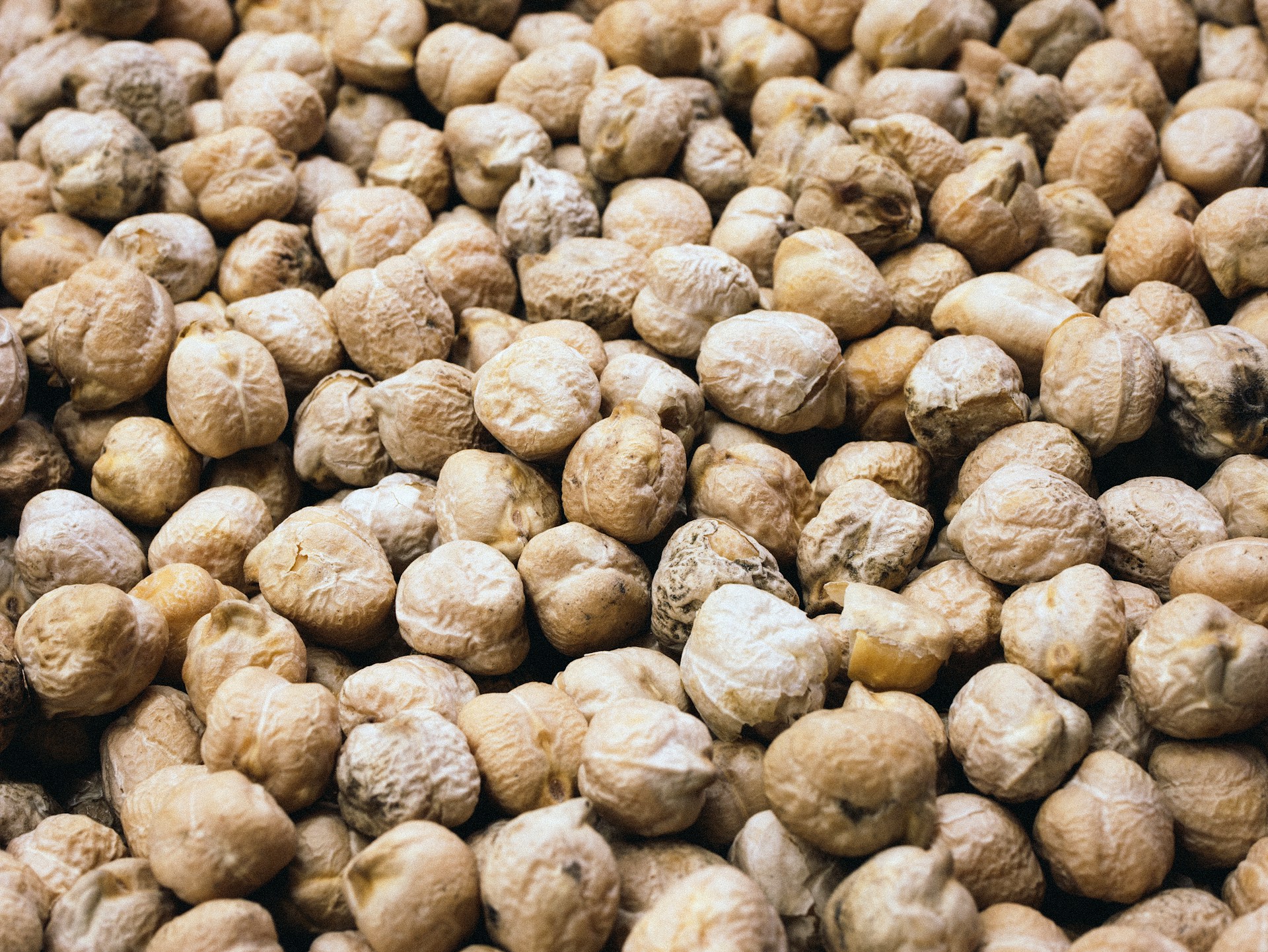
7.5 grams of protein per ½ cup
Chickpeas, or garbanzo beans, are a highly nutritious legume that provides a healthy dose of protein, fiber, folate, and iron. They are rich in antioxidants and have been linked to reduced risks of heart disease and type 2 diabetes. Chickpeas are incredibly versatile; you can enjoy them in various forms, from whole beans in salads to hummus or roasted chickpeas for a crunchy snack.
How to Enjoy Them
- Roast chickpeas for a crunchy snack.
- Blend into hummus or use in salads, stews, and curries.
Tofu - The Soy Protein Superstar
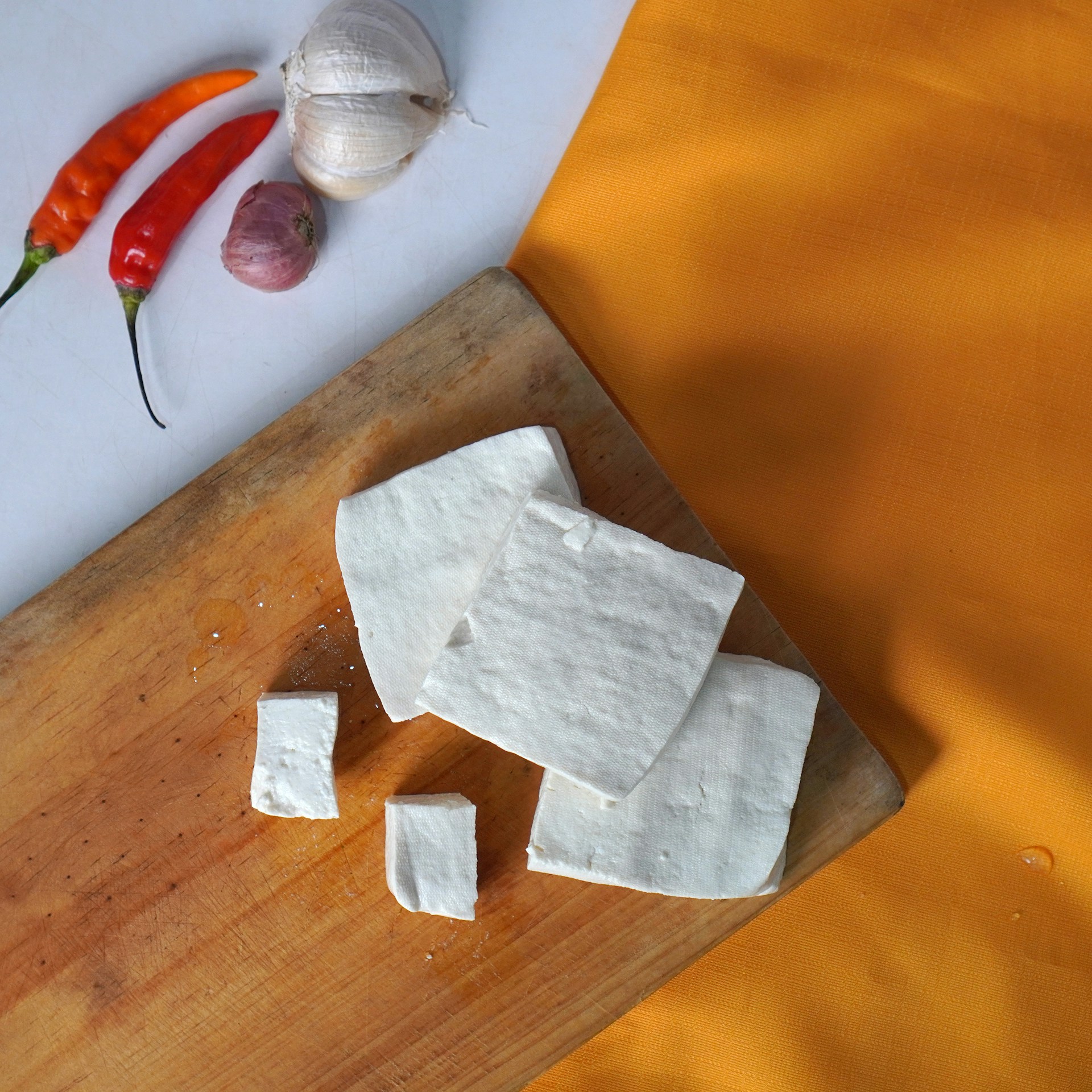
9 grams of protein per 3 oz
Tofu is made from soybeans, offering all nine essential amino acids, making it a complete protein source. Tofu is low in calories but rich in iron and calcium, which are important for bone health.
Its soft texture can be transformed into creamy dishes, while firm tofu holds up well in stir-fries or as a meat substitute in various dishes. Adding tofu into your diet provides healthy food optionsthat promote overall well-being, supporting a balanced and nutritious eating plan.
How to Enjoy It
- Stir-fry with vegetables and seasonings for a quick meal.
- Use in smoothies, or bake and grill it for a crunchy texture.
Quinoa - A Complete Protein Seed
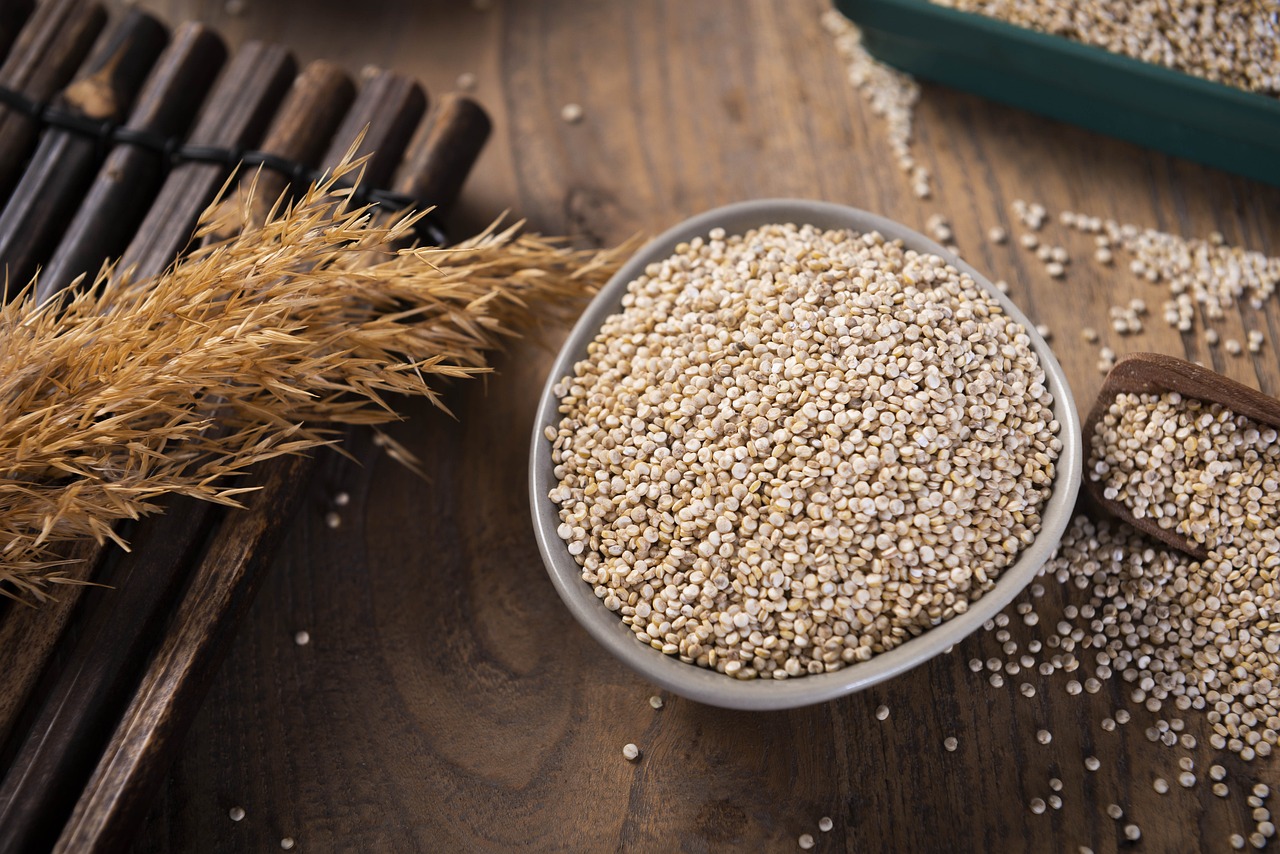
8 grams of protein per cup (cooked)
Quinoa is a unique seed often treated as a grain and is a complete protein, meaning it contains all nine essential amino acids. It’s also packed with fiber, B vitamins, magnesium, and antioxidants. Quinoa is an excellent substitute for grains like rice or pasta, and it cooks quickly. It’s gluten-free, making it suitable for those with dietary restrictions.
How to Enjoy It
- Use quinoa as a base for grain bowls, salads, or as a side dish.
- Cook with plant-based milk and spices for a hearty breakfast option.
Read Also: Best High-Protein Vegetarian Meals For Healthy Living
Hemp Seeds - Tiny But Mighty
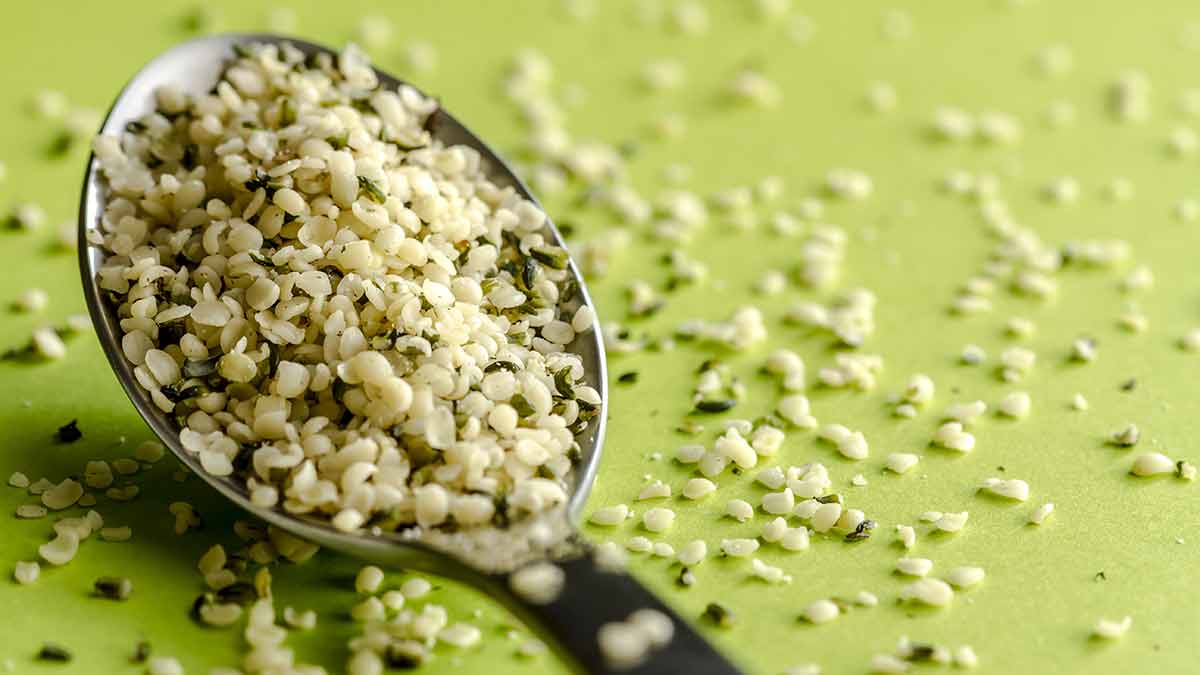
10 grams of protein per 3 tbsp
Hemp seeds are a powerhouse of protein, containing all nine essential amino acids, making them a complete protein source. They are also a rich source of healthy fats, including omega-3 fatty acids, which support heart health. Hemp seeds are easy to add to your diet; you can sprinkle them over salads, blend them into smoothies, or mix them into yogurt or oatmeal.
How to Enjoy It
- Sprinkle over salads, yogurt, or oatmeal.
- Add to smoothies or use as a topping for avocado toast.
Tempeh - Fermented Soy Protein
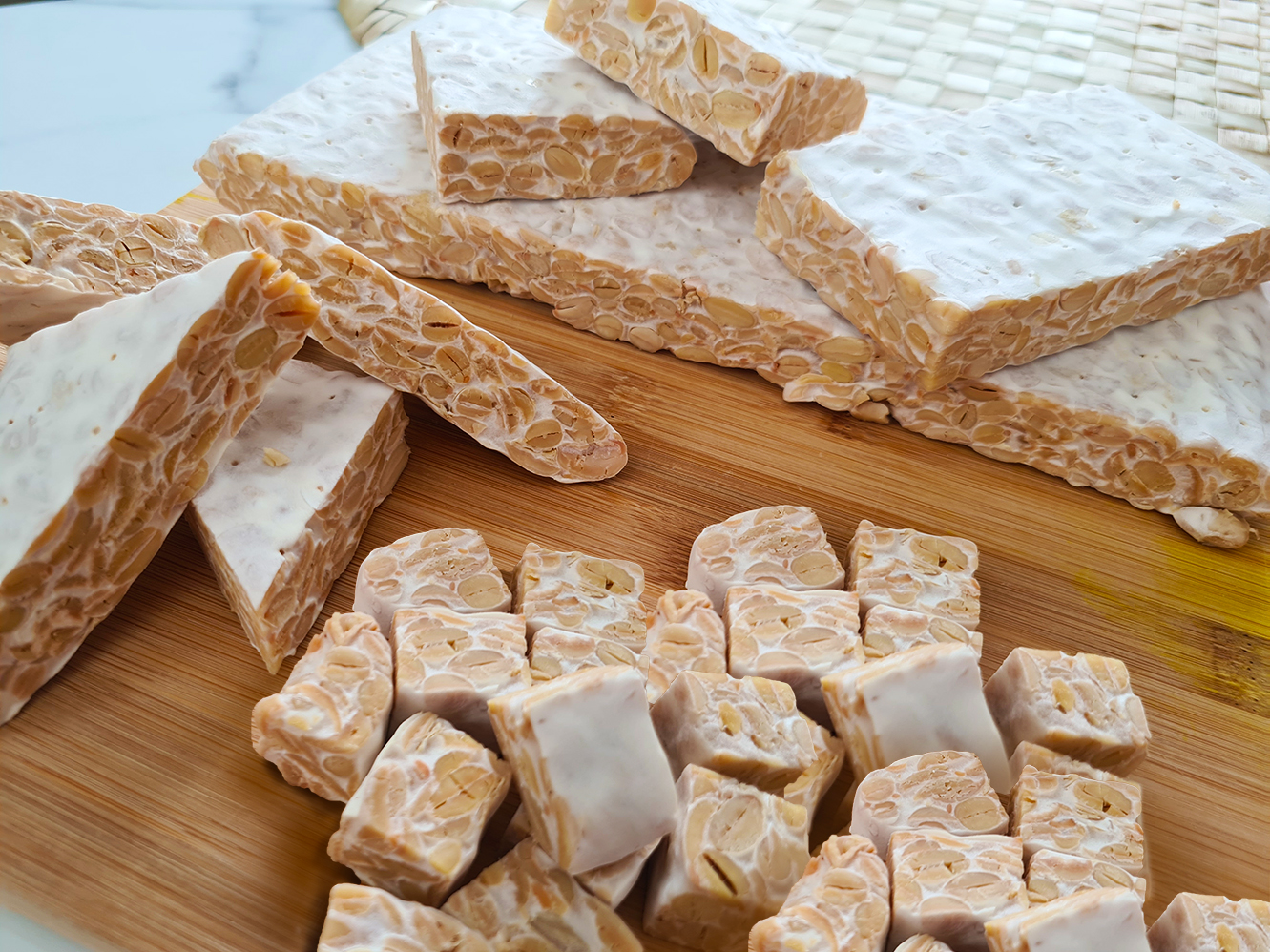
14 grams of protein per 3 oz
Tempeh is made from fermented soybeans, offering a denser texture and higher protein content than tofu. It’s a complete protein and also contains probiotics, which support gut health. Tempeh is high in iron, calcium, and magnesium, promoting bone and heart health. The fermentation process increases the digestibility of soy and may offer additional health benefits.
How to Enjoy It
- Slice and add to stir-fries, salads, or sandwiches.
- Grill or pan-fry for a crispy texture in wraps or tacos.
Nuts - Snackable Protein
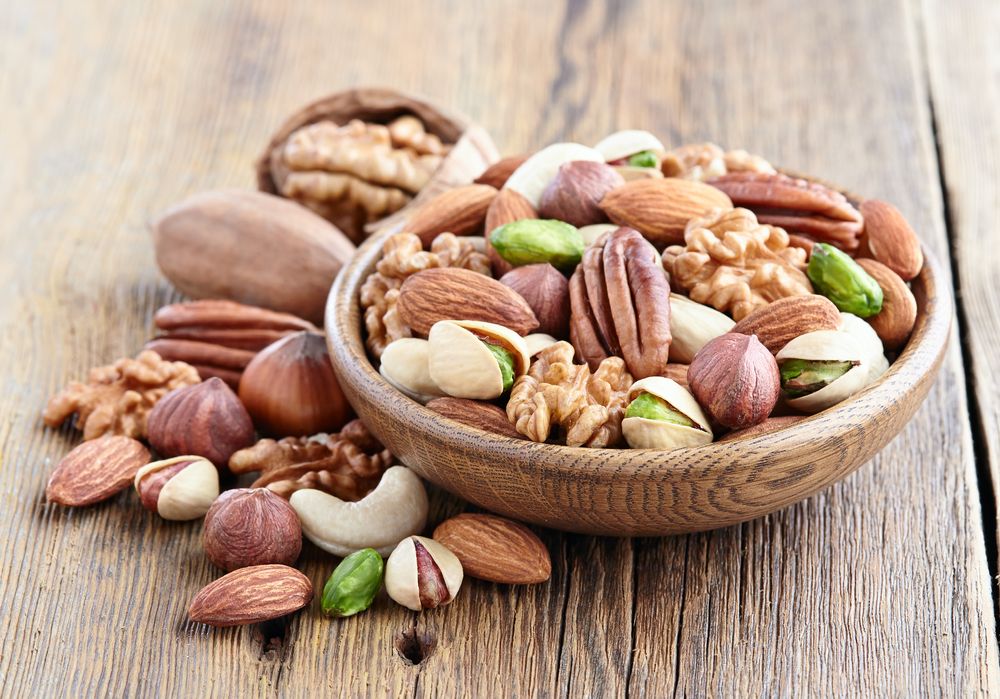
5-6 grams of protein per ¼ cup (depending on the nut)
Nuts, including almonds, pistachios, walnuts, and cashews, are great sources of protein and healthy fats. They provide around 5-6 grams of protein per small handful, making them a perfect snack for maintaining energy levelsthroughout the day. Nuts are rich in heart-healthy unsaturated fats, which can help lower cholesterol levels.
How to Enjoy Them
- Snack on a handful of nuts or add to smoothies.
- Sprinkle on salads, oatmeal, or top roasted vegetables for added crunch.
Black Beans - Nutrient-Rich Legumes
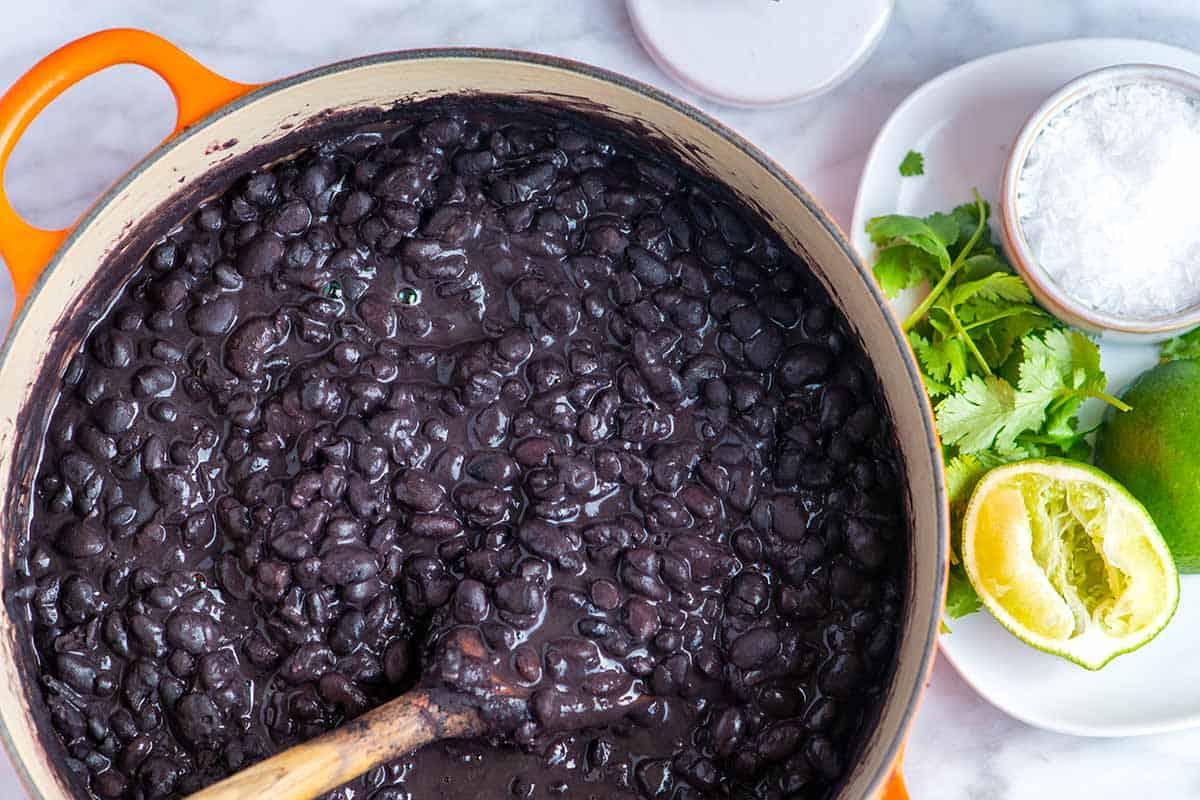
7.5 grams of protein per ½ cup
Black beans are an excellent source of plant-based protein and fiber. They also provide essential nutrients like iron, magnesium, and folate. The antioxidants in black beans may help reduce inflammation and promote heart health. They are an affordable and versatile protein option, and they pair well with a variety of flavors and cuisines.
How to Enjoy Them
- Add to salads, soups, or stir-fries.
- Mash into a dip or incorporate into veggie burgers.
Peanut Butter - A Protein-Packed Pantry Staple
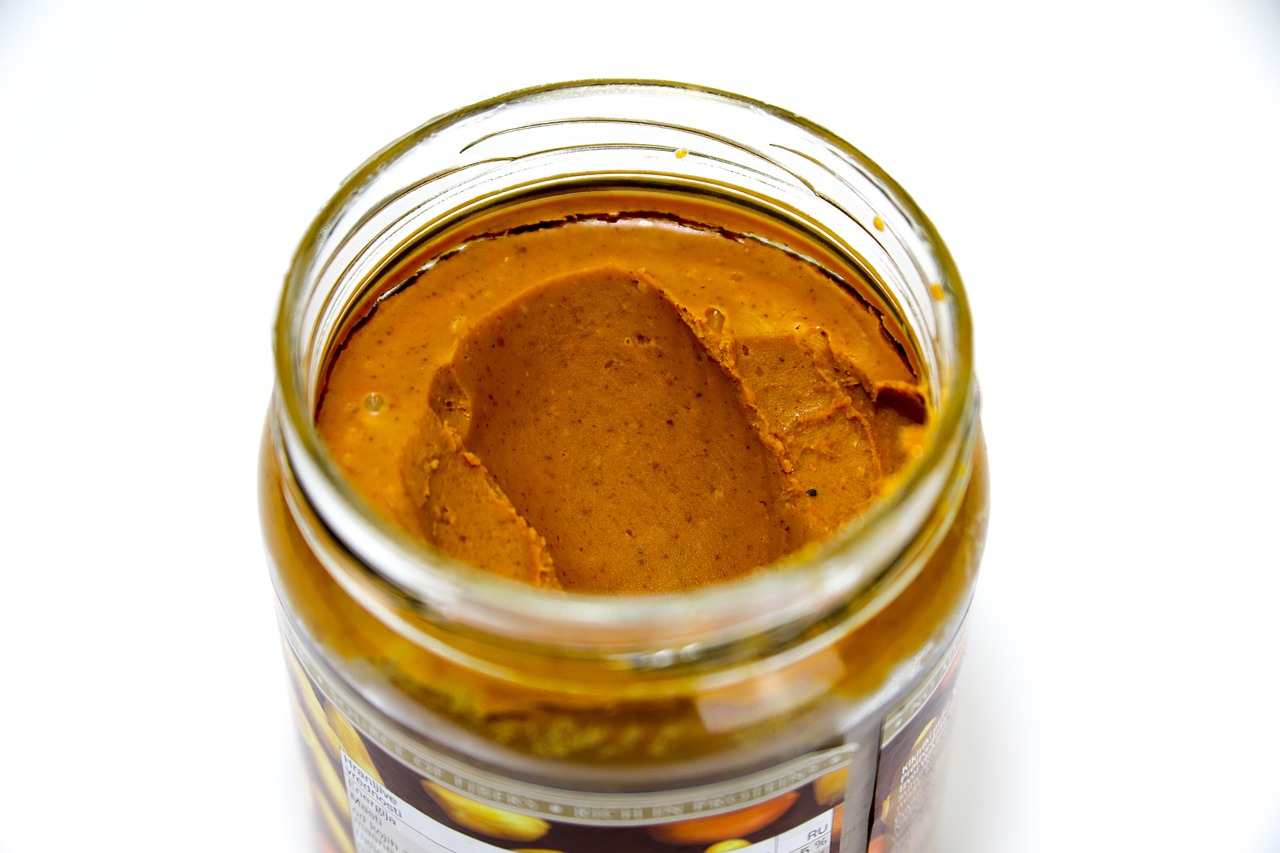
7 grams of protein per 2 tbsp
Peanut butter is a classic source of protein and healthy fats. It contains high-quality plant-based protein and is rich in unsaturated fats that support heart health. Peanut butter is also packed with antioxidants and has been shown to support brain health and weight management when consumed in moderation.
How to Enjoy It
- Spread on whole-grain toast or apple slices.
- Use as a dip for vegetables or add to smoothies.
Nutritional Yeast - The Cheesy Flavor Substitute
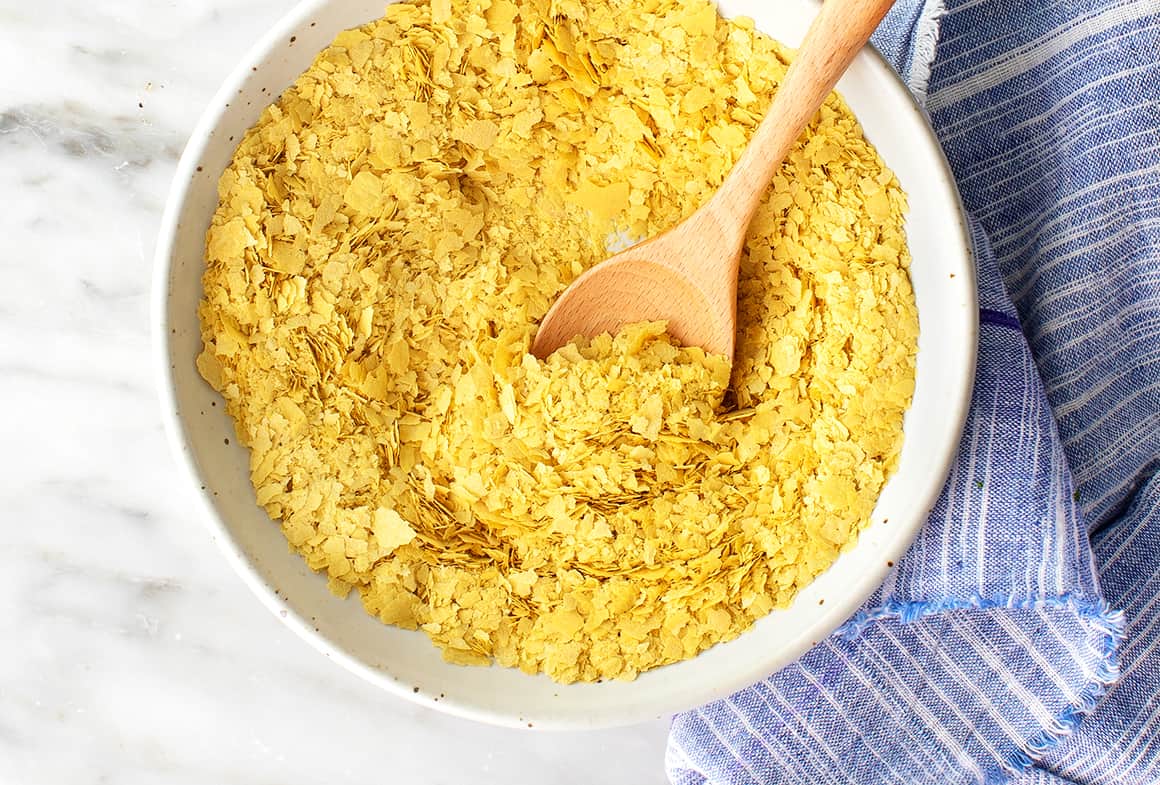
8 grams of protein per ¼ cup
Nutritional yeast is a plant-based favorite for those looking to add a cheesy, umami flavor to their meals. It’s rich in B vitamins, including B12 (if fortified), making it an essential addition to a vegan diet. Nutritional yeast is also high in protein and antioxidants, which support immune health and overall wellness.
How to Enjoy It
- Sprinkle on popcorn, pasta, or roasted vegetables for a cheesy flavor.
- Mix with cashews to create a vegan cheese sauce or add to soups for extra protein.
Chia Seeds - Nutrient-Dense Powerhouses
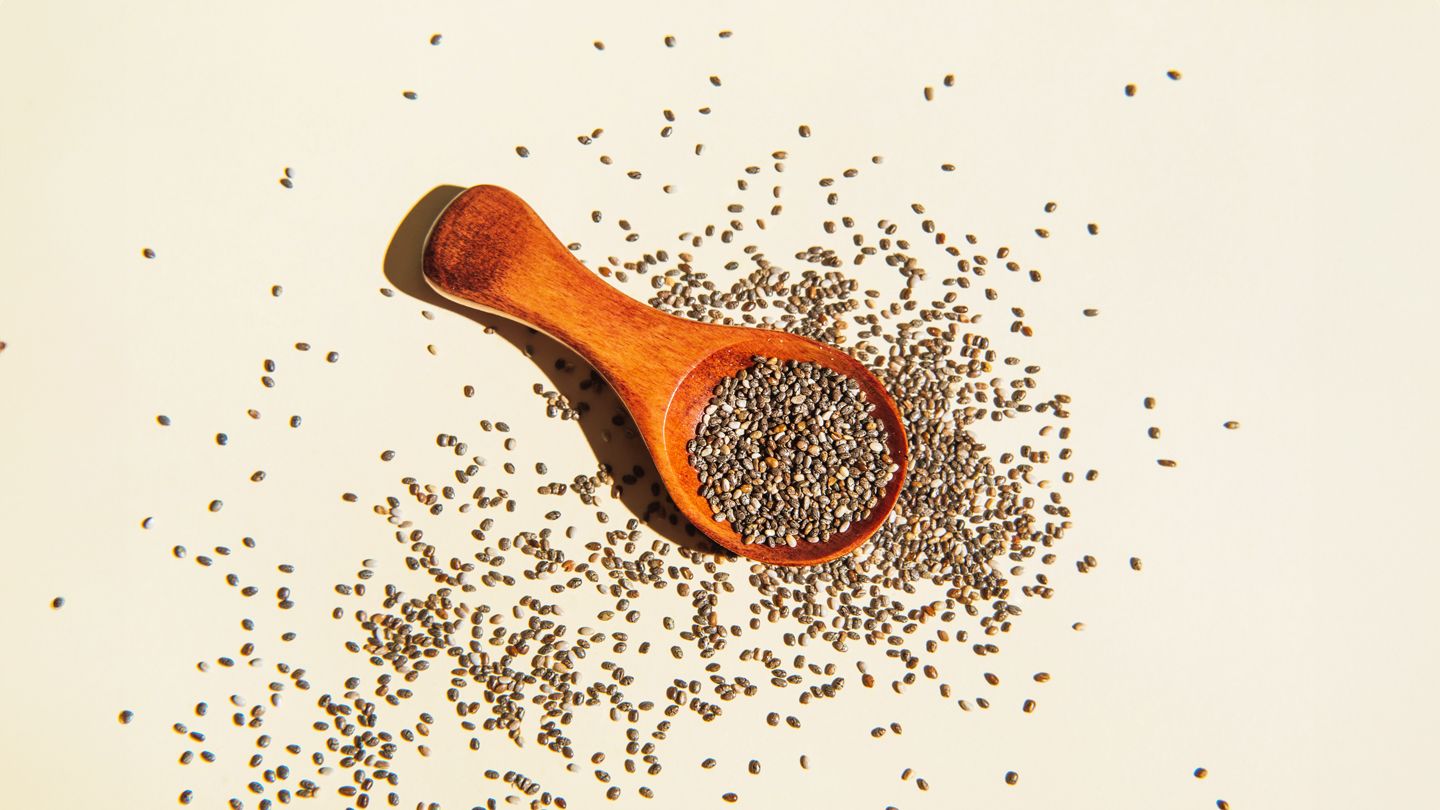
2 grams of protein per tablespoon
Chia seeds are a nutrient-dense food that offers protein, fiber, and omega-3 fatty acids. These tiny seeds are also high in antioxidants and support digestive health by promoting regularity. When soaked in liquid, chia seeds form a gel-like consistency, making them an excellent egg substitute in vegan baking.
How to Enjoy Them
- Add to smoothies or sprinkle on top of salads and oatmeal.
- Mix into yogurt or make chia pudding for a healthy dessert.
Buckwheat - High In Protein And Fiber
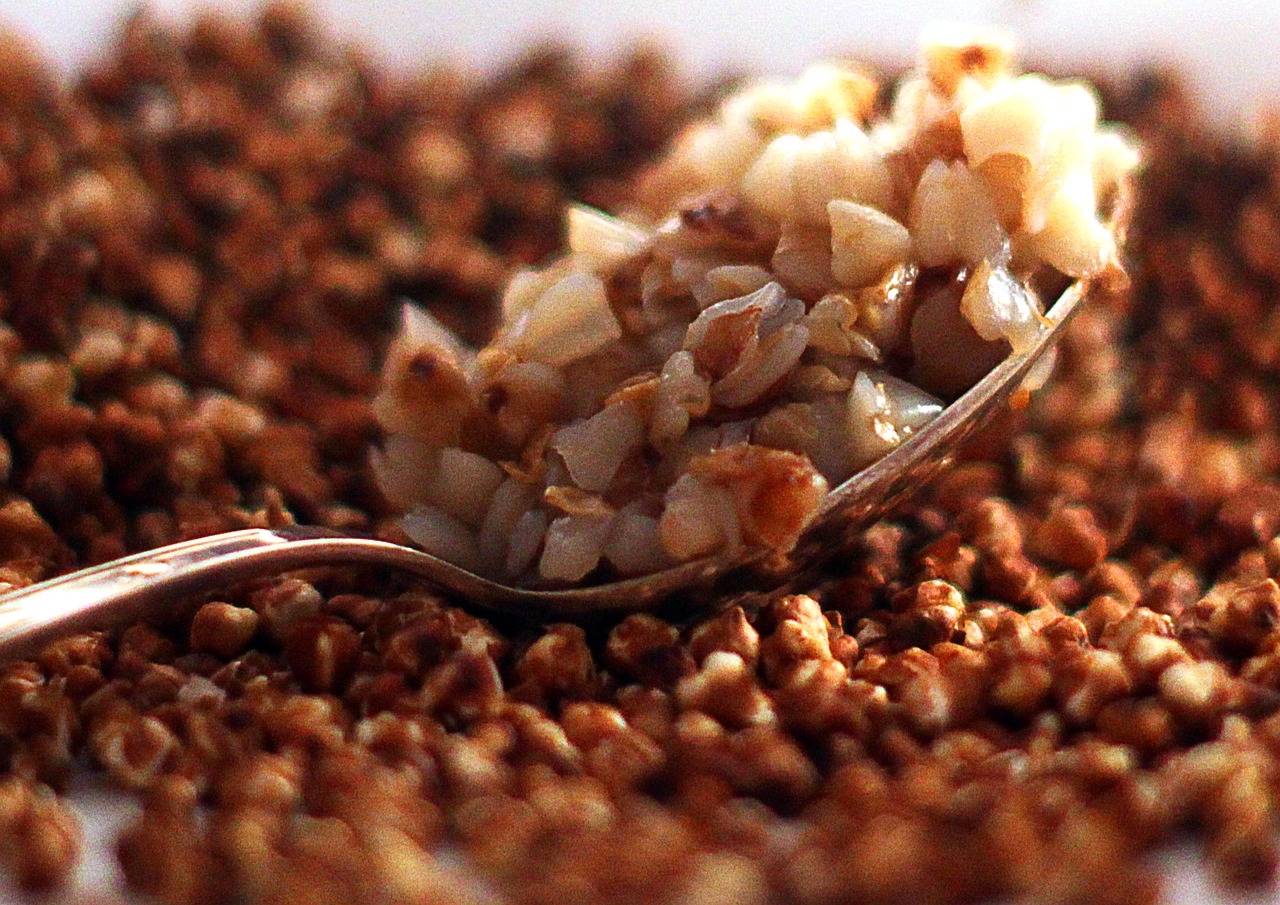
5 grams of protein per 100g (cooked)
Buckwheat is another gluten-free seed that provides both protein and fiber. It’s also high in magnesium, phosphorus, and other essential minerals. Buckwheat contains antioxidants like rutin, which can help reduce the risk of cardiovascular disease. It’s versatile and can be found in forms such as groats, flour, and pasta, making it easy to add to a variety of dishes.
How to Enjoy It
- Use buckwheat as a base for salads or grain bowls.
- Cook as a hot breakfast cereal or incorporate into baked goods.
Spelt - Ancient Grain With Protein
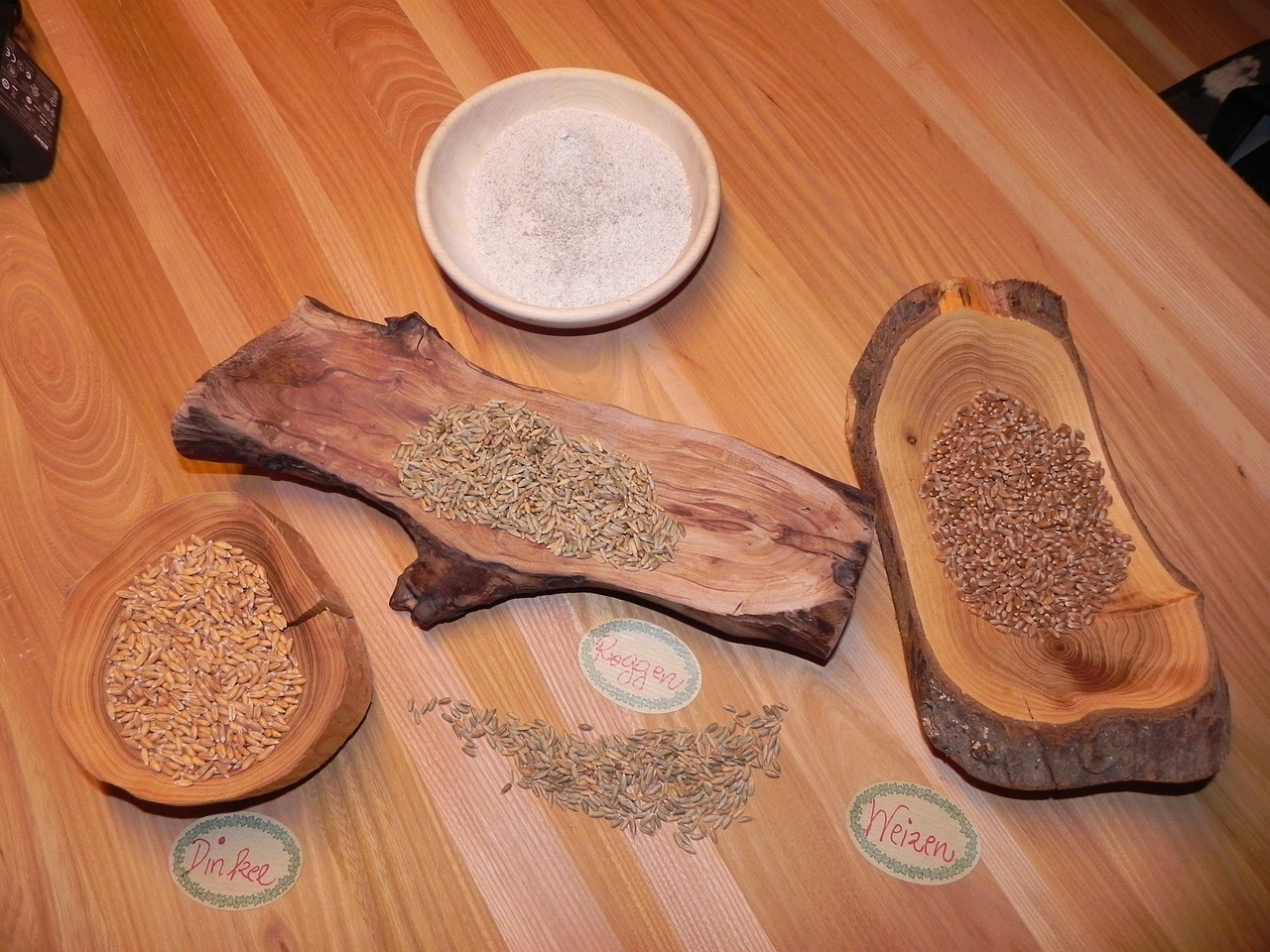
5 grams of protein per 100g
Spelt is an ancient grain that offers more protein than traditional wheat. It’s a great alternative for those looking for a nutritious, whole-grain option. Spelt is also high in fiber and important minerals, including iron, zinc, and magnesium. It has a slightly nutty flavor and a chewy texture, making it an excellent choice for salads, soups, and grain-based dishes.
How to Enjoy It
- Cook as a side dish or incorporate into grain salads.
- Use spelt flour for baking bread or pancakes.
Teff - Protein-Packed Ancient Grain
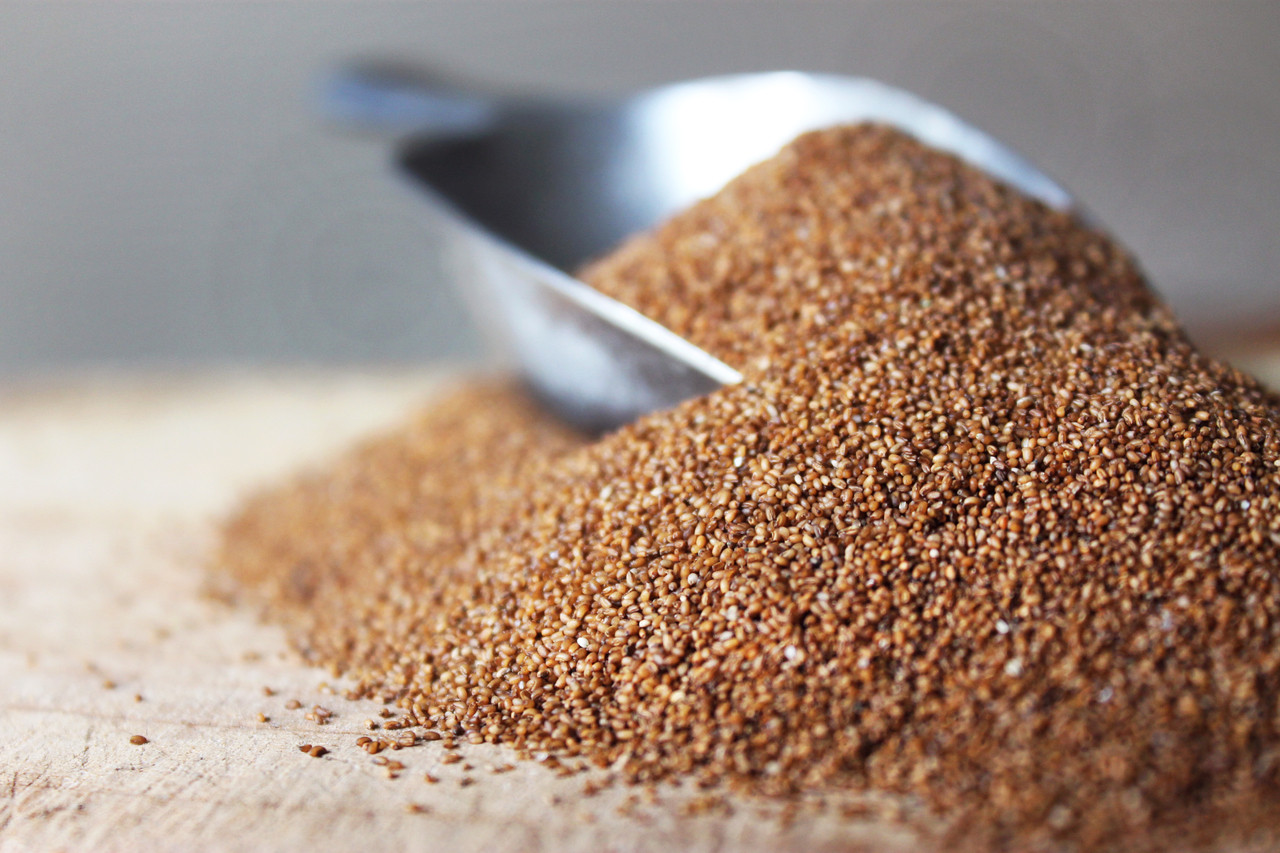
4 grams of protein per 100g
Teff is another ancient grain that provides a solid amount of protein and fiber. It's a staple in Ethiopian cuisine, often used to make injera, a traditional flatbread. Teff is also rich in calcium, iron, and magnesium, making it beneficial for bone health. It's gluten-free and can be used in a variety of dishes.
How to Enjoy It
- Use in porridge or as a base for grain bowls.
- Make gluten-free baked goods or use teff flour for pancakes.
See Also: High-protein Pancake Recipe
Amaranth - A Complete Protein Grain
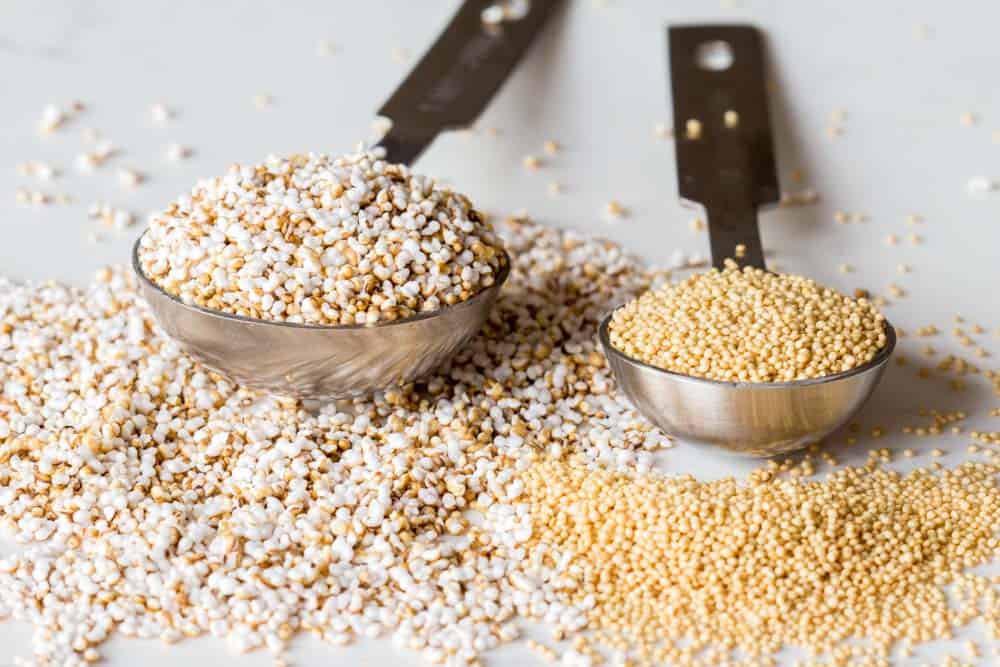
4 grams of protein per 100g
Amaranth is a gluten-free grain that is a complete protein, providing all nine essential amino acids. It’s rich in fiber, iron, magnesium, and other important nutrients. Amaranth is also known for its anti-inflammatory properties, which support overall health. It can be used in both savory and sweet dishes, making it a versatile addition to your diet.
How to Enjoy It
- Use amaranth in porridge or cook it like rice.
- Add to soups or salads for extra protein.
Sorghum - High In Protein And Fiber
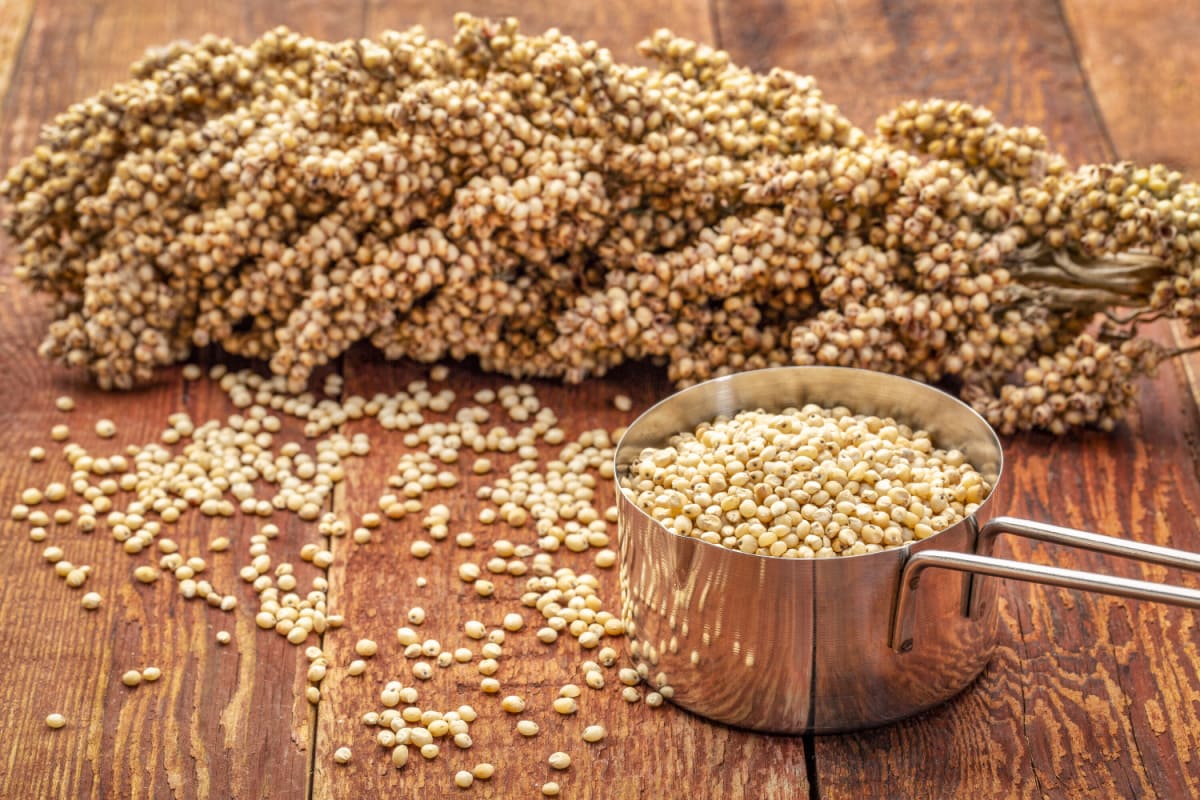
8 grams of protein per 100g
Sorghum is a lesser-known grain that’s gaining popularity for its high protein and fiber content. It’s rich in antioxidants, which can help reduce inflammation and protect against chronic disease. Sorghum is also high in B vitamins, which are essential for energy production and overall well-being. It’s gluten-free, making it suitable for people with gluten sensitivity.
How to Enjoy It
- Cook sorghum as a side dish or in grain bowls.
- Use sorghum flour in baking for a gluten-free option.
Green Peas - Tiny Protein Powerhouses
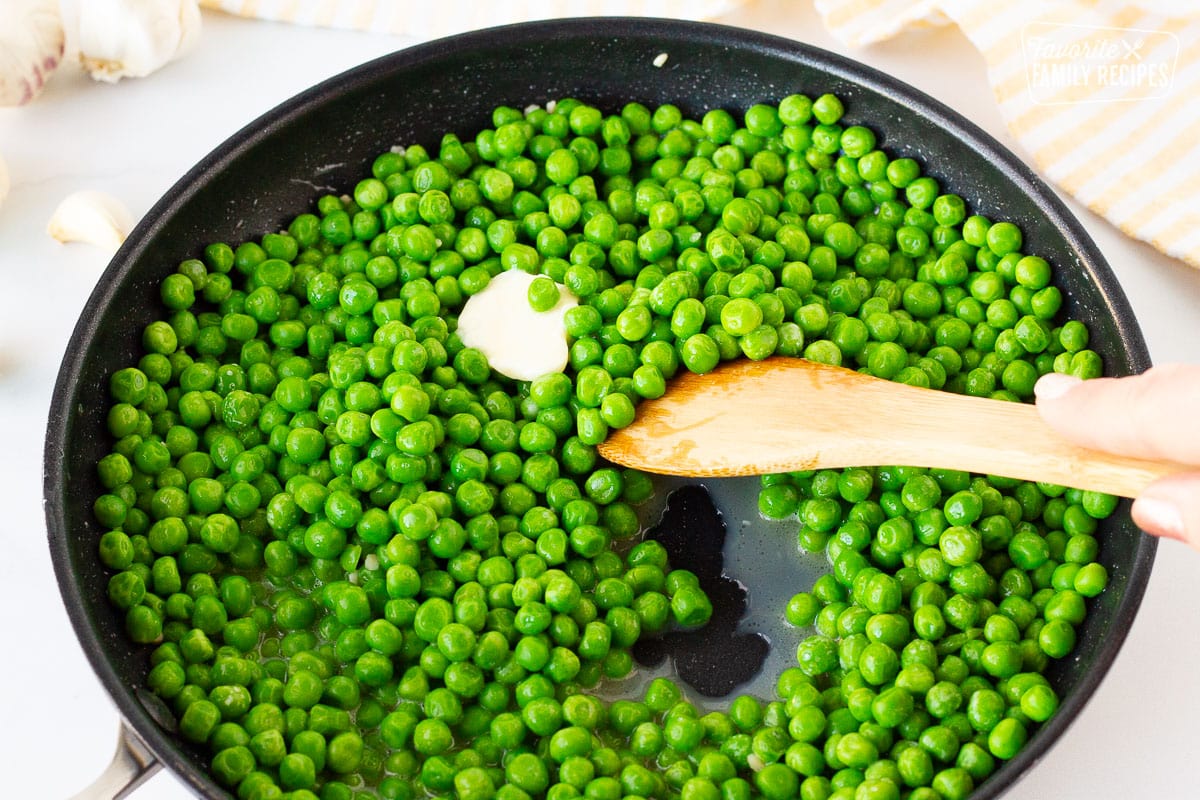
8 grams of protein per cup (cooked)
Green peas are a great source of protein, fiber, and various vitamins, including A, C, and K. They’re also high in antioxidants, which help protect the body from oxidative stress. Green peas are easy to incorporate into meals, whether as a side dish or blended into soups or dips.
How to Enjoy Them
- Add peas to stir-fries, pasta, or salads.
- Blend into hummus or mash for a savory spread.
Edamame - Protein-Rich Soybeans
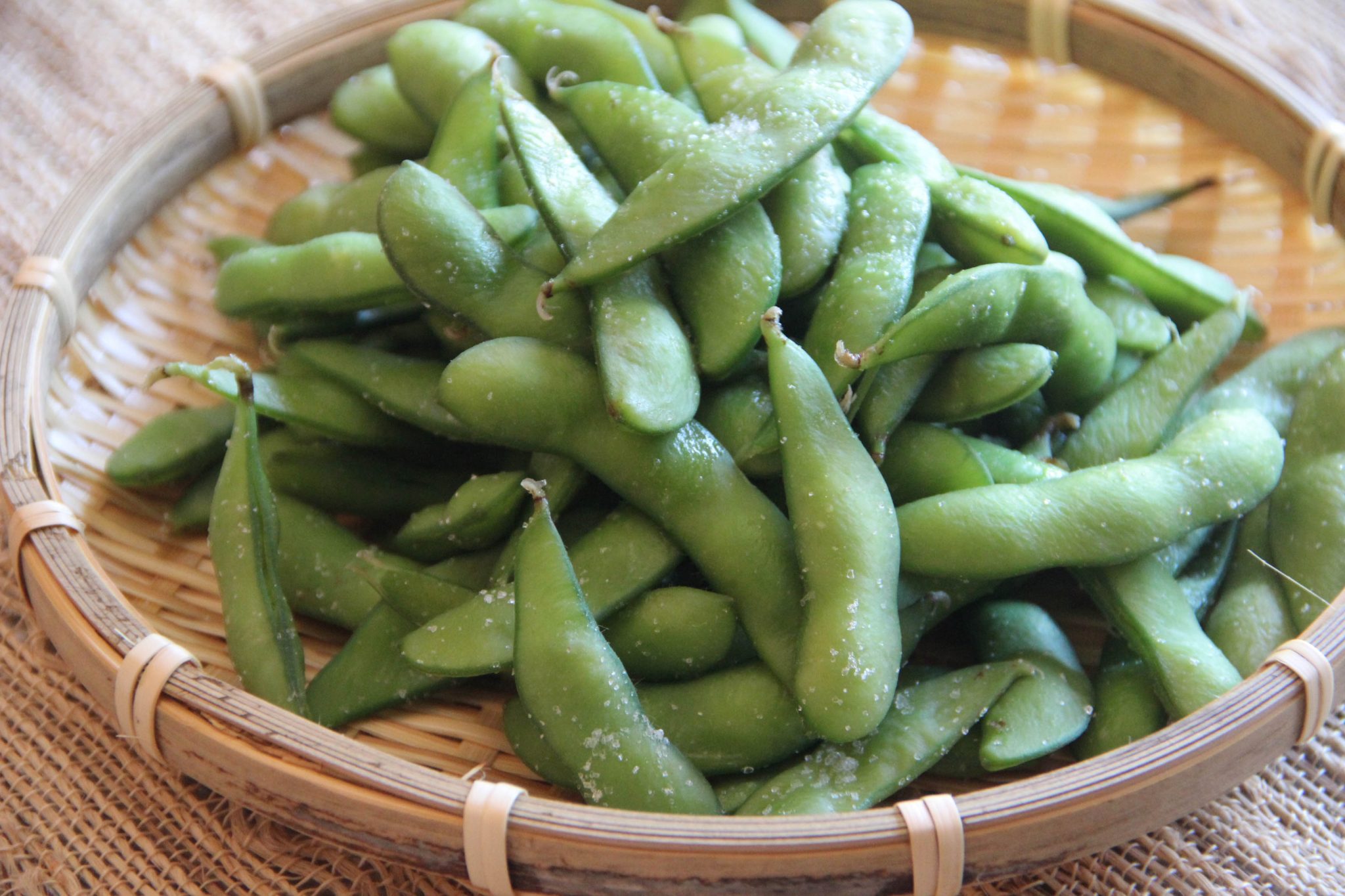
17 grams of protein per cup (cooked)
Edamame, young soybeans, are loaded with protein and fiber, making them a great option for a plant-based snack or addition to meals. They contain all nine essential amino acids and are rich in vitamins, minerals, and antioxidants. Edamame can be easily steamed or boiled and enjoyed on their own or added to stir-fries, salads, and bowls.
How to Enjoy It
- Steam edamame and sprinkle with sea salt for a snack.
- Add to salads, bowls, or stir-fries for extra protein.
Seitan - The Wheat Protein

21 grams of protein per 3 oz
Seitan is a high-protein meat substitute made from wheat gluten. It has a chewy texture similar to meat, making it ideal for stir-fries, sandwiches, and tacos. Seitan is a complete protein and is particularly popular among vegans and vegetarians for its versatility and high protein content.
How to Enjoy It
- Use in stir-fries, sandwiches, or wraps as a meat substitute.
- Grill, pan-fry, or sauté for a variety of textures.
Mung Beans - Rich In Protein And Antioxidants
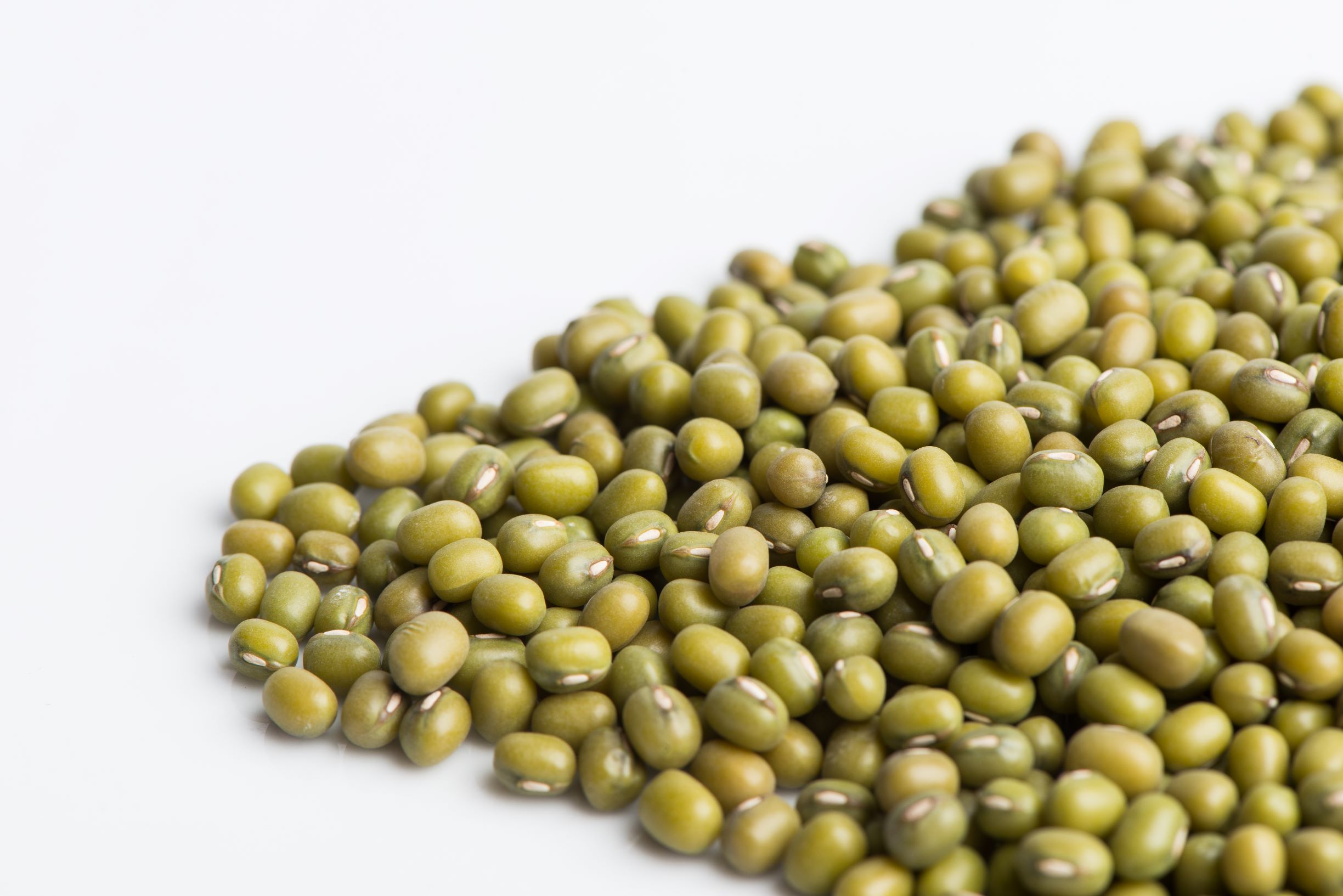
7 grams of protein per ½ cup (cooked)
Mung beans are another excellent source of plant-based protein, containing about 7 grams of protein per ½ cup cooked. They are high in fiber, antioxidants, and essential vitamins like B vitamins, which support energy metabolism. Mung beans are also known for their digestive benefits, as they promote gut health and aid in detoxification.
How to Enjoy Them
- Add mung beans to soups or curries.
- Make mung bean sprouts for use in salads or sandwiches.
Frequently Asked Questions
Are Plant-based Proteins Better Than Animal Proteins?
Plant-based proteins can be just as effective as animal proteins for building muscle. The key is to consume a variety of plant-based protein sources to ensure you get all nine essential amino acids, which are necessary for muscle growth and repair.
Can I Get Enough Protein On A Vegan Or Vegetarian Diet?
A well-balanced vegan or vegetarian diet can easily provide sufficient protein. There are plenty of plant-based protein sources available, including legumes, nuts, seeds, and whole grains.
Can People With Gluten Intolerance Eat Plant-based Protein Sources ?
For those with gluten intolerance, excellent gluten-free plant-based protein sources include quinoa, lentils, chickpeas, edamame, hemp seeds, and amaranth.
How Much Plant-based Protein Should I Consume Each Day?
The amount of plant-based protein you should consume depends on your age, sex, activity level, and health goals. A general guideline is to aim for about 0.8 grams of protein per kilogram of body weight for the average adult.
Can I Consume Too Much Plant-based Protein?
While plant-based protein is generally safe and beneficial, consuming excessive amounts may lead to digestive issues, such as bloating or discomfort, due to the high fiber content in some plant-based proteins.
Can Plant-based Proteins Help With Weight Loss?
Plant-based proteins can support weight loss efforts. Many plant-based protein sources, such as lentils, beans, and quinoa, are high in fiber, which helps keep you full for longer and reduces overall calorie intake.
Conclusion
With these plant-based protein sources, you have plenty of options to incorporate into your diet for optimal nutrition. Each one offers a unique combination of protein, fiber, vitamins, and minerals, contributing to overall health.
These protein-rich foods provide plenty of variety, flavor, and essential nutrients. Experiment with these ingredients to create balanced, nourishing meals that support your plant-based lifestyle.
You Might Also Like: Tasty Plant-Based Protein Balls For A Health Boost