How Long Can Cord Blood Be Stored And Still Be Effective?
Wondering how long cord blood can be stored and still work? Here's what affects storage life and how to keep it effective for future use.

Jul 24, 2025
Cord blood is the blood left in the umbilical cord and placenta after a baby is born. It’s rich in stem cells that can help treat serious conditions like leukemia, lymphoma, sickle cell anemia, and immune system disorders.
Instead of discarding it, many parents choose to store cord blood for future medical use. It can be stored in public banks (available to anyone) or private banks (reserved for the family). These powerful stem cells might one day help the child, a sibling, or even someone unrelated.
But how long can cord blood be stored and still be useful? This article explains everything you need to know in simple, clear terms.
How Long Can Cord Blood Be Stored?
Cord blood can be stored for at least 20 to 25 years, and possibly even longer. Studies show that properly stored cord blood remains usable for over two decades. Many experts believe that cord blood can last indefinitely if frozen correctly.
The process of freezing, called cryopreservation, keeps stem cells alive at very low temperatures. Some cord blood samples have been successfully used even after 23+ years of storage, showing no loss in quality.
So, how long can cord blood be stored? The honest answer is: at least 25 years, and potentially much longer, depending on how and where it’s stored.
Factors That Determine Cord Blood Storage Duration
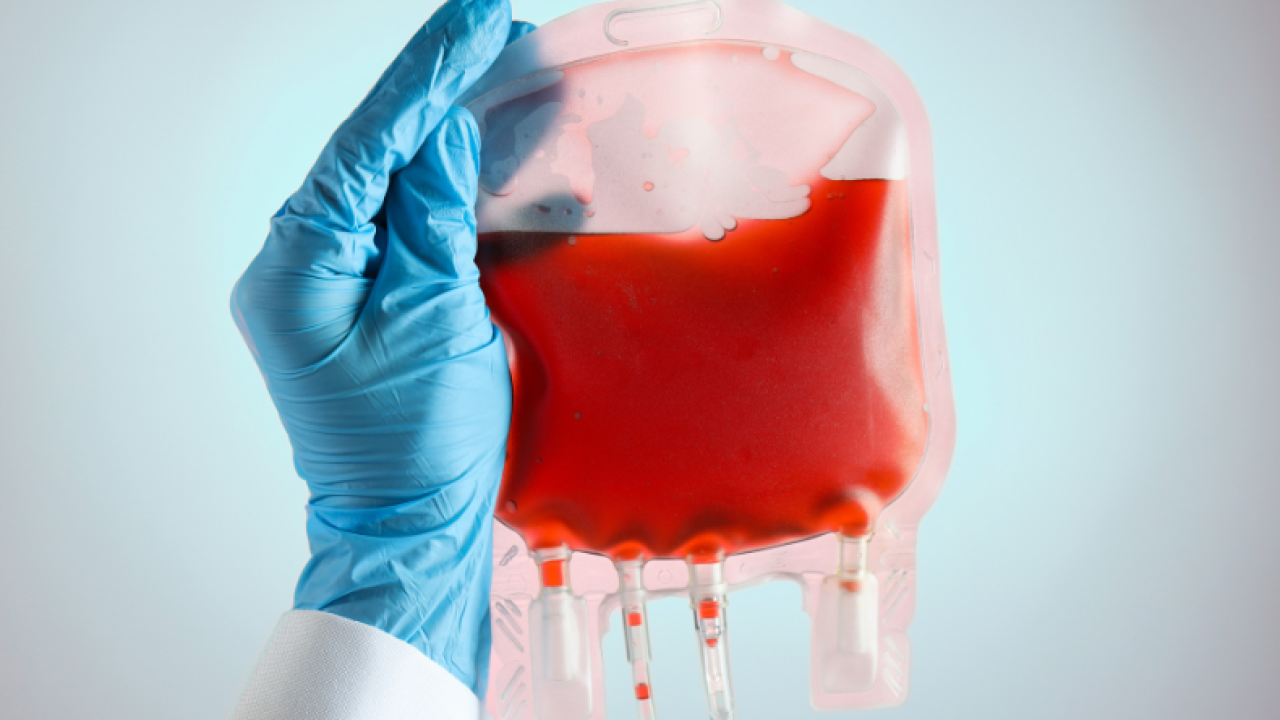
Several critical factors influence how long your cord blood remains viable and ready for medical use when needed.
1. Processing Quality And Timing
The clock starts ticking the moment your baby's cord gets clamped. Cord blood must be processed within 48 hours of collection to maintain maximum viability. The faster the processing, the better the long-term storage outcomes.
Professional cord blood banks use standardized processing protocols that remove red blood cells and plasma while concentrating the valuable stem cells. This reduction in volume not only saves storage space but also removes components that could interfere with long-term preservation.
2. Storage Conditions And Temperature Control
Maintaining consistent temperatures is critical for long-term viability. Even small temperature fluctuations can damage stored cells over time.
Reputable storage facilities use multiple backup systems, including:
- Redundant liquid nitrogen supply systems
- 24/7 temperature monitoring with immediate alerts
- Backup power generators for equipment operation
- Multiple storage tank systems to prevent total loss
3. Initial Cell Count And Viability
The quality of your cord blood at collection significantly impacts its long-term storage success. Higher initial cell counts and viability percentages typically correlate with better post-storage outcomes.
Most banks require minimum cell counts for storage acceptance. Samples with very low cell counts may not justify the storage costs, as they're less likely to be therapeutically useful even if they remain viable.
4. Contamination Prevention Protocols
Sterile processing and storage conditions prevent bacterial or fungal contaminationthat could compromise the sample over time. Any contamination would make the stored cord blood unusable for transplant purposes.
Quality banks follow strict sterile protocols during collection, processing, and storage. They also perform contamination testing before accepting samples for long-term storage.
5. Storage Facility Standards
The storage facility's quality standards directly impact how long your cord blood remains viable. Facilities with proper accreditation, experienced staff, and proven track records provide the best long-term storage outcomes.
Look for facilities accredited by organizations like AABB (American Association of Blood Banks) or FACT (Foundation for the Accreditation of Cellular Therapy). These accreditations require strict adherence to processing and storage standards.
Scientific Studies On Long-Term Storage Viability
Several medical studies have tested the viability of stem cells in cord blood after many years in storage. Results show that cord blood frozen for 20-25 years still contains healthy, usable stem cells.
- A study published in Transfusion (2011) found that cord blood stored for up to 23.5 years showed no significant loss in cell quality or function.
- Other research from international cord blood registries supports the same conclusion: long-term storage preserves stem cell potency.
In other words, the longer storage period does not reduce the ability of these cells to help in treatments.
Storage Options And Their Duration Limits
Different types of cord blood banking offer varying storage duration options, each with distinct advantages and limitations.
Private Family Banking
Private cord blood banks typically offer indefinite storage for your family's exclusive use. Most contracts include initial processing fees plus annual storage charges that continue as long as you want to maintain the sample. If knowing your child’s stem cells are safely stored for future use brings peace of mind, then it’s one more reason to get happyabout the decision to invest in long-term cord blood banking.
Public Cord Blood Banks
Public banks accept donated cord blood for anyone who needs a transplant match. These banks typically store units until they're used for transplants or research purposes. Storage duration at public banks varies based on their inventory needs and funding. Units may be discarded after several years if they don't match patients or don't meet current transplant standards.
Hybrid Banking Models
Some facilities offer hybrid models where you pay reduced fees to store cord blood that could be used by others if your family doesn't need it. These programs often guarantee longer storage periods than public banking while costing less than private storage. Hybrid programs typically store samples for 20-25 years with options to extend if needed. This approach balances affordability with reasonable storage duration for most families.
Research-Only Storage
Some organizations store cord blood exclusively for research purposes. While these programs don't provide family access, they often maintain samples for extended periods to support ongoing scientific studies. Research storage can last decades, as scientists need long-term samples to study aging, disease development, and treatment effectiveness over time.
How Cord Blood Quality Changes Over Time And Why

1. Improper Handling Before Freezing
Cord blood needs to be processed and frozen as soon as possible after it’s collected. If there’s a long delay, the stem cells can begin to break down and lose their strength. Quick and careful handling helps keep the cells healthy and usable.
2. Temperature Fluctuations
Cord blood must be stored at extremely low temperatures using special freezing equipment. If the temperature rises even slightly due to power issues or faulty equipment the stem cells can be damaged. Once damaged, they may not work properly for future treatments.
3. Banking Facility Standards
Not all cord blood banks follow the same rules. The best banks have certifications like AABB or FACT, which means they meet high safety and quality standards. Choosing a certified bank helps ensure that your cord blood is stored in the safest way possible.
4. Collection Method
How the cord blood is collected also matters. If the doctor or nurse doesn’t collect it properly, the sample may have too few stem cells or may become contaminated. A clean and careful collection process protects the quality of the blood from the very beginning.
Why Cord Blood Might Be Stored For Decades
Many parents wonder, “Why store cord blood for so many years?”The main reason is its growing medical potential.
Right now, cord blood is used to treat over 80 serious diseases, including cancers, blood disorders, and immune system problems. But that’s just the beginning.
Researchers believe cord blood could play a bigger role in the future, especially in areas like:
- Gene therapy
- Stem cell transplants
- Organ and tissue repair
- Brain and spinal cord injury treatment
New medical discoveries are happening every year. By storing cord blood long-term, families could one day benefit from treatments that don’t even exist yet.
Think of it like a biological insurance policy a small step today that could protect your child’s health for decades to come.
Also Read About - 17 Powerful Natural Immune Boosters For Better Health
People Also Ask
How Many Years Can Cord Blood Be Stored?
Cord blood can be safely stored for at least 20 to 25 years, and possibly much longer with cryogenic freezing. Studies support long-term viability of stem cells.
Is Older Cord Blood Still Usable?
Yes. Cord blood stored for more than 20 years has been used successfully in medical treatments. As long as it's stored correctly, it's still effective.
Do Private Banks Store Cord Blood Longer Than Public Ones?
Not necessarily. Both types of banks can store cord blood for long periods. However, private banks guarantee access, while public banks do not.
How Do I Know If A Cord Blood Bank Is Reliable?
Check for FDA registration, accreditation from AABB or FACT, good reviews, and clear storage policies. These show the bank follows high standards.
Final Thoughts
Research shows that cord blood can be stored for over 25 years without losing its quality, sometimes even longer. As stem cell therapies continue to grow, long-term storage may offer more health options in the future.
If you're thinking about storing cord blood, it's important to understand how long it can remain useful and what affects its quality. Choosing a reliable cord blood bank and asking the right questions now can help protect your family’s health for decades to come.
You Might Like - 20 Food Combinations That Might Make You Sick