High-Zinc Foods List |15 Simple Foods That Give You The Best Boost
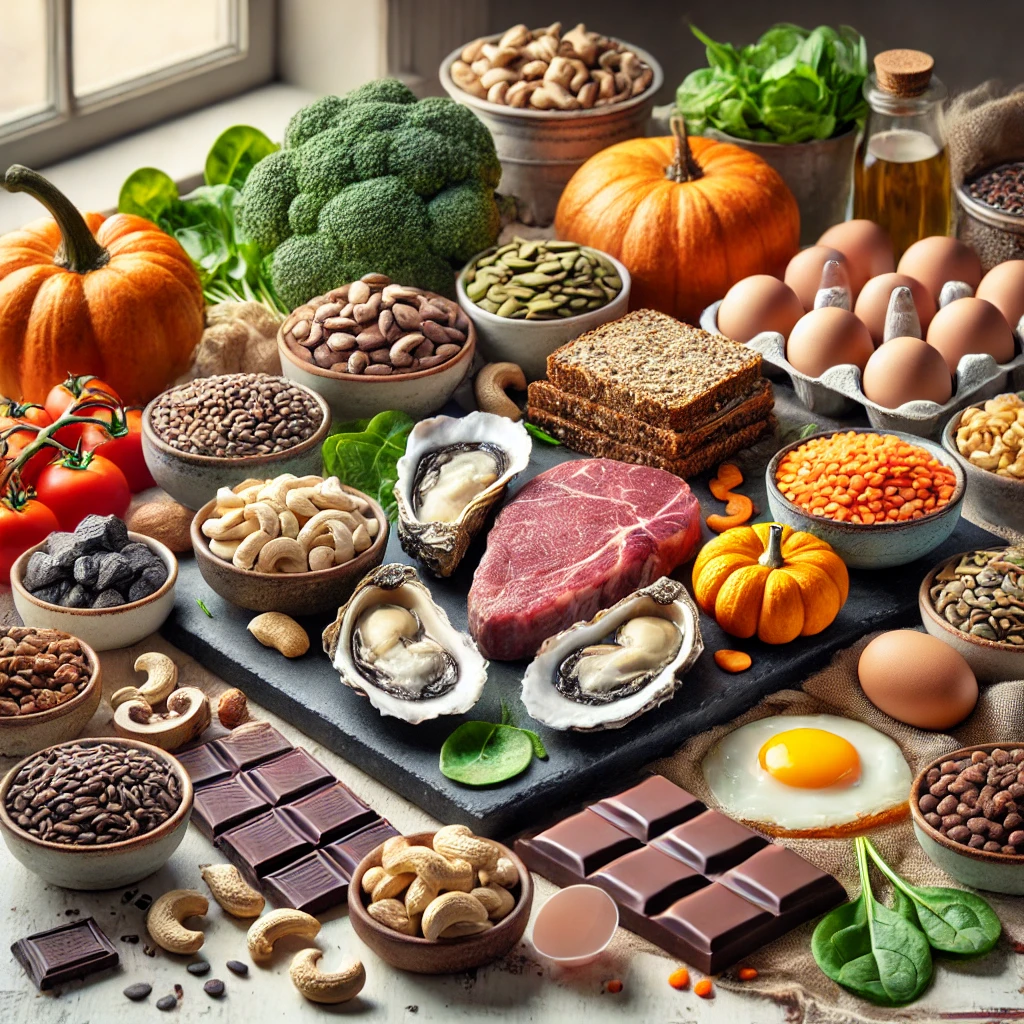
Zinc is essential for several vital processes in the body, including immune function, cell division, and tissue repair. While most people know about zinc’s role in immunity, they may not realize that a balanced diet with zinc-rich foods can have numerous health benefits.
Aug 17, 2025
Zinc is a crucial mineral that plays a vital role in various bodily functions, including immune support, enzyme production, cell division, and wound healing. As the body cannot produce zinc on its own, it’s essential to obtain it through diet.
Zinc is found in a variety of foods, making it relatively easy to include in your daily meals. These zinc-rich foods can help you meet your daily nutritional needs.
What Is Zinc And Why Is It Important?
Zinc is a vital nutrient involved in over 300 enzymatic processes within the body. It plays an essential role in metabolism, immune function, cell growth, and wound healing. Zinc also supports the nervous system, helps synthesize proteins and DNA, and is crucial for the development and growth of children.
The National Institutes of Health (NIH) recommends that adults consume 8–11 milligrams of zinc daily, depending on gender and age, with pregnant or breastfeeding individuals requiring slightly more. Those at risk of zinc deficiency include children, older adults, pregnant individuals, and people following plant-based diets.
Zinc Deficiency - Who Is At Risk?
Zinc deficiency can lead to a range of health issues, including a weakened immune system, delayed wound healing, and impaired growth in children. Zinc deficiency is more common among those who do not consume sufficient animal-based foods or people who have digestive issuesthat affect mineral absorption.
Adding zinc-rich foods into your diet is essential for meeting daily requirements. Below are some of the best food sources of zinc, ranging from animal-based to plant-based options.
Oysters
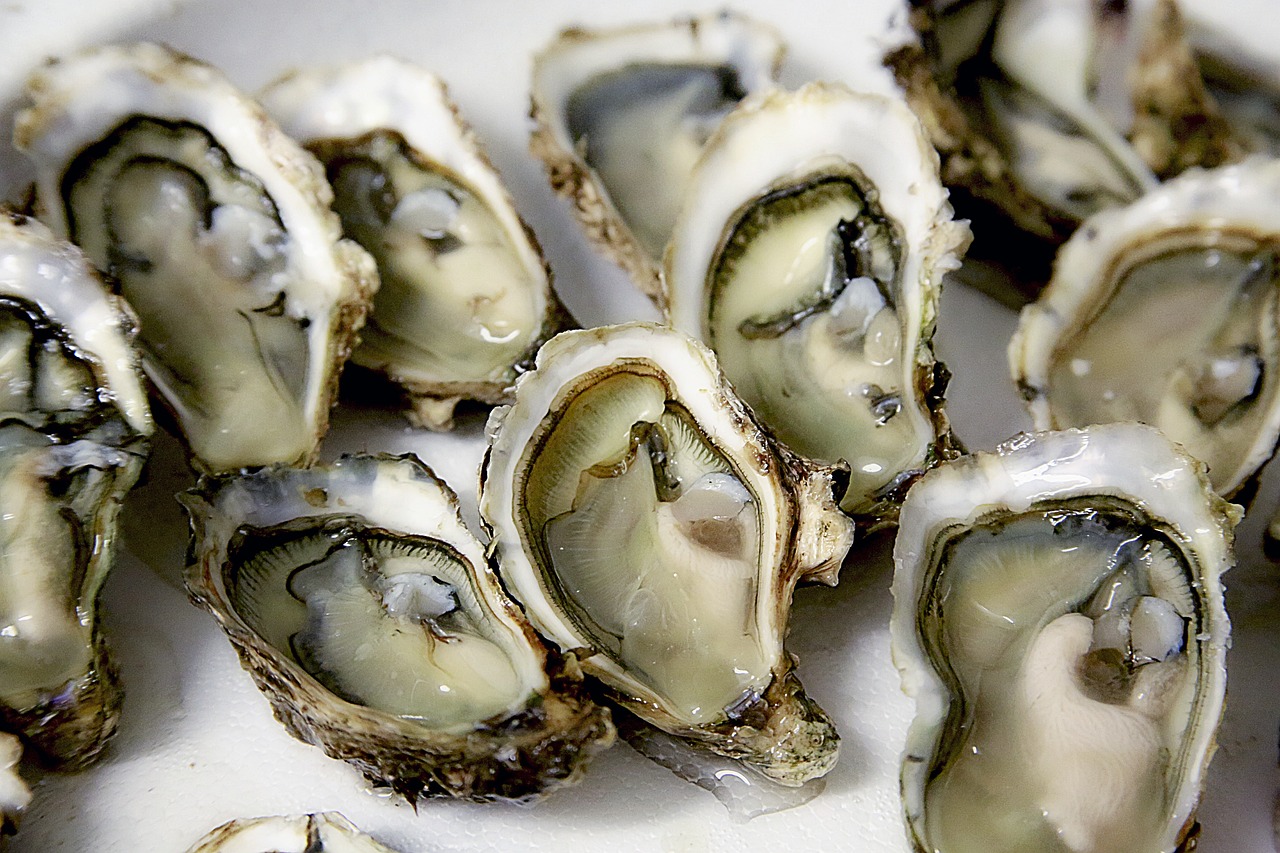
Oysters are the most zinc-packed food, offering a massive 33 mg of zinc in just six medium oysters. This is more than 300% of the daily zinc requirement for men and over 400% for women.
Oysters are also an excellent source of protein, omega-3 fatty acids, and other essential vitamins and minerals. They can be enjoyed raw, grilled, or baked, making them a versatile addition to your diet. If you’re looking to boost your zinc intake significantly, oysters should be at the top of your list.
Beef
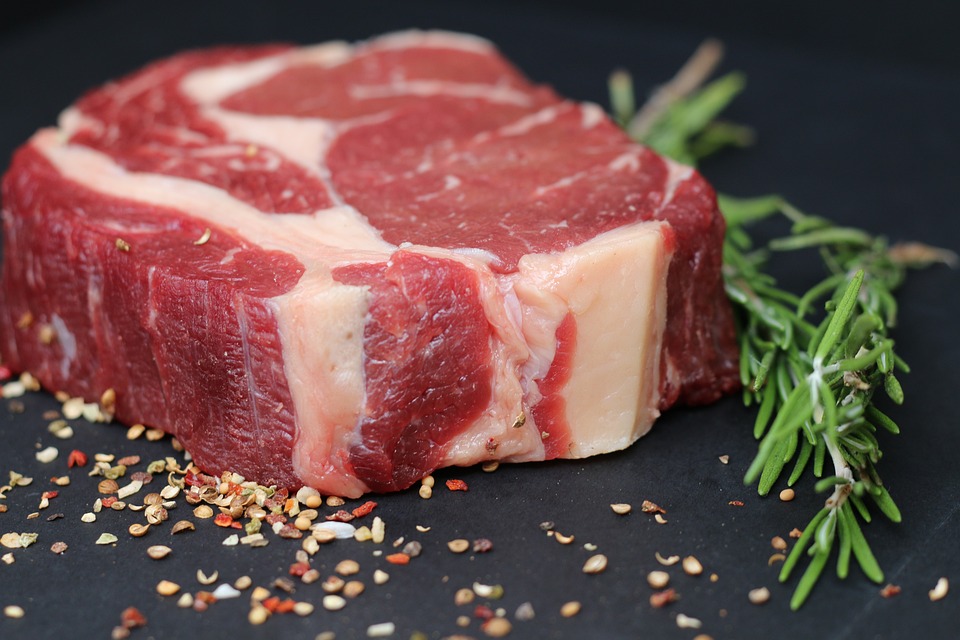
Beef is a well-known source of zinc, especially red meat. A 3-ounce serving of cooked beef provides approximately 8.4 mg of zinc, which covers a significant portion of your daily needs. In addition to zinc, beef is rich in protein, iron, and B vitamins, making it a nutrient-dense choice. However, it’s important to consume it in moderation to avoid the health risks associated with excessive red meat consumption. Grass-fed and lean cuts of beef are healthier options that offer a variety of essential nutrients, including zinc.
Crab

Crab, particularly Alaskan king crab, is a highly nutritious source of zinc. A 3.5-ounce serving of Alaskan king crab contains about 7.62 mg of zinc, which contributes nearly 70% of the zinc requirement for men and 95% for women. Crab meat is also rich in protein and omega-3 fatty acids, which help support cardiovascular health.
In addition to zinc, crab provides essential minerals like selenium, copper, and magnesium. You’re getting a great dose of this important mineral. When looking for healthy food optionsto boost your zinc intake, crab is an excellent choice, offering a wealth of nutrients that contribute to overall wellness
Lobster

Lobster is another seafood that’s loaded with zinc. A 3-ounce serving contains around 6.18 mg of zinc, helping to fulfill a substantial portion of your daily needs. Lobster is also a good source of protein, omega-3s, and several other nutrients like vitamin B12 and selenium.
Though it may be considered a more luxurious food, lobster can be a tasty and nutritious addition to your diet. For a low-calorie and zinc-rich meal, lobster is an excellent choice to incorporate into special meals or even everyday dishes.
Pumpkin Seeds
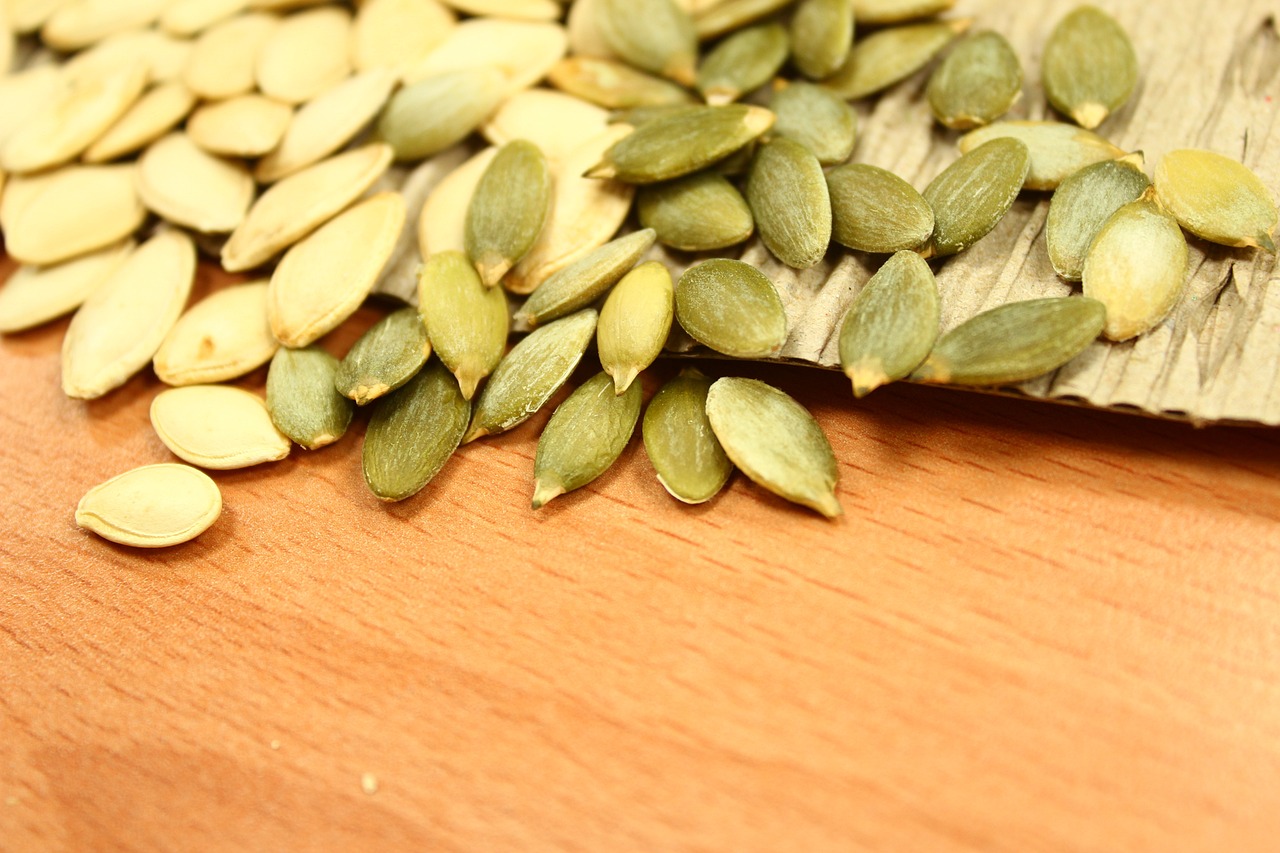
Pumpkin seeds are an affordable and accessible source of zinc. A 1-ounce serving (about 28 grams) contains 2.2 mg of zinc, along with beneficial healthy fats, fiber, and magnesium. Pumpkin seeds are particularly beneficial for vegetarians and vegans as they provide a plant-based source of zinc.
These seeds are also versatile; you can sprinkle them over salads, add them to smoothies, or snack on them throughout the day. In addition to supporting immune function, the magnesium in pumpkin seeds promotes muscle and nerve health.
Cashews
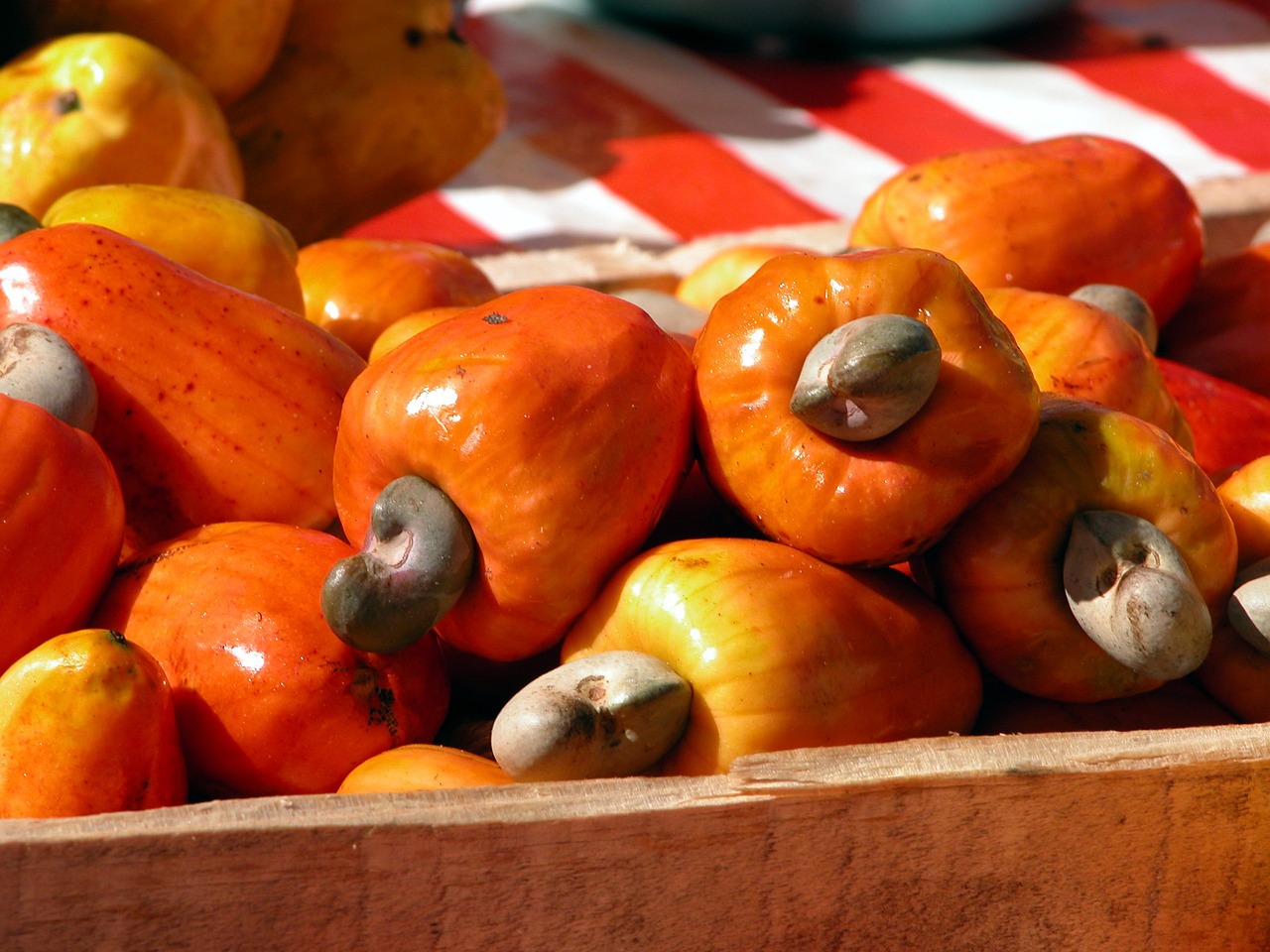
Cashews are another excellent nut for increasing your zinc intake. A 1-ounce serving of cashews provides 15% of the daily zinc requirement for men and 21% for women. Cashews are also packed with healthy fats, which can support heart health and reduce inflammation.
Along with zinc, they contain antioxidants like vitamin E, which help protect the body from oxidative stress. They make a great snack on their own or can be added to dishes like stir-fries, salads, and baked goods.
Chickpeas
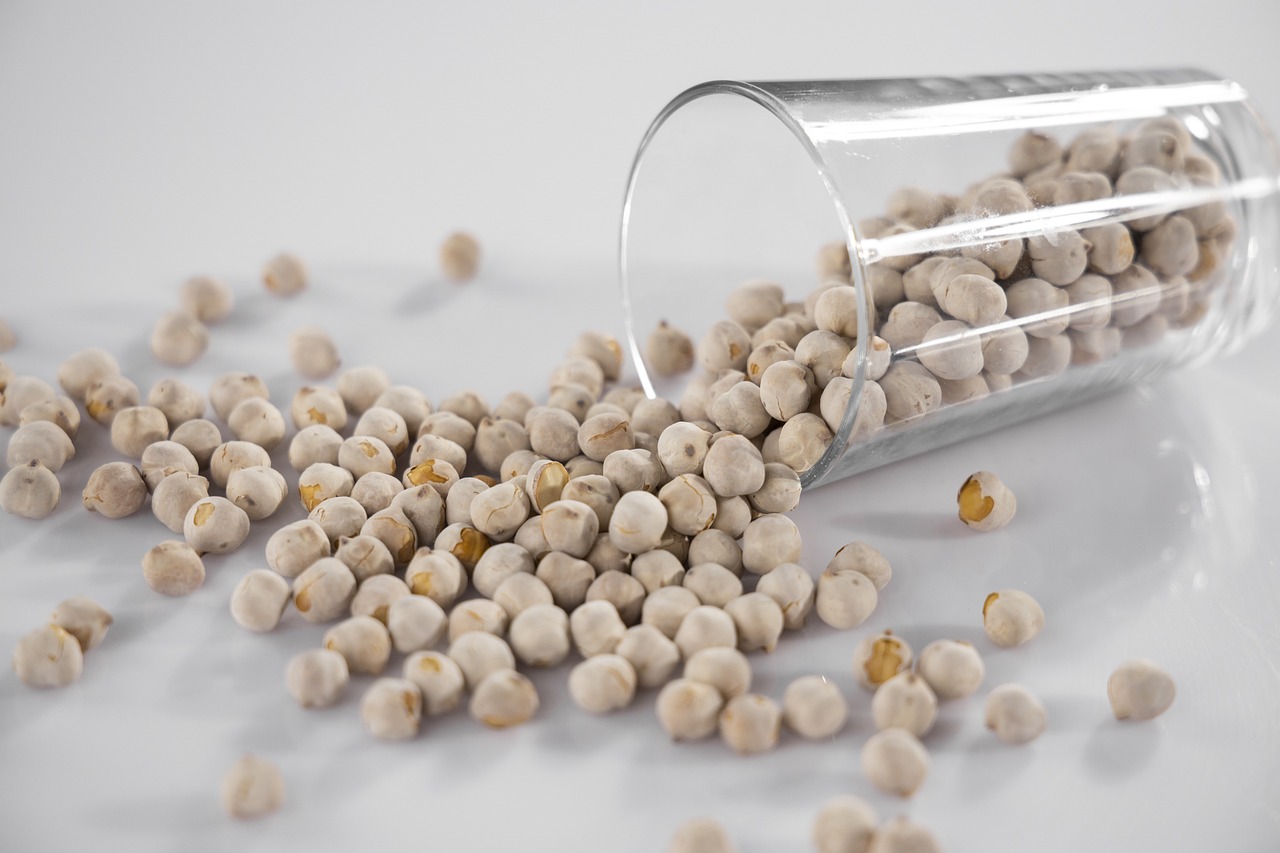
Chickpeas are an affordable and versatile source of zinc for those following a vegetarian or vegan diet. A 100-gram serving of cooked chickpeas contains about 1.5 mg of zinc. Chickpeas are also rich in fiber and protein, making them an excellent addition to soups, stews, salads, and curries.
While the zinc in legumes is less bioavailable due to the presence of phytates, consuming them in combination with other zinc-rich foods can help improve absorption. Additionally, chickpeas have been shown to support digestive health and may help regulate blood sugar levels.
Tofu
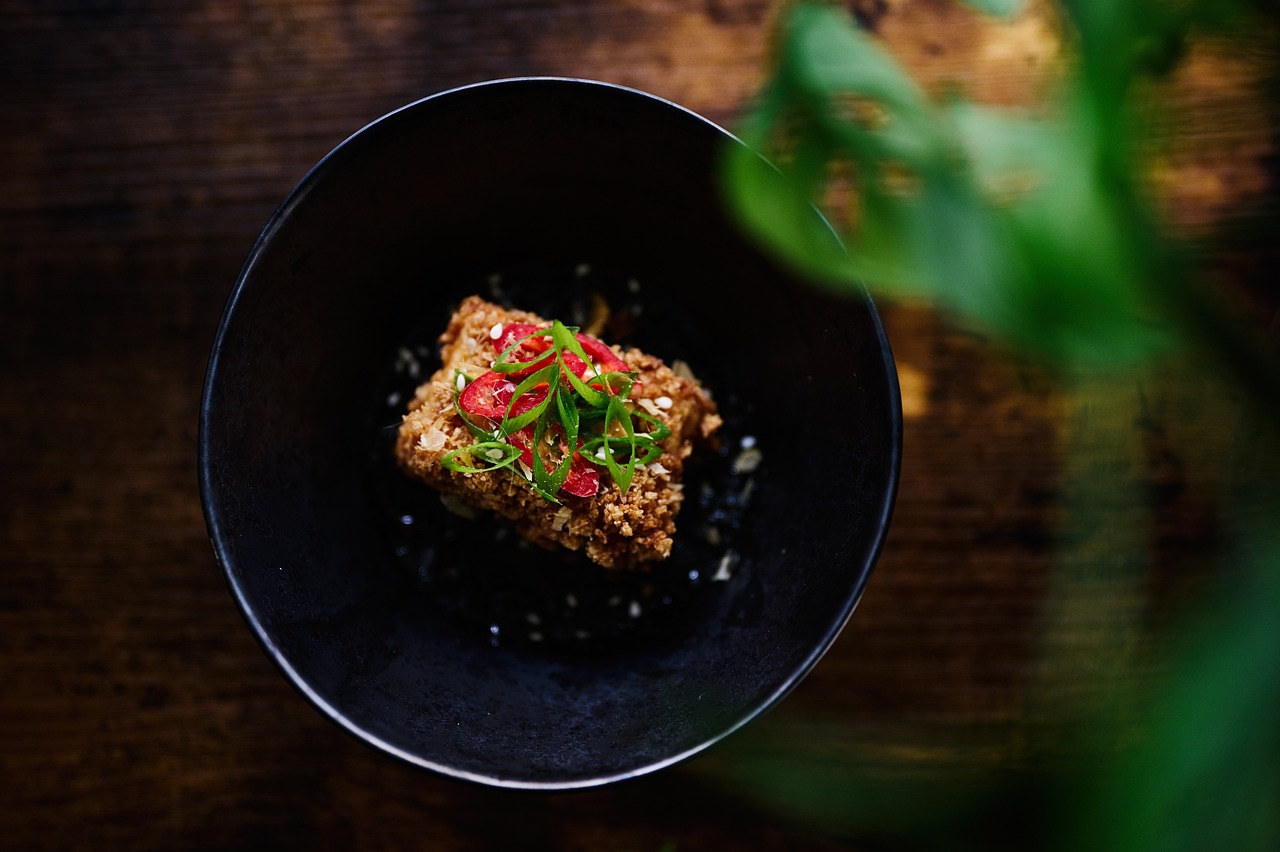
Tofu, a plant-based protein made from soybeans, contains a good amount of zinc, with 1.8 mg per 4-ounce serving. It’s an excellent meat substitute for vegetarians and vegans, providing a solid dose of zinc along with protein and essential amino acids. Tofu’s mild flavor allows it to absorb the taste of the dishes you prepare, whether stir-fries, soups, or salads.
It’s also low in calories and packed with iron and calcium, contributing to overall health. When combined with other zinc-rich foods, tofu is a powerful nutrient-dense option for your diet. Adding tofu into your meals can also support cognitive function and brain health, as it provides essential nutrients that contribute to improved memory and overall brain health.
Hemp Seeds
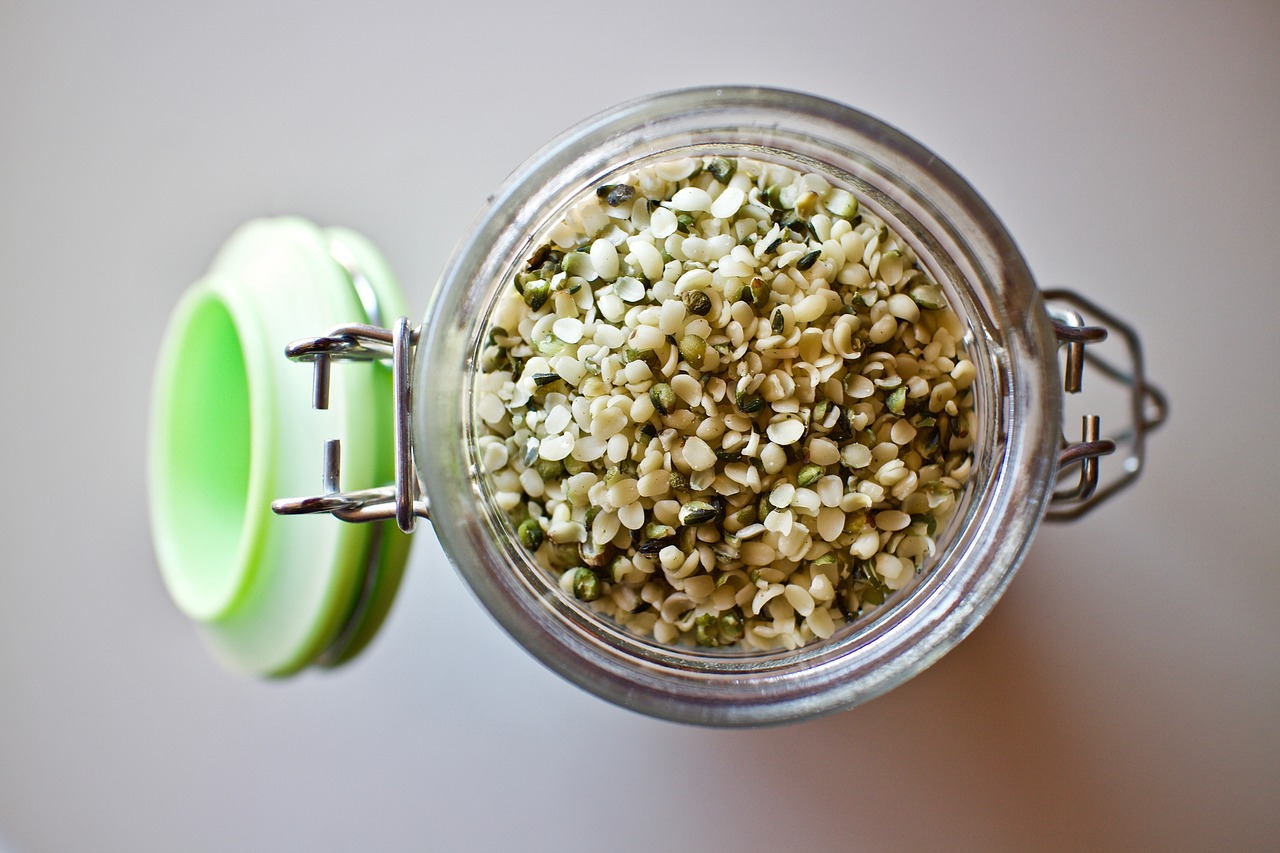
Hemp seeds are a great source of zinc and other essential nutrients. Just 3 tablespoons of hemp seeds provide 27% of the daily zinc requirement for men and 37% for women. These seeds are also rich in omega-3 fatty acids, protein, and fiber, making them a great choice for boosting heart health.
Hemp seeds are highly versatile and can be sprinkled on salads, added to smoothies, or incorporated into baked goods. The healthy fats in hemp seeds also support brain function and reduce inflammation in the body.
Cheese (Sharp Cheddar)
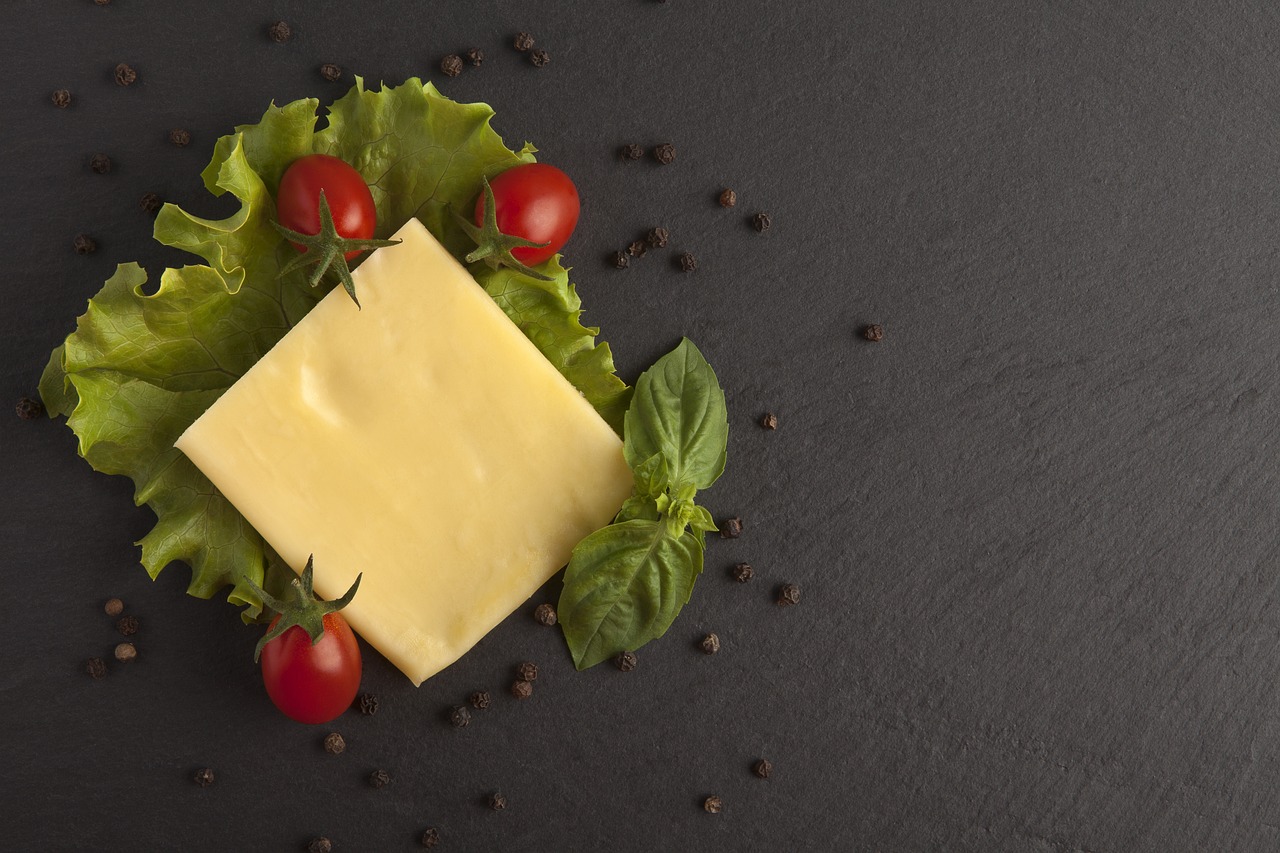
Cheese, especially sharp cheddar, is a delicious and bioavailable source of zinc. One ounce (28 grams) contains 10% of the daily zinc value for men and 13% for women. Cheese is also a great source of calcium, protein, and vitamin D, which support bone health.
Sharp cheddar cheese has a strong flavor, so a little goes a long way. Pairing cheese with whole grain crackers or adding it to meals like omelets and pasta can increase your zinc intake while also providing other essential nutrients.
Eggs
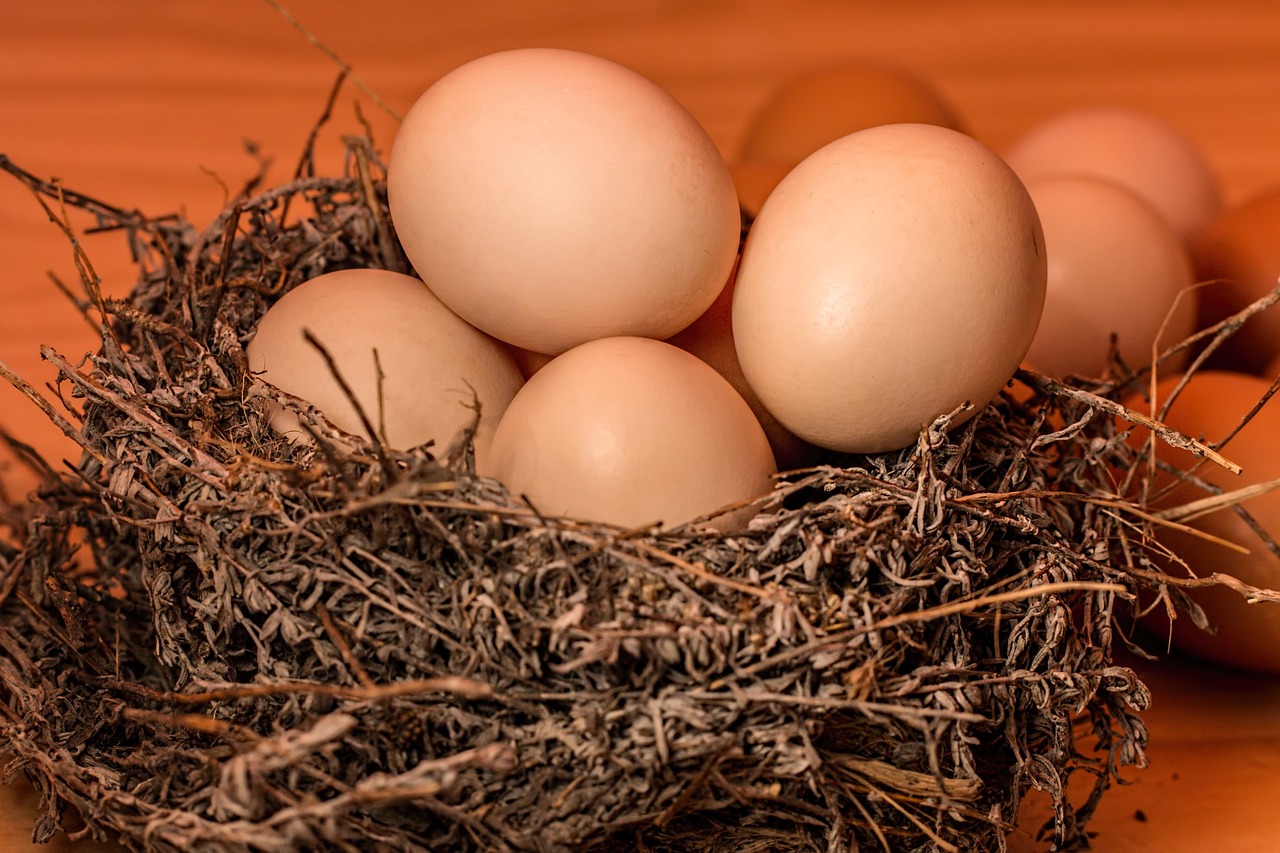
Eggs are a nutrient-dense food that can help you meet your daily zinc needs. One large egg provides 5% of the daily zinc requirement for men and 7% for women. They also contain protein, healthy fats, and essential vitamins like vitamin D, B12, and selenium. Eggs are incredibly versatile, perfect for breakfast, lunch, or dinner and are an easy way to boost your zinc intake.
Whole Grains (Oats, Quinoa)
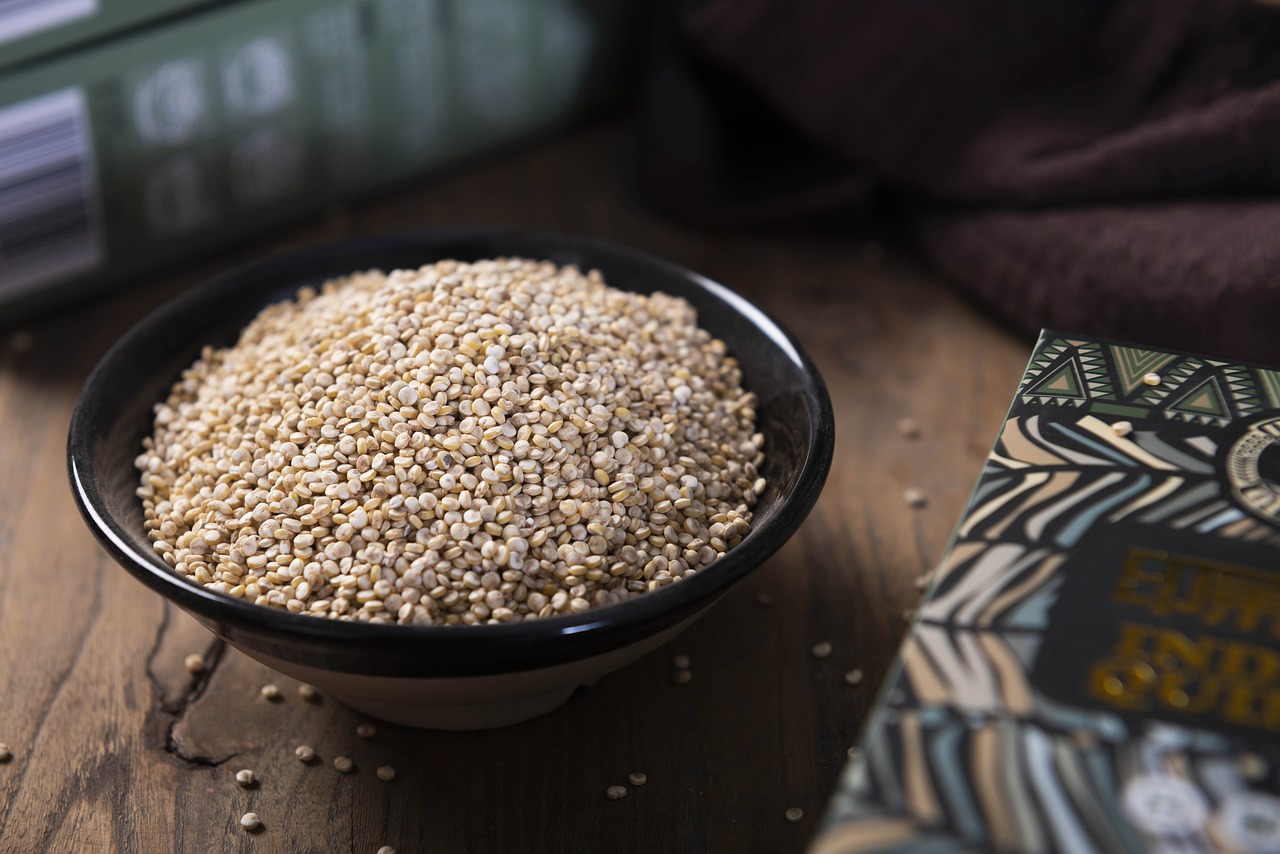
Whole grains such as oats, quinoa, and brown rice are beneficial sources of zinc. Although whole grains contain phytates that can inhibit zinc absorption, they still contribute to your overall intake. Oats, for example, provide around 2 mg of zinc per 100 grams.
Whole grains also provide fiber, B vitamins, and essential minerals like magnesium, iron, and phosphorus. Including a variety of whole grains in your diet can help reduce the risk of chronic diseases and improve digestive health. Adding high-fiber foodssuch as oats and quinoa into your meals can offer dual benefits by enhancing both your zinc and fiber intake.
Dark Chocolate

Dark chocolate, especially varieties with 70%-85% cocoa, is a surprisingly good source of zinc. A 100-gram bar contains 3.31 mg of zinc, covering about 30% of the daily zinc needs for men and 41% for women.
In addition to zinc, dark chocolate contains antioxidants like flavonoids that support heart health. However, dark chocolate is high in calories and sugar, so it should be consumed in moderation. Treat yourself to a small square or add it to baked goods for a flavorful, zinc-rich indulgence.
Legumes (Lentils, Beans)
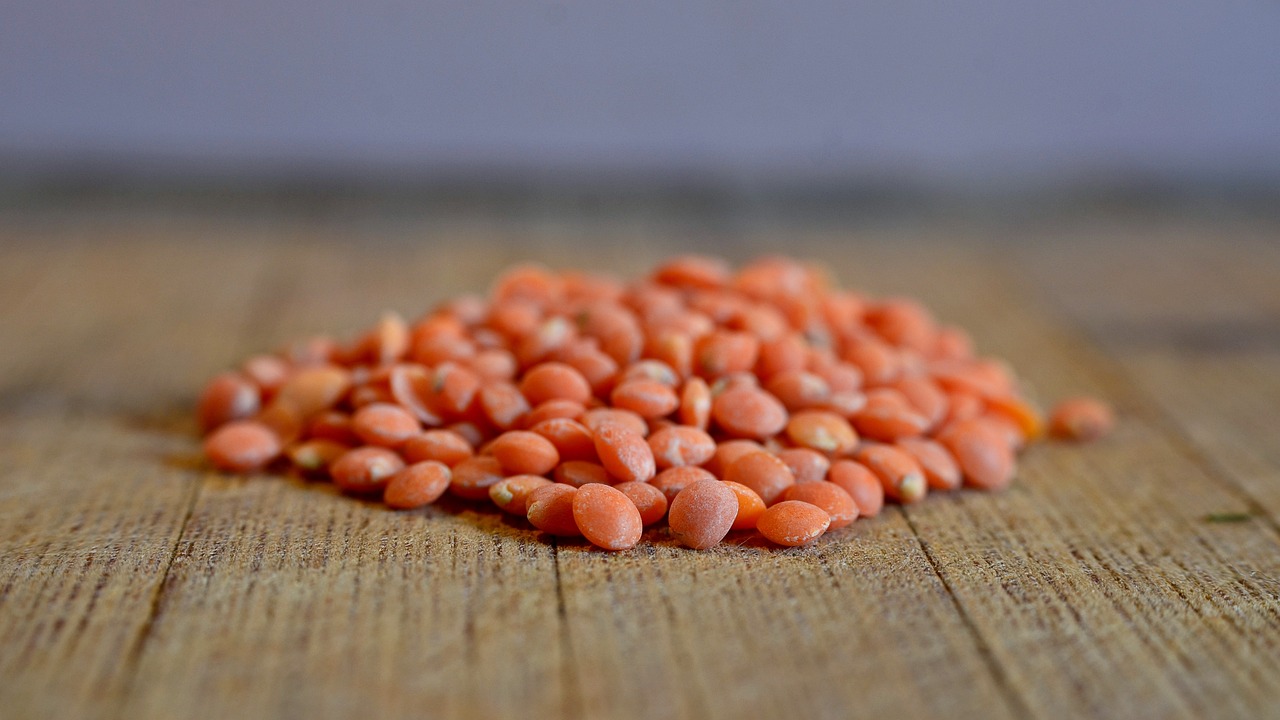
Legumes like lentils, beans, and peas are excellent plant-based sources of zinc. A 100-gram serving of cooked lentils provides around 12% of the daily zinc needs for men and 16% for women.
While legumes contain phytates that can reduce zinc absorption, their zinc content, combined with other nutrients like protein and fiber, makes them an important dietary inclusion. Legumes can be used in soups, stews, curries, and salads to enhance your zinc intake while also providing essential nutrients for digestive and heart health.
Frequently Asked Questions
Can Taking Too Much Zinc Be Harmful?
Excessive zinc intake can lead to toxicity, which may cause symptoms like nausea, vomiting, loss of appetite, stomach cramps, and diarrhea. Long-term overconsumption can interfere with the absorption of other essential minerals like copper. The tolerable upper intake level (UL) for zinc is 40 milligrams per day for adults.
What Are The Symptoms Of Zinc Deficiency?
Symptoms of zinc deficiency may include slow wound healing, hair loss, loss of appetite, impaired immune function, delayed sexual maturation, and skin rashes. If you experience these symptoms, it’s important to consult a healthcare provider for proper diagnosis and treatment.
Is Zinc Supplementation Recommended For Everyone?
Zinc supplementation is not necessary for everyone. It's generally better to get zinc from food sources, as they provide a range of nutrients. However, supplementation may be recommended for those with specific conditions, such as individuals with absorption issues, vegans, vegetarians, pregnant or breastfeeding women, and older adults.
Does Zinc Help With Acne Or Skin Health?
Zinc is often used to treat acne and other skin conditions due to its anti-inflammatory properties and ability to regulate sebum production. It can be taken orally or applied topically in the form of creams or ointments.
Conclusion
Zinc is an essential nutrient with a wide range of health benefits, from supporting immune function to promoting skin health and wound healing. While many animal-based foods offer the highest concentrations of zinc, there are plenty of plant-based sources that can help you meet your daily zinc needs, especially on vegetarian or vegan diets.
For optimal health, it's important to consume a variety of zinc-rich foods, ensuring that you meet your daily requirements while benefiting from the other essential nutrients these foods provide. If you're concerned about your zinc intake or suspect a deficiency, consider speaking with a healthcare provider to determine if supplementation is necessary.
You Might Also Like: Plant-Based Calcium Sources To Boost Your Diet