20 High-Calcium Vegan Foods To Strengthen Your Bones
Strong bones need calcium, and a vegan diet can deliver it naturally. These high-calcium vegan foods offer everything you need for a healthy lifestyle.

Aug 15, 2025
Calcium is a vital nutrient that plays a key role in maintaining strong bones, healthy teeth, and proper muscle function. For those following a vegan lifestyle, meeting calcium requirements may seem challenging, but it’s entirely achievable with the right foods.
Fortunately, nature offers an abundance of plant-based options that are rich in calcium, flavorful, and versatile. This list highlights 20 high-calcium vegan foods that can easily be included in your meals to support overall health and wellness.
1. Kale
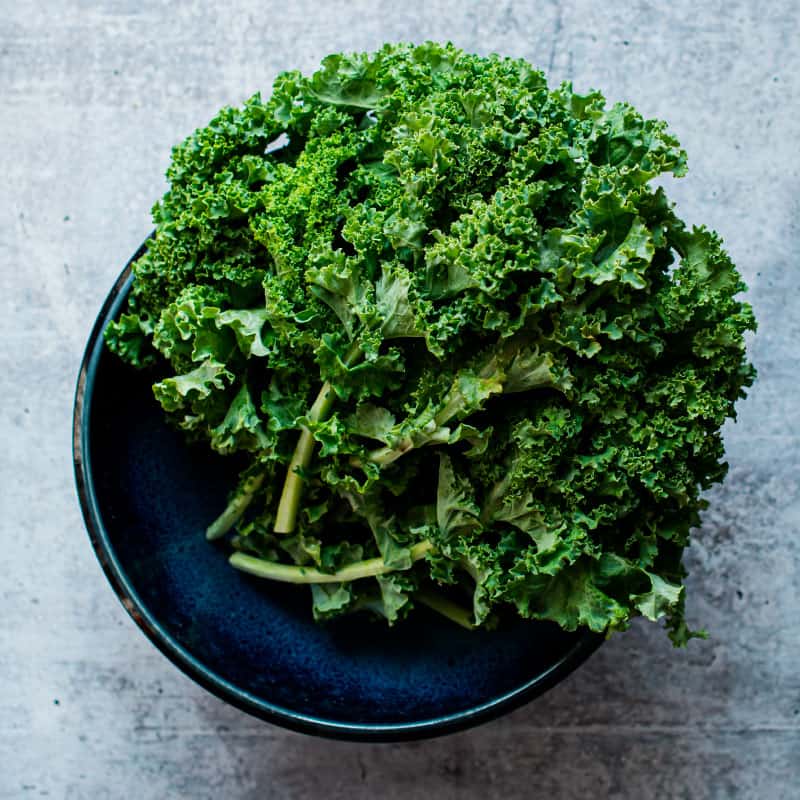
Kale is a nutritional powerhouse that ranks among the best plant-based sources of calcium. With 179 mg of calcium per cooked cup, it also provides an impressive range of other nutrients, including vitamins K, C, and A. Its dark green leaves are packed with antioxidants that combat inflammation, while its low-calorie profile makes it a staple for healthy eating. Beyond bone health, kale supports heart health and aids digestion with its fiber content.
Health Benefits:
- High in vitamin K, which promotes calcium utilization in bones.
- Contains antioxidants like lutein, supporting eye health.
- Improves digestive health with its fiber content.
How to Use:
- Add kale to green smoothies or juices.
- Sauté it with garlic and olive oil for a flavorful side dish.
- Use as a base for salads, massaging the leaves to make them tender.
2. Collard Greens
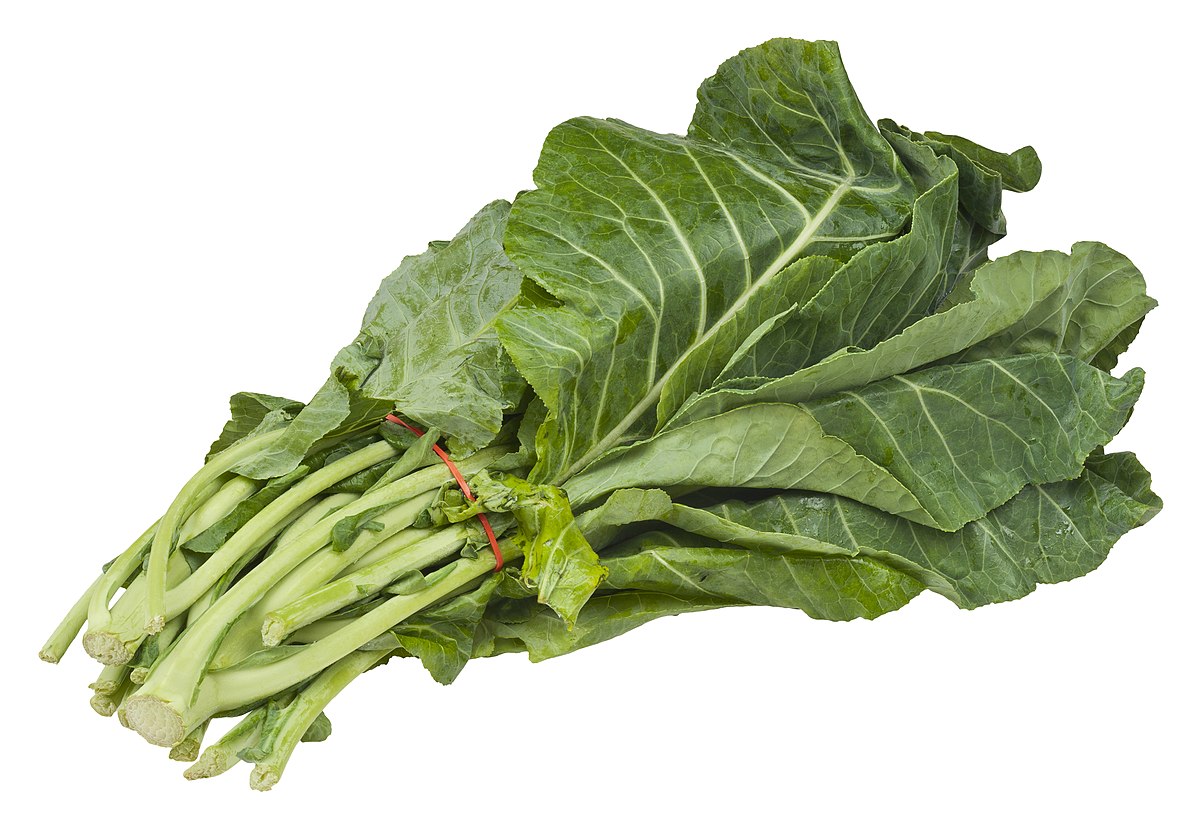
Collard greens offer an incredible 268 mg of calcium per cooked cup, making them one of the richest leafy green sources of calcium. These large, hearty leaves are not only calcium-rich but are also loaded with vitamin C, which enhances calcium absorption. They are a staple in Southern cooking and have a mild flavor that pairs well with many dishes.
Health Benefits:
- Strengthens bones with its high calcium and vitamin K content.
- Supports immune health with vitamin C.
- High in fiber, which aids digestion and promotes gut health.
How to Use:
- Sauté with onions and spices for a traditional Southern dish.
- Use as a wrap for sandwiches or tacos.
- Add to soups, stews, or grain bowls for extra nutrients.
3. Spinach

Spinach is a versatile leafy green with 245 mg of calcium per cooked cup. It is packed with nutrients like iron, vitamin A, and folate, making it an excellent addition to a balanced diet. However, spinach contains oxalates, which can bind to calcium and reduce its absorption. To maximize calcium intake, pair spinach with foods high in vitamin C or alternate with low-oxalate greens like bok choy.
Health Benefits:
- Provides iron for energy and red blood cell production.
- Rich in antioxidants that protect against cellular damage.
- High in vitamin A, which supports immune health.
How to Use:
- Add to curries, soups, or pasta dishes for flavor and nutrition.
- Blend fresh spinach into healthy smoothiesfor a nutrient-packed boost.
- Use as a topping for pizza or a filling for wraps.
4. Bok Choy
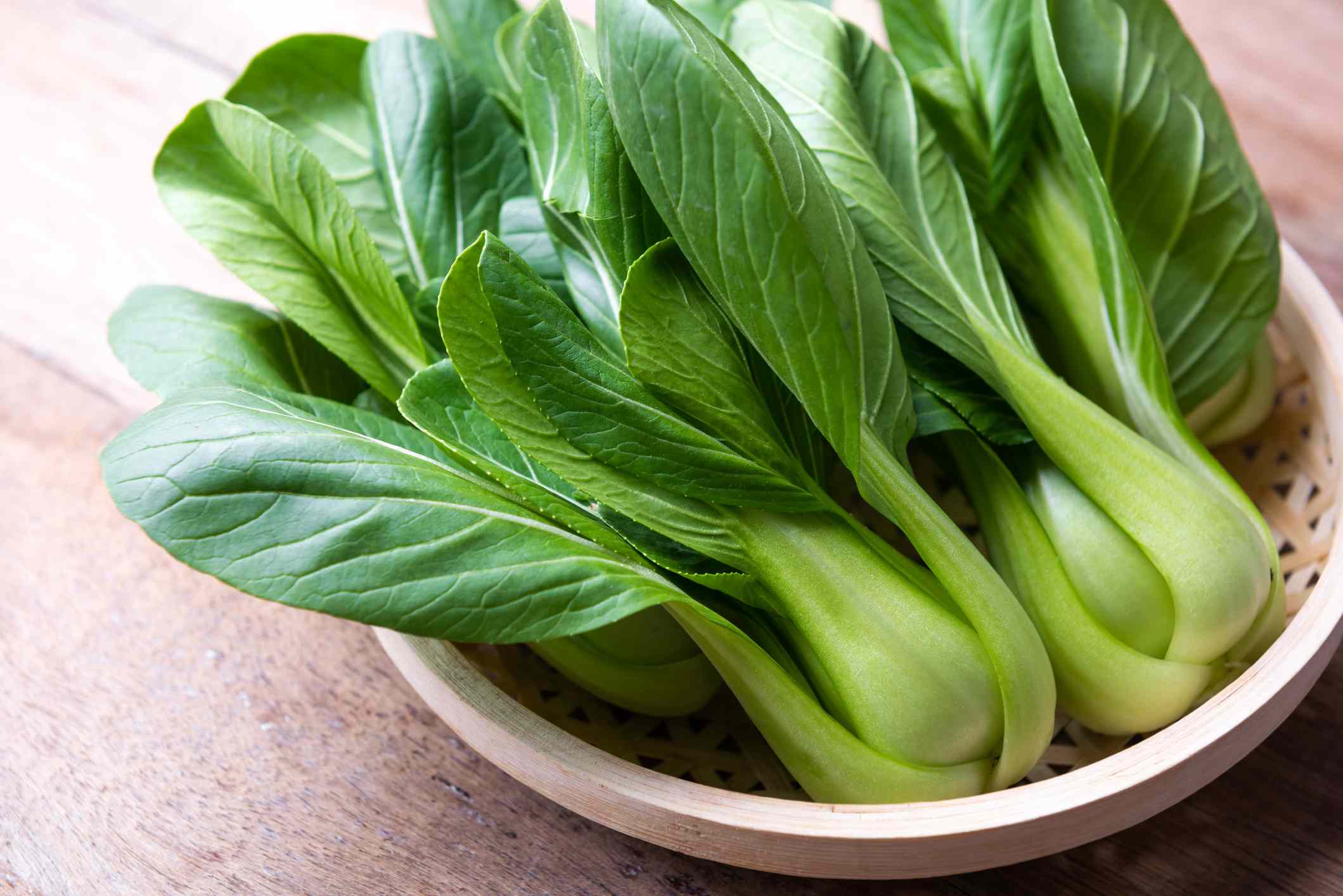
Bok choy, or Chinese cabbage, contains 160 mg of calcium per cooked cup and is a low-calorie, nutrient-dense vegetable. Its crunchy texture and mild flavor make it a favorite in Asian cuisine. In addition to calcium, bok choy is rich in vitamin K and antioxidants like beta-carotene, which promote bone and skin health.
Health Benefits:
- Supports bone health with calcium and vitamin K.
- Boosts immune health with vitamin C.
- Contains beta-carotene for healthy skin and vision.
How to Use:
- Stir-fry with garlic and soy sauce for a quick side dish.
- Add to soups and noodle dishes for added crunch.
- Roast bok choy halves for a caramelized flavor.
5. Fortified Almond Milk
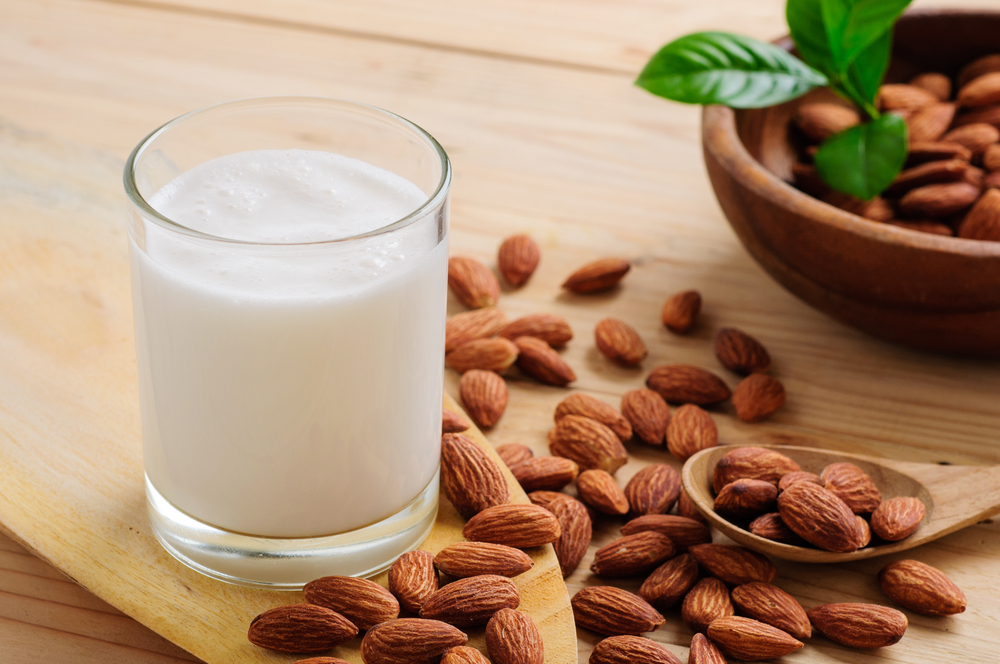
Fortified almond milk provides up to 450 mg of calcium per cup, often exceeding the calcium content of cow’s milk. It is also enriched with vitamin D, which aids in calcium absorption. Almond milk is a versatile, dairy-free option suitable for anyone looking to boost their calcium intake.
Health Benefits:
- Supports bone health with added calcium and vitamin D.
- Low in calories, making it suitable for weight management.
- Lactose-free, making it ideal for those with dairy intolerance.
How to Use:
- Use almond milkin cereal, oatmeal, or smoothies.
- Incorporate into baking recipes or creamy soups.
- Froth it for use in coffee or matcha lattes.
6. Calcium-Set Tofu
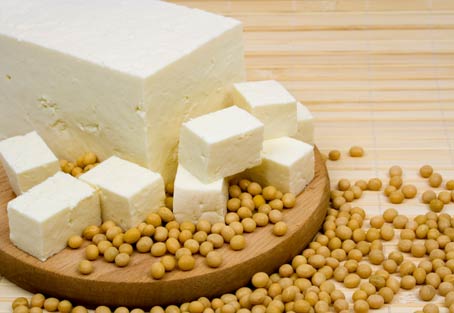
Calcium-set tofu contains up to 350 mg of calcium per half-cup, depending on the brand. Made by coagulating soy milk with calcium salts, this tofu is not only rich in protein but also a reliable source of calcium for vegans.
Health Benefits:
- High in protein, supporting muscle health.
- Contains phytoestrogens, which promote hormonal balance.
- Low in fat and cholesterol, making it heart-healthy.
How to Use:
- Pan-fry tofu cubes with spices for a quick snack.
- Add to stir-fries, curries, or soups.
- Blend into creamy tofu-based sauces or desserts.
7. Chia Seeds
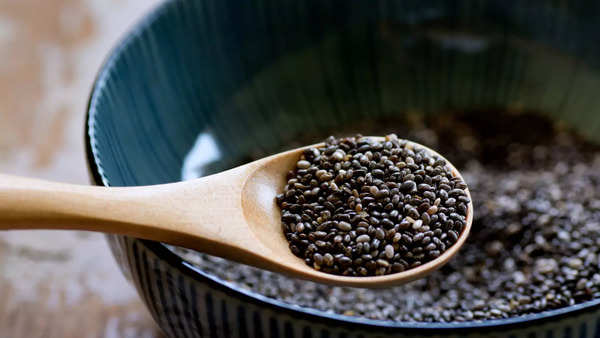
Chia seeds provide 179 mg of calcium per two tablespoons and are one of the easiest superfoods to include in your diet. These tiny seeds swell in liquid, creating a gel-like texture that’s perfect for thickening recipes or making puddings.
Health Benefits:
- Rich in omega-3 fatty acids, supporting brain and heart health.
- High in fiber, promoting gut health and satiety.
- Contains antioxidants that reduce inflammation.
How to Use:
- Make chia pudding by soaking seeds in plant-based milk.
- Sprinkle on oatmeal, yogurt, or smoothies.
Add to baked goods like muffins or energy bars.
8. Sesame Seeds And Tahini
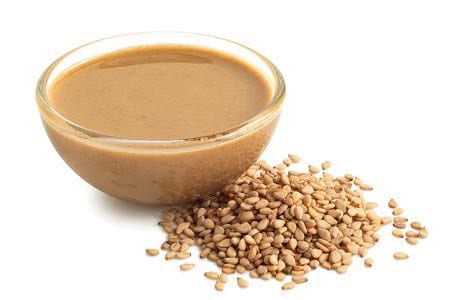
Sesame seeds provide 88 mg of calcium per tablespoon, while tahini (made from ground sesame seeds) offers around 130 mg per two tablespoons. Both are versatile and add a nutty flavor to dishes.
Health Benefits:
- Rich in magnesium and zinc, supporting overall bone health.
- Contains heart-healthy unsaturated fats.
Packed with antioxidants to fight inflammation.
How to Use:
- Sprinkle sesame seeds on salads, stir-fries, or sushi.
- Use tahini as a base for hummus or salad dressings.
- Drizzle tahini over roasted vegetables for added flavor.
9. Fortified Orange Juice

Fortified orange juice contains up to 350 mg of calcium per cup, making it a refreshing and effective way to increase your calcium intake. Along with calcium, it provides natural sugars and vitamin C, which plays a critical role in enhancing calcium absorption. Orange juice is an excellent choice for those who prefer a beverage-based calcium source.
Health Benefits:
- Boosts calcium absorption with its high vitamin C content.
- Supports immune health and skin repair.
- Provides natural energy without added fats or cholesterol.
How to Use:
- Drink a glass with breakfast to start the day.
- Use as a base for smoothies or fruit punches.
- Add to marinades for tofu or tempeh to impart a tangy flavor.
10. Broccoli
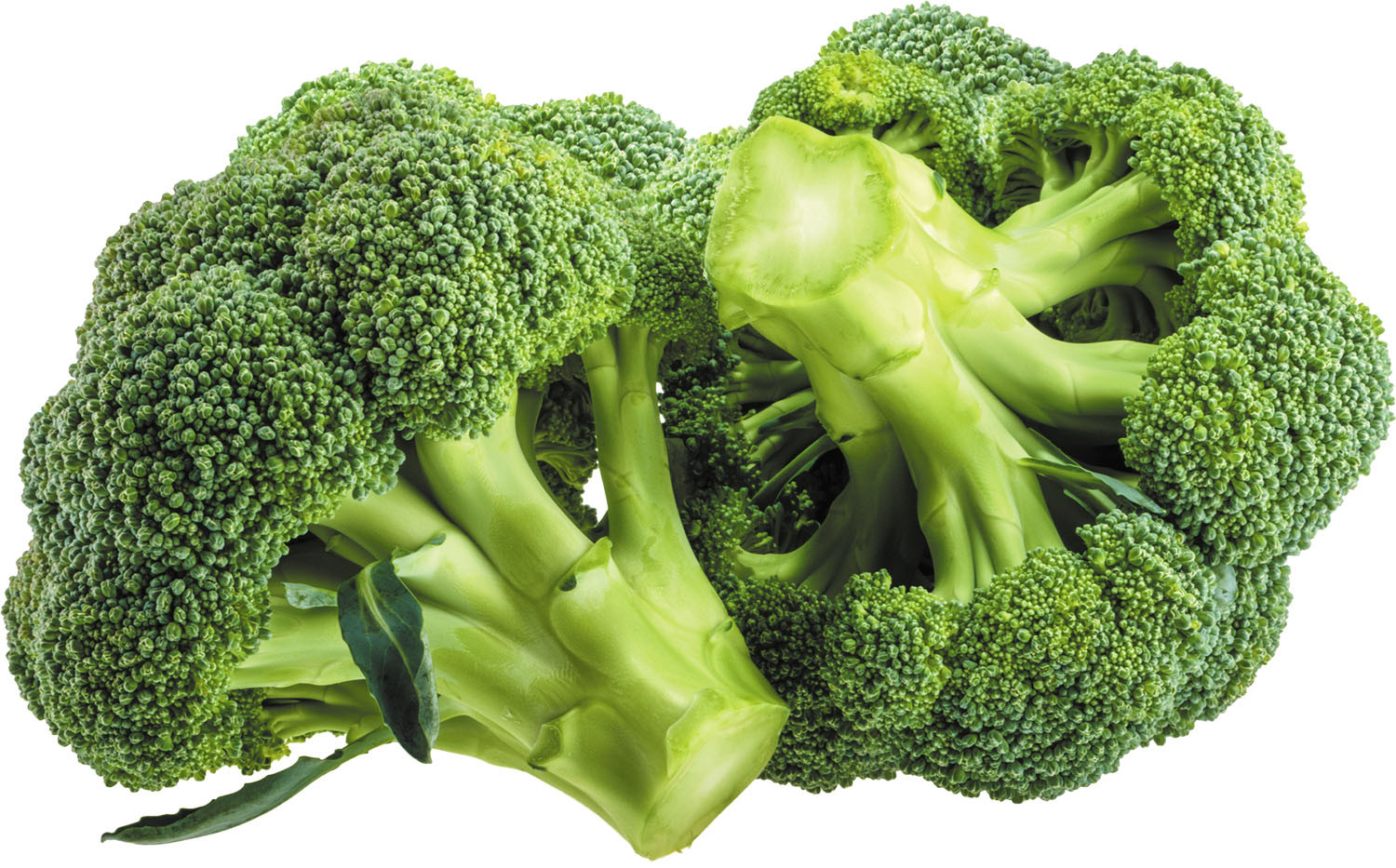
Broccoli contains 62 mg of calcium per cooked cup, along with an array of other nutrients like vitamin K, vitamin C, and folate. It’s a versatile vegetable that can be steamed, roasted, or stir-fried, making it easy to incorporate into various meals. Broccoli is also rich in antioxidants like sulforaphane, which supports cellular health.
Health Benefits:
- Promotes bone health with its calcium and vitamin K content.
- Contains antioxidants that help reduce inflammation.
- Supports digestion with fiber.
How to Use:
- Steam broccoli as a simple side dish.
- Add to stir-fries, casseroles, or grain bowls.
- Blend into soups or sauces for a creamy texture.
11. Okra
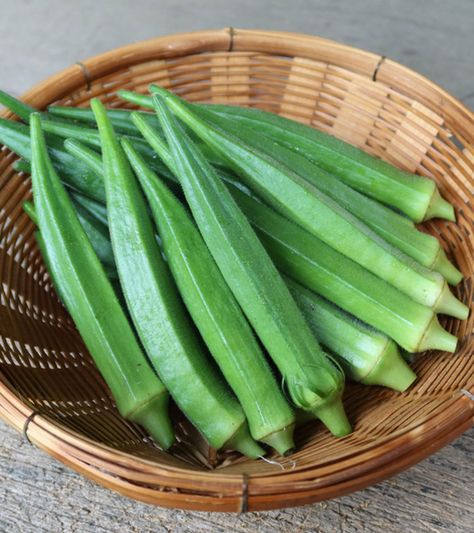
Okra is a versatile vegetable that contains 82 mg of calcium per cooked cup. Known for its unique slimy texture, okra is commonly used in Southern, Indian, and Middle Eastern cuisines. Along with calcium, it is a good source of vitamins C and K, making it a nutrient-dense addition to any vegan diet.
Health Benefits:
- Supports bone health with calcium and vitamin K.
- High in antioxidants, which protect against oxidative stress.
- Promotes digestive health with its fiber content.
How to Use:
- Add okra to stews, curries, or soups like gumbo.
- Roast with olive oil and spices for a crispy snack.
- Stir-fry with garlic and tomatoes for a quick side dish.
12. Figs (Dried)

Dried figs are a sweet and calcium-rich treat, providing 135 mg of calcium per five dried figs. They are also high in fiber and antioxidants, making them a healthy snack or ingredient for recipes. Their natural sweetness pairs well with both savory and sweet dishes.
Health Benefits:
- Supports digestive health with high fiber content.
- Provides calcium and potassium, promoting strong bones.
- Contains antioxidants that protect against free radicals.
How to Use:
- Enjoy dried figs as a snack or pair them with nuts.
- Chop and add to salads, oatmeal, or baked goods.
- Use as a topping for dairy-free yogurt or in energy bars.
13. Edamame
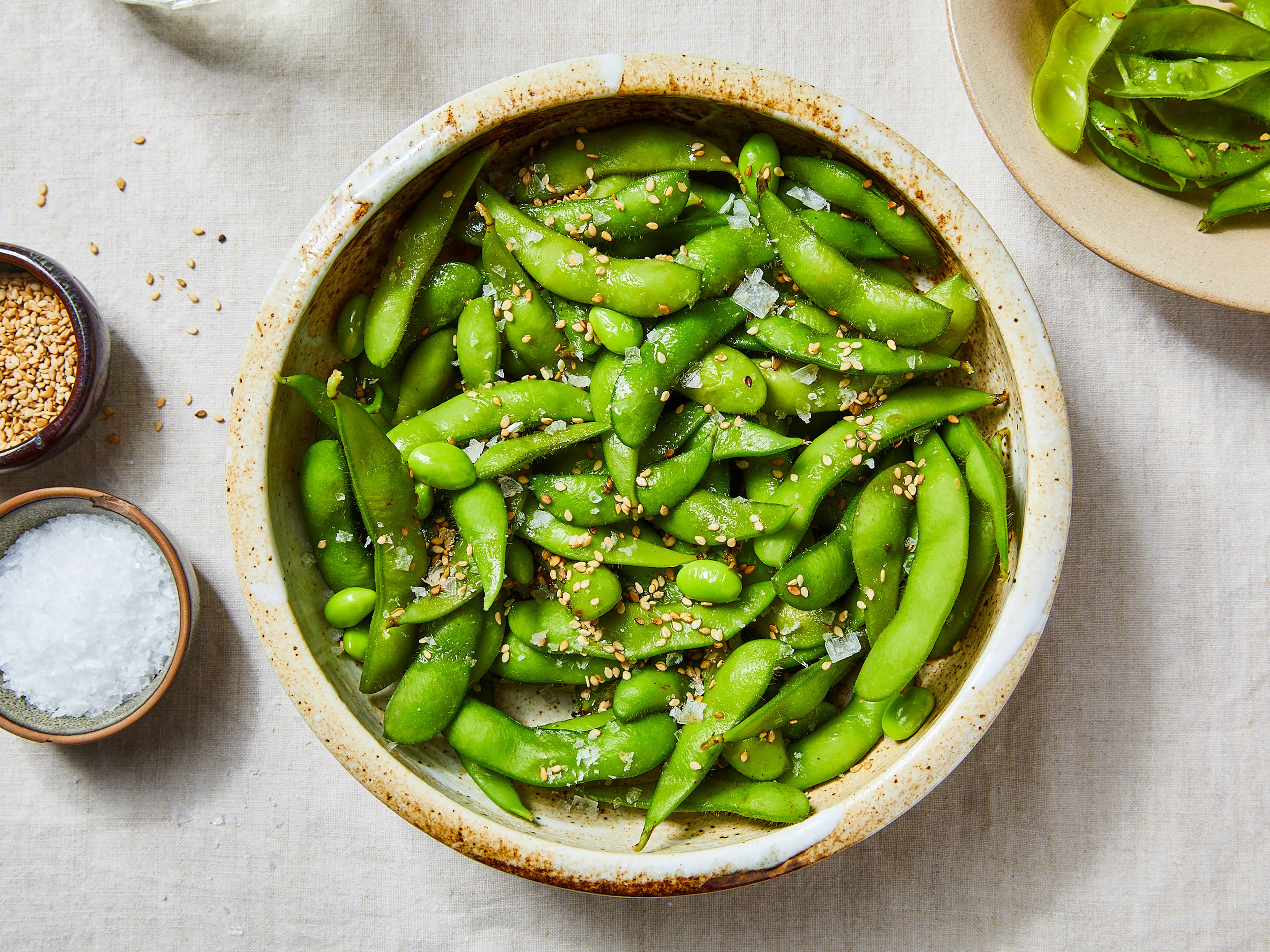
One cup of cooked edamame contains 98 mg of calcium, along with a healthy dose of protein, making it a favorite among plant-basedeaters. These young soybeans are versatile, delicious, and packed with folate and iron, supporting overall wellness.
Health Benefits:
- Provides complete protein, essential for muscle and tissue repair.
- High in folate, supporting cell growth and function.
- Aids in bone health with calcium and magnesium.
How to Use:
- Snack on steamed edamame sprinkled with sea salt.
- Add to salads, grain bowls, or stir-fries.
- Blend into dips or spreads for a creamy texture.
14. Seaweed (Wakame)

Seaweed varieties like wakame provide about 126 mg of calcium per cup. Seaweed is not only a great calcium source but also rich in iodine, which supports thyroid health. Its umami flavor makes it a favorite ingredient in Asian dishes.
Health Benefits:
- Rich in iodine, which supports thyroid function.
- High in calcium and magnesium for strong bones.
- Contains antioxidants that protect against oxidative stress.
How to Use:
- Add wakame to miso soup or seaweed salads.
- Sprinkle dried seaweed flakes on rice or noodles.
- Use as a topping for avocado toast or vegan sushi rolls.
15. Blackstrap Molasses

One tablespoon of blackstrap molasses provides 172 mg of calcium, making it a concentrated source of nutrients. This thick, dark syrup is also high in iron and potassium, making it a popular choice for vegans seeking to boost their mineral intake.
Health Benefits:
- Promotes bone health with its high calcium content.
- Supports energy levels with its iron content.
- Helps regulate blood pressure with potassium.
How to Use:
- Stir into oatmeal, smoothies, or baked goods for added sweetness.
- Use as a glaze for roasted vegetables or tofu.
- Add to hot water with lemon for a nutrient-rich beverage.
16. Amaranth
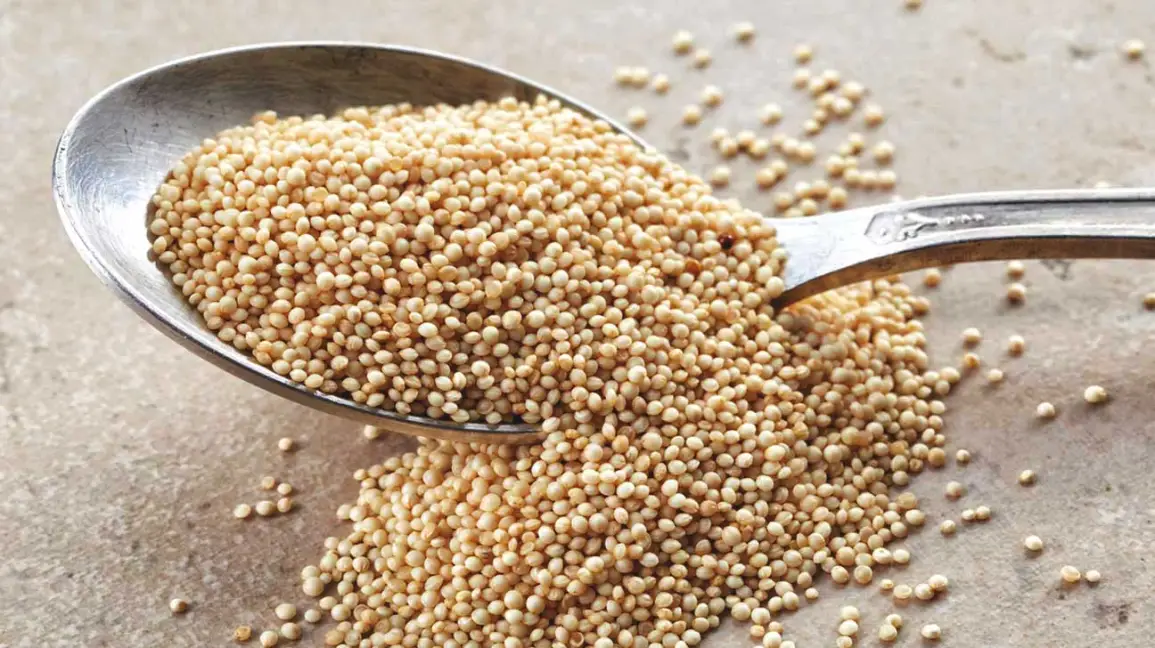
Amaranth is a gluten-free ancient grainthat provides 116 mg of calcium per cooked cup. It’s a high-protein option that works well in a variety of dishes, from breakfast porridge to savory grain bowls.
Health Benefits:
- Supports bone health with calcium and magnesium.
- High in protein, aiding in muscle repair.
- Rich in fiber, promoting digestion.
How to Use:
- Cook as a porridge and top with fruit and nuts.
- Use in soups, stews, or grain salads.
- Mix with herbs and spices to create veggie patties.
17. White Beans

White beans are a humble yet powerful source of calcium, providing 161 mg per cooked cup. They are versatile and mild in flavor, making them easy to incorporate into various recipes.
Health Benefits:
- ich in calcium and magnesium for bone strength.
- High in fiber, supporting heart and digestive health.
- A good source of plant-based protein.
How to Use:
- Add white beans to soups and stews.
- Mash into spreads or dips for sandwiches.
- Toss into salads or grain bowls for added texture.
18. Chickpeas
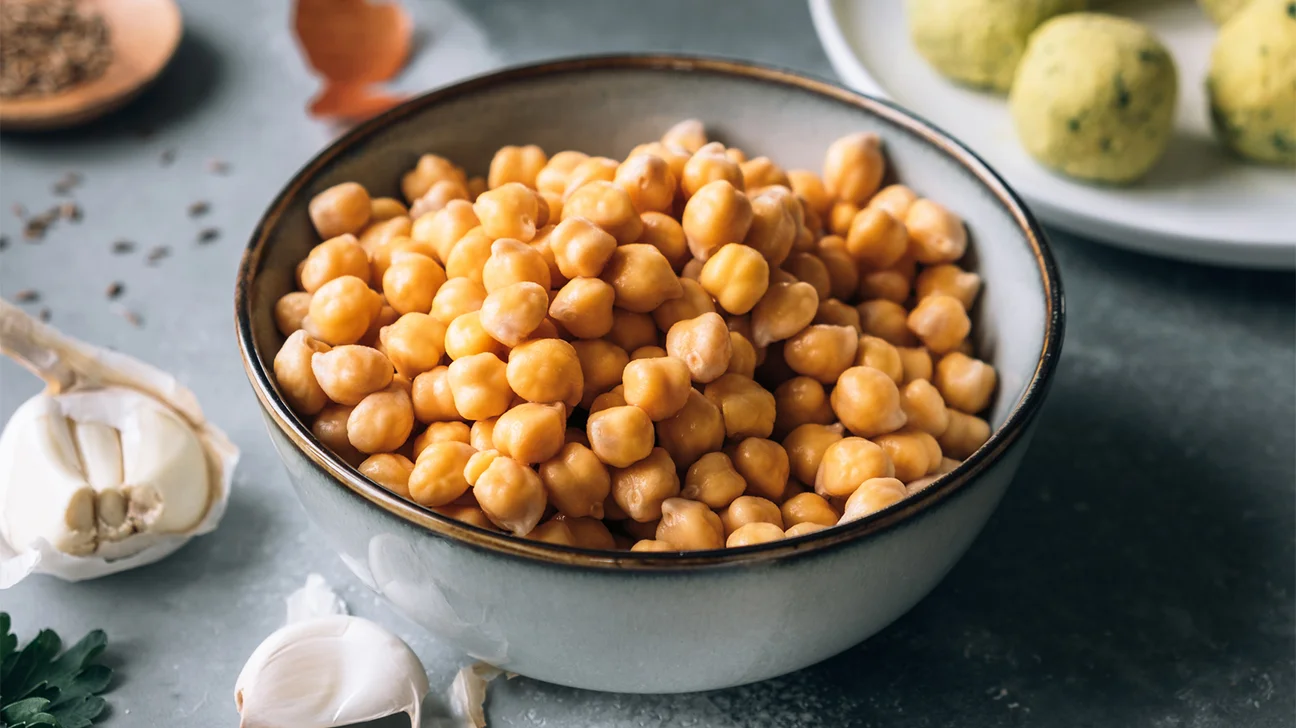
Chickpeas provide 80 mg of calcium per cooked cupand are a staple in vegan diets due to their versatility and nutritional profile. They are high in protein, making them an excellent base for various dishes.
Health Benefits:
- Supports bone health with calcium and magnesium.
- Promotes heart health with its fiber content.
- Contains iron, supporting energy levels and oxygen transport.
How to Use:
- Roast chickpeas for a crunchy snack.
- Use in curries, soups, or grain bowls.
- Blend into hummus for a creamy dip.
19. Lentils
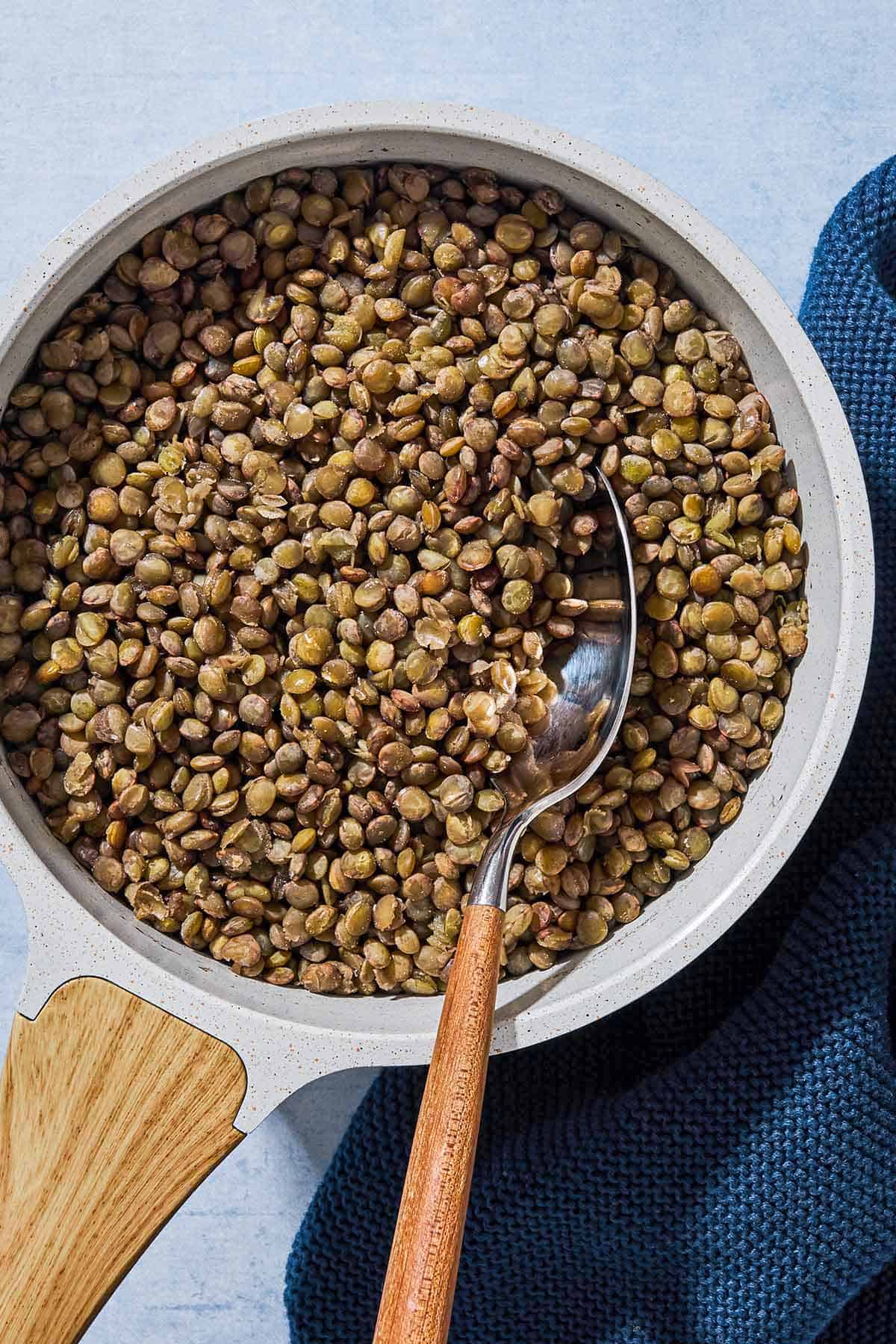
Lentils provide 38 mg of calcium per cooked cupand are high in protein, iron, and fiber. They are a great choice for vegan meals, offering versatility and nutrition.
Health Benefits:
- Aids in muscle repair with high protein content.
- Supports bone strength with calcium and magnesium.
- High in fiber, promoting gut health.
How to Use:
- Add to soups, stews, or curries.
- Use as a filling for veggie burgers or patties.
- Toss into saladsfor added texture and nutrition.
20. Fortified Plant-Based Yogurt

Many brands of plant-based yogurt, such as almond or coconut yogurt, are fortified with calcium, offering up to 300 mg per serving. They are a delicious and convenient snack or breakfast option.
Health Benefits:
- High in calcium for bone health.
- Often contains probiotics, supporting gut health.
- Dairy-free, making it suitable for vegans and those with lactose intolerance.
How to Use:
- Top with fresh fruits, nuts, and seeds for breakfast.
- Use as a base for smoothies or parfaits.
- Substitute for sour cream or cream in savory dishes.
FAQs
Can Vegans Get Enough Calcium Without Supplements?
Yes, vegans can meet their calcium needs by consuming a variety of calcium-rich plant-based foods like kale, tofu, fortified plant milks, and almonds. A well-planned vegan diet that includes these foods can provide adequate calcium without the need for supplements.
What Is The Daily Calcium Requirement For Adults?
The recommended daily intake of calcium for most adults is 1,000 mg per day, increasing to 1,200 mg per day for women over 50 and men over 70. Pregnant and breastfeeding individuals may also require more calcium.
Are Fortified Foods A Reliable Source Of Calcium?
Yes, fortified foods such as plant-based milks, orange juice, and tofu are excellent sources of calcium. They are enriched with bioavailable calcium, making it easier to meet daily requirements, especially for vegans.
How Can I Maximize Calcium Absorption From Plant-based Foods?
To enhance calcium absorption, pair calcium-rich foods with vitamin D sources, such as sunlight exposure or fortified foods. Additionally, limit high-oxalate foods like spinach, which can inhibit calcium absorption, and diversify your calcium sources.
What Are Some Low-oxalate Calcium-rich Foods?
Low-oxalate options like bok choy, kale, broccoli, and fortified plant milks are excellent choices for maximizing calcium intake without absorption issues.
Conclusion
Incorporating calcium-rich vegan foods into your diet is a simple and effective way to support your bone health and overall well-being. From leafy greens and fortified plant-based products to seeds and legumes, these options prove that you don’t need dairy to meet your calcium needs.
By experimenting with these delicious and nutritious foods, you can create meals that are not only healthy but also enjoyable. Start incorporating these calcium-packed choices today and take a step toward a stronger, healthier you.