High-Antioxidant Foods List - 31 Foods That Can Change Your Health
Eating foods rich in antioxidants is a great way to protect your body from the harmful effects of free radicals. These foods help reduce inflammation, support heart health, and may even lower the risk of certain cancers. Start with fruits, vegetables, nuts, and seeds to get the most benefit.
Dec 22, 2024
Antioxidants are compounds that are both naturally produced by the body and obtained through dietary sources, and they play a crucial role in protecting cells from damage. Oxidation is a chemical process that generates free radicals, unstable molecules that can harm the body when present in excessive amounts.
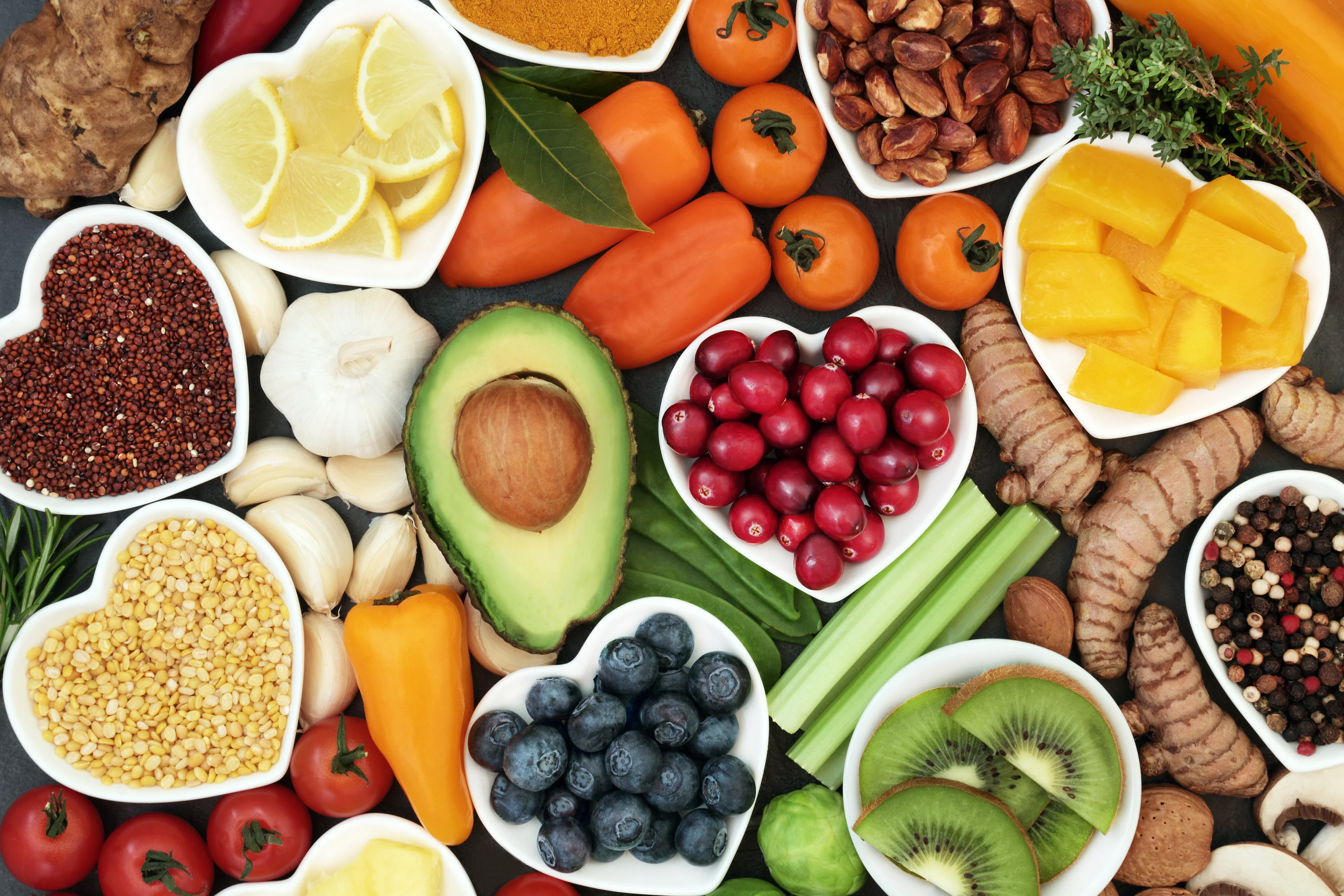
Want to power up your antioxidant intake? Just load up on a colorful variety of veggies, fruits, nuts, fungi, whole grains, legumes, herbs, spices, and even edible flowers! Here are some of the best antioxidant-packed foods, how they can boost your health, and some fun and easy ways to add them to your plate.
1. Apples
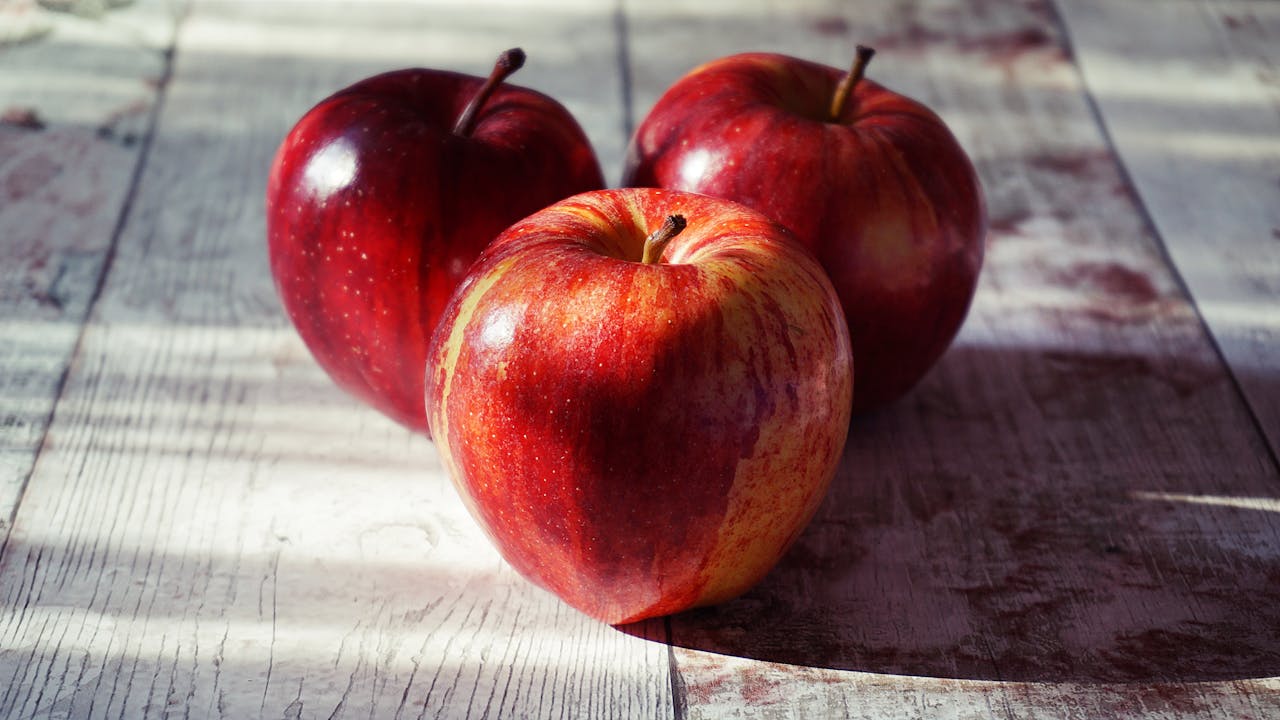
Research indicates that consuming apples and apple-based products can help protect against various diseases, including cancer, diabetes, and heart disease. Apples have also been linked to improved weight management, as well as better bone, lung, and gut health. These benefits are attributed to the polyphenols and antioxidant compounds found in apples.
Apples can be enjoyed on their own or paired with nuts, nut butter, or hummus. Add chopped apples to oatmeal, smoothies, salads, slaws, or stir-fries. For a sweet treat, try dark chocolate-covered apple slices or cinnamon-baked apples.
2. Avocado
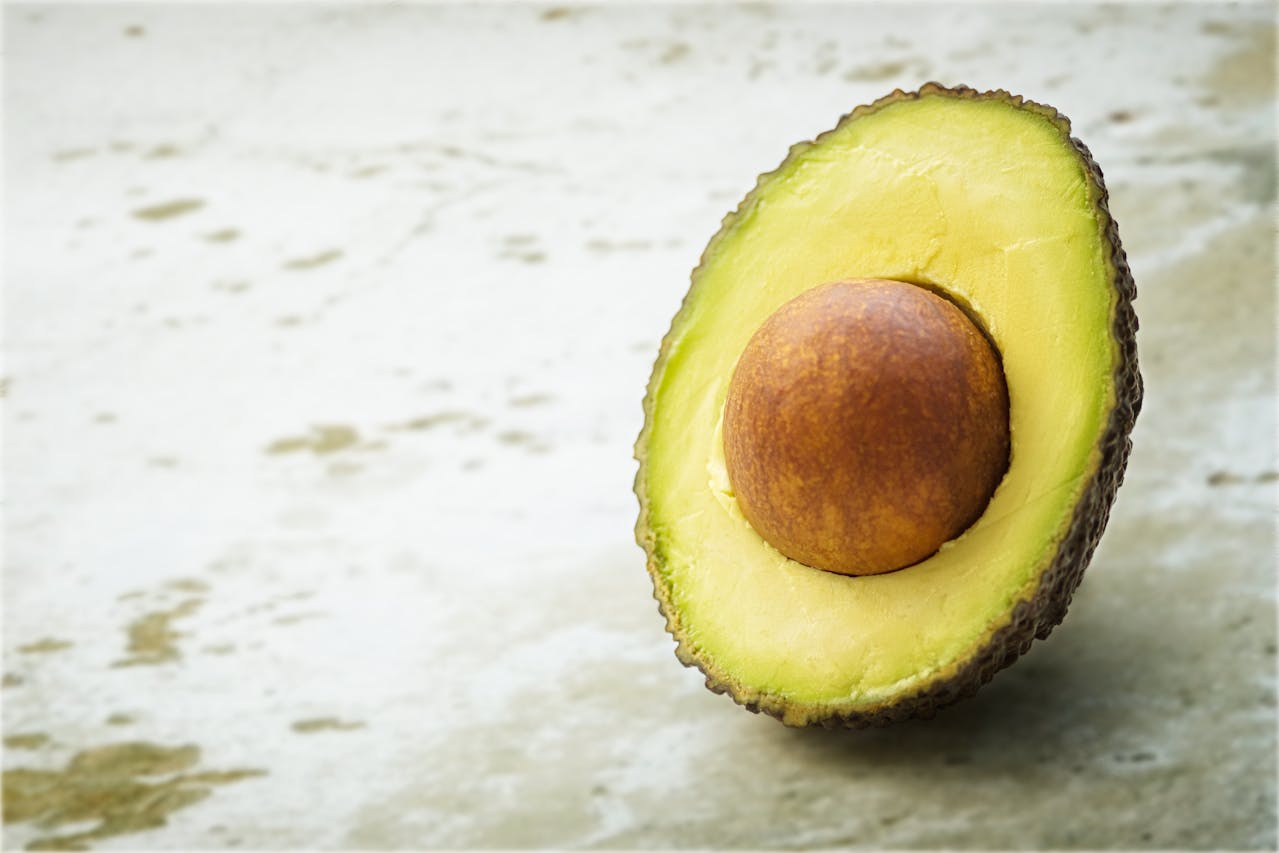
Avocados are rich in healthy fats and antioxidants, particularly polyphenols. A 2020 study examined the effects of avocados on blood antioxidant levels and LDL cholesterol. Participants who consumed one avocado daily experienced increased blood antioxidants and a reduction in LDL cholesterol.
This suggests that avocados contain bioactive compounds beyond their fats, including powerful antioxidants. Avocados also provide 9.25 grams of fiber (33% of the daily value) and 690 milligrams of potassium (15% of the daily value), essential for nerve function, muscle contraction, and blood pressure regulation.
3. Pistachios
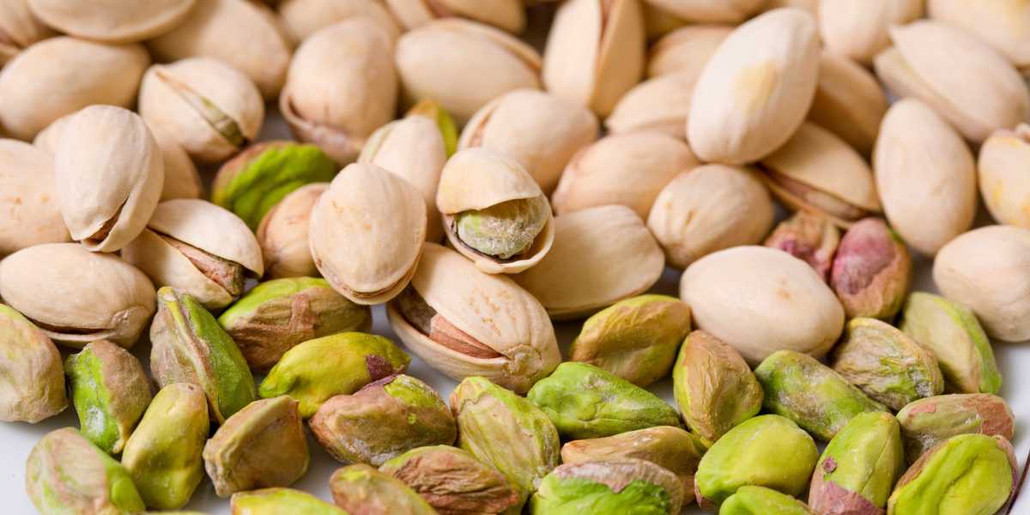
Pistachios are a nutrient-rich food that should be included in any high-antioxidant foods list. These delicious nuts are packed with antioxidants, including vitamin E, which helps protect cells from oxidative damage.
Pistachios are also an excellent source of healthy fats, protein, and fiber, making them a great choice for supporting heart health and maintaining healthy blood sugar levels. Consuming pistachios regularly can also help reduce inflammation and lower cholesterol levels.
4. Cocoa
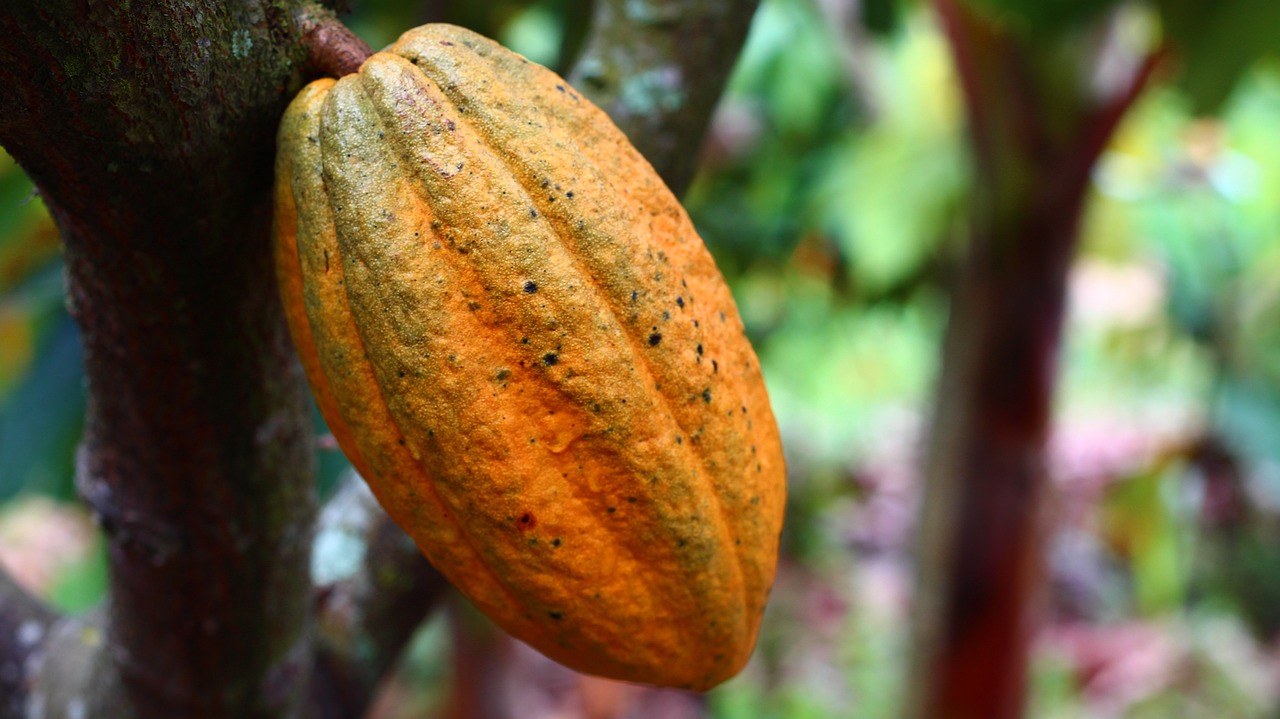
Cocoa is an excellent source of polyphenols, particularly flavanols, which have anti-inflammatory effects and positively influence gut microbes. These antioxidants promote the growth of beneficial bacteria while reducing harmful microbes, and they can also enhance immune response. Furthermore, flavanols may improve brain function, including memory and learning.
A quarter-cup serving of cocoa powder provides 108 mg of magnesium (25% of the daily value), crucial for nerve, muscle, immune, and heart functions. Add cocoa powder into smoothies, oatmeal, energy balls, or savory dishes like mole and chili. It also adds richness to healthy treats, from chocolate hummus to hot cocoa and date-based fudge.
5. Green Tea
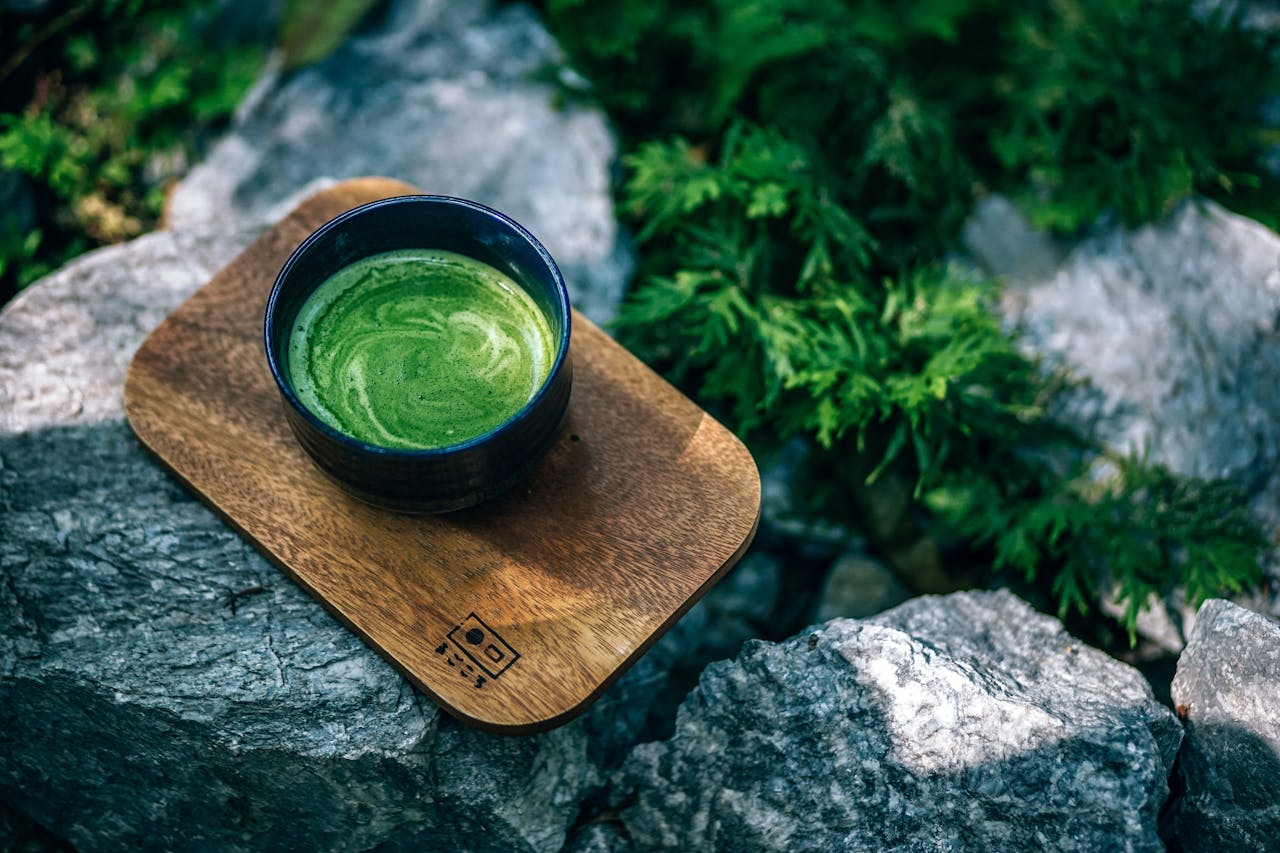
Green tea is rich in catechins, antioxidants that protect against various cancers, including lung, breast, and prostate cancers. These antioxidants also have anti-inflammatory, anti-viral, and blood pressure-lowering effects.
Green tea may also provide small amounts of essential minerals, such as copper, manganese, iron, zinc, magnesium, calcium, and potassium, depending on the source. Drink green tea hot or cold, or incorporate it into smoothies, overnight oats, soups, or sauces.
6. Mushrooms
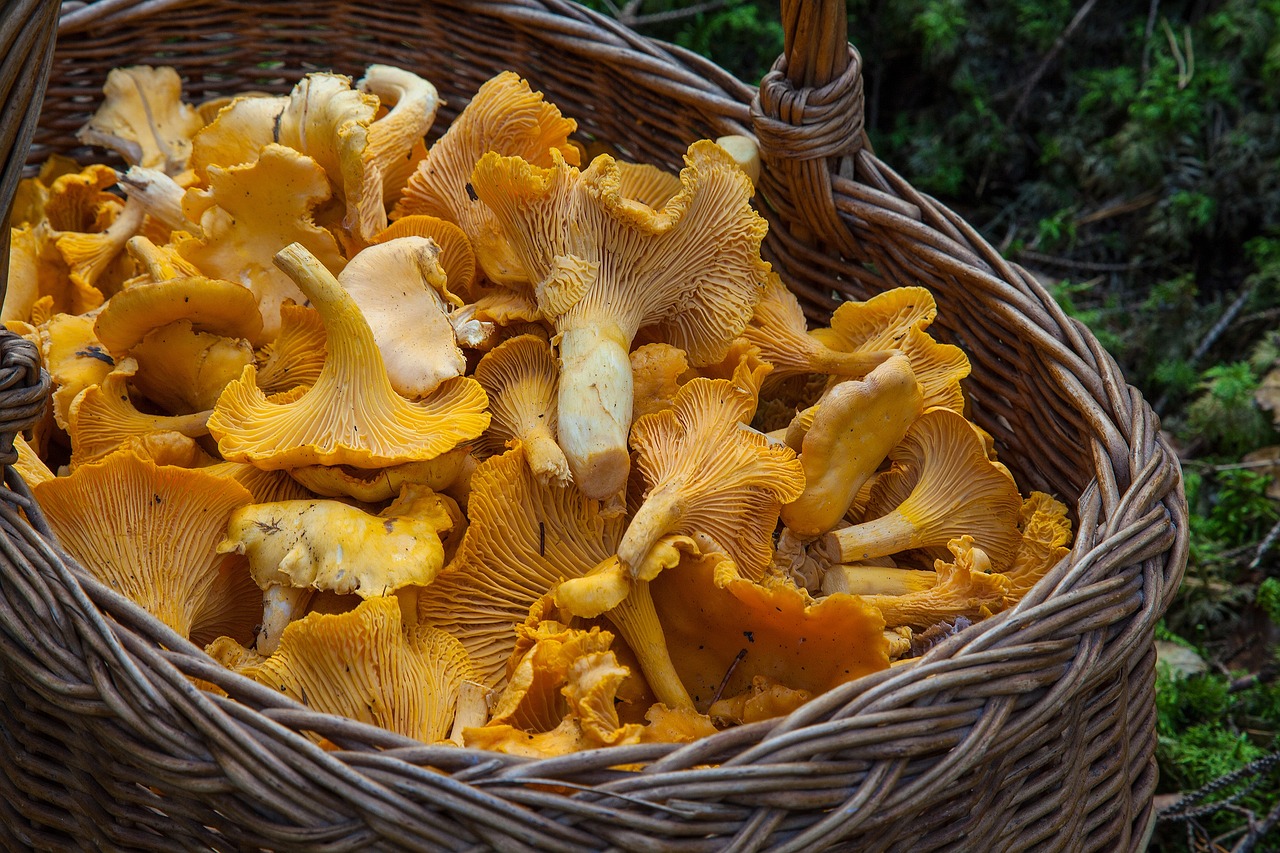
Mushrooms are packed with antioxidants, which help combat aging and reduce the risk of chronic diseases. Studies suggest that mushrooms are among the top anti-inflammatory foods. They are the only non-animal source of naturally occurring vitamin D, which supports bone health, immune function, and may protect against several diseases, including heart disease and cancer.
Mushrooms are low in calories, with one cup of white mushrooms providing just 21 calories. A whole portabella mushroom contains 18.5 calories. Add mushrooms to smoothies, tofu scrambles, salads, soups, stir-fries, curries, tacos, and pasta dishes. They can also be used in baked goods like brownies and rice pudding.
7. Nuts
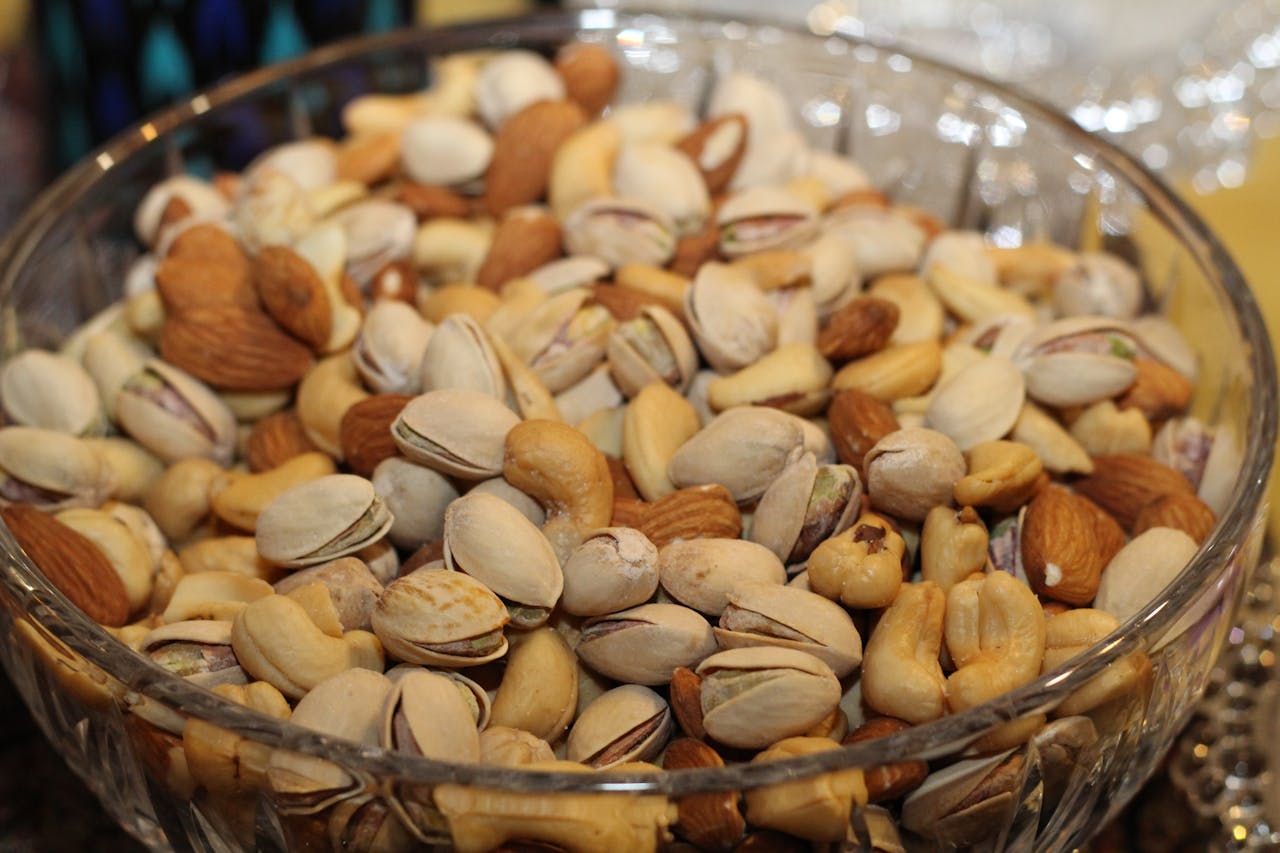
Nuts, including walnuts, pistachios, and pecans, are rich in polyphenols, which help reduce inflammation and promote bone and brain health. Studies show that antioxidant-rich plant foods, such as nuts, can lower the risk of death from heart disease, cancer, and other causes.
Nuts also provide plant protein, healthy fats, fiber, vitamins, and minerals. Nut butter can be seasoned with garlic, ginger, and chili pepper for savory sauces, or paired with raw vegetables or fresh fruit for a nutritious snack.
8. Olive Oil
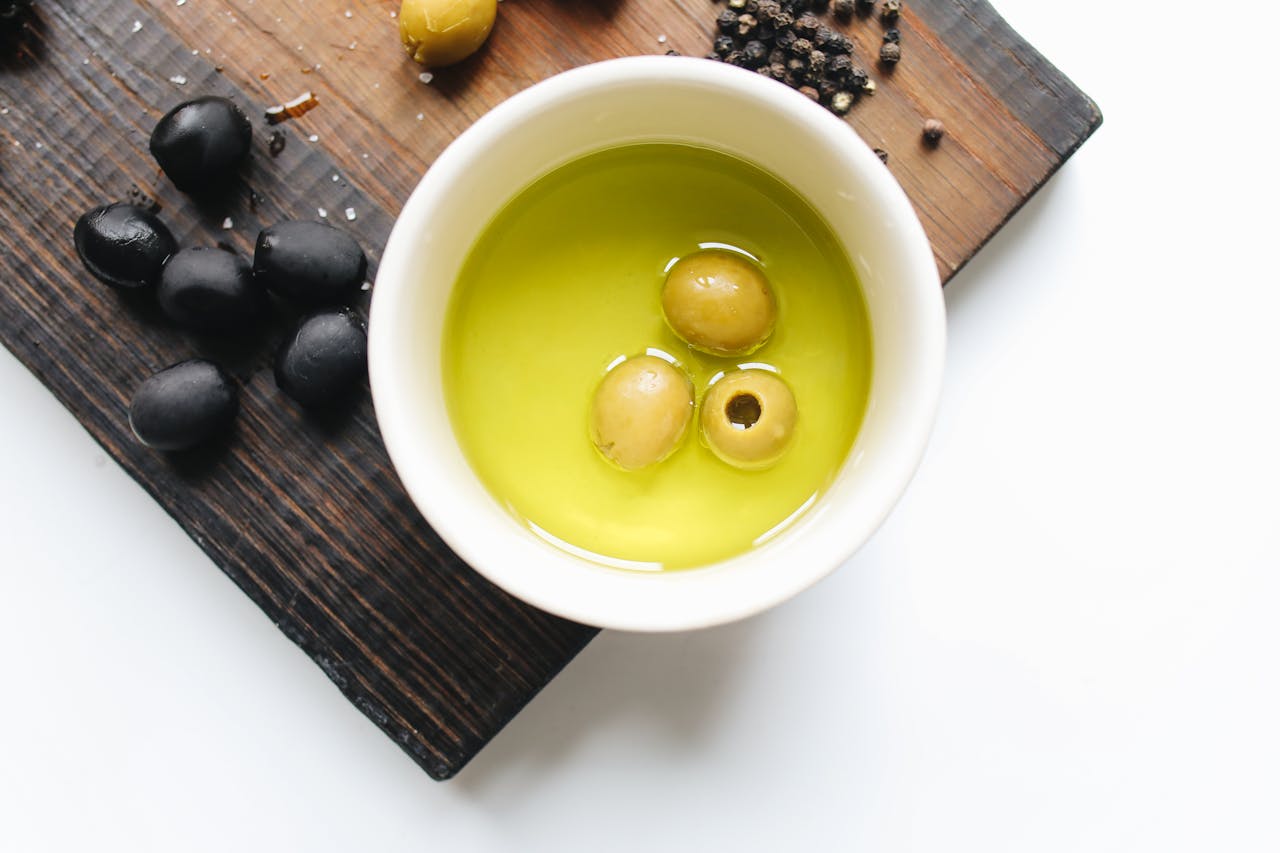
Extra virgin olive oil (EVOO) is packed with polyphenols, antioxidants that help reduce inflammation, slow the progression of cancer, and protect against heart and brain diseases. EVOO’s polyphenols also help combat aging and metabolic syndrome, which includes risk factors such as high blood pressure, blood sugar, and cholesterol levels.
EVOO also aids the absorption of fat-soluble vitamins A, D, E, and K, which are essential for vision, bone health, immune function, and blood clotting. For optimal health benefits, use EVOO in no-heat or low-heat cooking. It’s perfect for salad dressings, slaws, and cool vegetable dishes.
9. Potatoes
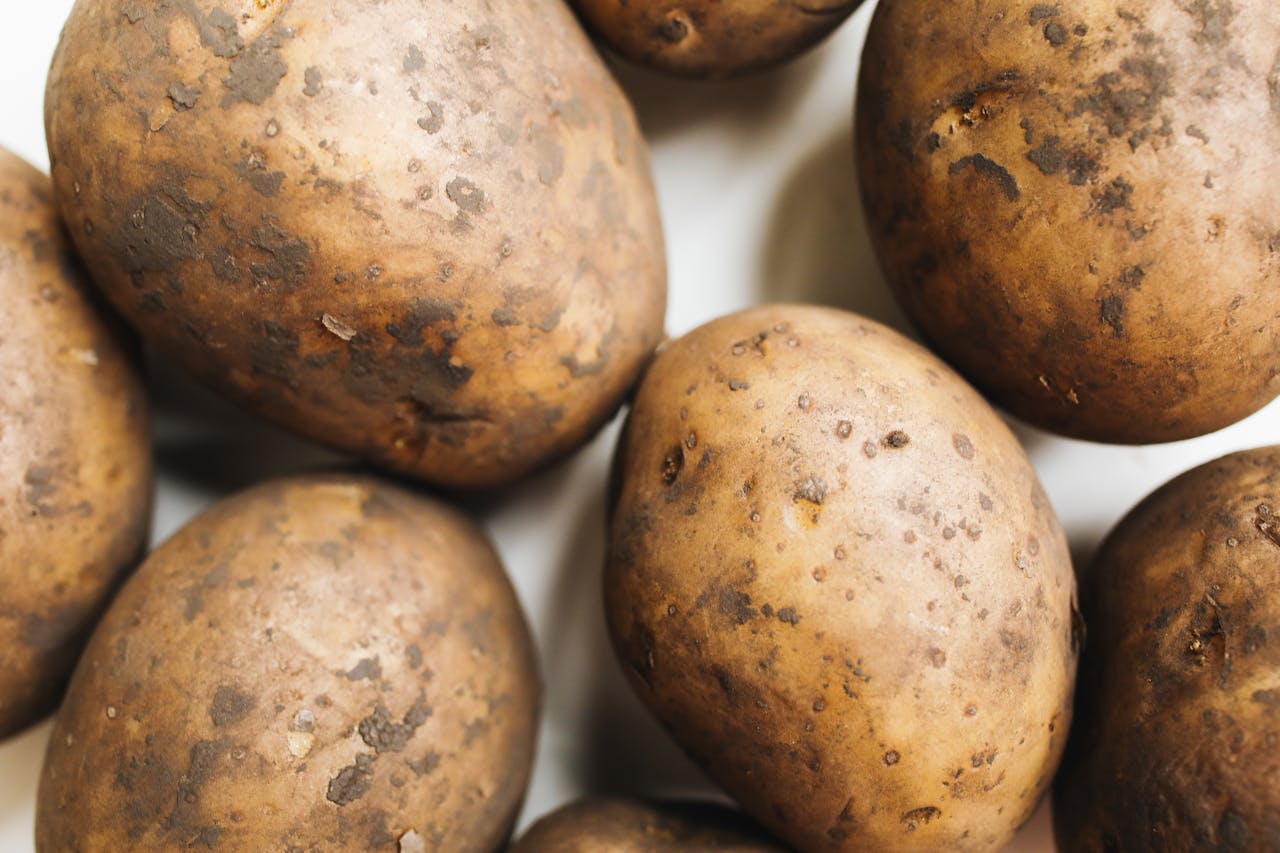
Potatoes are rich in antioxidants, including carotenoids, flavonols, and vitamins C and E. These antioxidants may help reduce the risk of cancer, heart disease, and age-related vision loss, among other conditions. One large baked potato provides six grams of fiber (21% of the daily value) and 1,560 milligrams of potassium (33% of the daily value).
For a healthy meal, top baked potatoes with steamed or sautéed veggies, hummus, or guacamole. Toss cooked potatoes with mustard, EVOO, and herbs for an antioxidant-rich side dish.
10. Red Cabbage
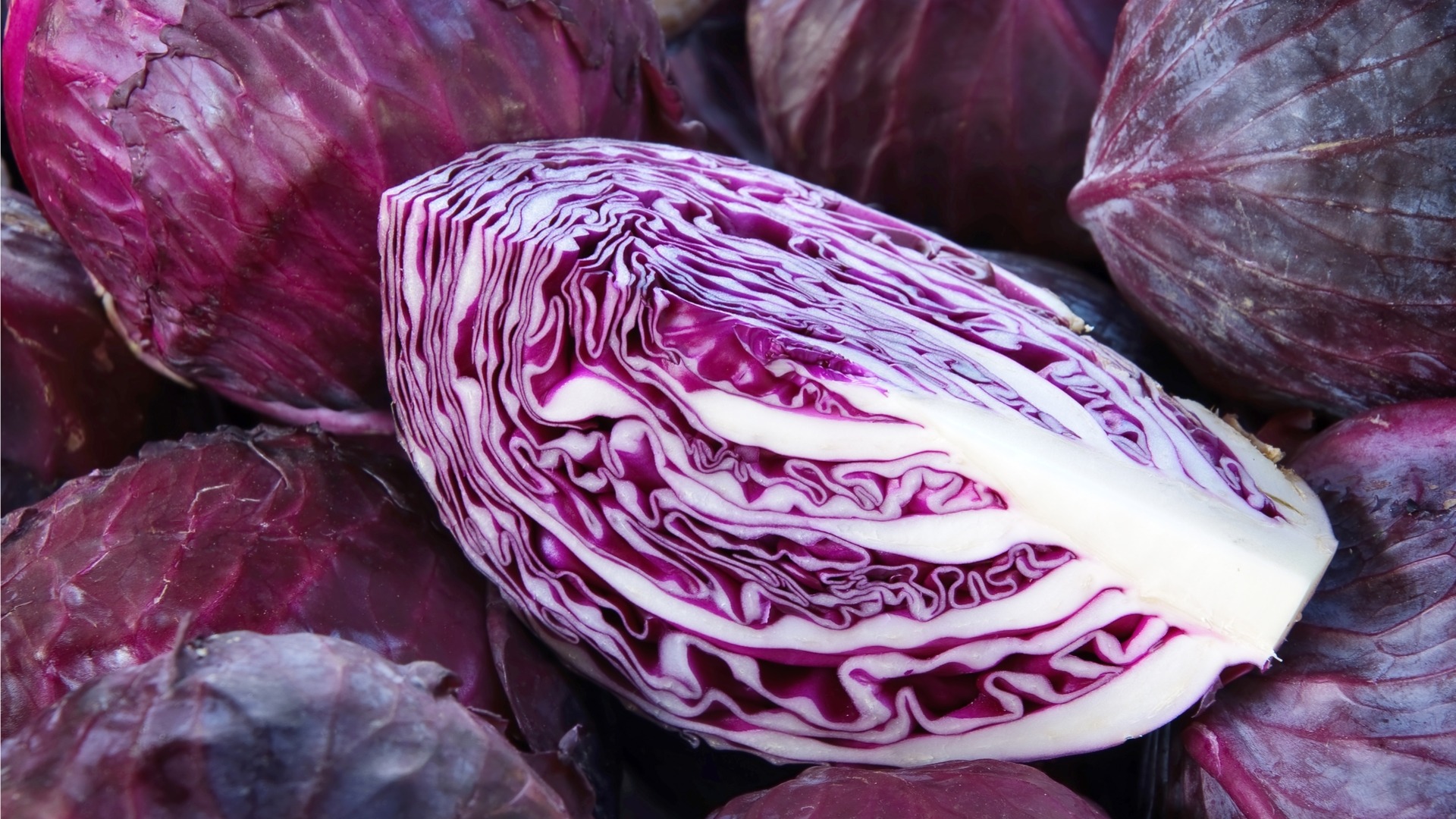
Red cabbage is a powerful addition to any high-antioxidant foods list. Packed with antioxidants like anthocyanins, red cabbage helps fight oxidative stress and inflammation in the body.
This vibrant vegetable is also rich in vitamins C and K, which contribute to immune health and bone strength. Including red cabbage in your diet can support heart health, improve digestion, and reduce the risk of chronic diseases.
11. Tomatoes
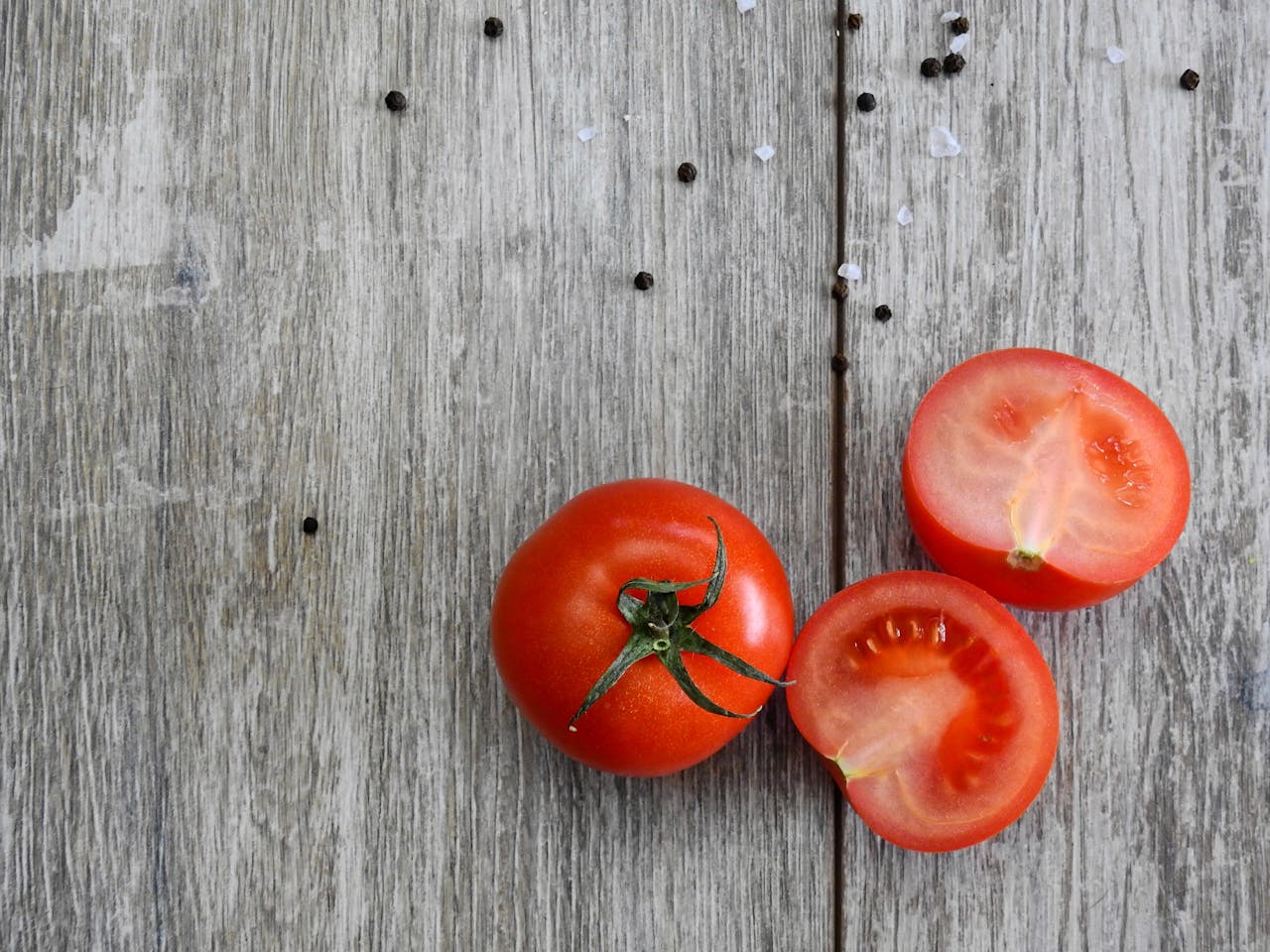
Tomatoes are rich in lycopene, an antioxidant that gives them their red color. Lycopene has been shown to reduce inflammation, protect heart health, and lower blood pressure. Antioxidant-rich tomatoes may also reduce the risk of cancer and improve brain health.
Cooked tomatoes contain higher levels of lycopene than raw tomatoes, making them a great addition to a healthy diet. Add tomatoes into scrambles, pasta dishes, or roasted as a side dish. Tomato sauce is another excellent way to enjoy this antioxidant-rich food.
12. Dark Chocolate

Dark chocolate is a nutritious indulgence, offering more cocoa than regular chocolate. This higher cocoa content gives dark chocolate its rich antioxidant properties, which are linked to a variety of health benefits.
The antioxidants in dark chocolate help reduce inflammation, support heart health, and may improve cognitive function. A moderate intake of dark chocolate can be a delicious way to enjoy its health-promoting properties.
13. Pecans
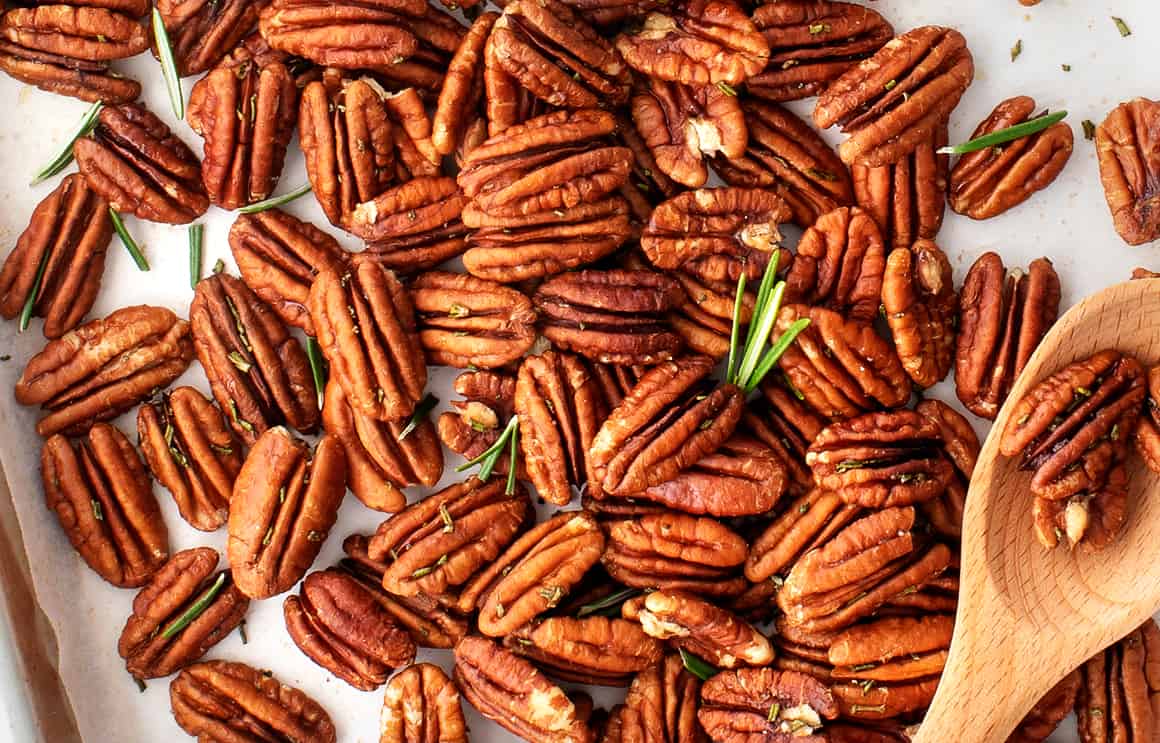
Pecans are native to North America and are an excellent source of healthy fats, vitamins, minerals, and antioxidants. These nutritious nuts provide a high amount of antioxidants that help reduce oxidative stressand inflammation in the body.
Pecans may also play a role in lowering cholesterol levels, which contributes to better heart health. Due to their calorie density, it is best to enjoy pecans in moderation as part of a balanced diet.
14. Blueberries
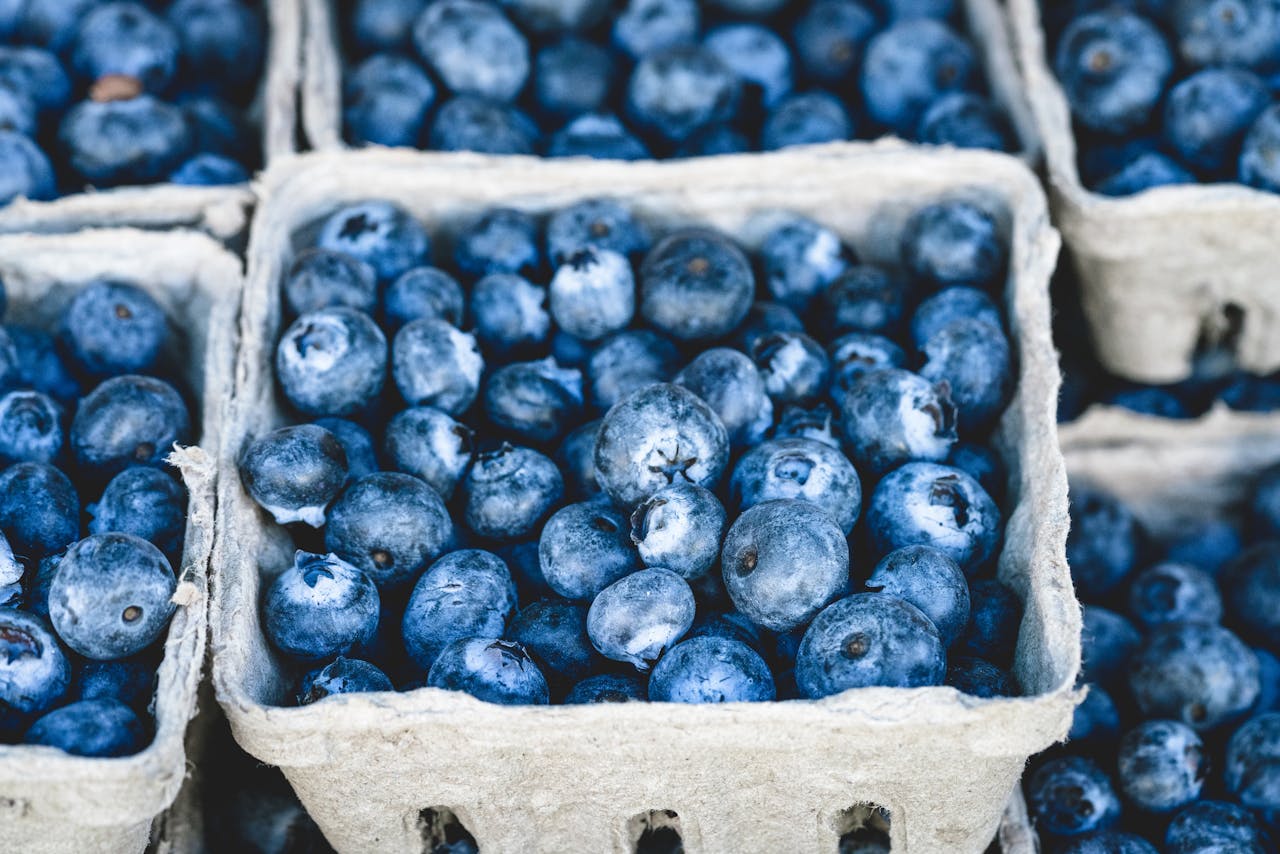
Blueberries are a low-calorie fruit that is packed with essential nutrients and powerful antioxidants. These antioxidants help protect against oxidative damage and may improve brain function, heart health, and even skin vitality.
The unique anthocyanins in blueberries are particularly effective in supporting cognitive health and may delay age-related mental decline. A handful of blueberries provides a tasty and nutritious way to boost overall wellness.
15. Strawberries
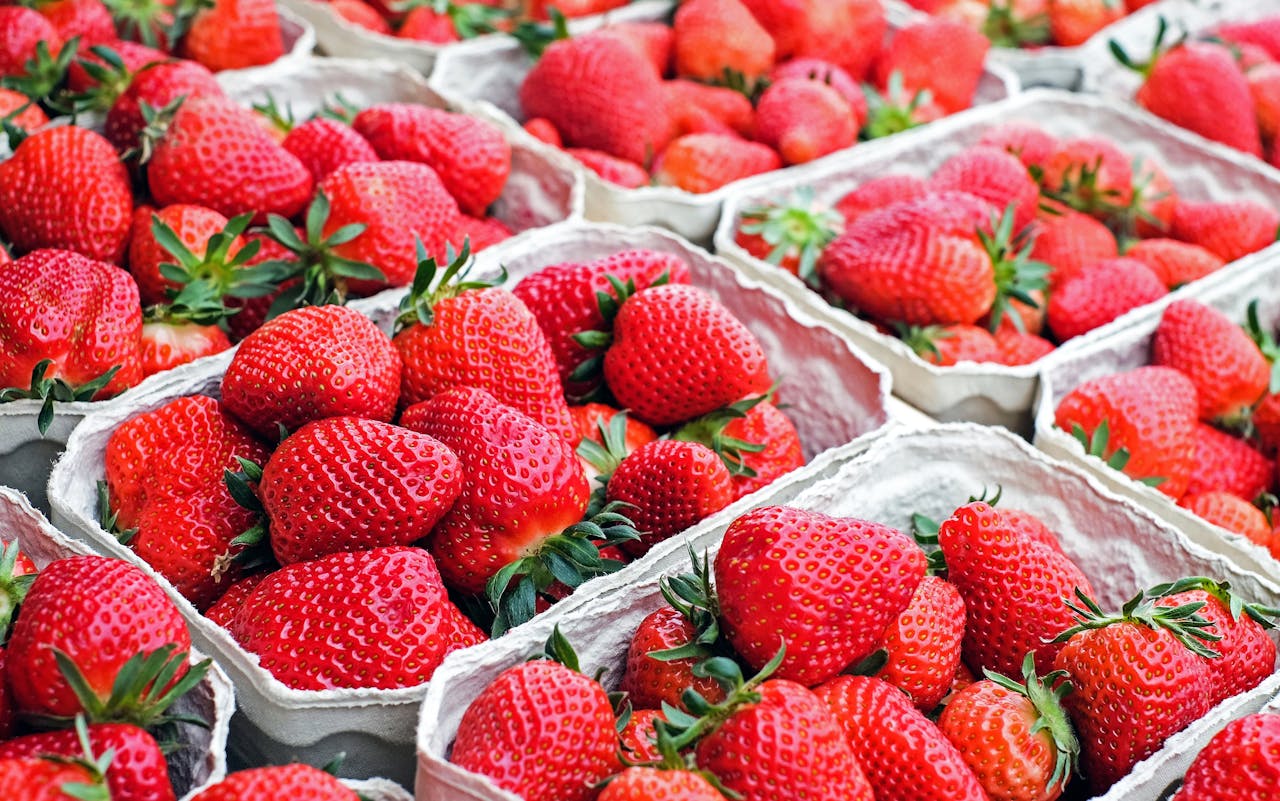
Strawberries are not only delicious but also a rich source of vitamin C and antioxidants, particularly anthocyanin, which gives them their vibrant red color. These antioxidants support cardiovascular health by lowering LDL cholesterol levels and promoting higher HDL cholesterol. Strawberries also have anti-inflammatory properties, making them a great addition to a heart-healthy diet.
16. Artichokes
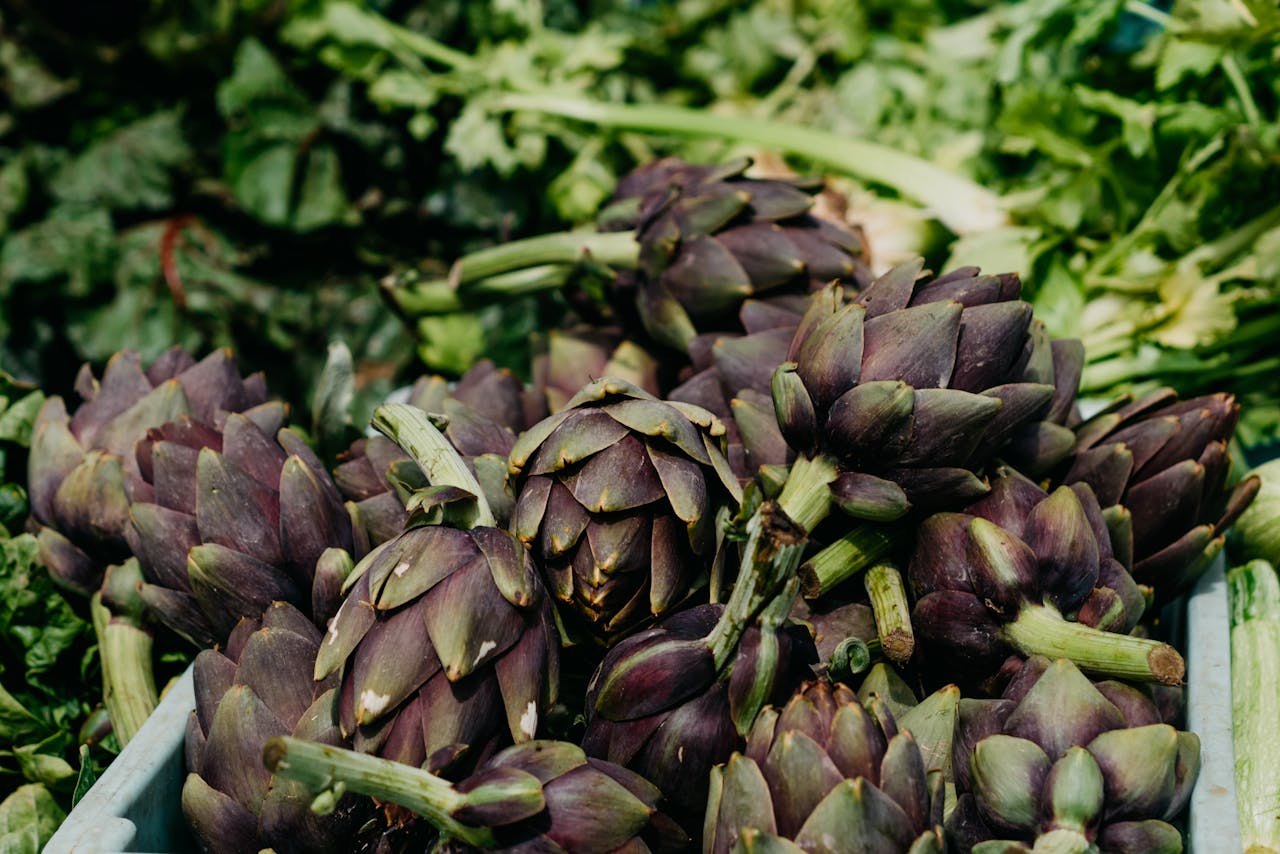
Artichokes are a powerhouse of nutrition, offering a high amount of fiber, minerals, and antioxidants, particularly chlorogenic acid. This antioxidant has been linked to a reduced risk of certain chronic conditions, including heart disease, type 2 diabetes, and certain types of cancer.
Artichokes are also great for digestive health due to their fiber content and are an excellent choice for those looking to add more plant-based nutrients to their diet. Roasted, steamed, or used in salads, artichokes provide a flavorful and healthy addition to any meal.
17. Goji Berries
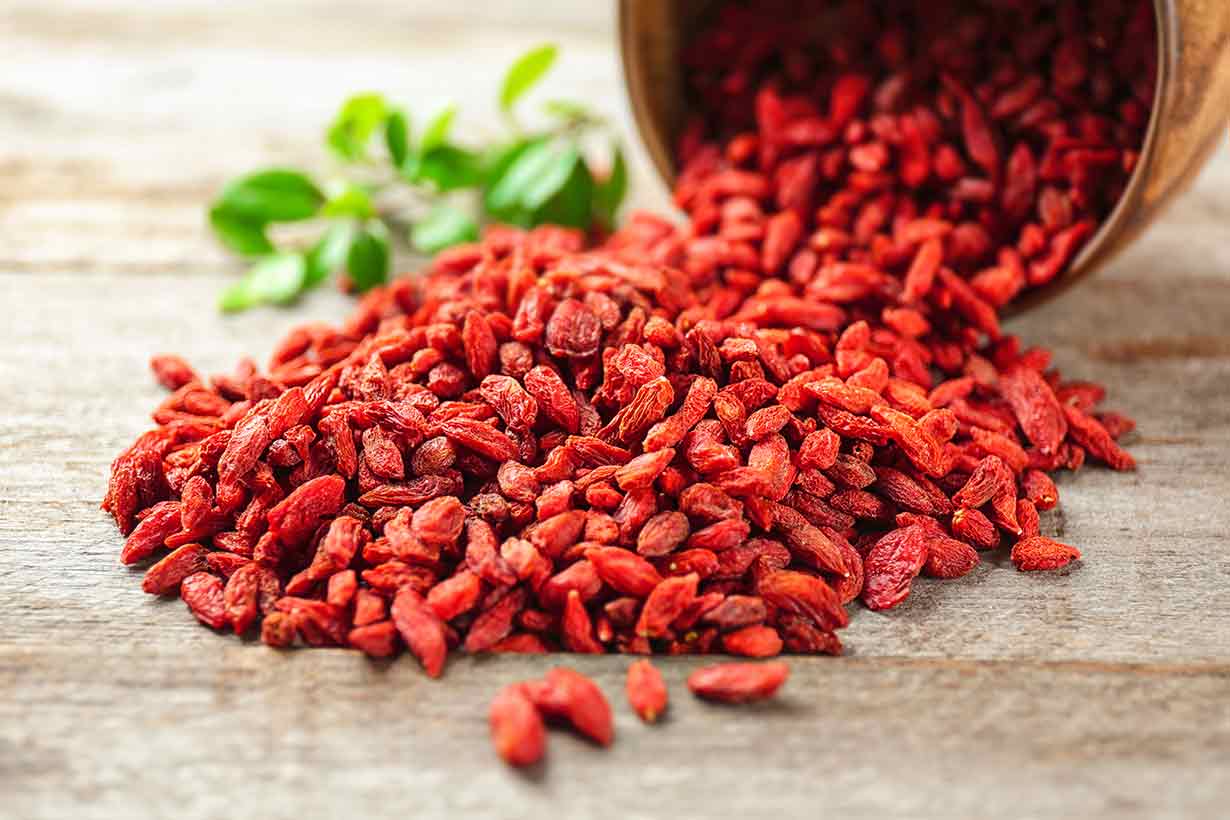
Goji berries are often considered a superfood due to their impressive nutrient profile, which includes vitamins, minerals, and unique antioxidants like Lycium barbarum polysaccharides. These compounds are believed to support heart and brain health, as well as promote immune function.
While goji berries can be more expensive than other fruits, they offer a concentrated source of nutrition. Goji berries are a nutrient-dense option to include in your diet.
18. Raspberries
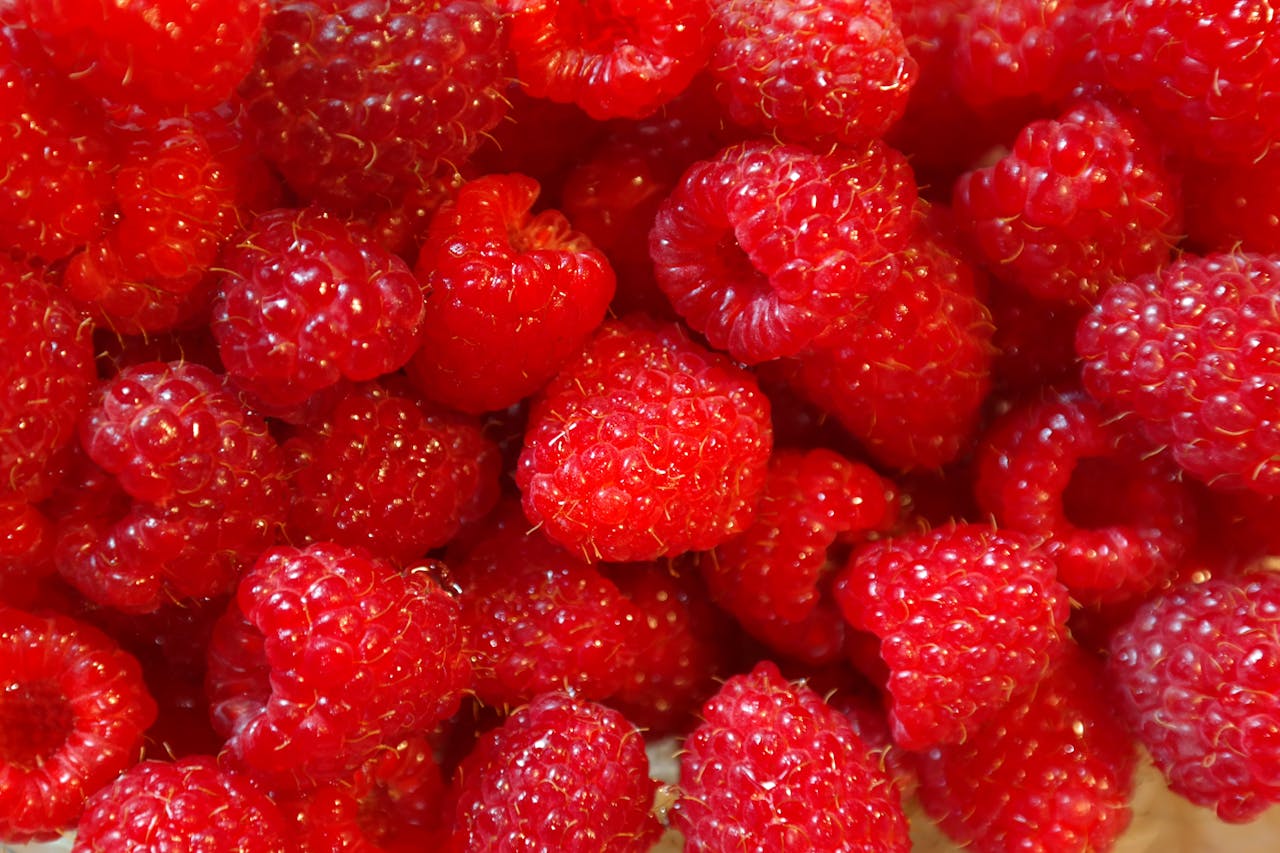
Raspberries are a rich source of dietary fiber, vitamin C, and manganese, which are important for digestive health, immune function, and overall well-being. The antioxidants in raspberries, especially anthocyanins, help reduce inflammation and oxidative stress, which are key factors in the development of chronic diseases like heart disease and cancer.
Raspberries are also low in calories, making them an excellent addition to a weight management plan. Enjoy them fresh, frozen, or blended into smoothies, desserts, or savory dishes for a burst of flavor and nutrition. Raspberries are also among the best foods for gut health, supporting digestion and gut flora balance.
19. Kale
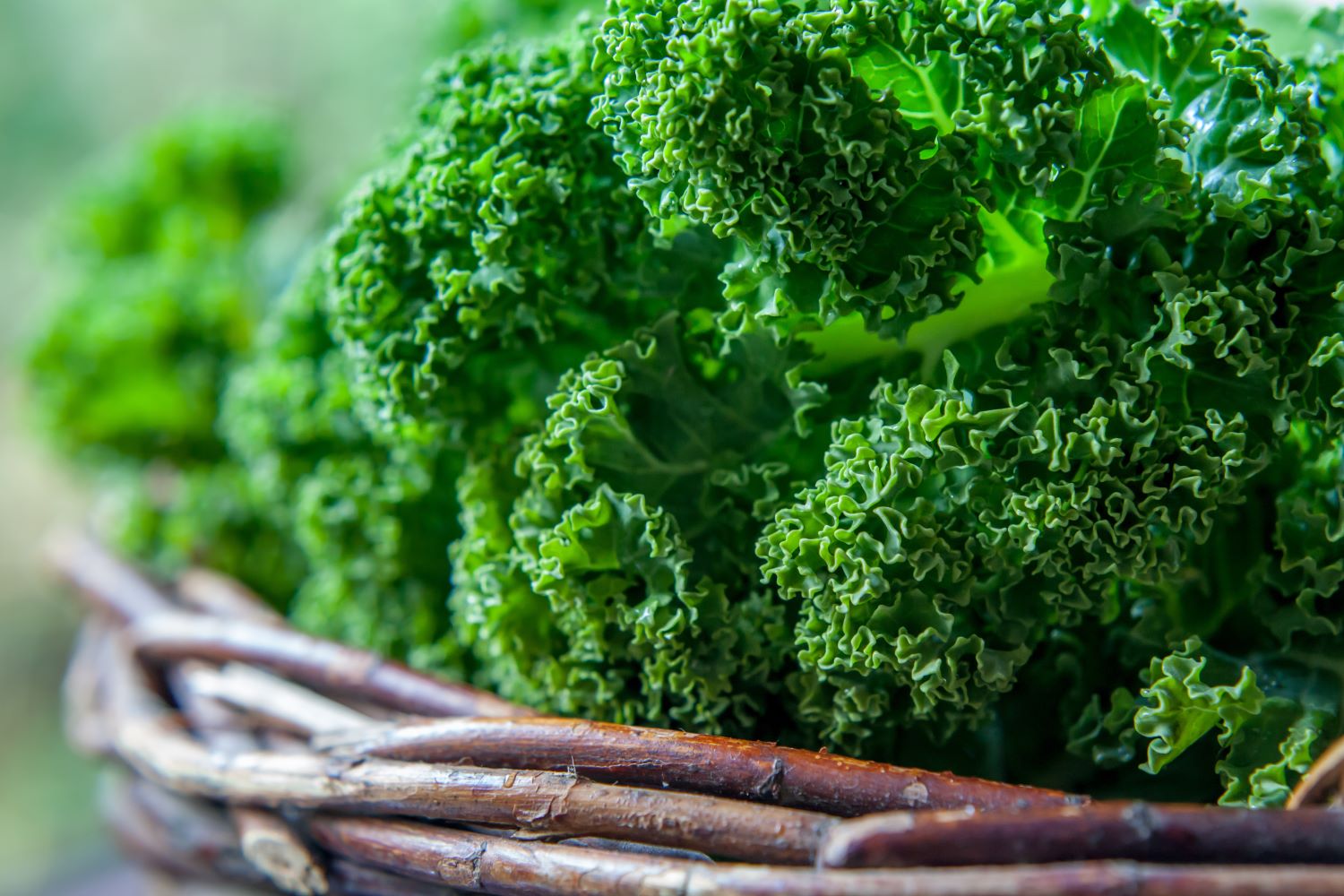
Kale is one of the most nutrient-dense greens available, loaded with calcium, vitamins A, C, and K, and a wide variety of antioxidants. The red varieties of kale contain anthocyanins, antioxidants that contribute to its deep color and offer additional health benefits. Kale is known for its ability to support bone health, improve immune function, and protect against oxidative damage.
20. Chestnuts
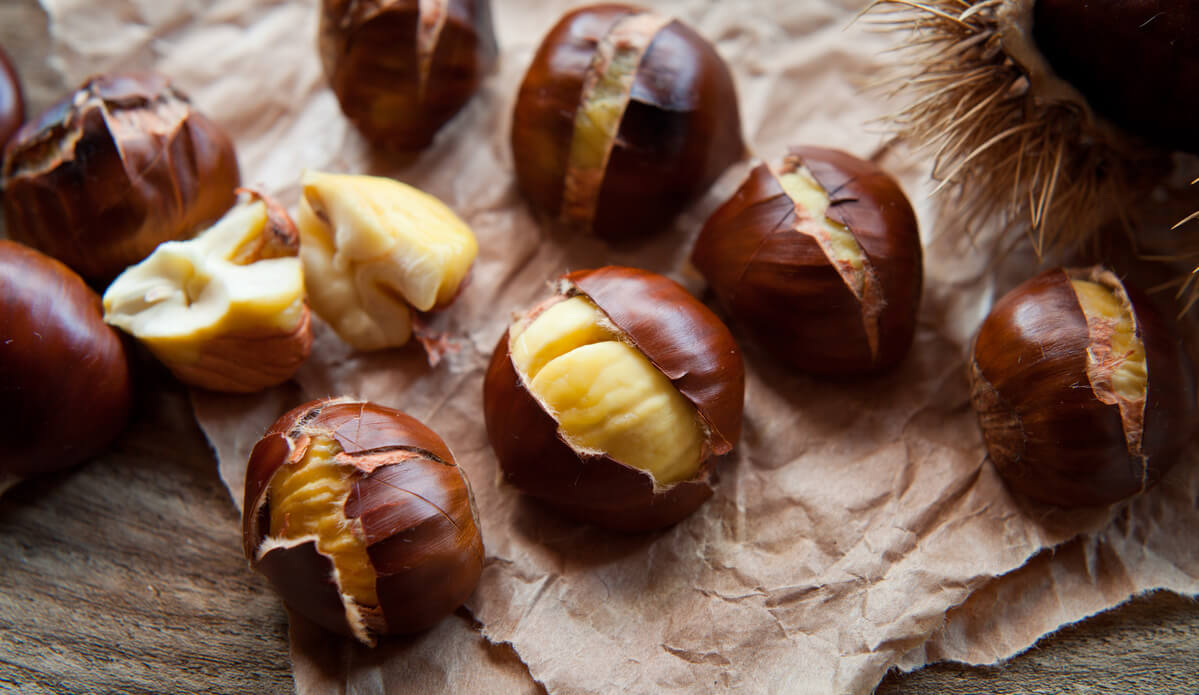
Chestnuts are a nutritious addition to any high-antioxidant foods list. These nuts are rich in vitamin C, a powerful antioxidant that helps protect cells from oxidative stress and supports the immune system. Unlike other nuts, chestnuts are lower in fat and calories, making them a heart-healthy choice for those looking to maintain a balanced diet.
They also provide a good amount of fiber, which aids in digestion and helps stabilize blood sugar levels. Adding chestnuts into your meals can provide a delicious and healthful way to boost antioxidant intake while supporting overall well-being.
21. Black Beans
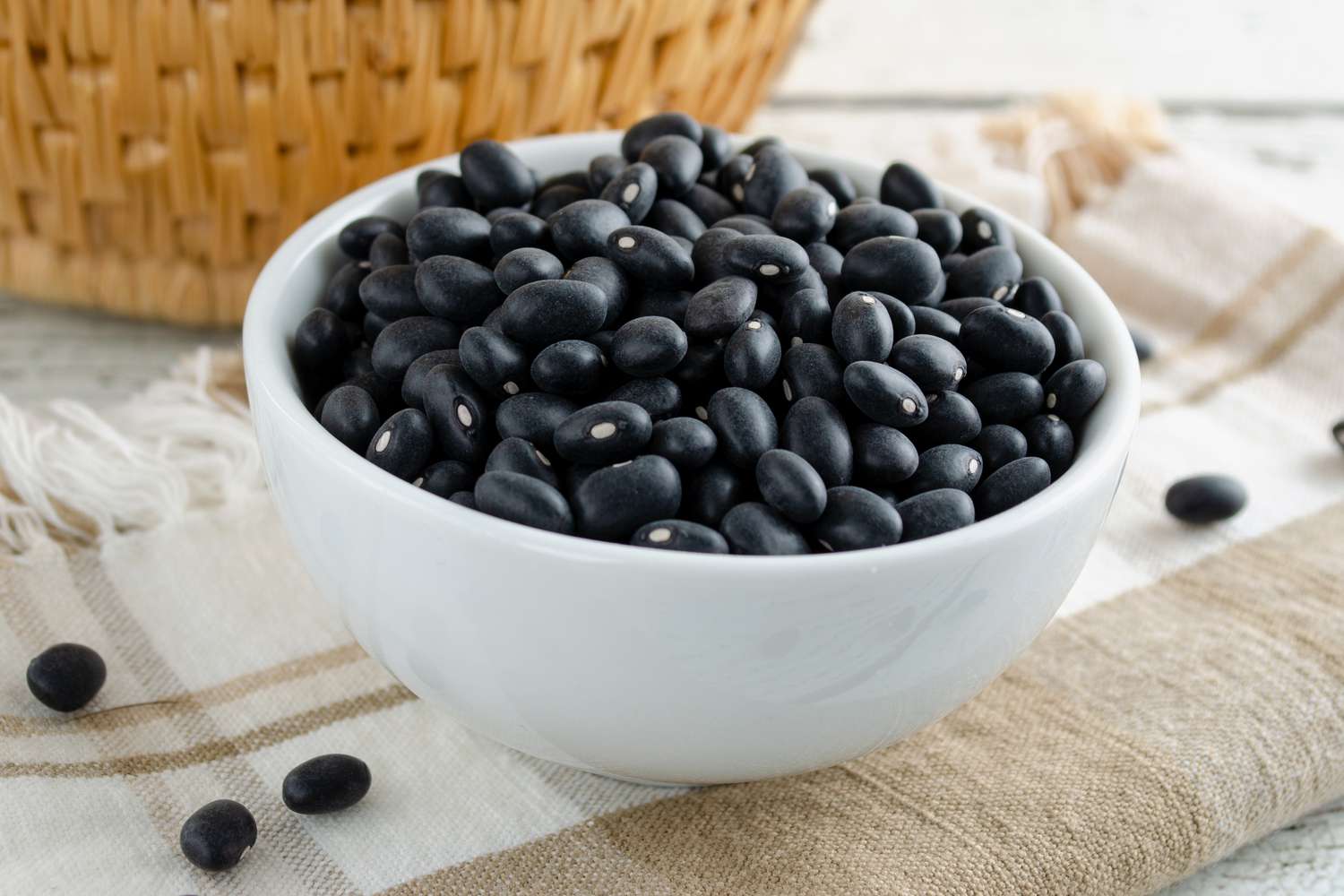
Black beans are an excellent addition to any high-antioxidant foods list. These legumes are packed with antioxidants, particularly flavonoids and polyphenols, which help combat oxidative stress and inflammation in the body.
They are also rich in fiber, protein, and essential minerals, making them a nutritious choice for supporting heart health and digestive function. Including black beans in your diet can help reduce the risk of chronic diseases and provide a significant antioxidant boost. They are also considered low-cholesterol foods, promoting better cardiovascular health and helping maintain healthy cholesterol levels.
22. Beets
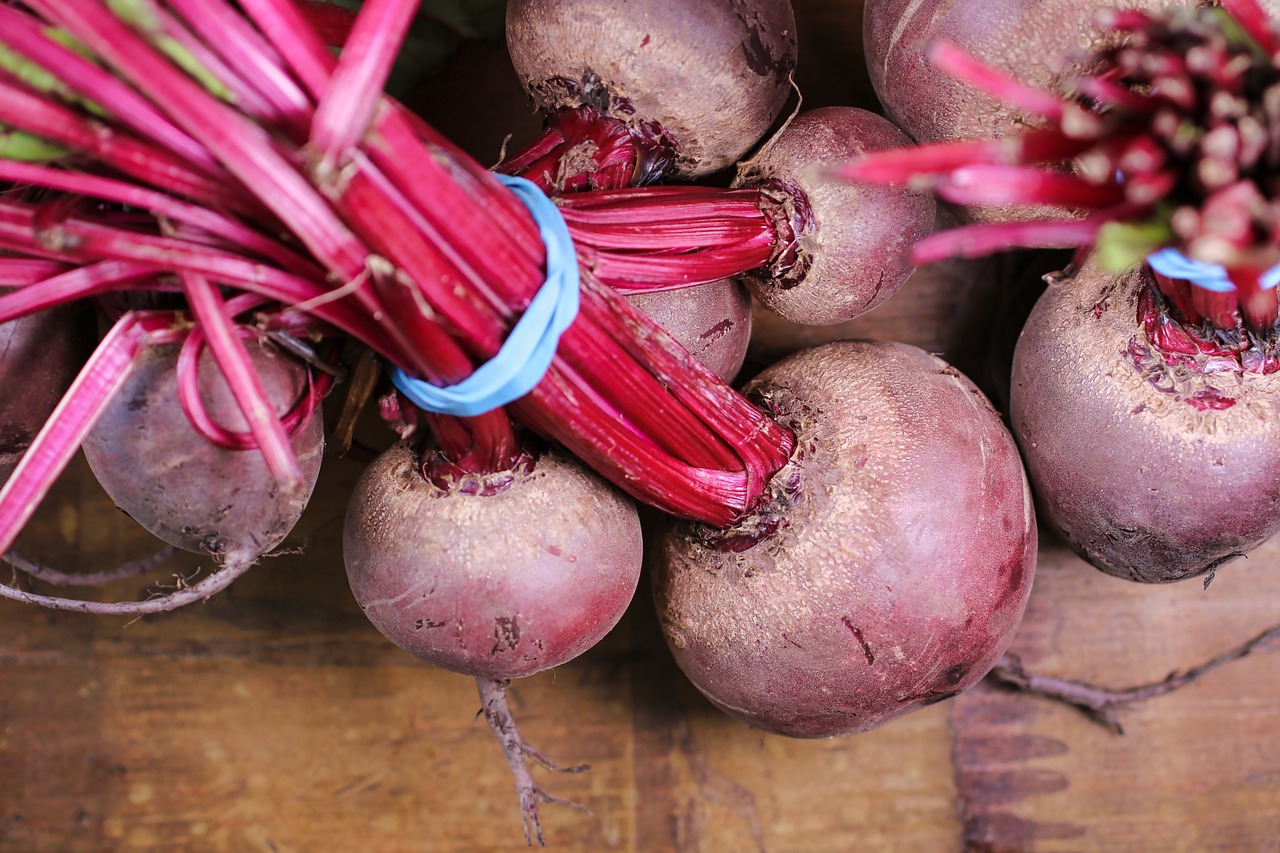
Beets are a vibrant root vegetable that are rich in fiber, potassium, iron, folate, and antioxidants, particularly betalains. These antioxidants are responsible for the deep red color of beets and have been linked to a variety of health benefits, including improved liver function and a reduced risk of certain cancers.
Beets are also known to support cardiovascular health by improving blood flow and reducing inflammation. Enjoy beets roasted, boiled, or raw, and consider adding them to salads, smoothies, or juices for a nutritious boost.
23. Spinach
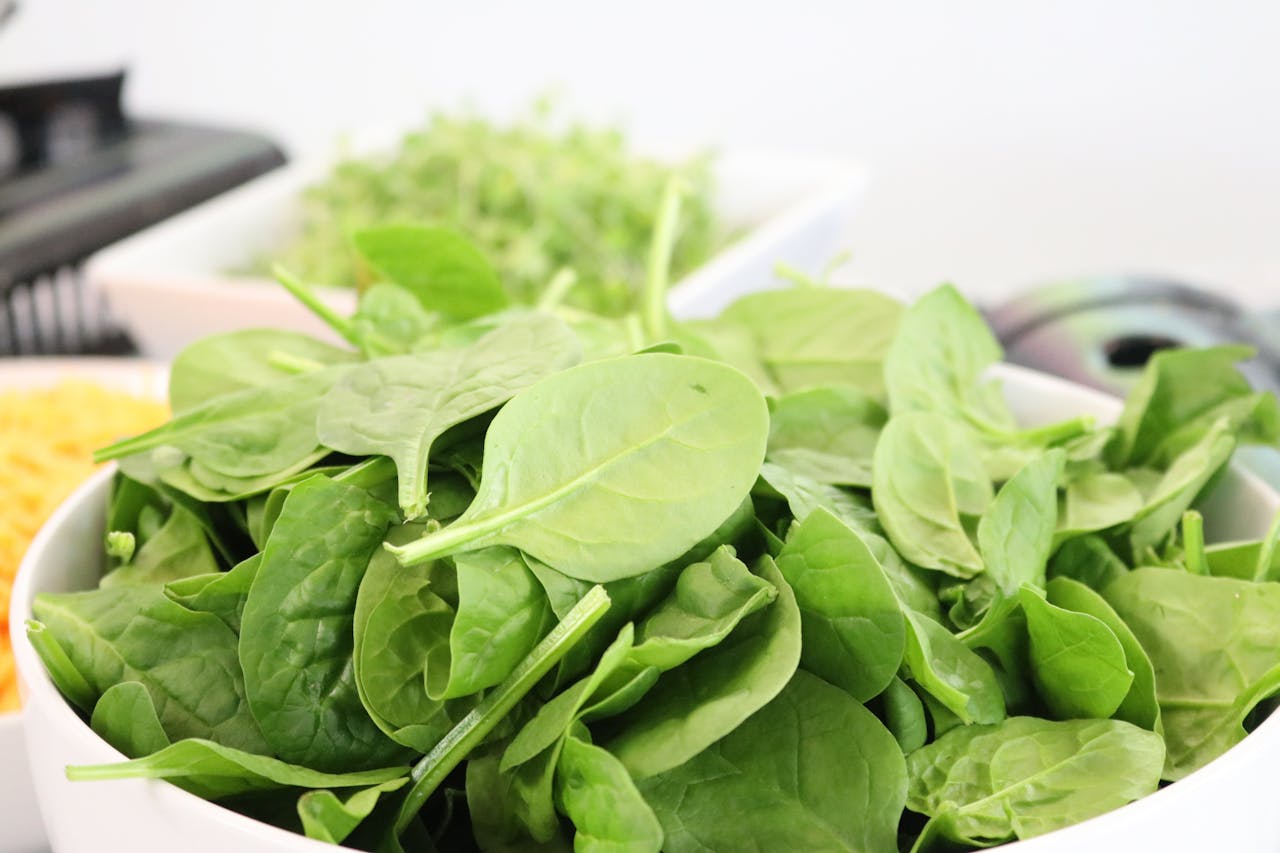
Spinach is a low-calorie leafy green that is packed with vitamins, minerals, and antioxidants. It is particularly rich in lutein and zeaxanthin, which are important for eye health and help protect against age-related macular degeneration.
Spinach is also known for its high iron content, making it a key food for maintaining healthy blood and energy levels. Spinach is a versatile green that can be easily incorporated into a variety of meals.
24. Spices And Herbs
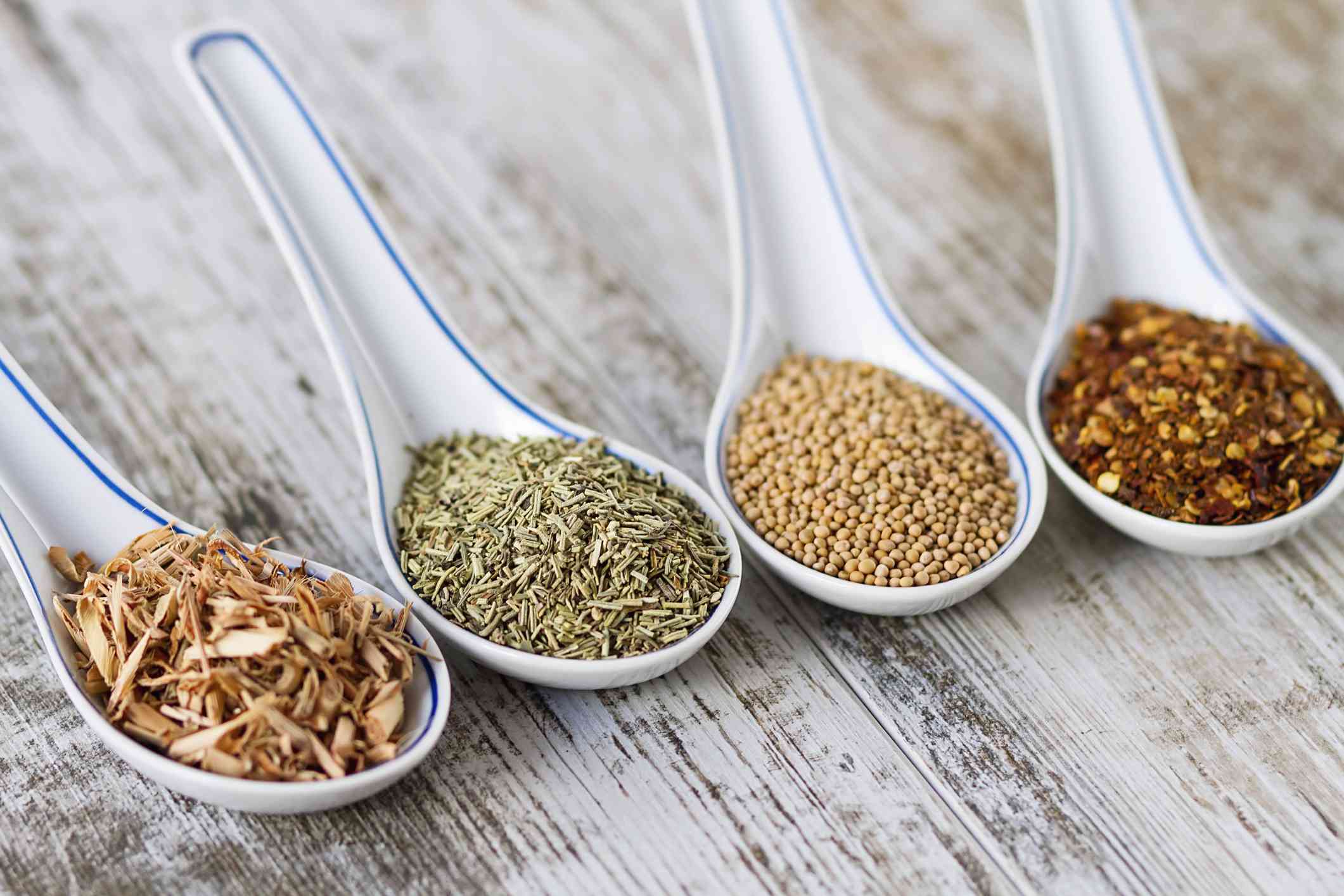
Spices such as ginger, turmeric, and garlic, along with herbs like rosemary, parsley, and sage, are rich in antioxidants and essential nutrients. These ingredients not only add flavor to your dishes but also help reduce oxidative stress in the body, potentially lowering the risk of chronic conditions such as heart disease, high blood pressure, and diabetes. By adding a variety of spices and herbs into your cooking, you can enhance the nutritional value of your meals while supporting overall health and wellness.
25. Okra
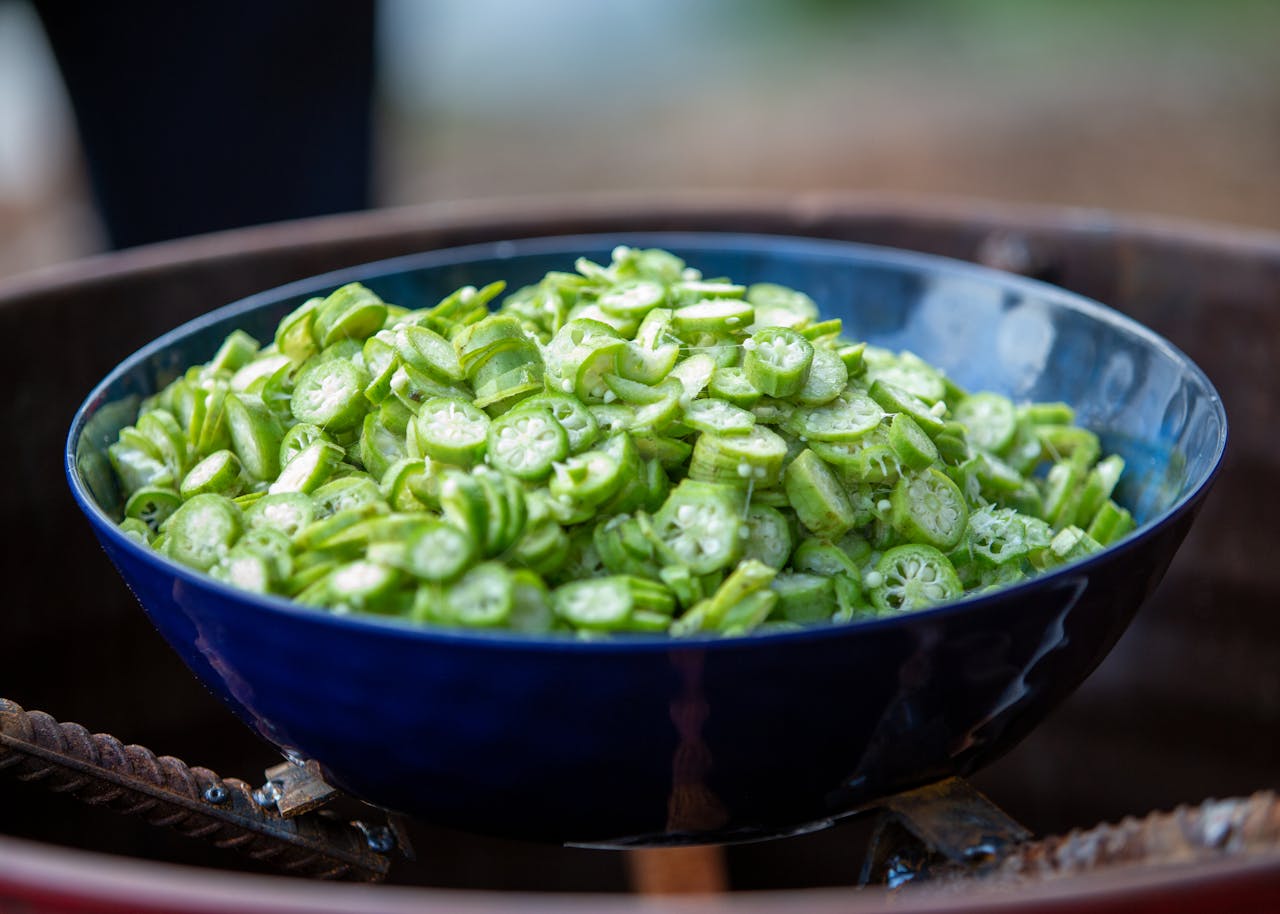
Okra is a nutrient-dense vegetable that thrives in warm, tropical climates. It is rich in magnesium, folate, fiber, and essential vitamins such as C, K1, and A. Okra also contains a variety of antioxidants that help reduce inflammation and protect heart and brain health.
The antioxidants in okra are particularly beneficial for lowering cholesterol and blood pressure, contributing to overall cardiovascular health. Okra can be enjoyed in a variety of ways, including fried, roasted, or added to soups, stews, and curries for a healthy and flavorful dish.
26. Plums
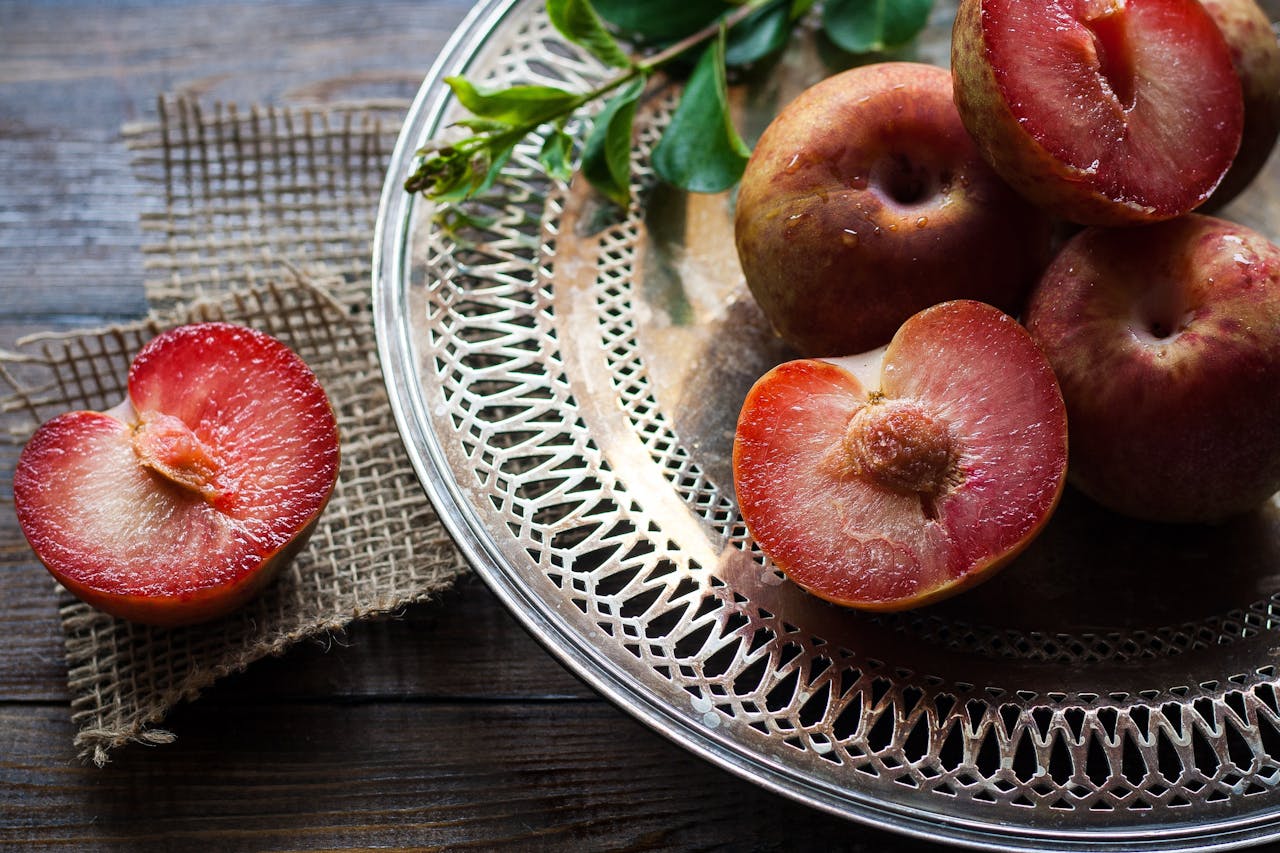
Plums are loaded with antioxidants, including anthocyanins, which are responsible for their deep purple color. These antioxidants help protect the body against oxidative stress, which can contribute to aging and the development of various health conditions.
Plums are also rich in vitamins C and K, which support immune function and promote healthy skin. As a low-calorie fruit, plums are a delicious and nutrient-dense way to add antioxidants to your diet.
27. Russet Potatoes
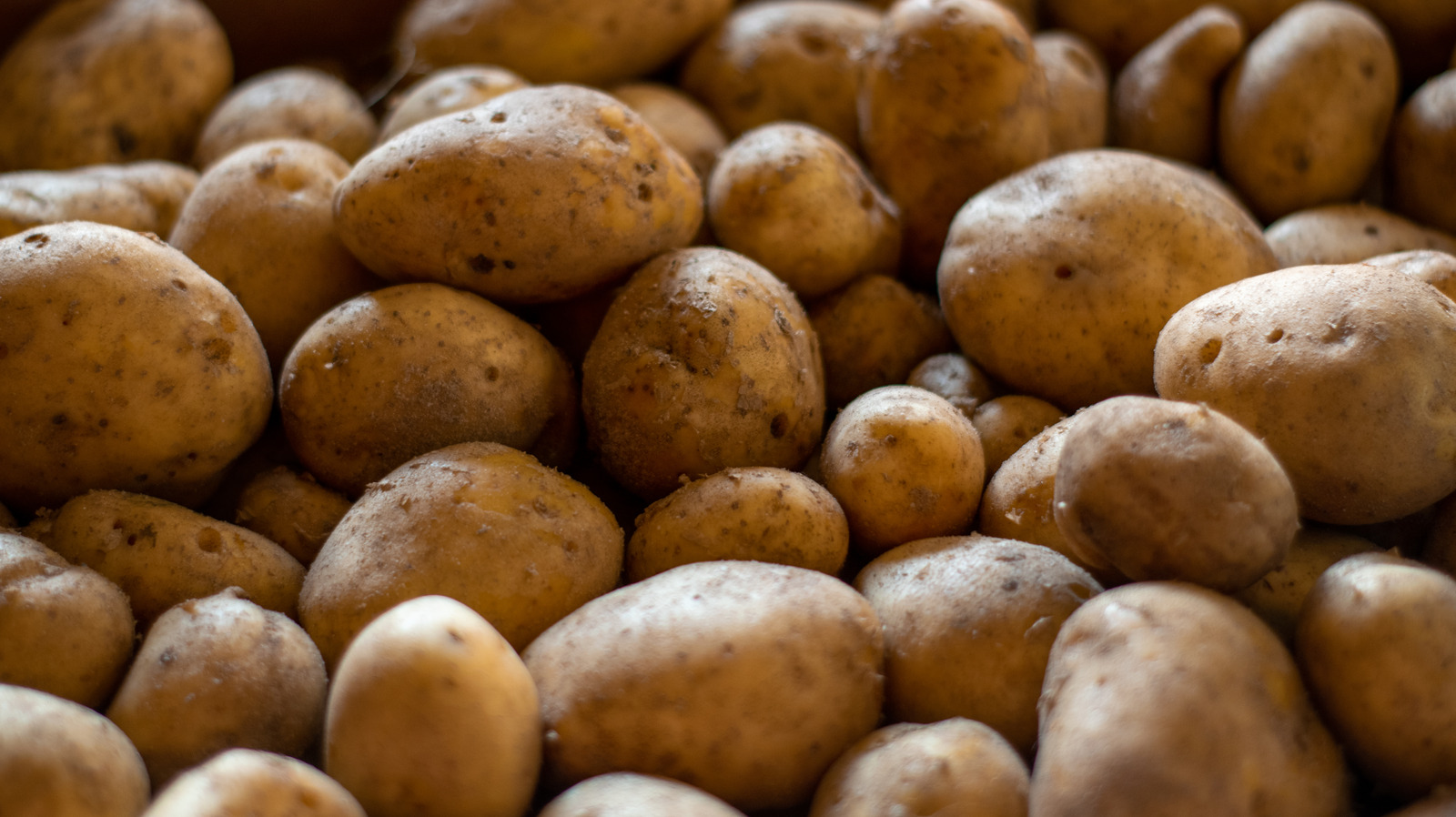
Russet potatoes, while often overlooked in antioxidant discussions, contain a variety of antioxidants, particularly in their skins. These include flavonoids and carotenoids, which help protect against oxidative damage and reduce inflammation.
Though they are often considered starchy, russet potatoes offer a good source of vitamins C and B6, which contribute to overall health. Eating them with the skin on maximizes their antioxidant content, making them a nutritious and versatile addition to any diet.
28. Cranberries
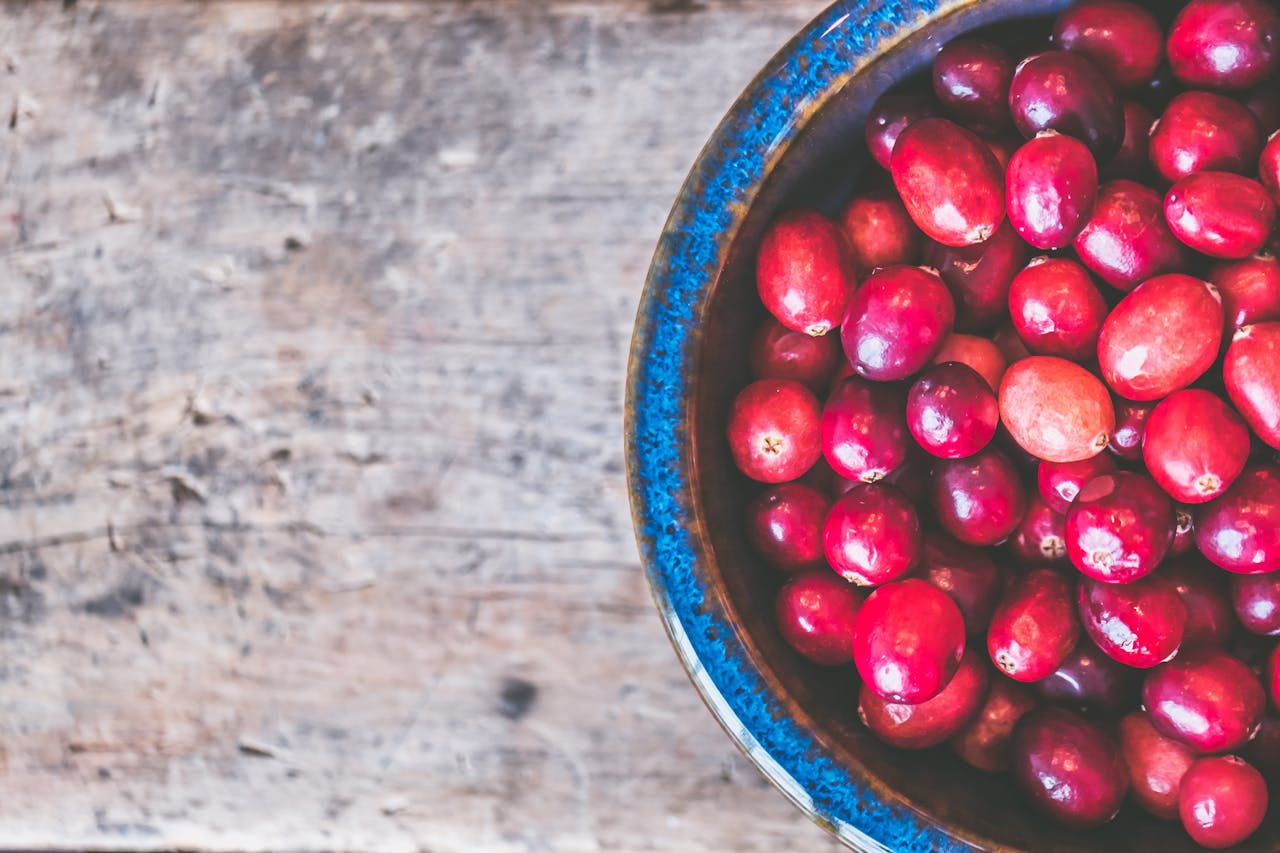
Cranberries are packed with potent antioxidants, including flavonoids and phenolic acids. These compounds have been shown to help reduce inflammation, improve heart health, and protect against infections.
Cranberries are also well-known for their ability to support urinary tract health. Consuming cranberries, whether fresh, dried, or in juice form, is an excellent way to add antioxidants to your diet and help combat oxidative stress.
29. Small Red Beans
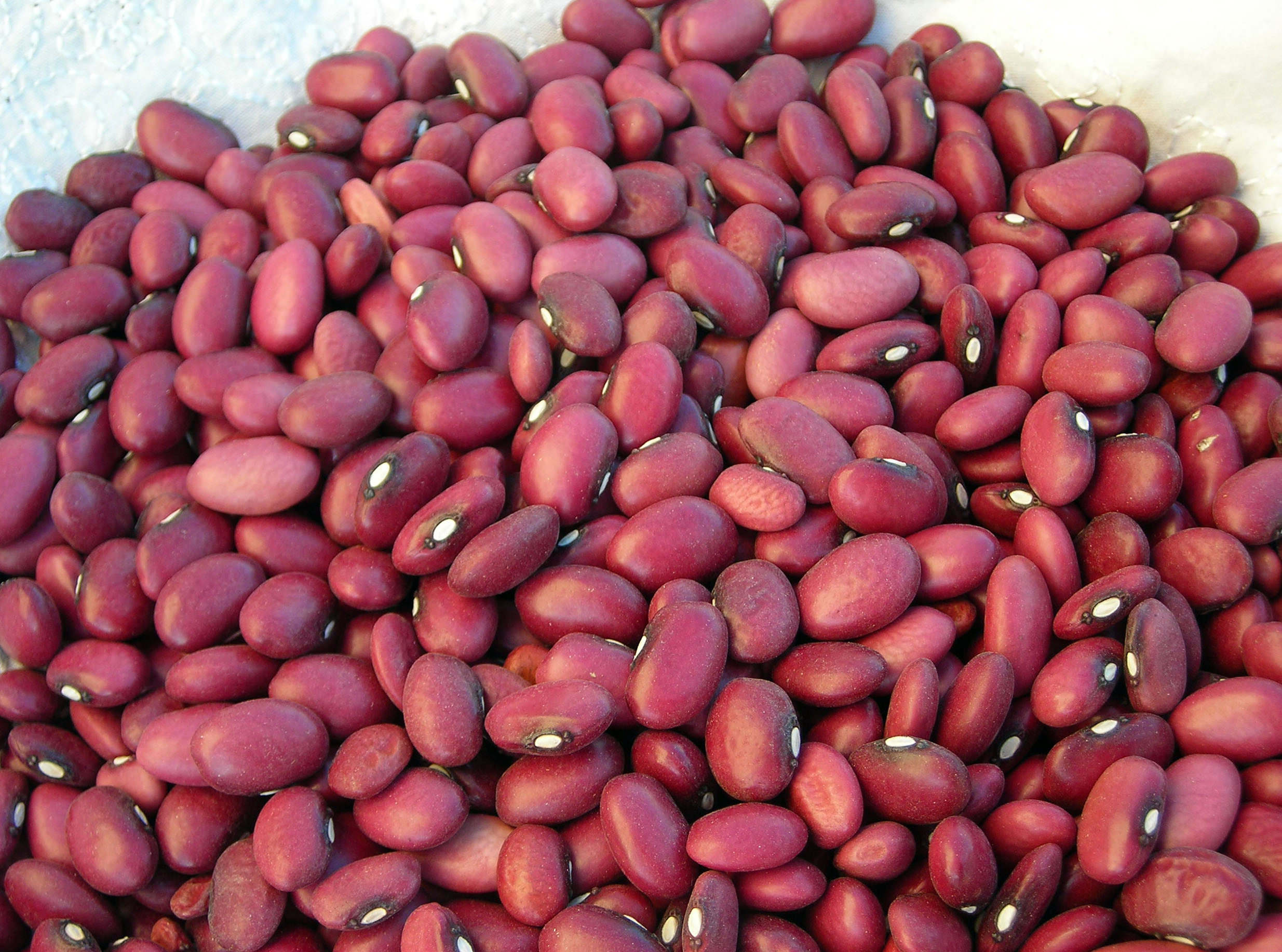
Small red beans, also known as adzuki beans, are rich in antioxidants, particularly flavonoids and phenolic compounds. These antioxidants help fight free radical damage and reduce inflammation in the body, contributing to better overall health.
Small red beans are also an excellent source of fiber and plant-based protein, making them a great choice for supporting digestive health and stabilizing blood sugar levels. They are a great addition to your diet and can be considered one of the best health food choices, offering a variety of nutrients that promote overall wellness and help reduce the risk of chronic diseases.
30. Pinto Beans
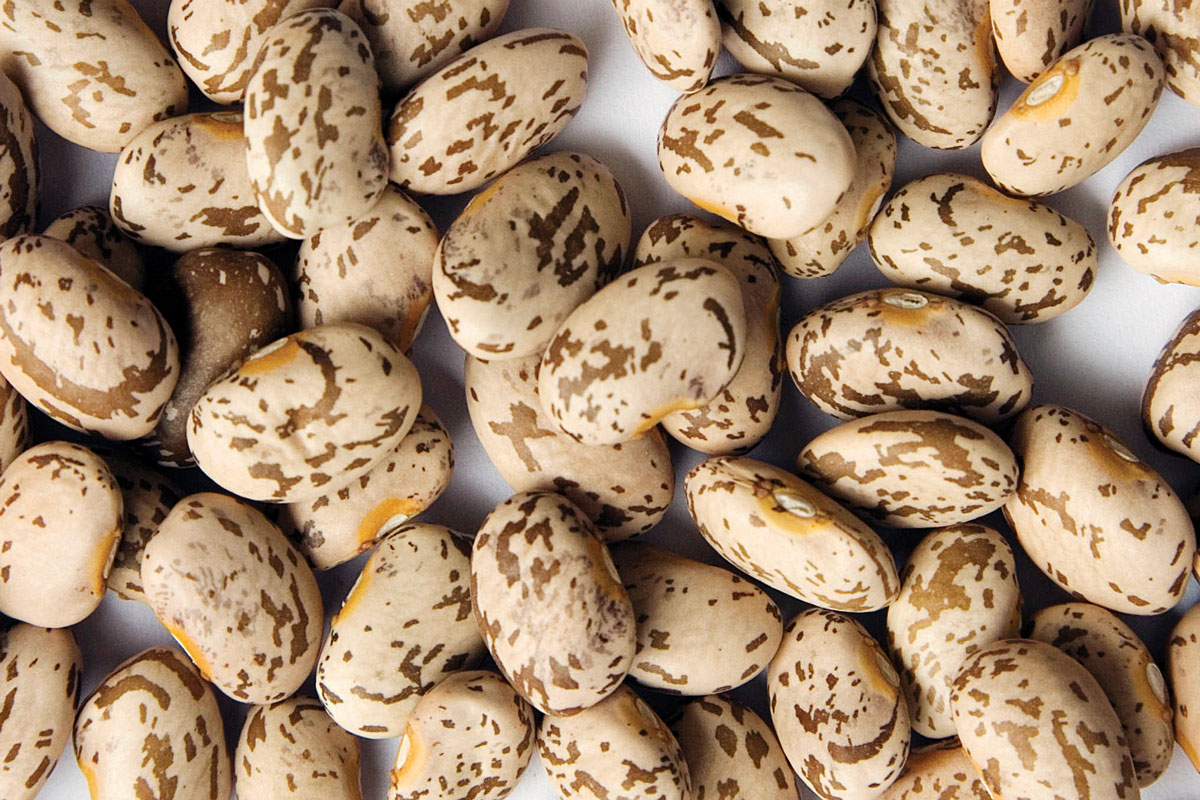
Pinto beans are another legume that ranks high on the antioxidant foods list. Packed with polyphenols and flavonoids, these beans help neutralize free radicals and protect cells from oxidative damage.
Pinto beans are also a great source of fiber, protein, and essential minerals like iron and magnesium. Their antioxidant properties, combined with their nutritional content, make them an excellent choice for supporting heart health and overall well-being.
31. Salmon

Salmon is not only a rich source of omega-3 fatty acids but also contains powerful antioxidants, such as astaxanthin. This antioxidant, which gives salmon its characteristic pink color, has been shown to have potent anti-inflammatory and antioxidant effects.
Astaxanthin helps protect the skin from UV damage, supports eye health, and can reduce the risk of cardiovascular diseases. Including salmon in your diet provides both heart-healthy fats and a valuable dose of antioxidants.
Frequently Asked Questions
What Are Free Radicals?
Free radicals are unstable molecules that can cause damage to cells and contribute to aging and disease when present in high levels.
How Do Antioxidants Work In The Body?
Antioxidants neutralize free radicals, preventing them from damaging cells and reducing the risk of chronic diseases.
Can Antioxidants Improve Skin Health?
Antioxidants can help protect the skin from oxidative stress, reducing signs of aging and promoting a healthy complexion.
Are Supplements As Effective As Whole Foods For Antioxidants?
Whole foods provide a broader range of antioxidants and other nutrients, making them more effective than supplements in supporting overall health.
Can Antioxidants Help With Weight Loss?
While antioxidants themselves don't directly cause weight loss, they support overall health, reduce inflammation, and may improve metabolism, indirectly aiding weight management.
Conclusion
Foods rich in antioxidants, such as vegetables, fruits, nuts, fungi, whole grains, and legumes, help protect your cells from the damaging effects of free radicals, which can contribute to disease and aging. These powerhouse foods have been linked to preventing the development of conditions like cancer, diabetes, Alzheimer’s disease, Parkinson’s disease, and more.
A diet packed with antioxidants helps neutralize free radicals, lowering the risk of chronic diseases. By enjoying a diverse range of the foods mentioned in this article, you can increase your antioxidant levels and enjoy their numerous health benefits.
You Might Also Like: Foods That Aid Mental Clarity