12 Best Foods For Muscle Recovery To Maximize Your Post-Workout Nutrition
Recovery is a crucial phase of any workout routine. Without proper muscle recovery, you won’t be able to build strength and endurance effectively. To recover quickly, your body needs the right fuel in the form of nutrient-rich foods.
Dec 14, 2024
When you push your body through intense workouts, your muscles undergo stress, strain, and small amounts of damage. This is a natural part of building strength and endurance, but it also means your body needs time and proper nutrition to recover.
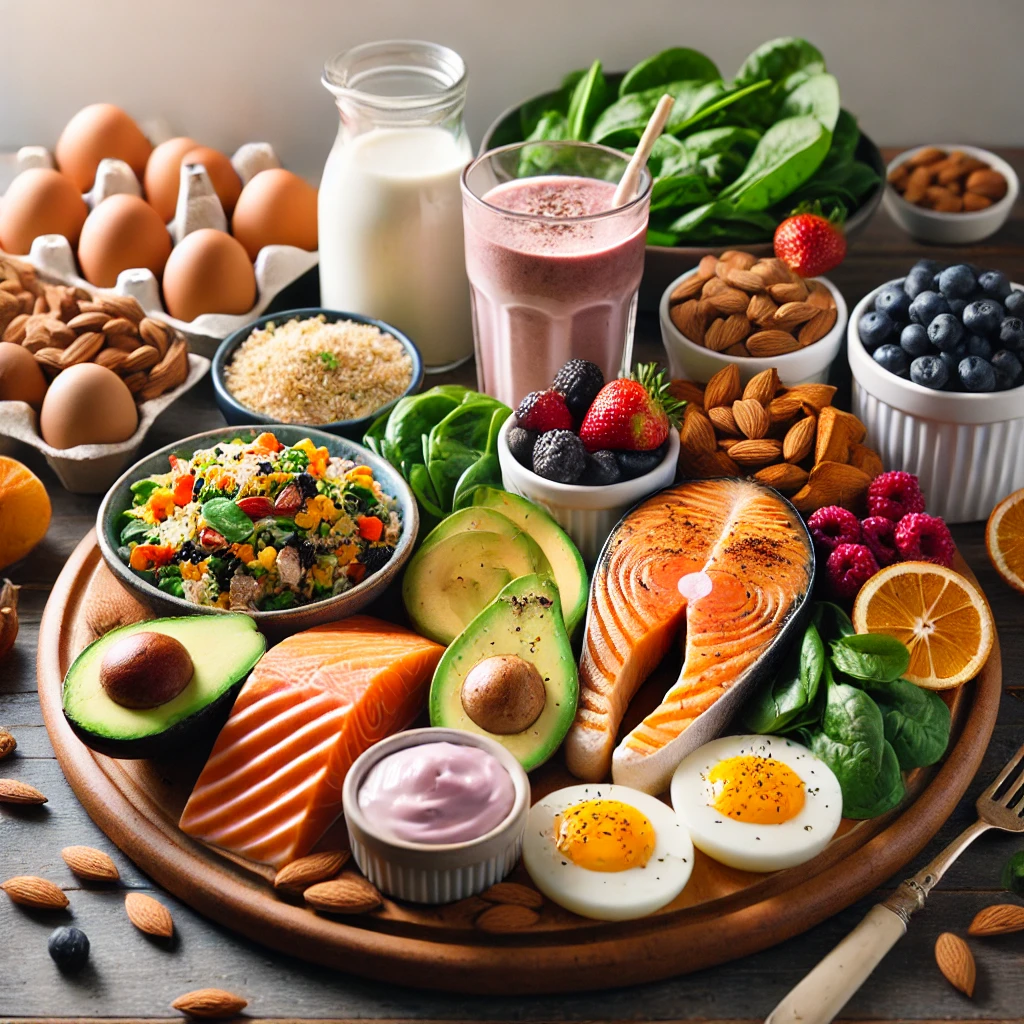
In fact, how well you recover can determine how quickly you bounce back for your next workout and how effectively your muscles grow over time. That’s where post-workout nutrition comes into play. Recovery foods that are rich in protein, carbohydrates, healthy fats, and essential micronutrients like vitamins and minerals provide your muscles with the nutrients they need to repair and rebuild.
Pineapple - Nature’s Anti-Inflammatory Superfood
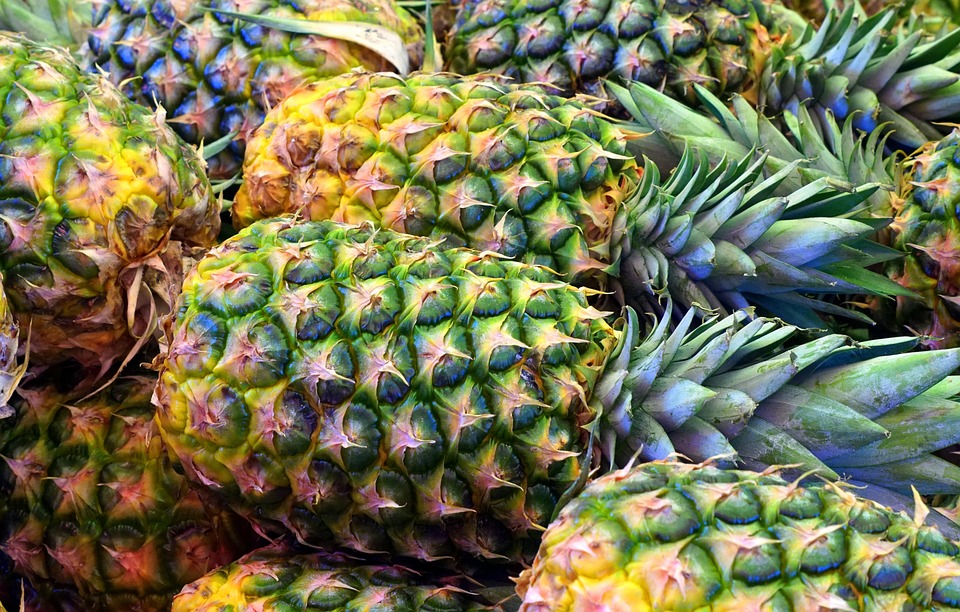
Pineapple isn't just delicious; it's a powerful aid for muscle recovery. Rich in carbohydrates, it helps restore glycogen stores, which are often depleted during strenuous exercise. But what makes pineapple unique is bromelain, an enzyme with anti-inflammatory properties.
Research suggests bromelain helps reduce muscle soreness and accelerates the healing process. Pineapple is also a great source of vitamin C, an antioxidant that combats oxidative stressand aids muscle repair.
Eggs - High-Quality Protein For Muscle Repair

Eggs are a gold-standard protein source for muscle recovery. They are packed with amino acids, the building blocks necessary for repairing muscle tissue.
What makes eggs particularly effective is their high Protein Digestibility-Corrected Amino Acid Score (PDCAAS), which measures how well your body can absorb and utilize the protein. Eggs are also rich in leucine, an amino acid that plays a pivotal role in muscle protein synthesis. Consider eating eggs post-workout to optimize recovery and muscle growth.
Blueberries - Antioxidant Powerhouses

Blueberries offer more than just a tasty snack. These small fruits are packed with antioxidants, including vitamin C and manganese, both of which help protect cells from damage caused by exercise-induced oxidative stress.
The anthocyanins in blueberries have anti-inflammatory properties, which can reduce post-workout inflammation and soreness. Adding blueberries to your post-workout meal or smoothie is an excellent way to support muscle recovery while boosting your overall health.
Watermelon - Hydration And Muscle Repair
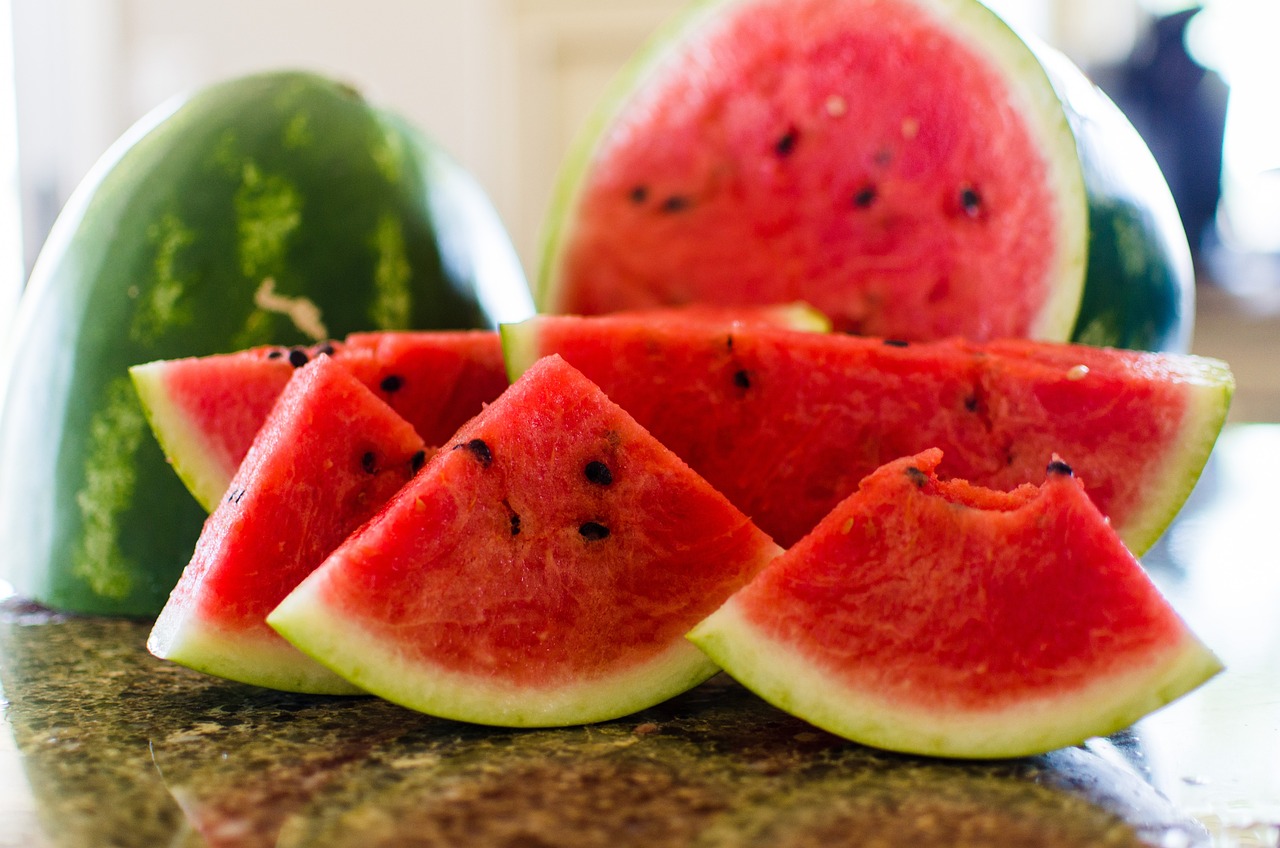
Watermelon isn't just hydrating - it can also help reduce muscle soreness. The amino acid L-citrulline found in watermelon promotes nitric oxide production, which improves blood flow to the muscles and may reduce soreness. Watermelon is also rich in electrolytes like potassium and magnesium, which are essential for muscle function and can help prevent muscle crampsafter intense workouts.
Chia Seeds - Tiny But Mighty For Recovery
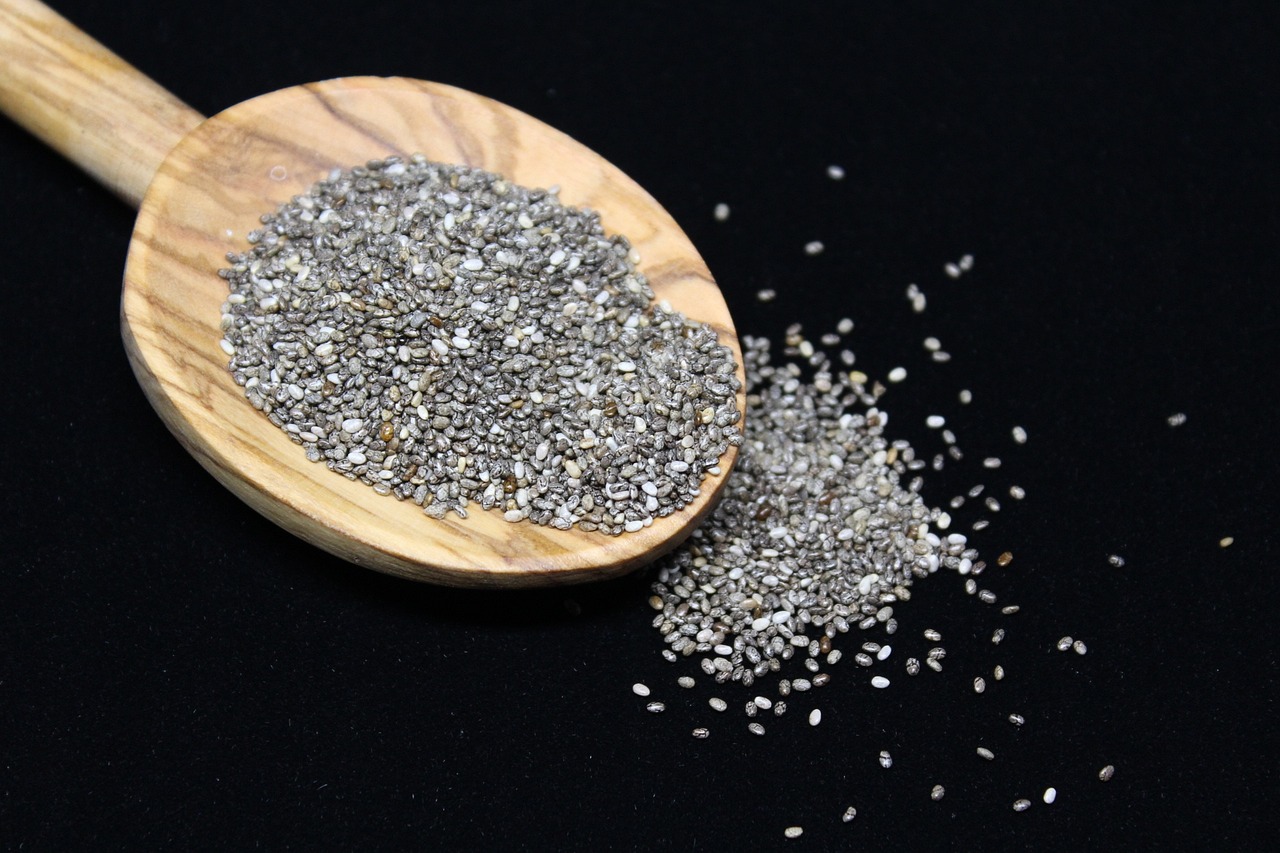
Chia seeds are a nutritional powerhouse, perfect for aiding muscle recovery. They are rich in omega-3 fatty acids, essential amino acids, and a range of minerals such as calcium, magnesium, and potassium.
These nutrients support muscle repair and reduce inflammation. Chia seeds also contain a significant amount of fiber, which helps maintain stable blood sugar levels and prolongs the feeling of fullness. Add them to smoothies, oatmeal, or even water for a nutrient-dense recovery boost.
Cottage Cheese - The Bedtime Muscle Booster
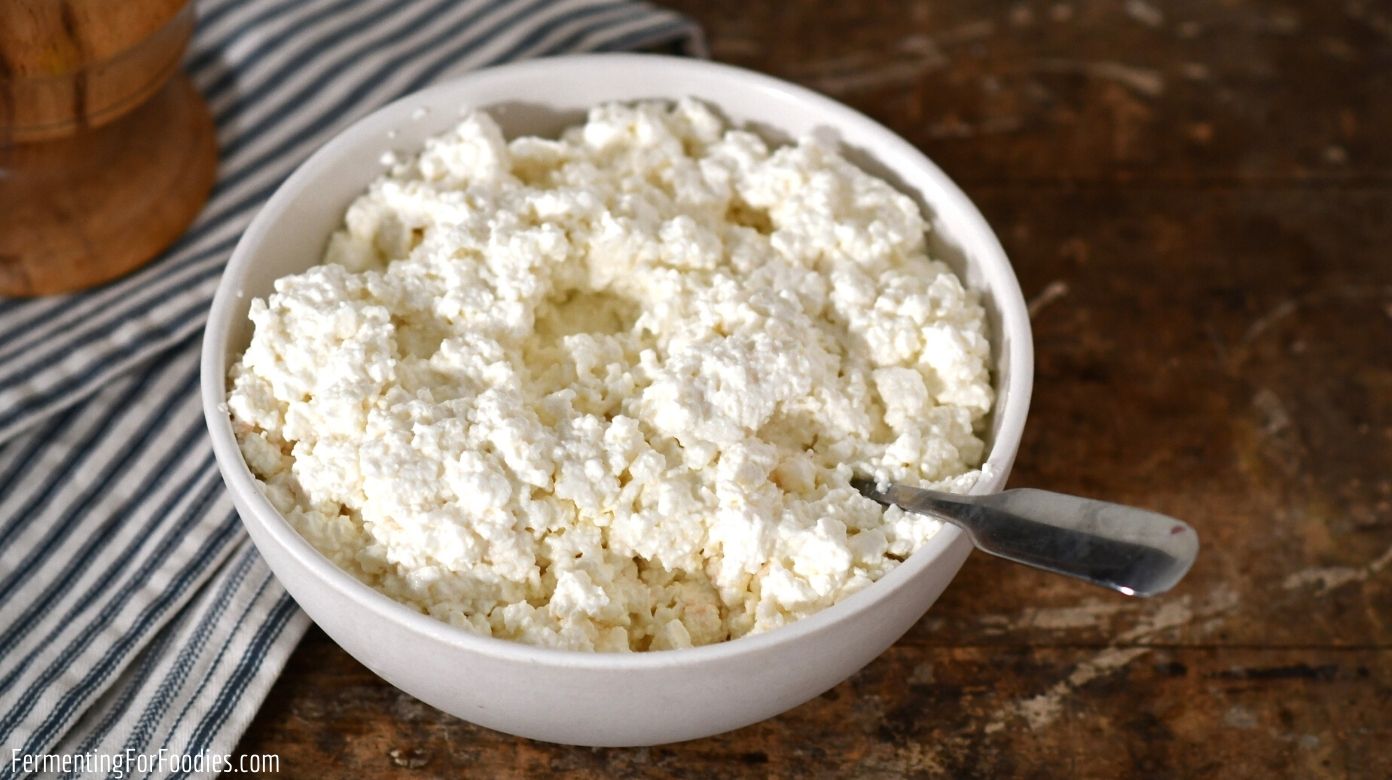
Cottage cheese is an excellent source of casein protein, a slow-digesting protein that provides your body with a steady supply of amino acids throughout the night. Studies suggest that consuming cottage cheese before bed can help reduce inflammation and improve muscle recovery during sleep.
It's a great option for evening recovery, particularly if you're working out later in the day. Adding healthy food optionslike cottage cheese into your diet ensures you're providing your body with nutrient-dense, recovery-boosting foods that support overall well-being.
Spinach - Nutrient-Dense Support For Recovery
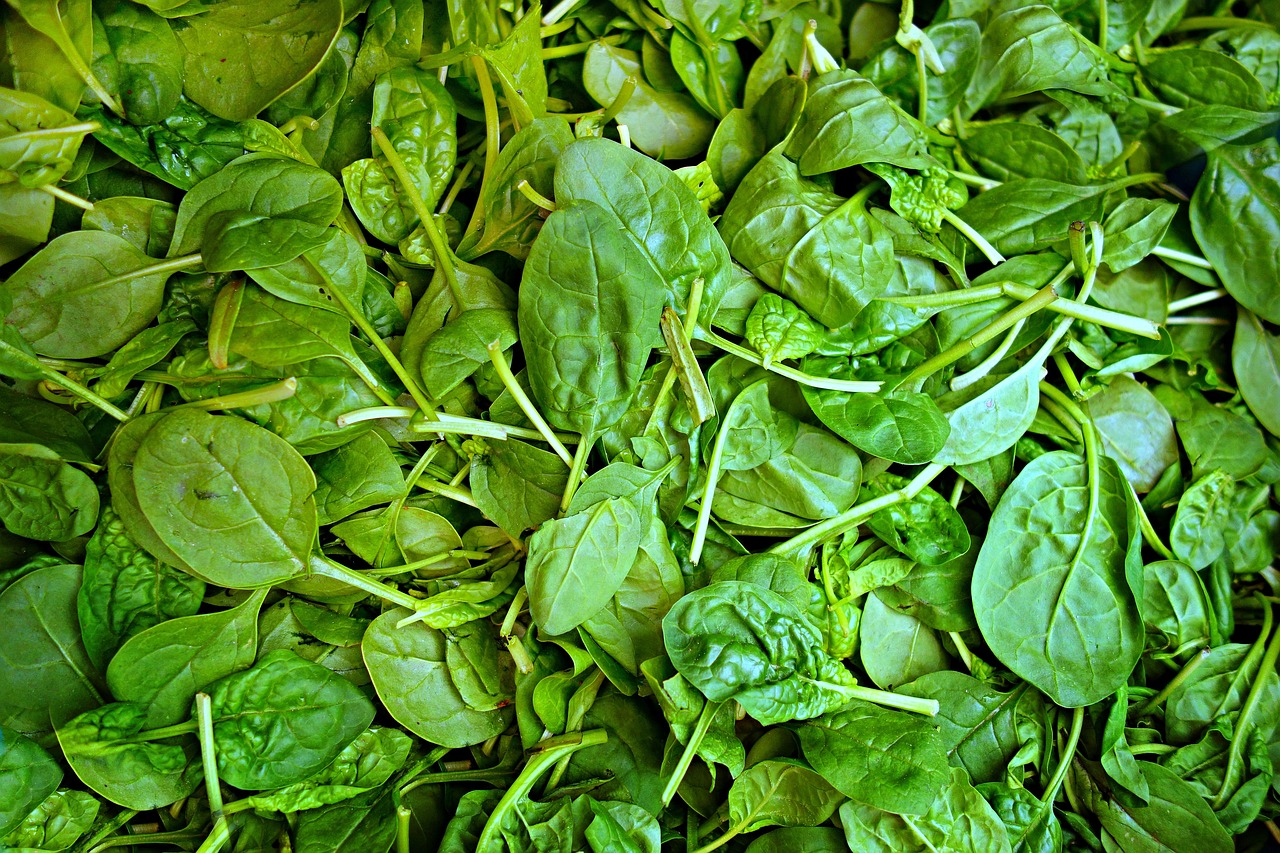
Spinach is packed with vitamins, minerals, and phytonutrients that support muscle repair. It's an excellent source of vitamin C, magnesium, and potassium, which are essential for reducing muscle inflammation and soreness. Research suggests that a compound in spinach called ecdysterone has steroid-like effects, potentially enhancing muscle mass and strength when combined with strength training.
Adding spinach to your post-workout meal is an easy way to load up on essential nutrients. High-fiber foodslike spinach help improve digestion and maintain overall health, making them a great addition to any balanced diet.
Tart Cherry Juice - Reducing Muscle Damage
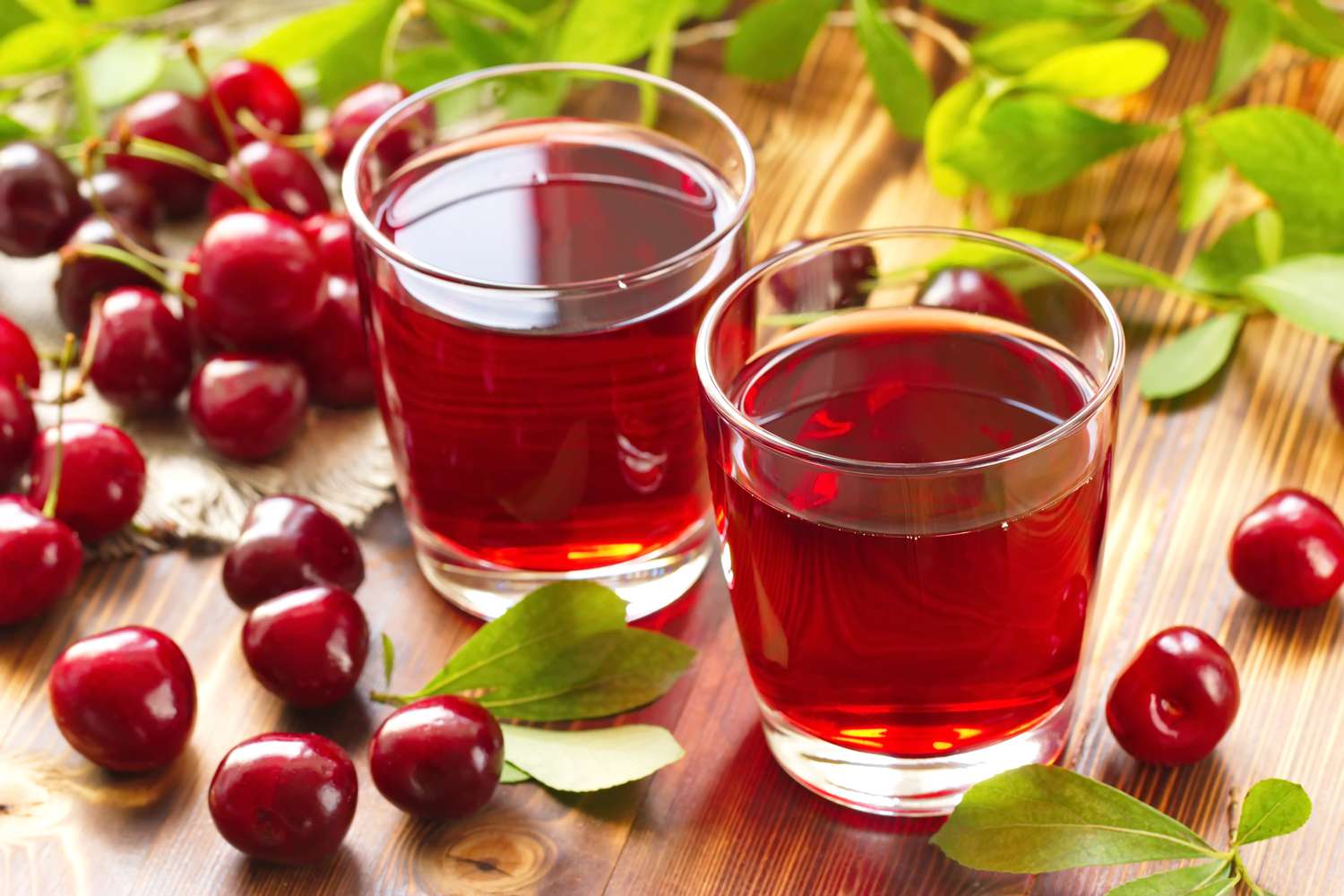
Tart cherry juice stands out for its high concentration of polyphenols, which have been shown to combat oxidative stress and inflammation. Drinking tart cherry juice regularly may help protect muscles from damage and enhance recovery.
Studies indicate that tart cherry juice is especially effective when consumed consistently, as it may help prevent muscle damage from accumulating over time. For quick relief from soreness, a glass of tart cherry juice post-workout could work wonders.
Bananas - Easy Carbs And Electrolytes
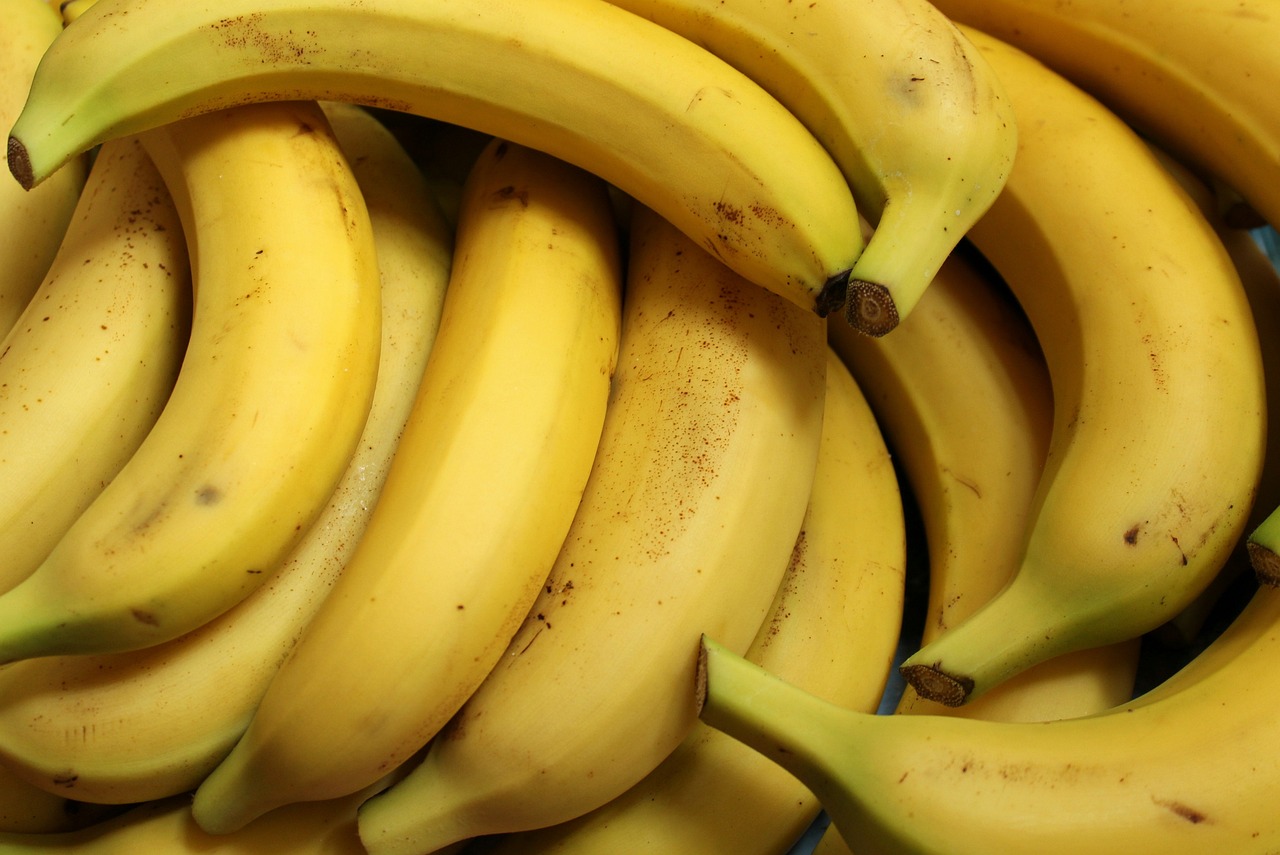
Bananas are a classic post-workout snack. They’re a great source of simple sugars, which help replenish glycogen stores that fuel your muscles. Bananas also contain potassium and magnesium, two vital electrolytes that are lost during intense exercise.
These minerals play a key role in muscle contraction, and replenishing them quickly can help alleviate muscle cramps and fatigue. Plus, their natural anti-inflammatory properties make them an excellent choice for reducing post-workout soreness.
Oatmeal - A Slow-Digesting Energy Source
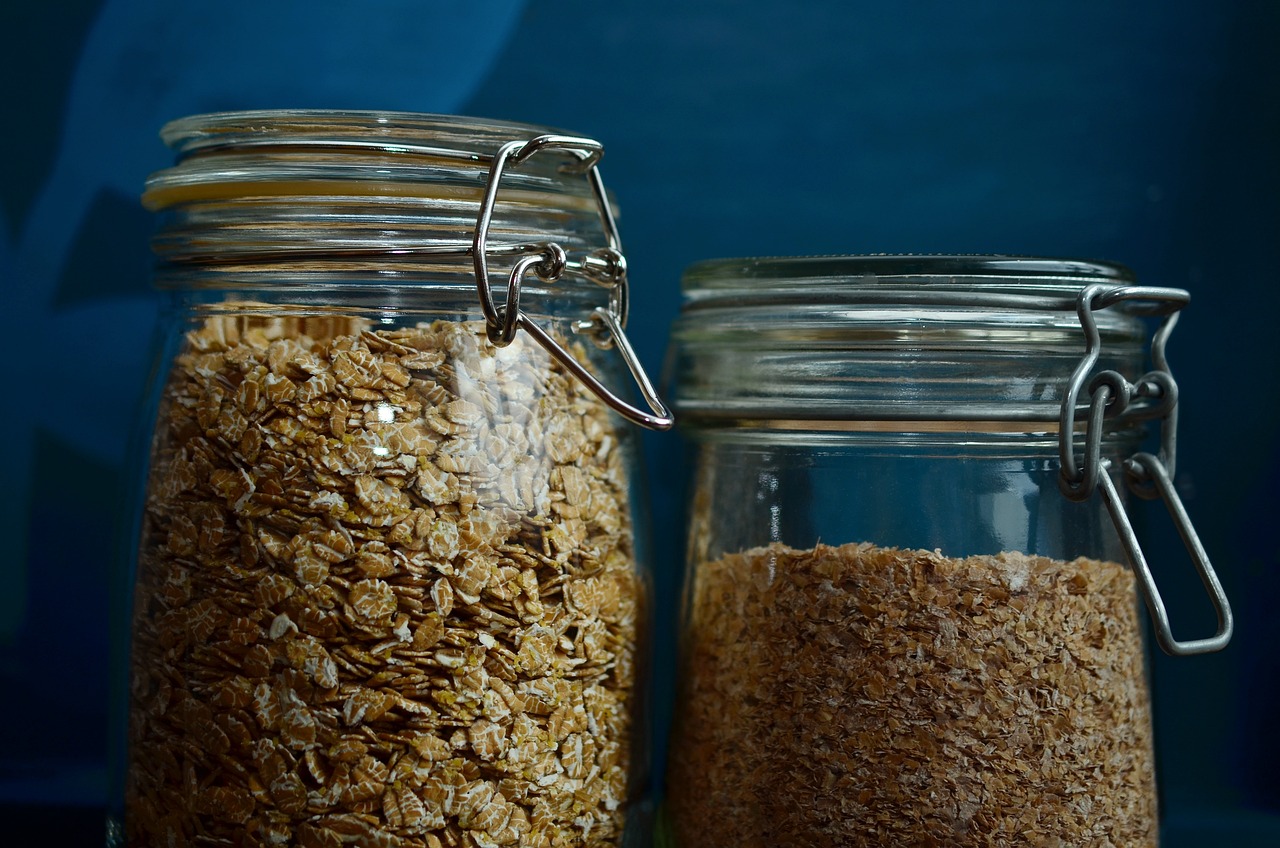
Oatmeal is an excellent source of complex carbohydrates that provide a slow and steady release of energy, helping to replenish glycogen stores over time. The fiber in oats also aids digestion and helps stabilize blood sugar levels.
Oats contain avenanthramide, an antioxidant that can reduce inflammation, particularly after eccentric muscle contractions (the type of muscle activity that causes the most soreness). A bowl of oatmeal is an ideal recovery meal, especially when paired with protein-rich foods like eggs or Greek yogurt.
Mackerel - Omega-3 Fatty Acids For Reduced Inflammation
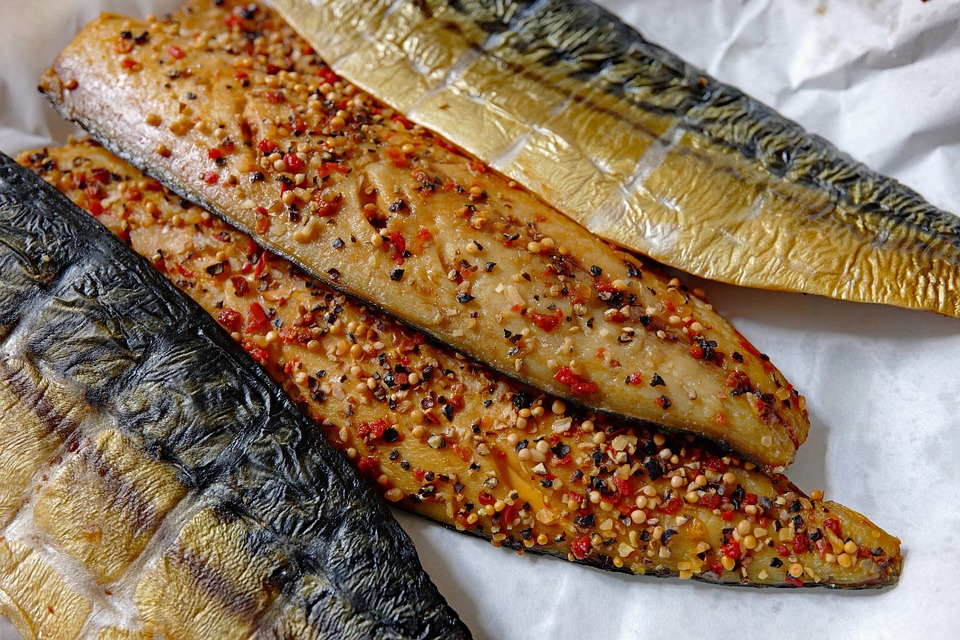
Mackerel and other fatty fish are packed with omega-3 fatty acids, which are known for their anti-inflammatory effects. Omega-3s help reduce muscle soreness and support overall recovery after exercise.
A study involving young men found that omega-3 supplementation led to less muscle soreness and reduced inflammation markers. Mackerel is also a great source of protein, making it a perfect addition to your post-workout nutrition plan.
Chocolate Milk - A Sweet And Effective Recovery Drink
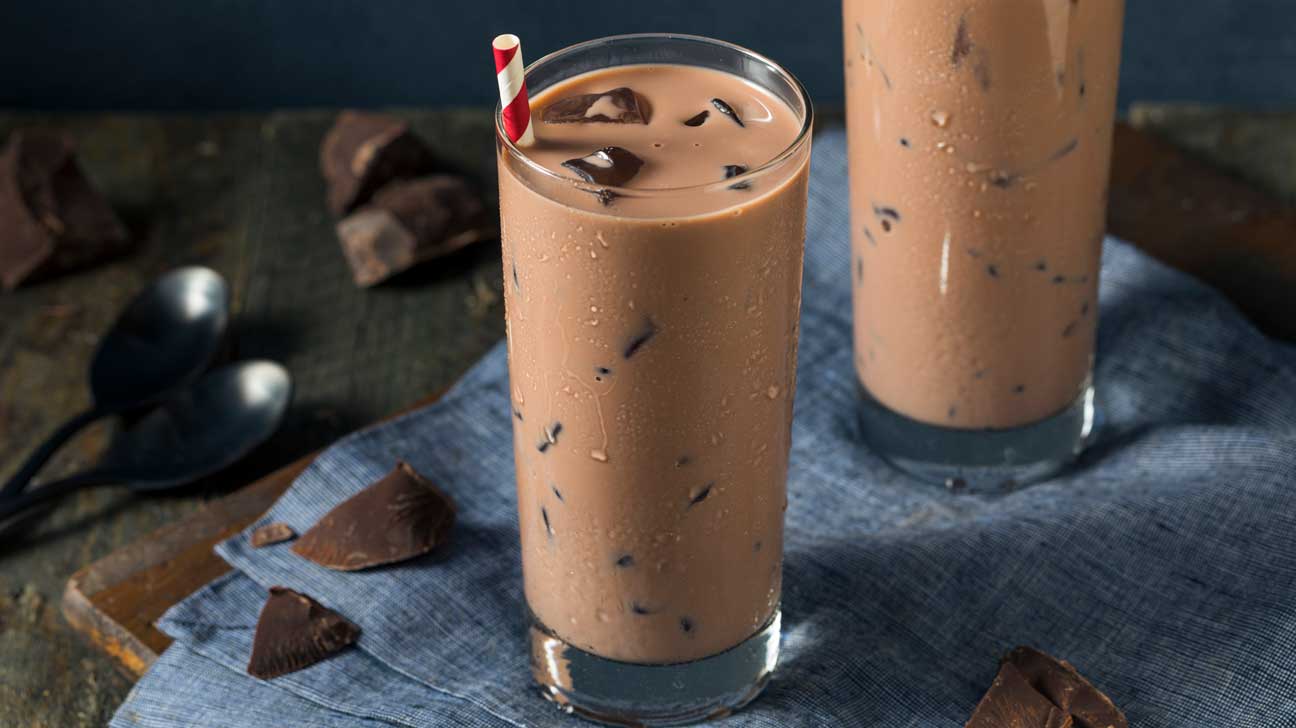
Chocolate milk is more than just a comforting drink. Its unique combination of carbohydrates and high-quality protein makes it an ideal recovery beverage. The carbohydrates in chocolate milk help replenish glycogen stores, while the protein aids muscle repair.
Milk is rich in calcium, which supports muscle function and helps prevent muscle cramps. Recent studies suggest that chocolate milk may be even more effective than sports drinks for post-workout recovery, making it a great choice after intense exercise. Calcium sourceslike milk play a crucial role in maintaining bone health and supporting muscle contractions, enhancing overall recovery.
Frequently Asked Questions
What Should I Eat Immediately After A Workout For Recovery?
After a workout, aim to consume a balanced meal with protein, carbohydrates, and healthy fats within 30 minutes to 2 hours. This helps repair muscle tissue, replenish glycogen stores, and reduce inflammation. A smoothie with protein powder, banana, and spinach, or a meal like grilled chicken with sweet potatoes, works well.
Can I Use Supplements For Muscle Recovery?
While whole foods provide the best nutrients, supplements like protein powder, branched-chain amino acids (BCAAs), and omega-3 fatty acids can also aid recovery. They can help fill any nutritional gaps but should not replace a well-balanced diet.
How Much Protein Do I Need For Muscle Recovery?
The recommended amount of protein for muscle recovery is around 0.8 to 1.2 grams of protein per pound of body weight, depending on your level of exercise intensity. Consuming protein-rich foods like eggs, cottage cheese, or chicken can help you meet this requirement.
Can I Recover From Muscle Soreness Without Eating The Right Foods?
While rest and hydration are important, eating the right foods significantly aids in reducing soreness, repairing muscle tissue, and refueling energy stores. Without proper nutrition, recovery time may be longer, and muscle growth may be hindered.
Should I Eat More After Intense Exercise?
After intense exercise, your body requires more calories to repair muscles, replenish glycogen stores, and maintain energy levels. Focus on a nutrient-dense post-workout meal, and make sure to eat enough protein and carbs to support muscle recovery.
Conclusion
Muscle recovery is an essential component of any workout routine. After the physical strain of exercise, your body needs the proper nutrients to repair, replenish, and grow stronger.
These foods are designed to fuel your body with the nutrients it needs. The best part? Many of these recovery foods can be easily incorporated into simple meals and snacks, making them accessible and convenient.
You Might Also Like: Anti-inflammatory Diet Basics