👉 Does Cedar Really Kill Moths? Here’s What You Need To Know
Cedar is known to repel moths—but does it actually kill them? Learn how cedar works, what it does to moths, and how to use it effectively for protection.

Apr 21, 2025
For generations, the distinct, woody aroma of cedarwood has been synonymous with protecting our cherished garments from the destructive appetites of clothes moths. Hanging cedar planks in closets, and lining drawers with cedar paper – these practices have been passed down as time-honored methods of pest control.
In our quest for a moth-free wardrobe, a fundamental question arises: does cedar killmoths, or does its magic lie in simply deterring them? Let's unravel the science and practicalities behind using this natural resource in the battle against clothes moths.
Does Cedar Wood Repel & Kill Clothes Moths?
The primary way in which cedarwood safeguards your clothing is through its repellent properties, rather than direct extermination. Aromatic red cedarwood (scientifically known as Juniperus virginiana) is rich in natural oils, particularly a group of compounds called sesquiterpenes, including cedrene, cedrol, and widdrol.
As these volatile organic compounds (VOCs)evaporate into the air within your closet or drawer, they create an environment that is overwhelmingly unpleasant and disorienting for adult clothes moths. The two main culprits we're concerned with are the webbing clothes moth (Tineola bisselliella) and the casemaking clothes moth (Tinea pellionella).
While it's true that highly concentrated cedar oils can indeed be lethal to moth larvae, the typical levels of exposure achieved within a standard closet or drawer using common cedar products like blocks or hangers are generally insufficient to completely eradicate an existing moth infestation.
How To Get Rid Of Clothes Moths
If you find yourself already contending with a clothes moth infestation, it's crucial to understand that relying solely on cedar will not resolve the issue. A more comprehensive and multi-faceted approach is necessary to effectively eliminate these fabric-devouring pests:
1. Pinpoint the Infestation Source:The first step is to meticulously identify all the items and areas where moths are present. This could include not only closets and drawers but also less obvious places like under furniture, inside storage boxes, or even on rugs and tapestries.
2. Implement Thorough Cleaning Measures:
- Laundering:Wash all washable items, especially those suspected of harboring moths, in hot water with a temperature of at least 120°F (49°C). This high temperature is effective in killing moth eggs and larvae.
- Freezing:For delicate garments that cannot withstand washing, seal them tightly in plastic bags and place them in a freezer set at 0°F (-18°C) for a minimum of 72 hours. This deep freeze will also eliminate eggs and larvae.
- Vacuuming:Thoroughly vacuum all affected areas, including inside closets and drawers, paying particular attention to cracks, crevices, baseboards, and any other places where eggs and larvae might be hiding. Immediately dispose of the vacuum bag outside to prevent re-infestation.
- Surface Cleaning:Wipe down all surfaces within infested areas with a damp cloth. For more persistent infestations, consider using a mild insecticide specifically formulated and labeled for clothes moths, ensuring you follow the product instructions carefully.
3. Seek Professional Assistance:In cases of severe or widespread infestations that prove difficult to manage on your own, it is advisable to contact a professional pest control service. They have the expertise and tools to effectively eliminate the moth problem.
4. Establish Preventative Strategies:Once the active infestation has been dealt with, it's essential to implement preventative measures to avoid future problems. This includes utilizing cedar as a repellent, storing clothes properly, and maintaining a regular cleaning schedule.
How Long Is Cedar Effective Against Moths?
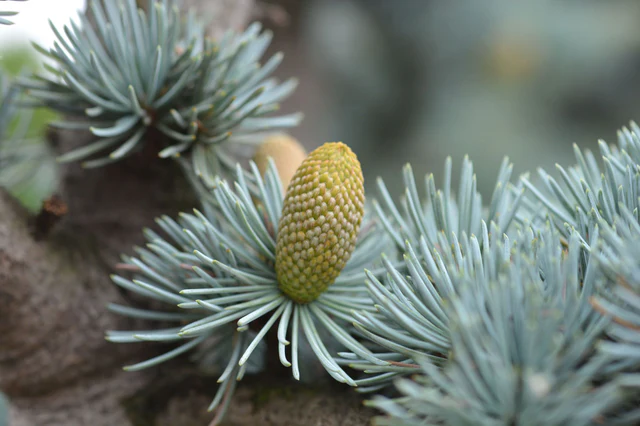
The moth-repelling power of cedarwood is not permanent. Over time, the aromatic oils within the wood naturally evaporate, gradually diminishing its effectiveness. Generally, you can expect cedar items to remain potent for approximately 6 to 12 months. To prolong their lifespan and maintain their protective qualities, regular maintenance is required:
- Sanding the Wood:Lightly sanding the surface of cedar blocks, hangers, or planks exposes fresh, oil-rich wood, releasing a renewed burst of the repelling aroma.
- Applying Cedar Oil:You can revitalize your cedar items by applying a few drops of pure cedarwood essential oil. Ensure that the oil is specifically intended for aromatic use and will not stain your fabrics.
It is crucial to periodically inspect and refresh your cedar products to ensure they continue to effectively deter moths from your clothing.
Do Cedar Blocks Or Balls Prevent Moths?
Yes, cedar blocks, balls, hangers, and drawer liners can indeed serve as effective preventative toolsagainst clothes moths. The aromatic oils they release create an environment that adult moths find unfavorable for laying their eggs, thus breaking the cycle of infestation and protecting your garments from damage.
- Cedar Blocks and Balls:These are particularly convenient for placing directly within drawers, garment bags, and closets. For optimal protection, use several of these items to ensure a widespread distribution of the cedar scent throughout the enclosed space.
- Cedar Hangers:These offer a dual benefit, helping to maintain the shape of your clothes while simultaneously releasing moth-repelling cedar oils within your closet.
- Cedar Drawer Liners:By lining the entire drawer, these provide a more extensive repellent effect, safeguarding all the items stored within.
However, it's vital to reiterate that these cedar products primarily act as repellents. They will not eliminate an existing moth infestation. Their strength lies in preventing future moth activity.
The 7 Best Moth Repellents
While cedar enjoys widespread popularity as a natural moth deterrent, a variety of other substances can also help keep these fabric pests at bay:
- Cedarwood:As previously discussed, its natural aromatic oils are effective in repelling moths.
- Lavender:The strong, pleasant floral scent of lavender is well-known for its moth-deterring properties. Sachets of dried lavender or a few drops of lavender essential oil can be placed in closets and drawers.
- Mothballs (Naphthalene or Paradichlorobenzene):These chemical repellents release potent fumes that are toxic to moths in all life stages (eggs, larvae, and adults). However, they should be used with extreme caution and strictly according to product instructions due to potential health concerns and their strong, often unpleasant odor.
- Herbs (Rosemary, Thyme, Bay Leaves, Cloves):Sachets containing a combination of these dried herbs release strong, natural scents that can also help to repel moths.
- Essential Oils (Peppermint, Eucalyptus, Citronella):Similar to lavender, the powerful aromas of these essential oils can deter moths. They can be applied to cotton balls or used in diffusers (ensuring they do not directly contact fabrics).
- Sticky Moth Traps:These traps utilize pheromones to attract adult male moths, trapping them on a sticky surface and preventing them from mating. While they help monitor moth activity, they do not eliminate an existing infestation on their own.
- Regular Cleaning and Good Storage Practices:Arguably the most effective long-term repellent strategy involves maintaining cleanliness and storing out-of-season clothing in airtight containers, thus reducing the food source and accessibility for moths.
Lavender Or Cedar For Moths?

Both lavender and cedar stand out as popular natural alternatives for repelling moths, but they achieve this through different aromatic compounds.
- Cedar:Emits a woody, slightly camphoraceous scent derived from its volatile oils, such as cedrene. It is typically utilized in solid wood forms like blocks and hangers.
- Lavender:Offers a sweet, floral fragrance attributed to compounds like linalool and linalyl acetate. It is commonly used in the form of dried flower sachets or as an essential oil.
The choice between lavender and cedar often boils down to individual preferences regarding their scents. Both are generally effective as repellents when used correctly and regularly refreshed. Some individuals even opt to use them in combination to provide a broader spectrum of protection.
How To Make Cedar Oil Spray For Moths
While commercially prepared cedar oil sprays are readily available, you can easily create a simple and effective version at home:
Ingredients:
- 1 cup of distilled water
- 15-20 drops of pure cedarwood essential oil (ensure it is specifically for aromatic use)
- A dark-colored glass spray bottle
Instructions:
- Pour the distilled water into the dark glass spray bottle. The dark glass helps to protect the essential oils from degradation caused by light exposure.
- Carefully add the cedarwood essential oil to the water.
- Securely close the bottle with the spray nozzle and shake well to thoroughly combine the oil and water. Keep in mind that oil and water will naturally separate, so it's essential to shake the mixture well before each use.
How to Use:
- Lightly mist the interior surfaces of empty closets and drawers.
- Spray the mixture onto cotton balls or small pieces of fabric and place them within drawers or garment bags. It is crucial to avoid direct contact with delicate fabrics, as the oil could potentially cause staining.
- Allow the sprayed areas or items to air dry completely before placing your clothes back inside.
- Reapply the spray every few weeks or whenever you notice the cedar scent fading.
Important Precautions:Always use pure cedarwood essential oil and avoid direct contact with your skin and eyes. Keep the spray out of reach of children and pets. Before widespread use, test the spray on an inconspicuous area of fabric to ensure it does not cause any staining or damage.
Does Lavender Repel Moths?

Yes, lavender is indeed an effective natural repellent against clothes moths. Its strong and pleasant floral aroma is disliked by these fabric pests. The volatile compounds present in lavender, particularly linalool, interfere with the moths' sense of smell, making it difficult for them to locate suitable places to lay their eggs and establish an infestation.
You can utilize lavender in various forms to deter moths from your clothing:
- Dried Lavender Sachets:Fill small fabric bags with dried lavender flowers and strategically place them within your drawers and closets. Gently squeezing the sachets occasionally will help to release more of their fragrant, moth-repelling oils.
- Lavender Essential Oil:Apply a few drops of pure lavender essential oil onto cotton balls or small pieces of fabric and tuck them into drawers and closets. As with cedar oil, avoid direct contact with delicate fabrics. You can also use an essential oil diffuser within the closet space when clothes are not present.
- Lavender Sprays:Similar to making a cedar oil spray, you can create a lavender spray using distilled water and lavender essential oil. Follow the same precautions regarding testing on fabrics before widespread use.
- Lavender-infused Products:Some commercially available drawer liners and hangers are infused with the scent of lavender, offering a convenient way to incorporate this natural repellent into your storage solutions.
Like cedar, the effectiveness of lavender will diminish over time as its scent fades. To maintain its potency, refresh lavender sachets by gently squeezing them or adding a few drops of essential oil periodically.
What Is The Most Effective Moth Repellent?
Determining the single mosteffective moth repellent is a complex question, as its answer can vary depending on the specific circumstances, the severity of the infestation, individual preferences, and safety considerations.
1. For Active Infestations:Chemical mothballs containing naphthalene or paradichlorobenzene are often considered the most potent for directly killing moths, larvae, and eggs. However, their strong, often unpleasant odor and potential health risks make them a less desirable option for many individuals.
2. For Prevention:A comprehensive and integrated approach is generally the most effective strategy for long-term moth control. This often involves a combination of:
- Maintaining Good Hygiene and Regular Cleaning:This reduces the availability of food sources for moths, such as skin cells and hair.
- Implementing Proper Storage Practices:Storing out-of-season clothing in airtight containers significantly limits moths' access to fabrics.
- Utilizing Natural Repellents:Cedar and lavender are popular and relatively safe natural options for deterring moths.
- Employing Monitoring Tools:Using sticky pheromone traps can help detect moth activity early, allowing for timely intervention.
Frequently Asked Questions
Can Cedarwood Oil Stain Clothes?
Pure cedarwood essentialoil has the potential to stain delicate fabrics, particularly silks and light-colored materials. It is advisable to avoid direct contact. Instead, apply the oil to cedar items, cotton balls, or small pieces of fabric placed near your clothes.
How Often Should I Replace Cedar Items For Moth Prevention?
While you can refresh cedar by sanding or adding oil, the wood itself will eventually lose its potency. Consider replacing cedar blocks and balls every 2 to 3 years to ensure optimal effectiveness.
Are Cedar Chests Completely Mothproof?
Traditional cedar chests are designed with tight-fitting lids to contain the moth-repelling cedar aroma. However, they are not entirely mothproof, especially if infested items are placed inside.
Can I Use Any Type Of Cedar For Moth Repellent?
Aromatic red cedar (Juniperus virginiana) is the most effective type of cedar for repelling moths due to its high concentration of aromatic oils. Other types of cedar may have a less potent effect.
Conclusion
There is no single "magic bullet" when it comes to moth repellents. A combination of preventative measures, including the strategic use of natural repellents like cedar and lavender, coupled with good hygiene and proper storage techniques, often provides the most effective long-term solution for keeping clothes moths away from your precious garments.
For existing infestations, more direct methods such as thorough cleaning, freezing, or professional pest control may be necessary to fully eradicate the problem.