Corpus Christi Procession: From Roman Origins To Modern Celebrations With An Elaborate Canopy
The Solemnity of Corpus Christi, celebrating the Real Presence of Jesus Christ in the Eucharist, is a deeply cherished feast within the Catholic Church. Its observance often culminates in a public procession, a vibrant and devout display of faith that has evolved significantly from its Roman origins to the elaborate celebrations witnessed today, frequently featuring an elaborate canopy.
Jun 11, 2026
The Historical Roots Of Corpus Christi
The origins of the Corpus Christi feast can be traced back to the 13th century. A pivotal moment was the vision of Saint Juliana of Mont Cornillon in Belgium. She experienced a recurring vision of a full moon with a dark spot, which she understood as a call for a specific feast day dedicated to the Holy Eucharist.
Her persistent advocacy, along with the support of Pope Urban IV, led to the official institution of the feast in 1264. The accompanying procession, however, did not immediately become a standard practice. It gradually developed through the late Middle Ages, influenced by existing traditions of carrying sacred relics and images in public processions.
The Emergence Of The Procession And The Canopy
As the devotion to the Blessed Sacrament grew, so did the desire to publicly venerate it. The procession became a powerful means of proclaiming faith in the Real Presence to the wider community. Early processions were often characterized by a spirit of popular piety, with participants carrying banners, candles, and singing hymns.
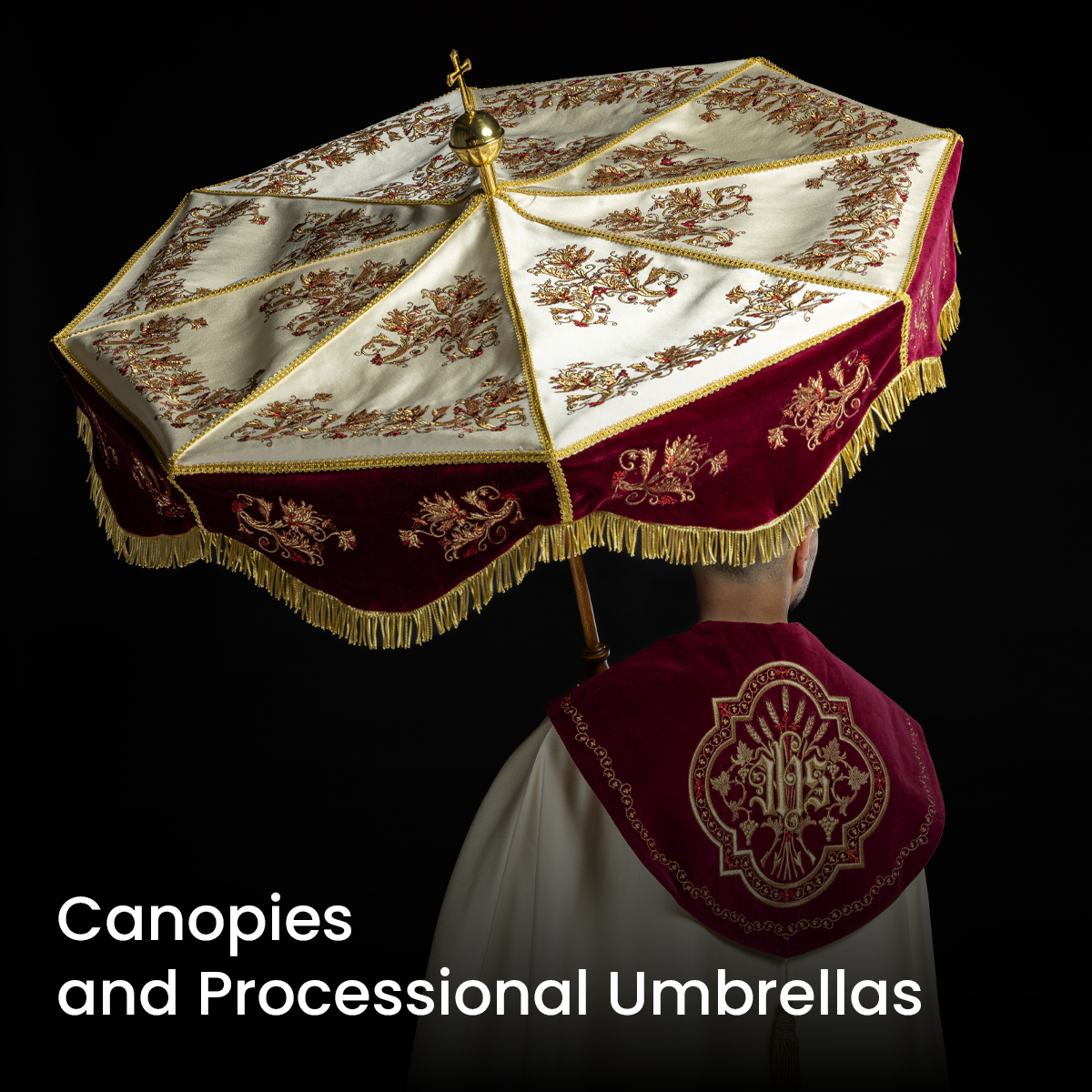
The introduction of the canopy, known in Latin as the umbraculum or baldacchino, marked a significant step in elevating the solemnity and reverence of the procession. The canopy, often ornate and carried by four or more individuals, serves to shelter and honor the Blessed Sacrament as it is carried through the streets. It symbolizes the divine protection and glory surrounding Christ's presence, mirroring the reverence shown to royalty or important dignitaries in ancient times.
Evolution Of The Procession Through The Centuries
Over the centuries, the Corpus Christi procession has adapted to different cultural contexts and liturgical reforms. While the core elements of veneration of the Eucharist and public witness remain, the specific practices have varied. In some regions, the procession became an integral part of urban life, traversing familiar streets and stopping at various altars erected for the occasion.
The solemnity was often enhanced by the participation of various guilds, confraternities, and clergy, each with their distinct attire and roles. Following the Second Vatican Council, there was a renewed emphasis on the liturgical and communal aspects of the feast, leading to variations in the procession's form while maintaining its profound spiritual significance.
Modern Corpus Christi Celebrations: A Symphony Of Faith And Artistry
Today, the Corpus Christi procession is a visually stunning and spiritually uplifting event in many parts of the world. The elaborate canopy remains a central feature, often crafted from rich fabrics like silk or velvet, adorned with intricate embroidery, gold thread, and sometimes even precious stones. These canopies are not merely functional but are works of art in themselves, reflecting the devotion and craftsmanship of the faithful. Beyond the canopy, modern celebrations often feature:
The Role Of The Blessed Sacrament
At the heart of the procession is the monstrance, containing the consecrated Host, which is carried by the celebrant (often a bishop or priest). This is the focal point of adoration and prayer throughout the procession.
Hymns And Prayers
The procession is accompanied by fervent singing of hymns, particularly "Pange Lingua" and "Lauda Sion," along with prayers and blessings. These sacred songs amplify the devotion and unite the participants in common worship.
Floral Decorations
Streets and altars along the procession route are often beautifully decorated with flowers, creating a path worthy of the King of Kings. This tradition symbolizes the beauty and reverence due to the Eucharist.
Community Participation
The procession is a powerful expression of the Church's unity. It involves clergy, religious, altar servers, choir members, and the laity from all walks of life, coming together to publicly profess their faith.
Symbolism Of The Canopy In Modern Times
The elaborate canopy continues to play a vital symbolic role. It signifies:
- Royal Dignity: Honoring Christ as King.
- Divine Protection: Shielding the Blessed Sacrament.
- Sacredness: Setting apart the Eucharist as holy and set above all earthly things.
- Community Witness: A visible sign of the Church's adoration and belief.
Choosing Appropriate Vestments And Accessories
For clergy and altar servers participating in Corpus Christi processions, the choice of vestments and accessories is paramount. High-quality vestments, such as ornates, copes, and stoles, often feature rich embroidery and symbolic motifs that enhance the solemnity of the occasion. White and gold are particularly favored colors for Corpus Christi, symbolizing purity, joy, and divinity. Additionally, carefully selected altar linens, including altar cloths, pall, and purificators, contribute to the overall reverence of the sacred rites. The craftsmanship and quality of these items reflect the deep respect and love for the Blessed Sacrament.
Conclusion: A Living Tradition
The Corpus Christi procession, from its humble beginnings to its grand modern manifestations featuring elaborate canopies, stands as a testament to the enduring faith of the Catholic Church. It is a living tradition that allows the faithful to step outside the confines of the church building and bear witness to their belief in the Real Presence of Christ in the Eucharist. The procession, with its solemnity, beauty, and communal participation, offers a profound spiritual experience, reaffirming the central role of the Eucharist in the life of believers and the Church. The presence of an elaborate canopy serves as a constant reminder of the divine majesty and glory that is being honored and adored.