21 Budget-Friendly Nutrition Tips - Save Money And Eat Healthy
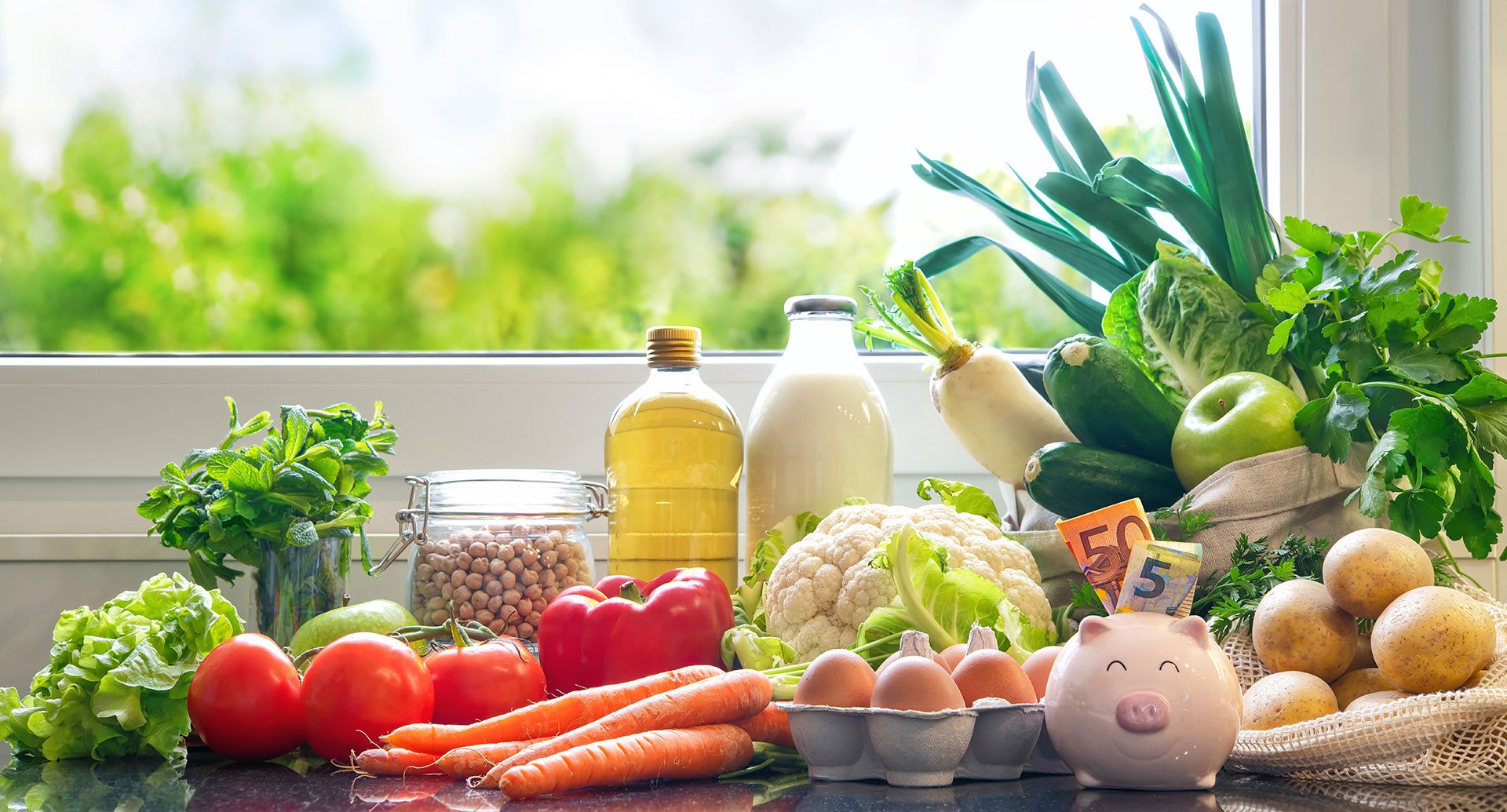
Staying healthy doesn’t have to come at a high price. Healthy eating is about making smart choices, and with these practical tips, you can make it work on any budget. It’s time to take control of your health and your wallet with these budget-friendly nutrition ideas.
Aug 21, 2025
Eating healthy is essential for maintaining overall well-being, but with rising food prices, it can sometimes feel like a challenge to stick to a nutritious diet. However, you don’t have to spend a fortune to eat healthily.
With some planning, smart shopping, and creative meal ideas, eating nutritious meals on a budget is entirely possible. These strategies will show you how to make healthy eating both affordable and enjoyable.
Plan Your Meals In Advance
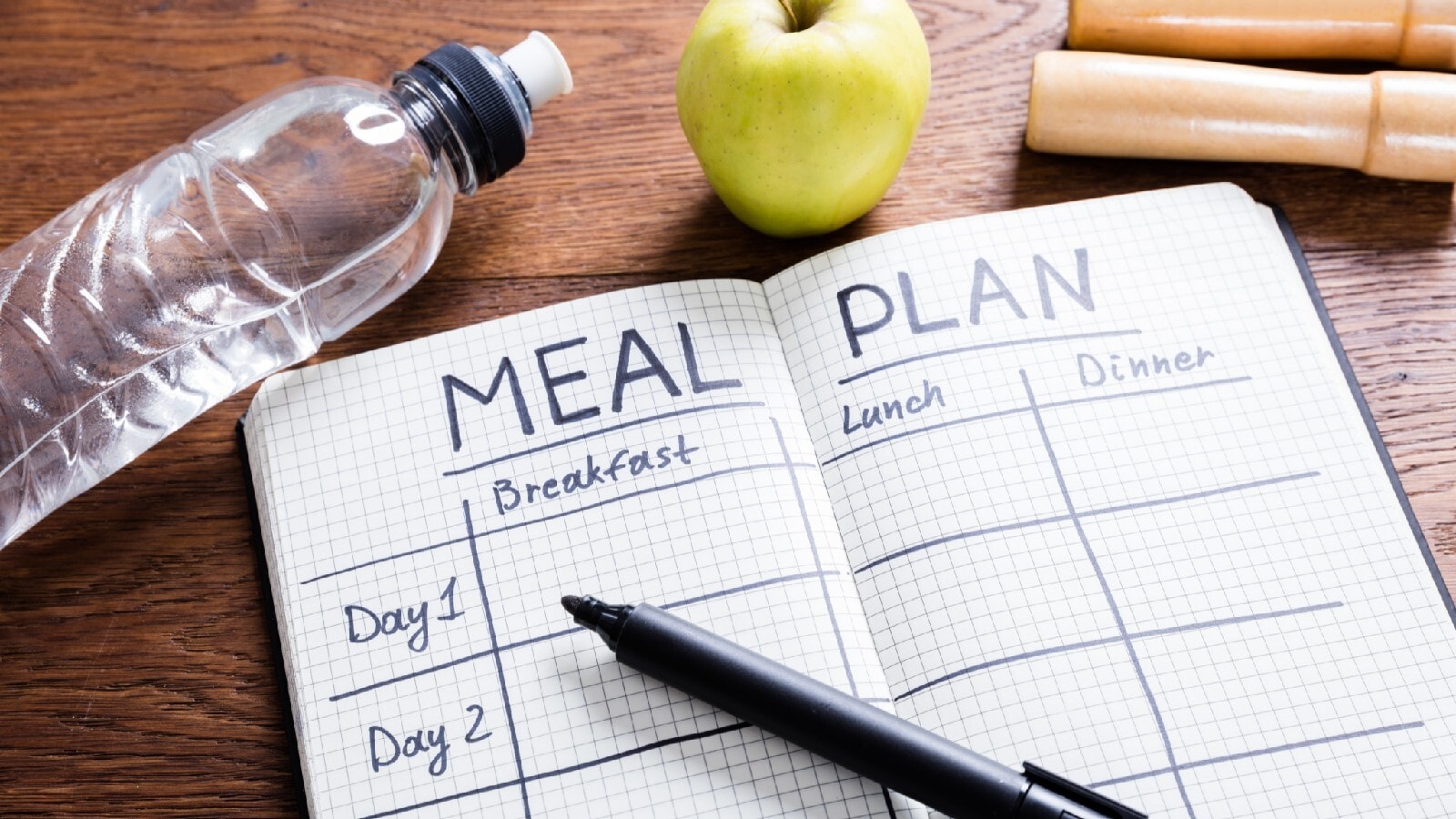
Planning your meals is one of the most effective ways to save money while eating healthily. When you plan ahead, you can buy exactly what you need, which helps reduce impulse buys and prevents food from going to waste.
Meal planning allows you to create a shopping list with the exact ingredients you need, helping you avoid unnecessary purchases. Additionally, when you plan, you can reuse ingredients across multiple meals, stretching your food further. With a little time each week, meal planning can lead to substantial savings.
Shop With A List
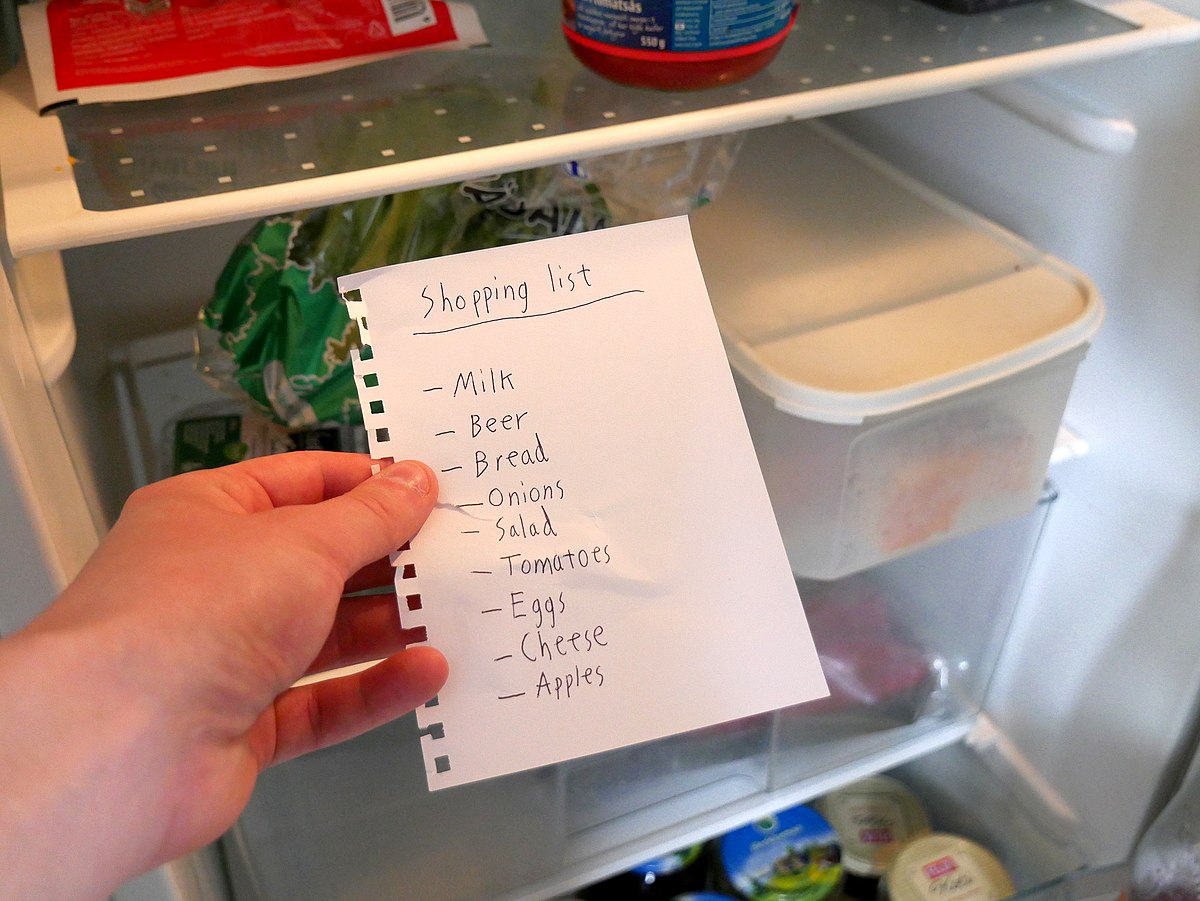
A shopping list is an essential tool for sticking to your budget. By writing down exactly what you need before heading to the store, you ensure you don’t get distracted by impulse purchases.
It’s easy to get tempted by snacks and non-essential items, especially when you’re hungry, but a list helps you stay focused. Shopping with a list also prevents you from buying duplicate items that you don’t need. By sticking to your list, you can make your grocery trips more efficient and cost-effective.
Buy In Bulk
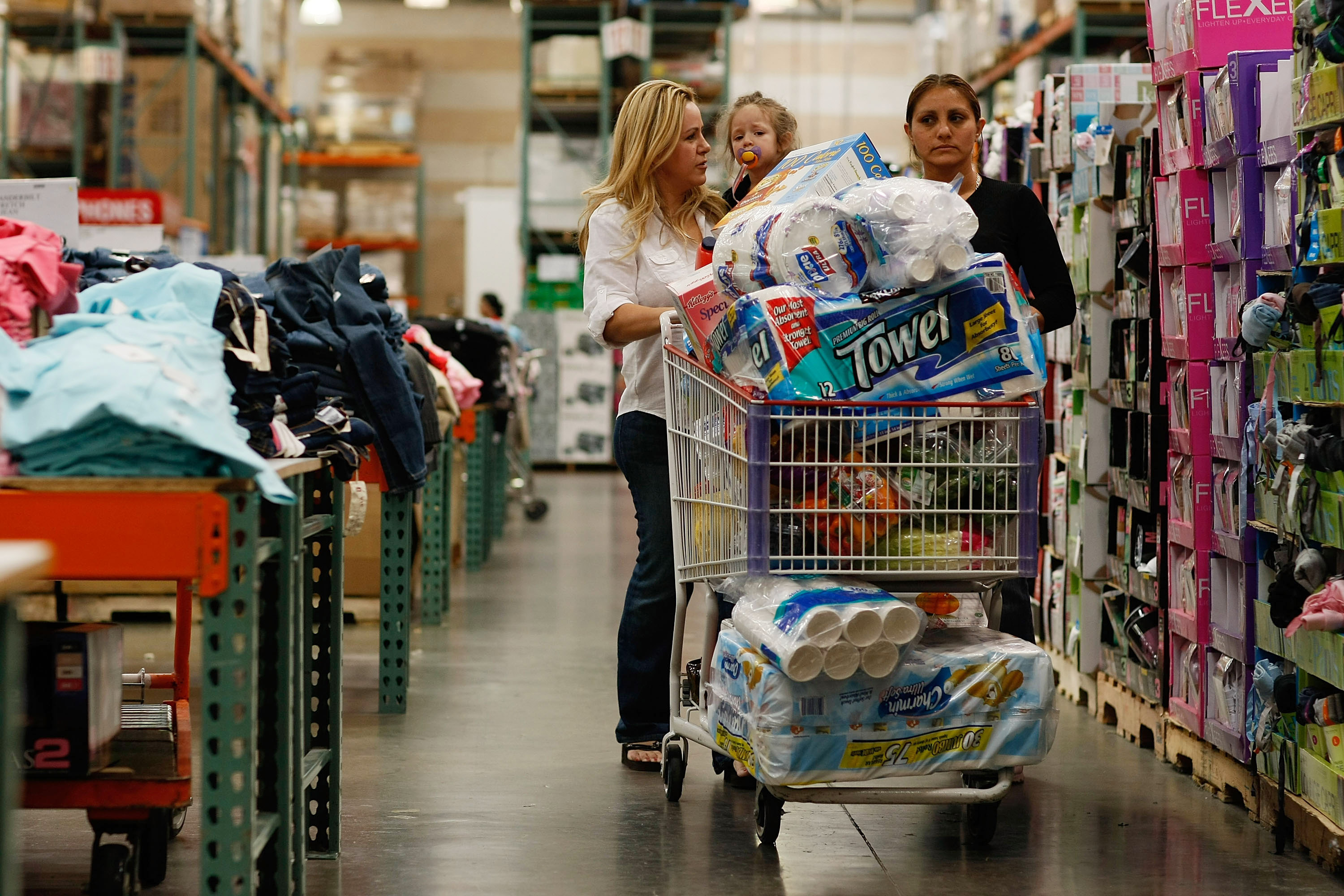
Buying in bulk can save you a significant amount of money on non-perishable items. Foods like rice, pasta, oats, beans, and grains are usually cheaper when bought in large quantities. Bulk buying also allows you to store ingredients for the long term, so you always have pantry staples on hand.
However, it’s important to only buy in bulk what you will use, as storing excess food can lead to waste. When done correctly, bulk buying reduces the need for frequent shopping trips and can keep your meals affordable over time.
Choose Store Brands
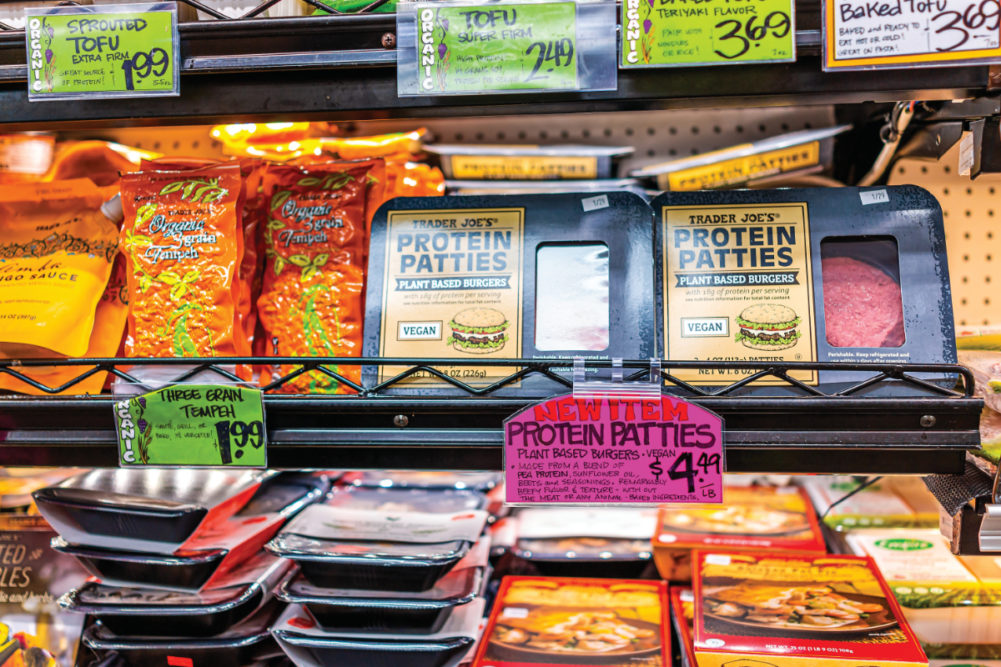
Store-brand products are often just as good as name-brand ones but at a much lower price. All food manufacturers must adhere to the same safety and quality standards, meaning the nutritional value is often comparable. By opting for store-brand options for essentials like milk, cereal, and canned goods, you can significantly lower your grocery bill without sacrificing quality.
Over time, these small savings can add up, leaving you with more room in your budget for other healthy foods. Next time you’re at the store, consider trying the store brand for a healthier and more cost-effective option.
Embrace Frozen And Canned Foods
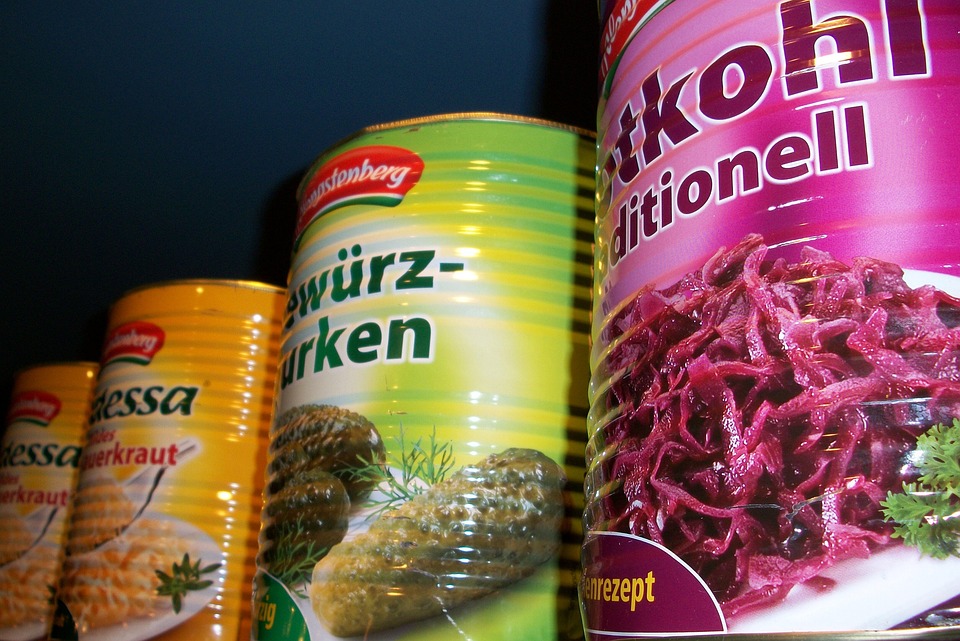
Frozen and canned foods are often overlooked, but they are budget-friendly alternatives that can be just as nutritious as fresh options. Frozen vegetables and fruits are picked at their peak ripeness, flash-frozen, and then packaged, which helps preserve their nutrients.
Canned beans, tomatoes, and fish can also be inexpensive and shelf-stable, making them perfect for creating nutritious meals. With careful selection, you can stock up on these items without breaking the bank, and they often last longer than fresh produce. When you're tight on cash, these pantry staples are a reliable way to maintain a healthy diet.
Buy Seasonal Produce
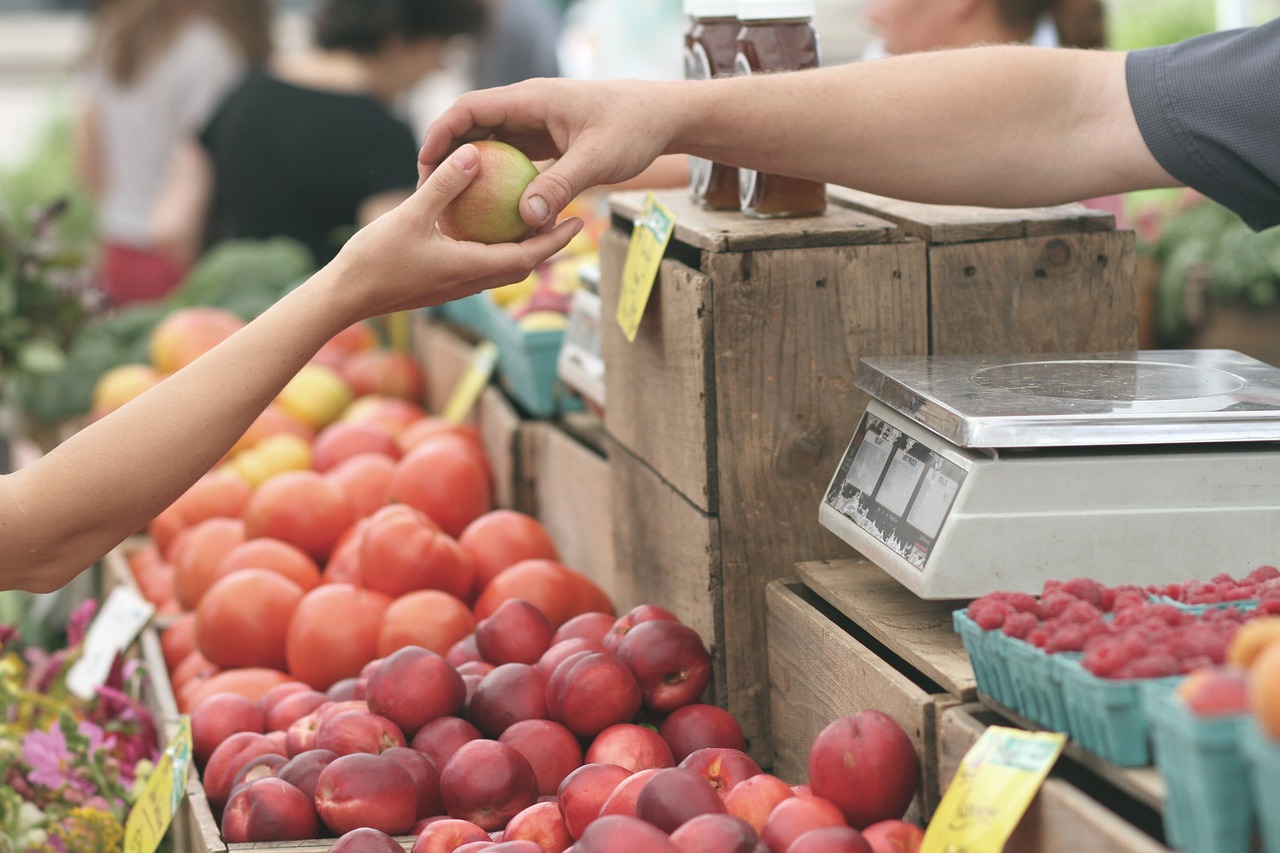
Seasonal produce is usually more affordable and tastier than out-of-season fruits and vegetables. When you buy produce that’s in season, you’re getting the freshest options at lower prices because they are more abundant. You can also freeze extra seasonal fruits and vegetables to use later in the year, saving money on out-of-season items.
Learning what fruits and vegetables are in season each month helps you plan meals around these affordable options. In addition, supporting local farmers and markets can give you access to even better deals on fresh, seasonal produce.
Use Less Expensive Protein Sources
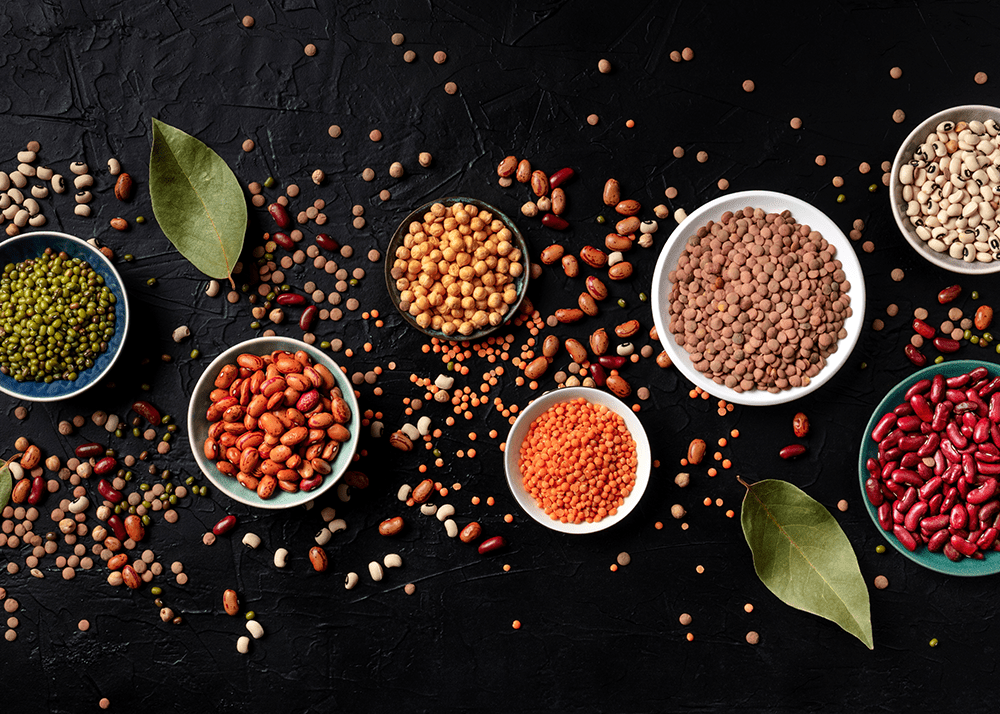
Protein is an essential part of a healthy diet, but it doesn’t always have to come from expensive cuts of meat. Eggs, canned fish, tofu, lentils, and beans are all great protein-rich options that are affordable and versatile. You can use these in a variety of meals, from soups and salads to stir-fries and casseroles.
Beans and lentils are especially cost-effective because they can be bought in bulk and stored for long periods. By switching to these protein sources, you can enjoy filling meals without the high cost of meat.
Make Your Own Snacks

Pre-packaged snacks can be costly and often unhealthy, but making your own snacks at home is both budget-friendly and nutritious. Simple snacks like vegetable sticks with hummus, homemade trail mix, or homemade popcorn are easy to prepare and much cheaper than store-bought alternatives.
You can also experiment with making your own energy bars or baked goods that incorporate whole grains, nuts, and dried fruits. By preparing snacks in advance, you avoid the temptation to buy overpriced, unhealthy options when you’re hungry. This strategy not only saves money but also allows you to control the ingredients and portion sizes.
Cook More At Home

Cooking at home is one of the best ways to save money while maintaining a healthy diet. When you prepare your own meals, you have full control over the ingredients and portion sizes, which helps you avoid the extra cost of dining out. Making large batches of meals like soups, stews, or casseroles can also save you time and money by providing leftovers for the next day.
Home-cooked meals tend to be healthier because you can minimize the use of processed ingredients. By getting into the habit of cooking more at home, you’ll notice a significant reduction in your food expenses.
Repurpose Leftovers
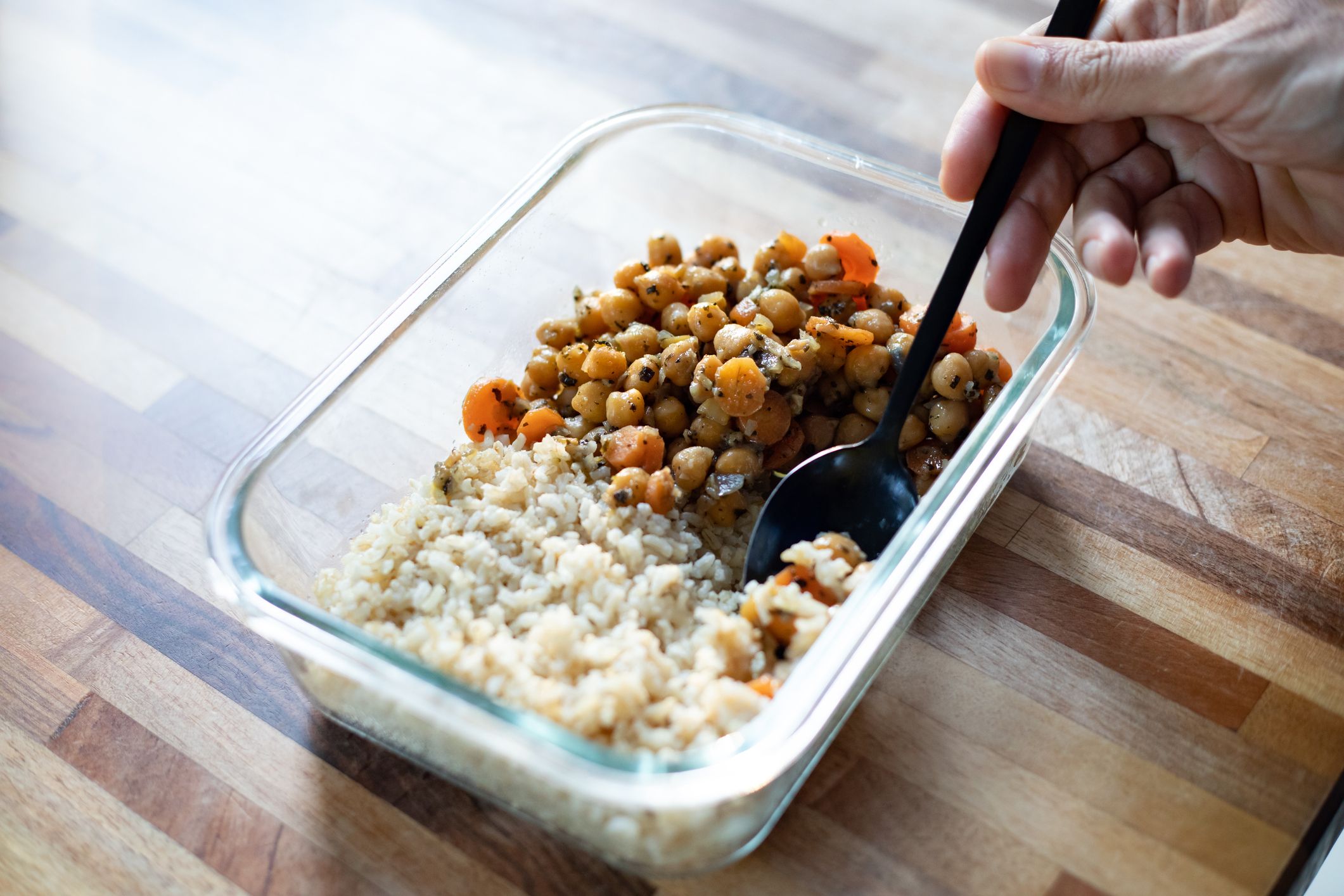
Instead of throwing away leftover food, consider repurposing it into new meals. For example, leftover roasted vegetables can be added to soups, stews, or salads, and extra rice can be used to make fried rice or a grain bowl.
Repurposing leftovers not only reduces food waste but also helps stretch your grocery budget further. Plan for leftovers when making meals, and get creative with how you can use them in future dishes. This approach ensures that no food goes to waste and that you maximize the value of your grocery purchases.
Buy Whole Ingredients Instead Of Processed Foods
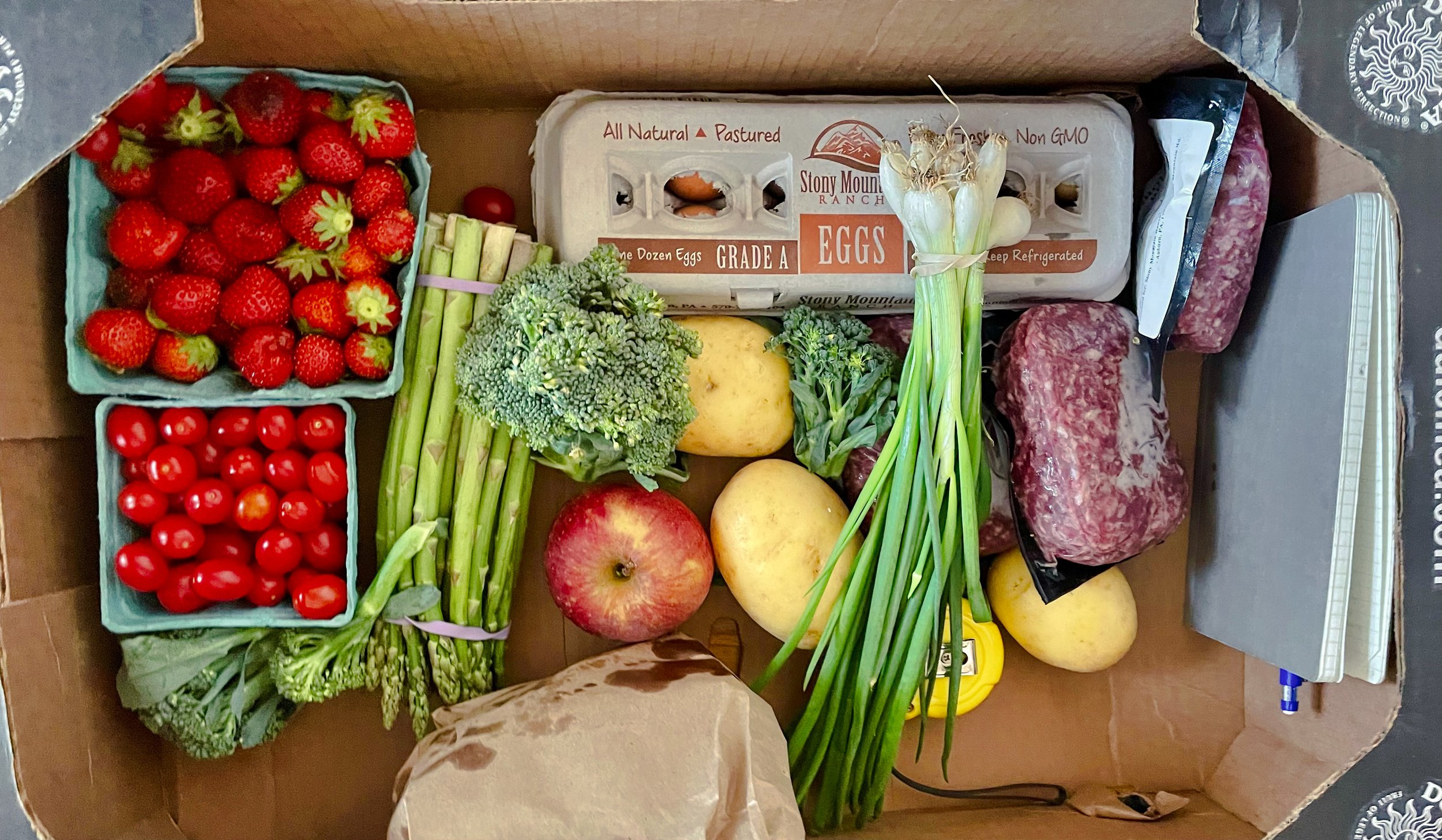
Processed foods may seem convenient, but they can also be expensive and often lack nutritional value. Whole foods like fresh vegetables, grains, and meats are not only more affordable, but they also offer more vitamins, minerals, and fiber. By opting for whole ingredients, you can create nutritious meals that are both cost-effective and satisfying.
For example, instead of buying pre-made sauces or meals, try making your own using simple ingredients like tomatoes, garlic, and herbs. Cooking from scratch allows you to control the quality of your meals while saving money.
Limit Your Intake Of Expensive Ingredients
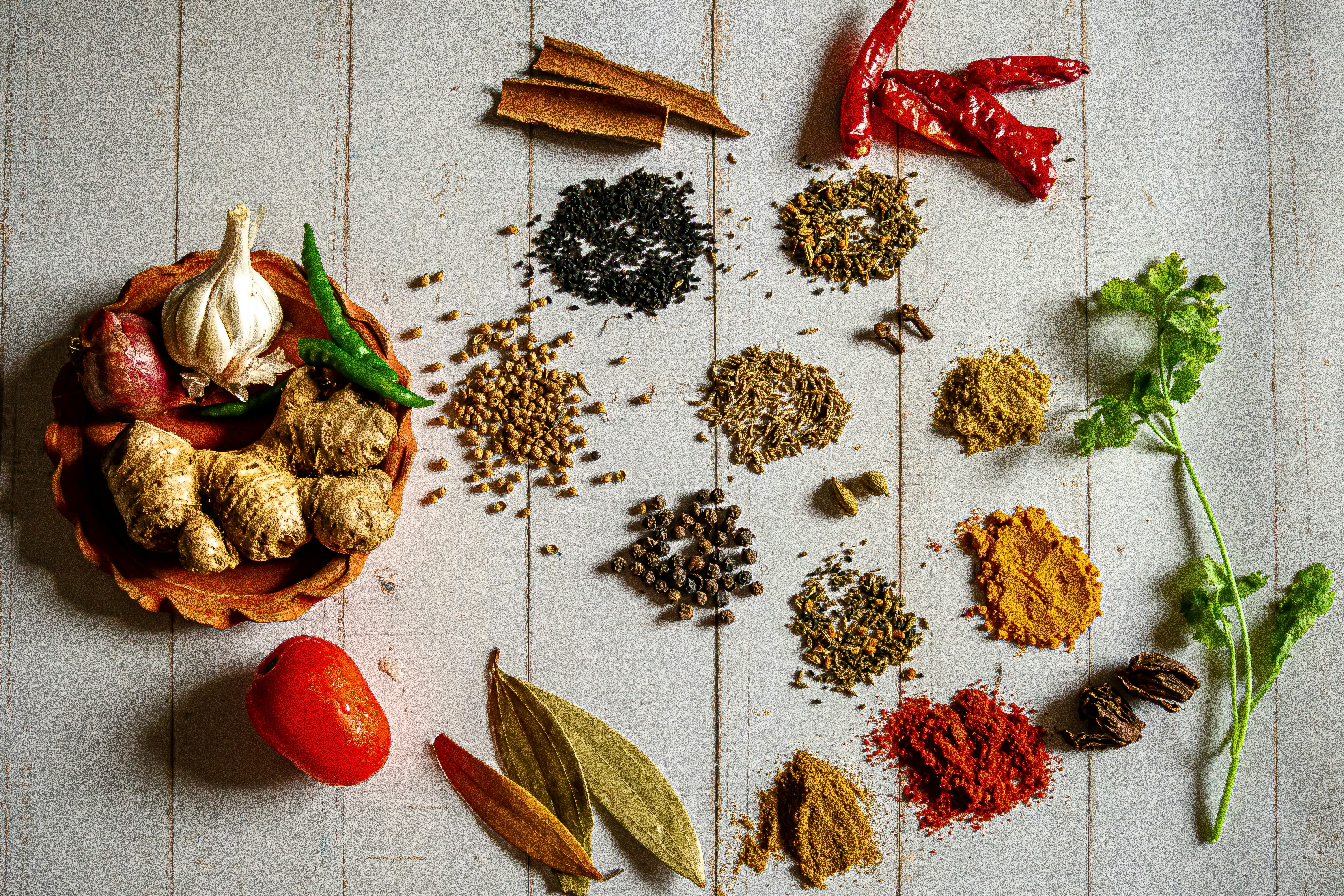
Certain ingredients like olive oil, avocados, and specialty grains can add up quickly, making your grocery bill higher than necessary. While these foods have health benefits, it's important to use them sparingly, especially if you're trying to stick to a budget.
Instead, focus on using more affordable alternatives, such as vegetable oil, potatoes, and rice, that can still provide essential nutrients. You can also swap out more expensive foods for seasonal or frozen alternatives that offer similar nutritional value. By limiting the use of costly ingredients, you can maintain a healthy diet without overspending.
Shop At Farmers’ Markets
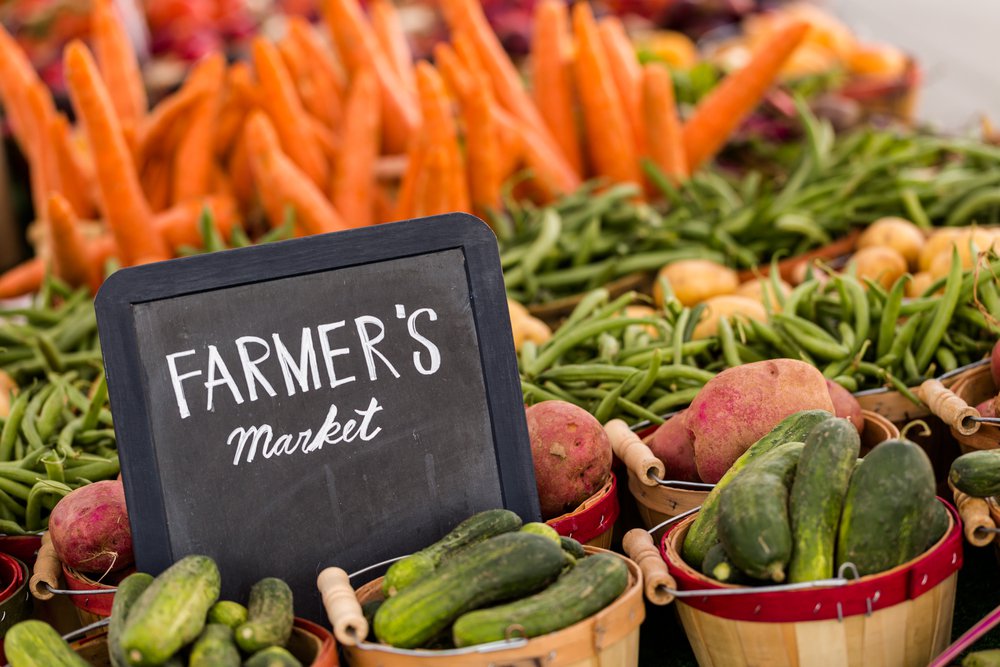
Farmers’ markets can offer fresh, locally grown produce at lower prices compared to grocery stores. Many farmers sell their produce directly to consumers, which eliminates the middleman and helps reduce costs. The benefits of eating local produceare numerous; not only does it support local farmers and the community, but it also ensures that the food is fresher, retains more nutrients, and reduces the environmental impact associated with transportation.
Shopping at these markets also gives you the opportunity to support local agriculture, which benefits your community. By shopping at farmers’ markets, you can enjoy fresh, nutritious foods without the premium prices typically found at supermarkets.
Use Leftover Vegetables To Make Broth
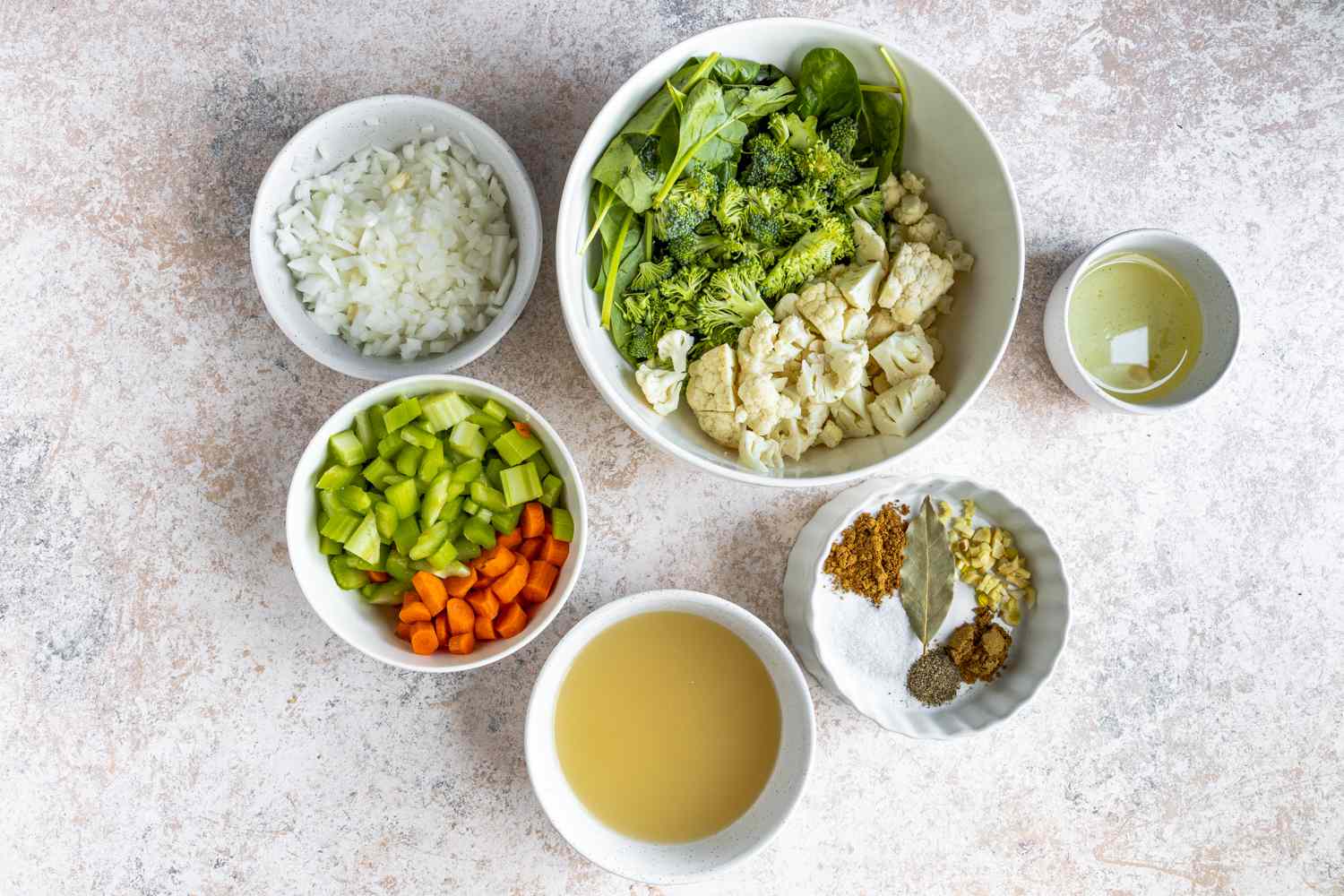
Rather than throwing away vegetable scraps like carrot tops, onion skins, and celery leaves, save them to make homemade broth. This is a simple and cost-effective way to add flavor and nutrients to your meals.
You can use leftover vegetables and herbs to create a rich, flavorful broth that can be used in soups, stews, and sauces. Not only does this reduce food waste, but it also allows you to get the most out of your groceries. You can use leftovers creatively, which will allow you to maximize your ingredients and reduce unnecessary waste while adding depth to your meals.
Grow Your Own Herbs
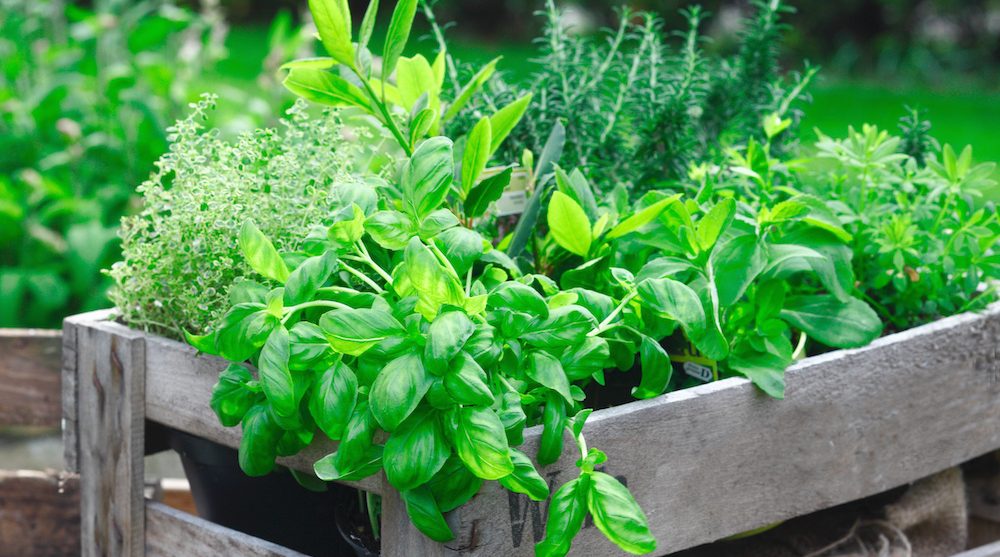
Fresh herbs can be quite expensive when purchased at the store, especially if you use them frequently. Growing your own herbs at home is an inexpensive way to add fresh flavors to your meals. Herbs like basil, mint, and parsley can thrive in small spaces, even on a windowsill or balcony.
Growing your own herbs ensures that you always have fresh ingredients on hand without the need to buy them each time. Plus, it’s a rewarding hobby that can save you money in the long run.
Prepare Your Own Desserts

Instead of buying expensive pre-made desserts, try making your own at home. Simple baked goods like oatmeal cookies, banana bread, or baked apples can be made for a fraction of the cost and are often healthier. Making your own desserts allows you to control the ingredients, so you can cut down on sugar and unhealthy fats.
Many homemade desserts can also be customized with wholesome ingredients like whole wheat flour, oats, and dried fruits. By preparing your own sweets, you can satisfy your cravings while sticking to your budget.
Avoid Pre-Cut Or Pre-Packaged Produce
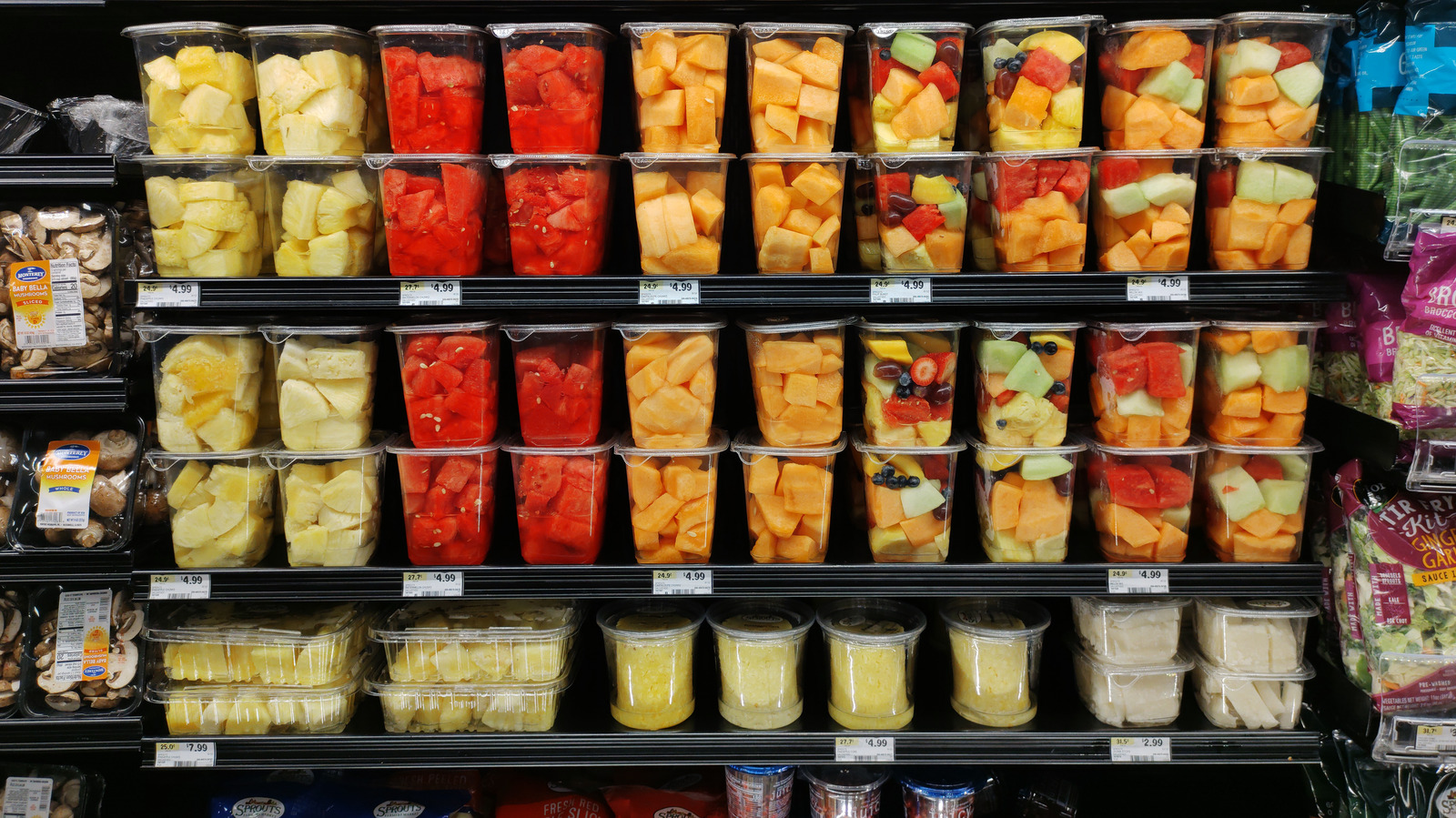
Pre-cut fruits and vegetables may seem convenient, but they come with a hefty price tag. By buying whole produce and cutting it yourself, you can save a significant amount of money. Not only will you pay less, but you'll also get fresher ingredients that last longer.
Pre-cut produce can lose its nutritional value faster, and buying it packaged often means paying for extra processing and packaging. Taking a few extra minutes to prepare your own fruits and vegetables will help keep your grocery costs down.
Drink Water Instead Of Sugary Beverages

Sugary drinks like soda and juice can add up both in cost and in calories. Water is the most affordable and healthiest option to stay hydrated, and it’s free if you have access to clean tap water. If you find plain water boring, try infusing it with fresh fruits or herbs like lemon, mint, or cucumber to add natural flavor without added sugar or calories.
Avoiding sugary drinks not only saves you money but also helps maintain a healthy weight and reduces the risk of chronic diseases. Drinking more water is an easy way to stay healthy on a budget.
Make Use Of Freezer-Friendly Meals

Freezing meals is a great way to save time and money. When you cook in larger batches, you can freeze portions for later use, cutting down on the need for last-minute takeout or expensive convenience foods. Soups, stews, casseroles, and cooked grains freeze well and can be reheated for quick meals throughout the week.
Having frozen meals on hand ensures that you always have something nutritious available, even when you’re short on time. Freezer-friendly meals are a simple and effective way to reduce food wasteand save money.
Buy Protein-Rich Foods In Bulk
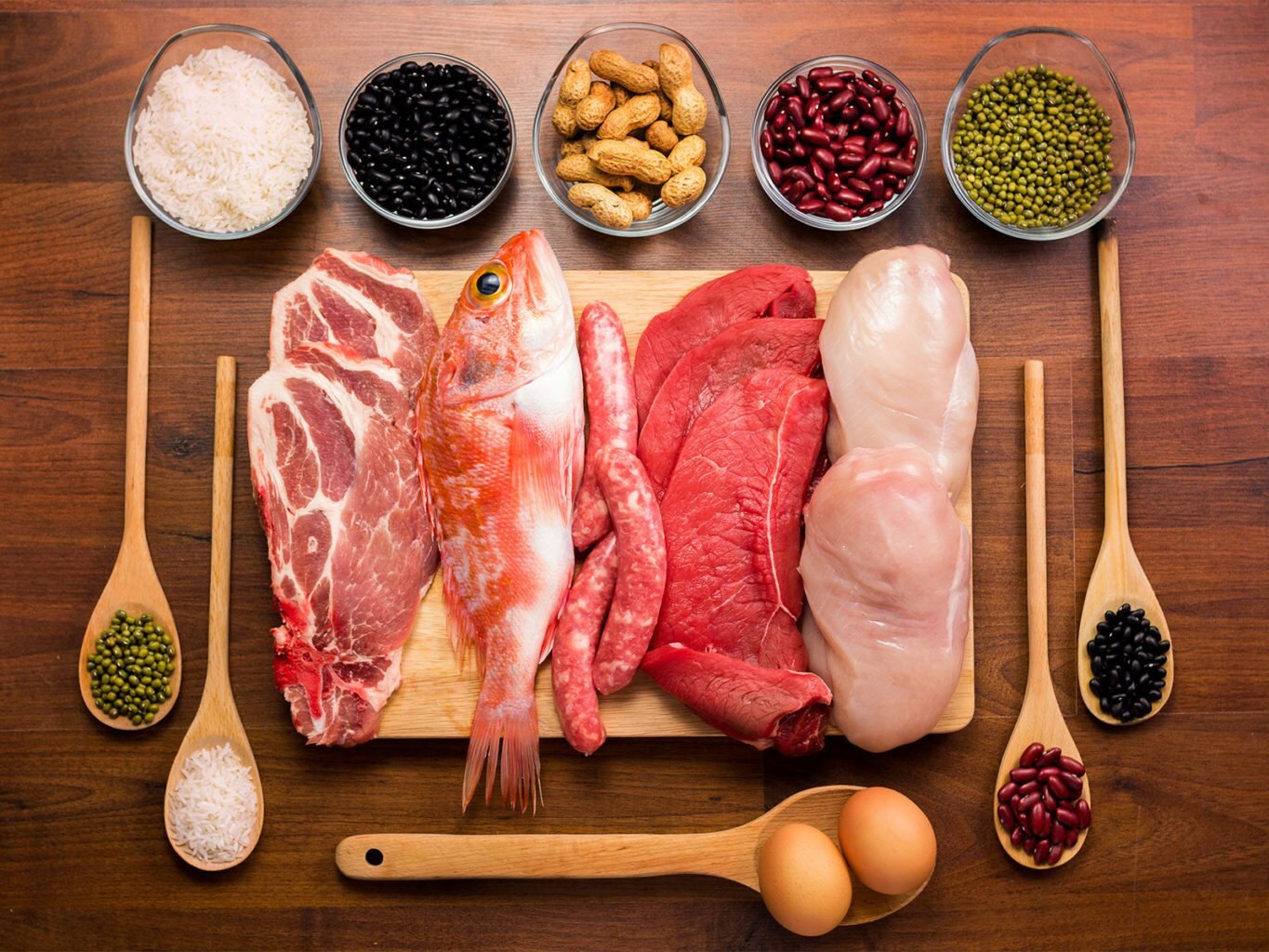
Certain protein-rich foods like dried beans, lentils, and chickpeas are much cheaper when bought in bulk. These foods are incredibly versatile and can be used in a wide range of dishes, from salads and soups to curries and wraps. By buying in bulk, you reduce the cost per serving, making them an affordable option for maintaining a high-protein diet.
Dried beans and legumes also have a long shelf life, so you can store them and use them as needed. Bulk buying protein-rich foods ensures that you always have a nutritious option available for meals. If you're looking to stock up on healthy pantry essentials, healthy food marketscan be a great place to find affordable, high-quality dried beans, legumes, and other nutritious staples in bulk.
Get Creative With Simple Meals

Eating healthily doesn’t require fancy ingredients or expensive meals. Simple staples like rice, beans, eggs, and vegetables can be used in a variety of ways to create filling and nutritious dishes. Get creative with your meals by experimenting with different spices, sauces, and cooking techniques to keep things interesting.
For example, rice can be turned into stir-fry, casserole, or a grain bowl, while beans can be used in chili, salads, or spreads. By using affordable ingredients and getting creative in the kitchen, you can enjoy a wide variety of delicious meals without breaking the bank.
Frequently Asked Questions
What Are The Most Affordable Sources Of Protein?
Affordable protein options include beans, lentils, eggs, tofu, and canned fish. These options are not only cost-effective but also rich in essential nutrients.
How Can I Make My Diet Healthier On A Tight Budget?
To eat healthier on a budget, prioritize whole grains, seasonal produce, and plant-based proteins. Planning meals and buying in bulk will also help reduce costs.
Can I Eat Healthy Without Spending A Lot On Organic Foods?
Yes, it’s possible to eat healthy without purchasing organic foods. Focus on buying fresh, in-season produce and other nutrient-dense options. Non-organic produce is often just as nutritious.
Is It Better To Buy Frozen Or Fresh Vegetables?
Frozen vegetables can be a more affordable and convenient option, especially if fresh produce is out of season. They retain most of their nutrients and have a long shelf life.
How Can I Avoid Overspending On Food?
To avoid overspending, make a shopping list based on meal planning, buy in bulk, and take advantage of sales and discounts. Cooking at home and using leftovers creatively can also help cut costs.
What Are Some Budget-friendly Snacks I Can Make At Home?
Budget-friendly snacks include homemade granola bars, roasted chickpeas, and vegetable sticks with hummus. These snacks are easy to prepare and more affordable than store-bought alternatives.
Conclusion
Eating healthy on a budget is entirely achievable with the right strategies in place. By planning your meals, buying affordable ingredients, and making the most of leftovers, you can enjoy nutritious meals without overspending.
These budget-friendly nutrition tips will help you maintain a balanced diet while keeping your grocery bills low. With a little effort and creativity, healthy eating can be both affordable and enjoyable.
You Might Also Like: Foods To Boost Brain Function And Prevent Cognitive Decline