Anti-Bloat Food List | 27 Natural Foods To Help Eliminate Bloating For Good
Bloating can make you feel heavy and uncomfortable, but with the right steps, you can reduce its effects. It often results from food choices, dehydration, or other digestive issues. By focusing on a balanced diet and healthy habits, you can ease bloating and improve digestion. Simple strategies like eating more fiber, drinking more water, and managing stress can go a long way.
Aug 15, 2025
Bloating is a common digestive concern often triggered by gas buildup, indigestion, or constipation. Addressing these underlying causes can significantly alleviate the discomfort associated with bloating.
A well-balanced diet rich in fiber from plant-based foods such as whole grains, fruits, and vegetables is a key strategy for managing constipation. However, introducing fiber into the diet too rapidly can lead to temporary bloating; therefore, experts recommend a gradual increase to allow the digestive system to adjust. These foods and beverages can support a healthier digestive system and help minimize bloating.
1. Oranges
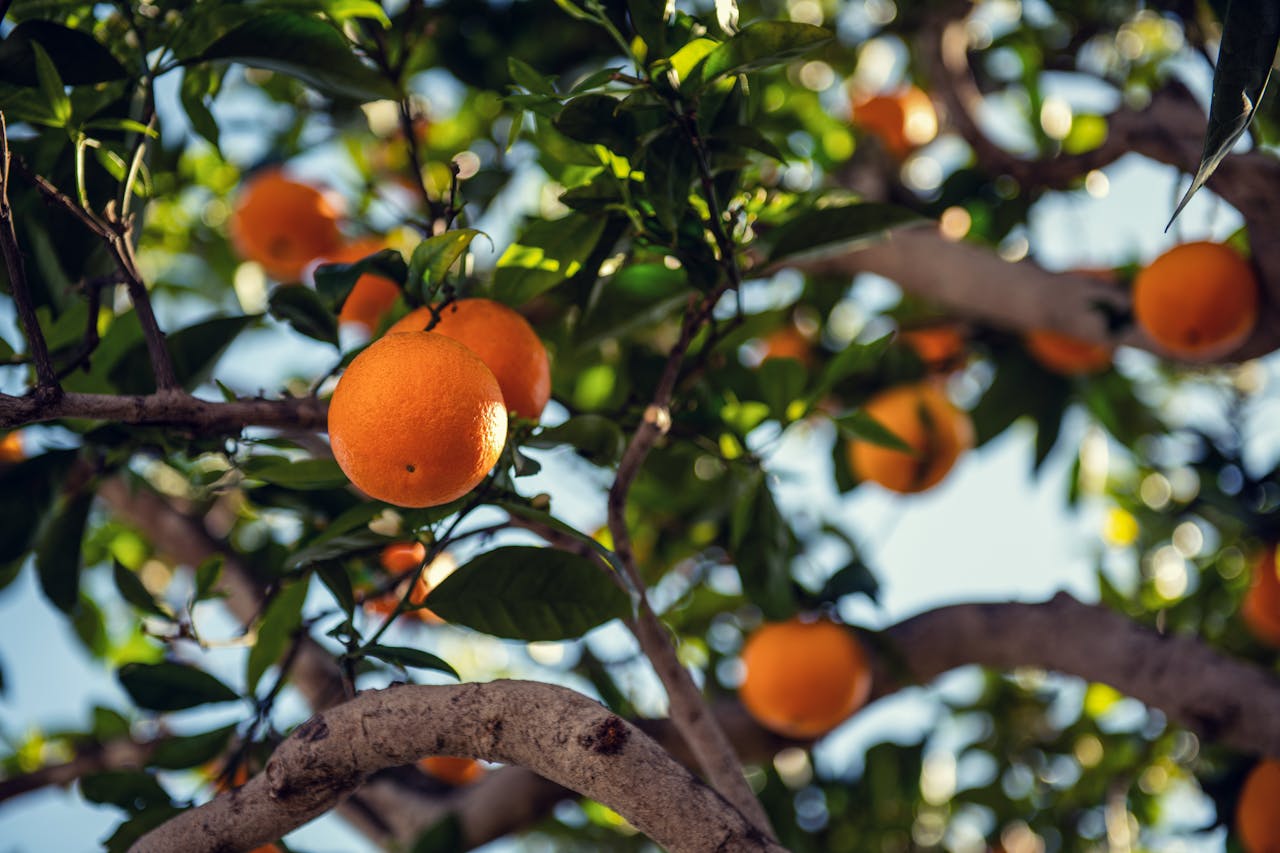
Oranges are a fantastic source of fiber and water, which support healthy digestion by promoting regular bowel movements and reducing water retention. They are also packed with vitamin C, a nutrient that helps improve the gut microbiome's health. Vitamin C plays an essential role in fostering the growth of beneficial bacteria, enhancing gut function, and minimizing digestive discomfort.
2. Bananas

Bananas are well-known for their high fiber content, which supports smooth digestion. They are also rich in potassium, a mineral that helps balance sodium levels in the body, reducing water retention, and are among the top healthy food options. Eating bananas daily can support the growth of healthy gut bacteria, improve gut health, and alleviate bloating, making them an excellent choice for those with digestive concerns.
3. Pineapples

Pineapples are a tropical fruit known for their digestive benefits. They contain bromelain, an enzyme that supports protein digestion and helps with digestive efficiency. Pineapples are also rich in fiber, which promotes a healthy digestive system. Their anti-inflammatory properties may contribute to improved gut health and reduced digestive discomfort.
4. Berries

Berries are rich in fiber, which helps maintain regular digestion and reduce bloating. They are also loaded with antioxidants that support the gut liningand help lower inflammation. These qualities make berries a powerful addition to any gut-friendly diet, offering both taste and health benefits.
5. Papayas
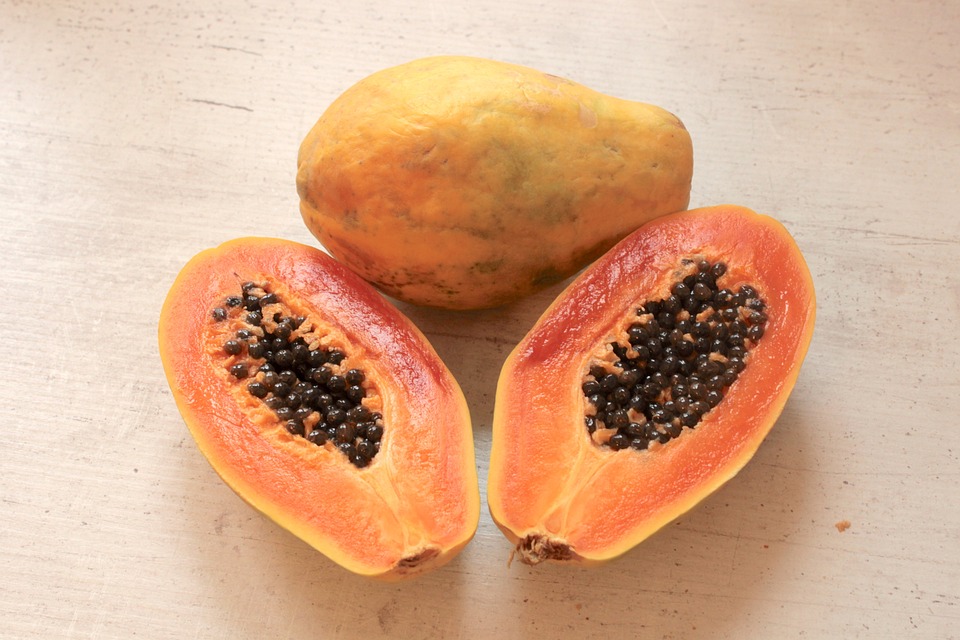
Papayas are a tropical fruit with natural digestive enzymes that aid in breaking down proteins. This fruit can help alleviate symptoms such as constipation and bloating. Studies suggest that regular consumption of papayas improves gut comfort, making them a valuable food for those seeking natural digestive relief.
6. Tomatoes
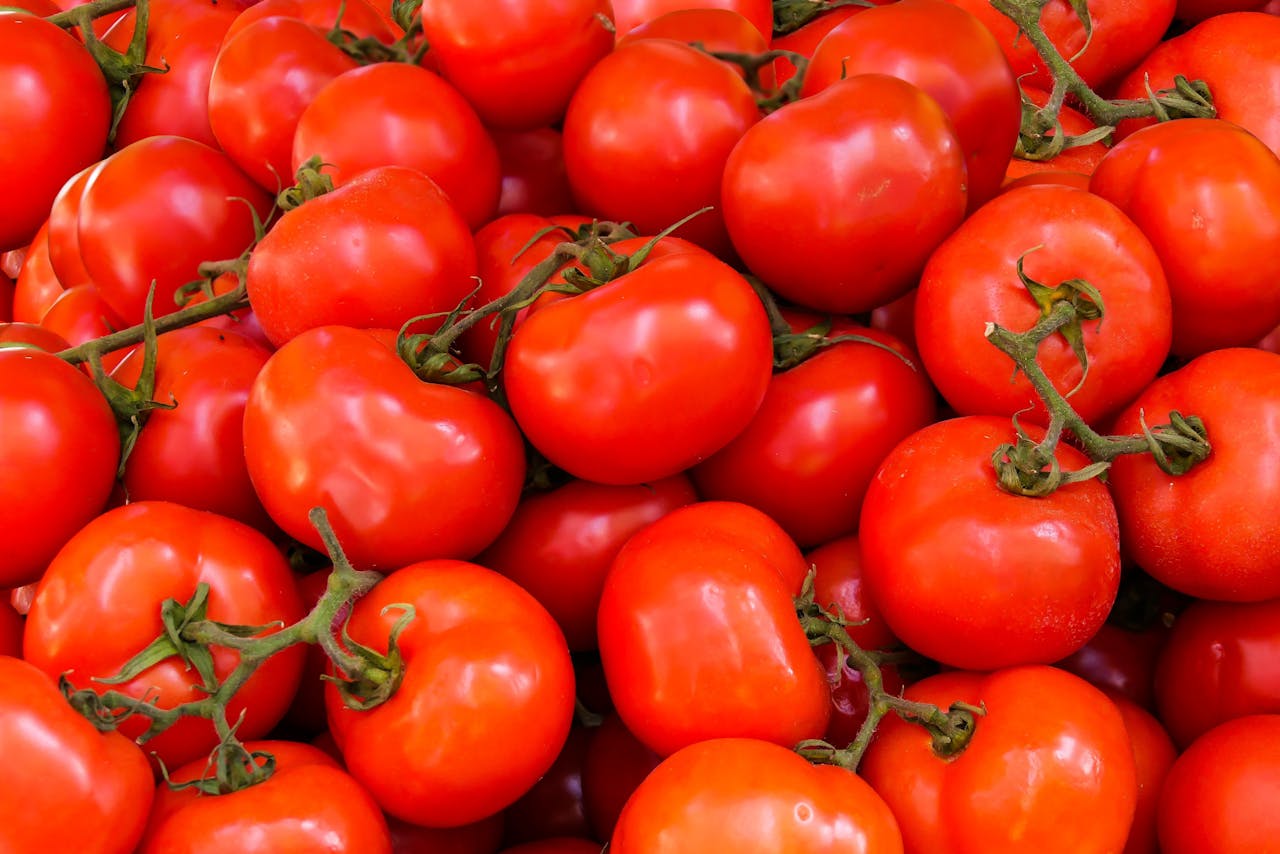
Tomatoes are an excellent source of prebiotics, which nourish beneficial gut bacteria. Prebiotics help improve digestion and provide relief for people with digestive challenges such as Crohn’s disease. Eating tomatoes regularly can promote a balanced gut microbiome and support overall digestive health.
7. Lentils
Lentils are a nutrient-rich food that is high in fiber and resistant starches. These starches act as fuel for the healthy bacteria in your gut, supporting gastrointestinal health and reducing digestive discomfort. Lentils are also a great source of plant-based protein, making them an ideal choice for a balanced, health-conscious diet.
8. Broccoli
Broccoli is a cruciferous vegetable that supports gut health through its high fiber content. Fiber aids in regular digestion and reduces bloating. Broccoli also contains compounds that help balance the bacterial community in the gut, promoting better digestive health and overall well-being.
9. Carrots
Carrots are rich in vitamin A, which plays a key role in supporting the gut lining and promoting the growth of healthy bacteria. Their high fiber content further enhances digestive health, making carrots a simple yet effective option for those looking to improve their gut function.
10. Celery
Celery contains apigenin, a flavonoid that boosts the growth and diversity of gut bacteria. This helps create a healthier digestive system and reduces bloating. With its hydrating properties and nutritional benefits, celery is a valuable addition to any diet focused on gut health.
Read Also: Best Foods That Help Reduce Bloating Fast
11. Spinach
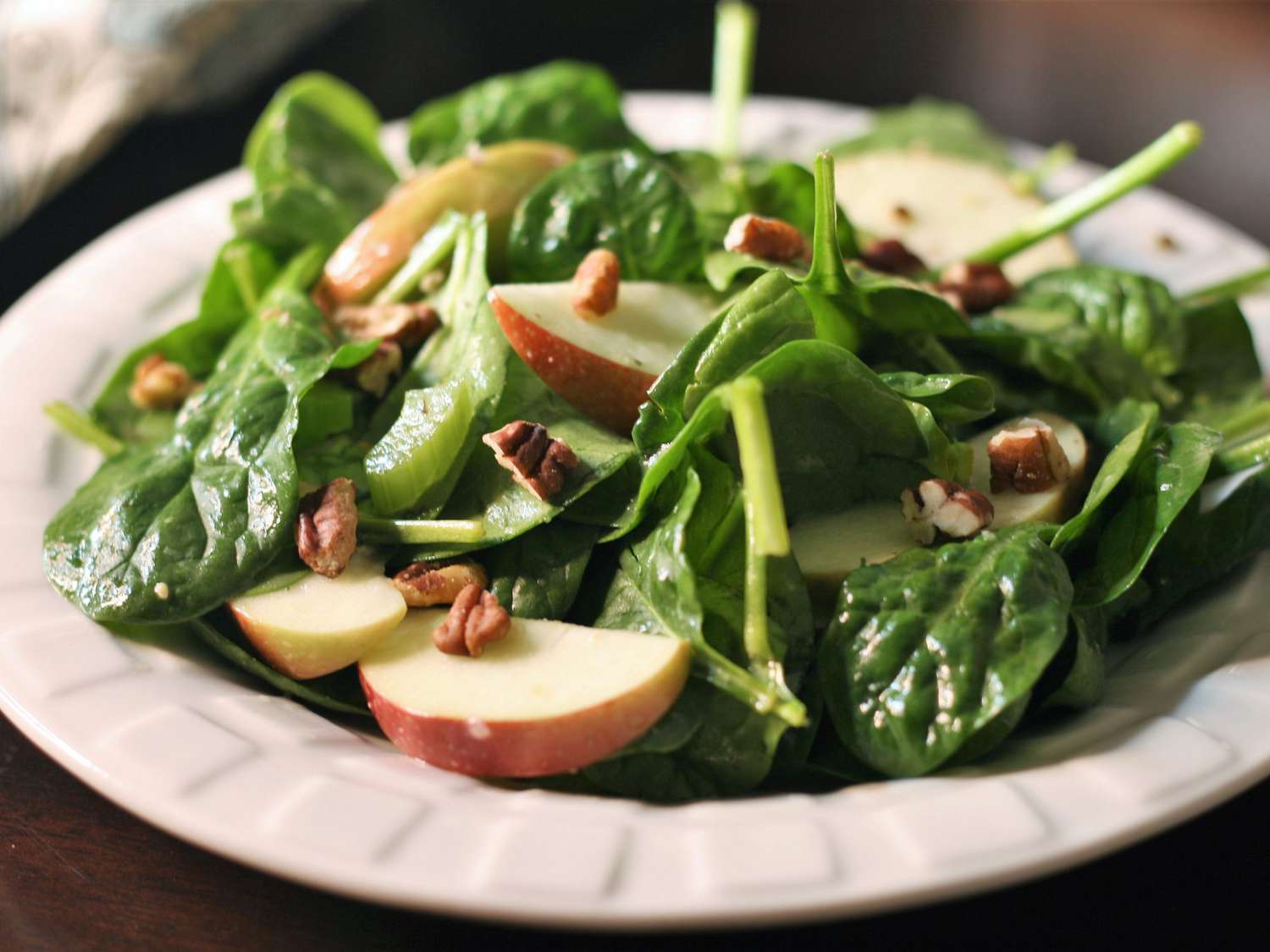
Spinach offers numerous benefits for the digestive system. It is high in fiber, which promotes regular digestion, and contains nutrients that encourage the growth of Lactobacillus, a beneficial bacterial strainin the gut. Eating spinach supports a healthier gastrointestinal system and reduces bloating.
12. Oats
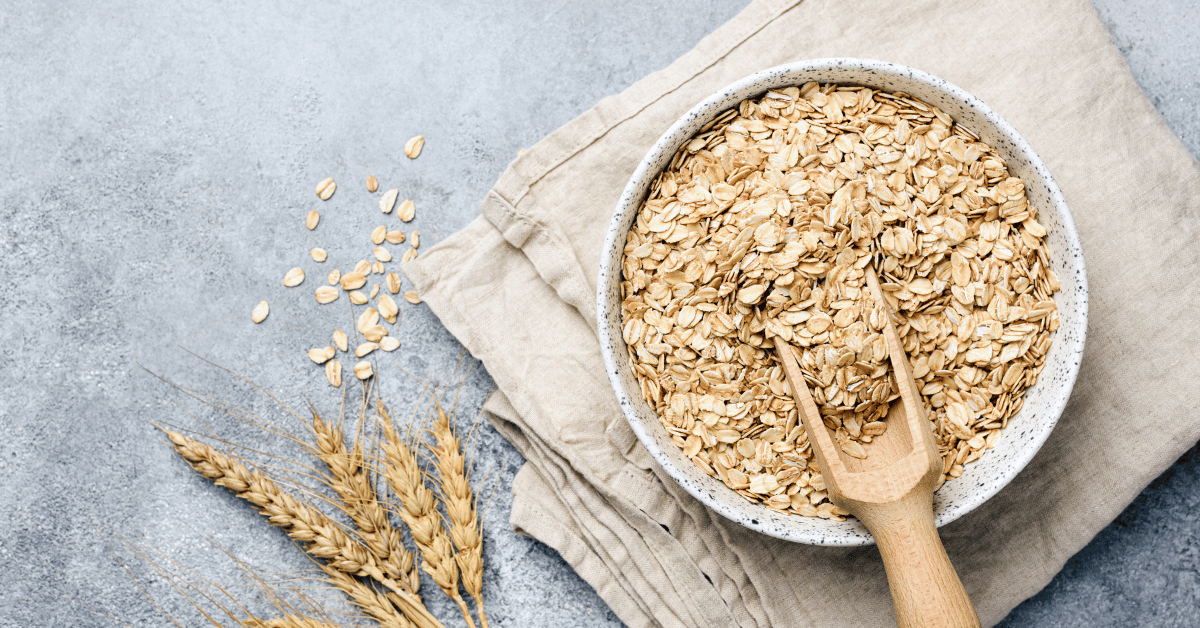
Oats are a fiber-rich whole grain that promotes smooth digestion and supports gut health. They contain beta-glucan, a compound known to reduce inflammation in the colon and improve overall digestive comfort. Oats are a satisfying and effective way to support your gastrointestinal system.
13. Fermented Foods
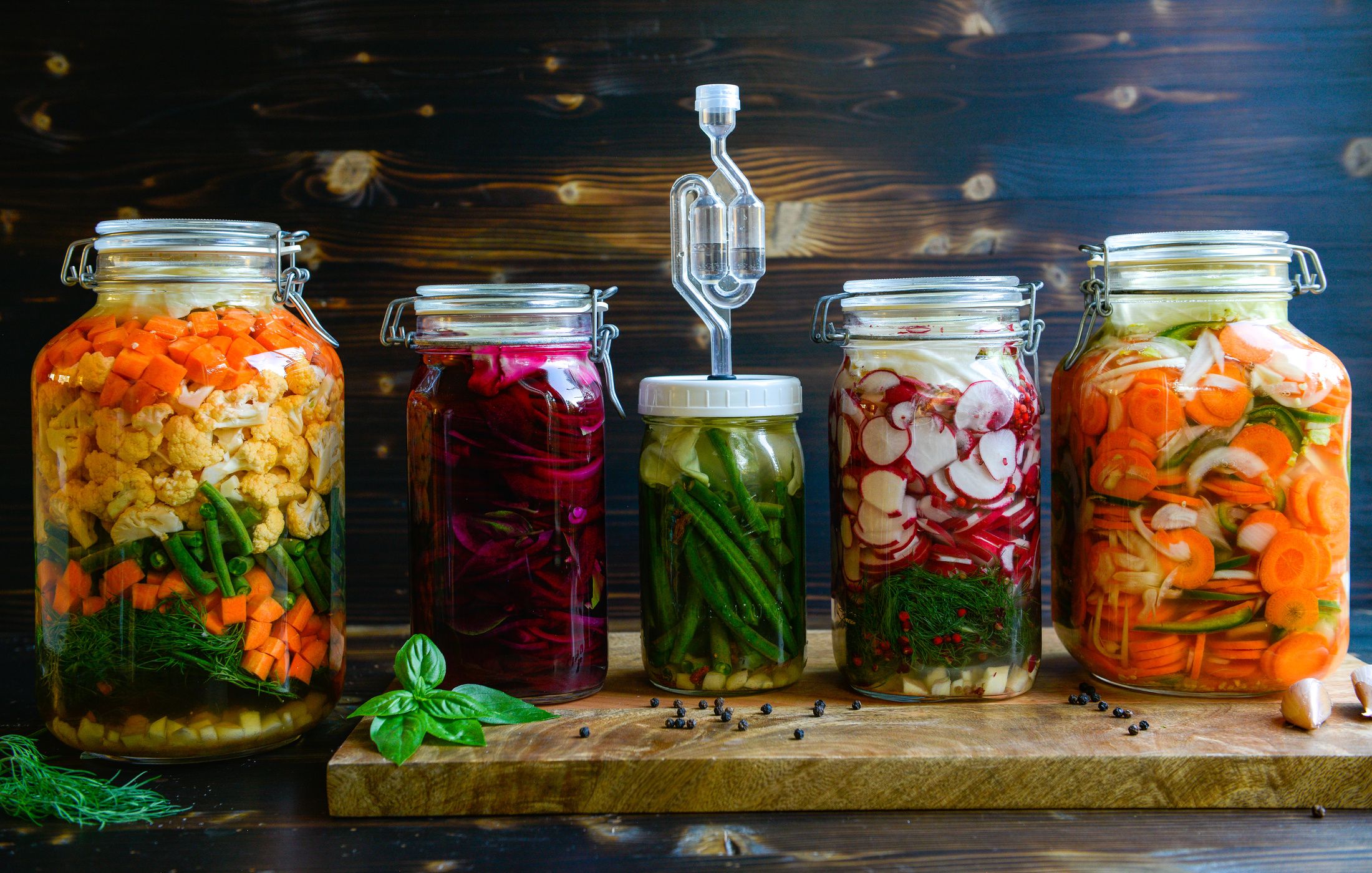
Fermented foods like kefir, kombucha, and sauerkraut are excellent sources of probiotics. These friendly bacteria help balance the gut microbiome and support digestion. Probiotic-rich foods can reduce bloating, strengthen the gut lining, and improve overall digestive health.
14. Ginger Tea

Ginger tea is a natural remedy for digestive issues such as bloating, constipation, and nausea. Its active compounds help stimulate digestion and improve gut motility. Drinking ginger tea provides a soothing effect and supports a healthier digestive system.
15. Avocados
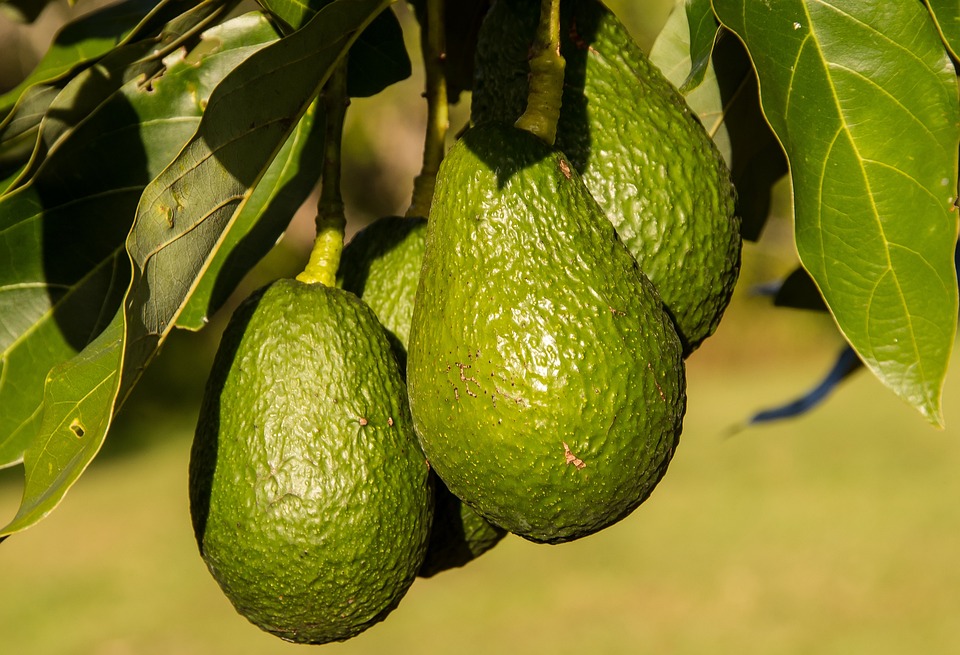
Avocados are highly nutritious and provide a wealth of essential vitamins and minerals, including folate, vitamin C, and vitamin K. They are also rich in potassium, a mineral that helps regulate fluid balance and prevent water retention, which can lead to bloating. This combination of nutrients makes avocados a valuable addition to any diet focused on gut health.
16. Cucumber

Cucumbers are composed of about 95% water, making them an excellent hydrating food. Consuming water-rich vegetables like cucumbers can help maintain proper hydration levels and reduce water retention, a common cause of bloating. Cucumbers also contain compounds that may help alleviate symptoms of irritable bowel syndrome, such as abdominal discomfort and diarrhea.
17. Yogurt

Yogurt is a powerhouse of probiotics, which are beneficial bacteria that play an integral role in maintaining gut health. These probiotics not only improve digestion but can also reduce bloating and abdominal discomfort associated with irritable bowel syndrome (IBS). Yogurt supports healthy stool consistency and frequency, making it an effective food for alleviating bloating and other digestive issues.
18. Asparagus
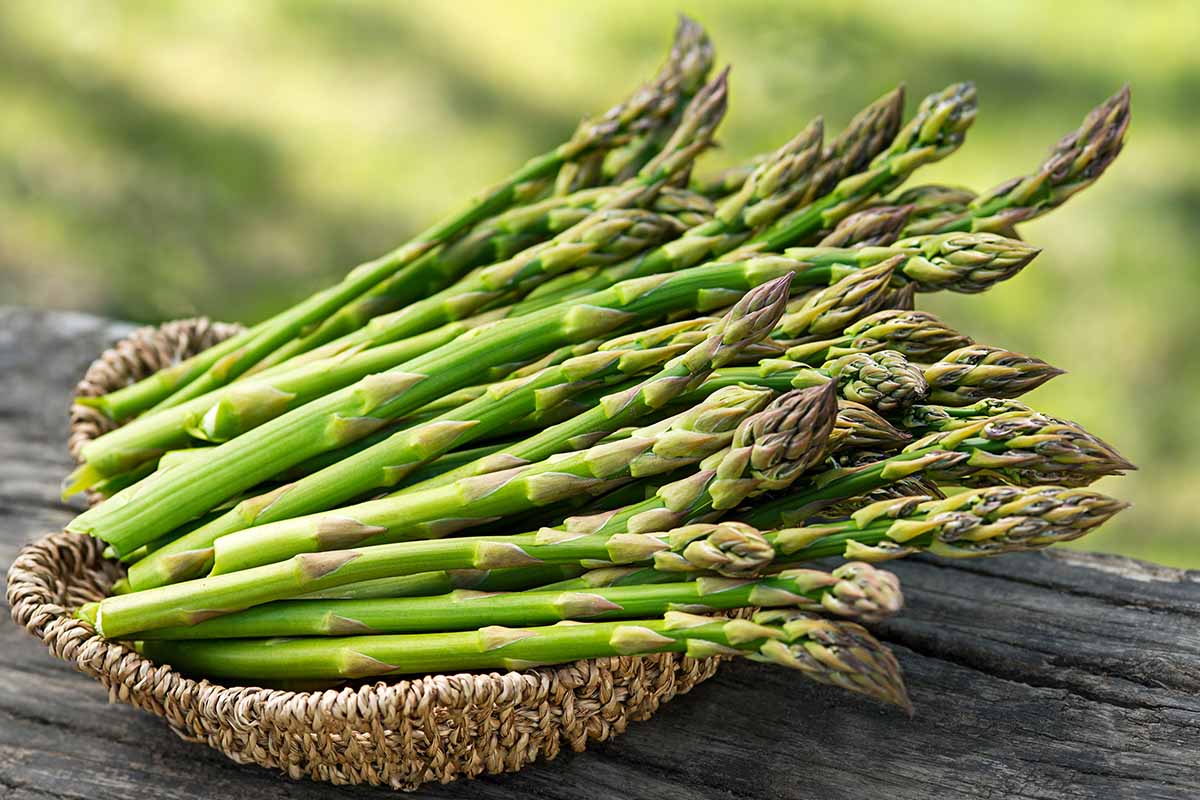
Asparagus is a fiber-rich vegetable that contains inulin, a type of prebiotic fiber. Prebiotics nourish healthy gut bacteria, supporting overall gut health and improving digestion. By promoting regular bowel movements and reducing constipation, asparagus can help minimize bloating and enhance digestive comfort.
19. Turmeric
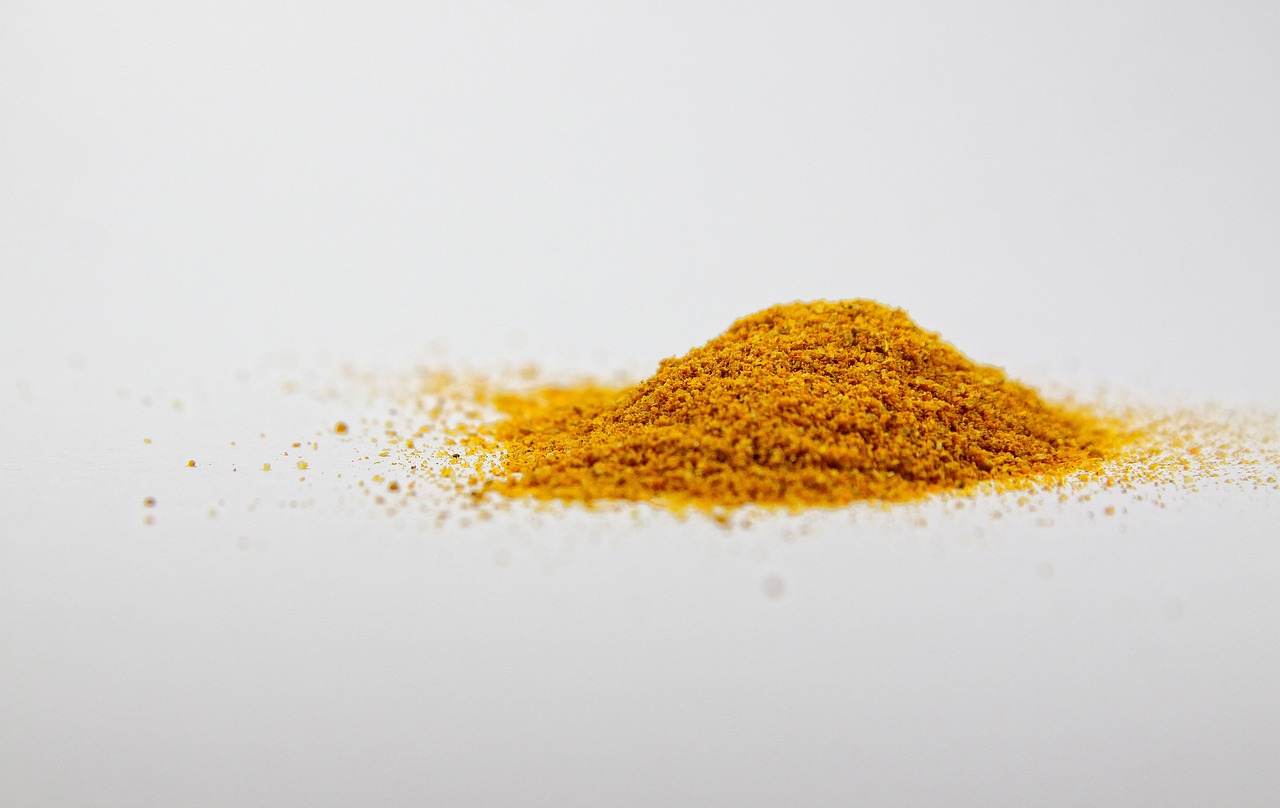
Turmeric is widely used in cooking and is known for its vibrant color and potent anti-inflammatory properties. The active compound in turmeric, curcumin, has been shown to improve gut health and alleviate symptoms of irritable bowel syndrome, such as gas, bloating, and constipation. Adding turmeric to your diet can provide both flavor and digestive support.
20. Quinoa
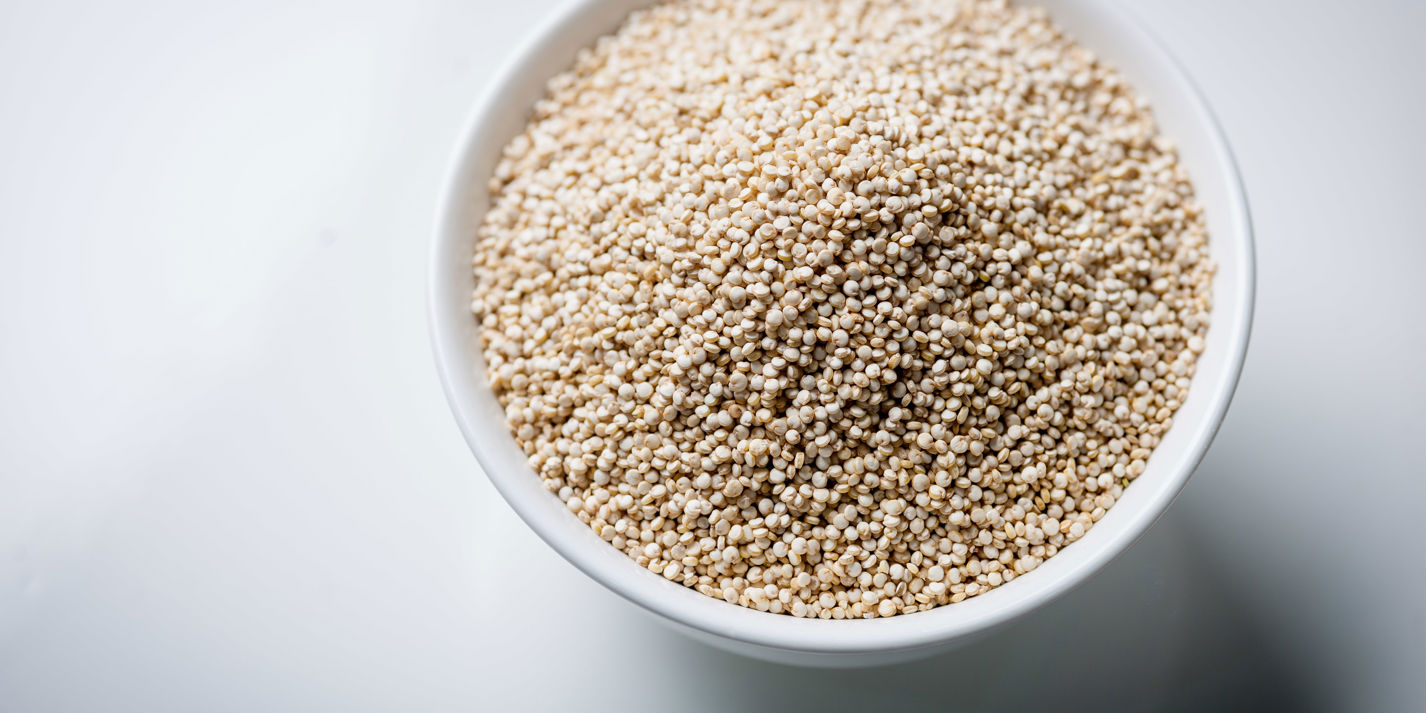
Quinoa is a gluten-free grain that serves as a great alternative for those who experience bloating from traditional gluten-containing foods like bread and pasta. Rich in fiber and antioxidants, quinoa supports digestive health by reducing bloating and promoting gut comfort. It’s an excellent choice for people with gluten sensitivity or those looking to diversify their diet.
21. Rhubarb
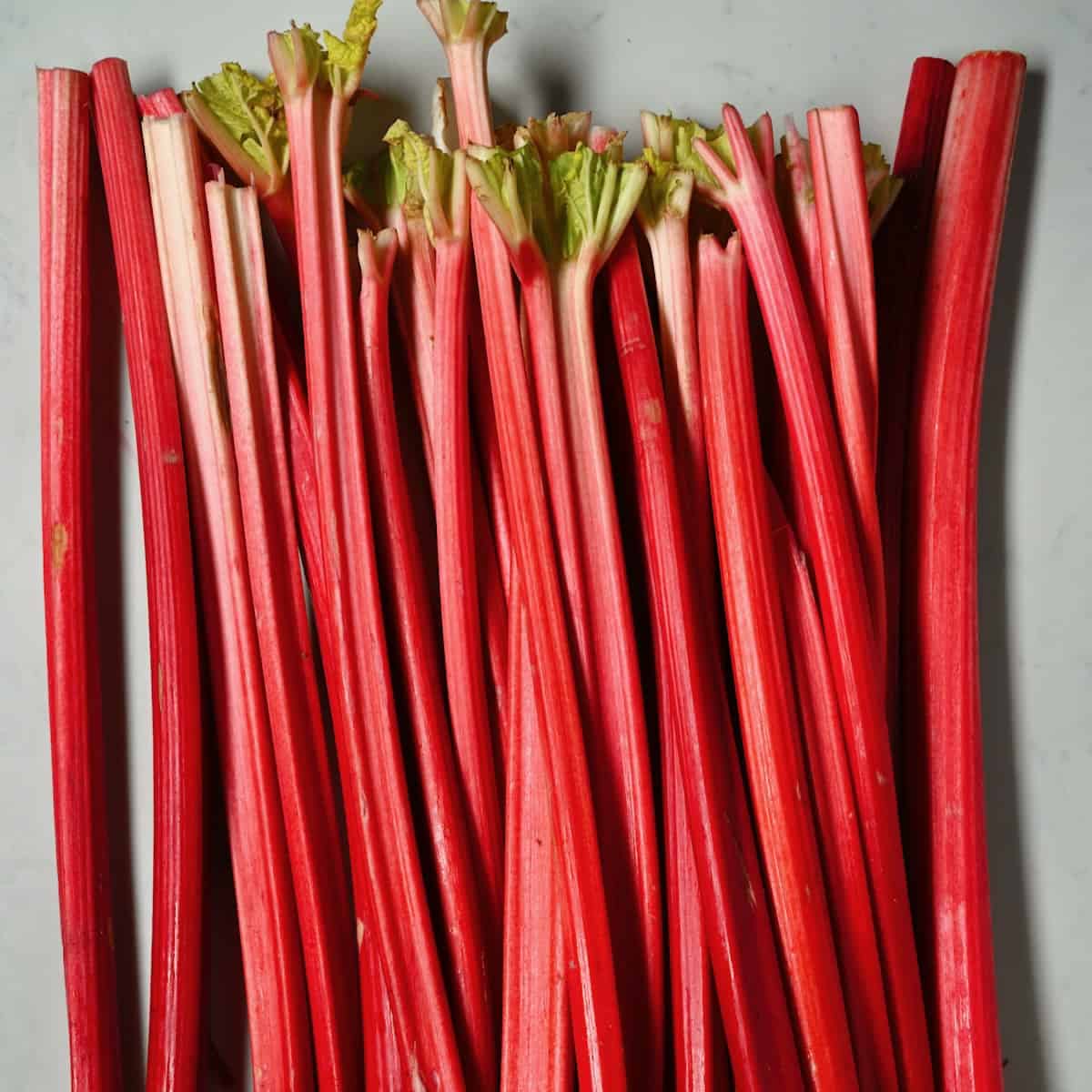
Rhubarb is a vegetable with vibrant stalks known for their digestive benefits. It contains a compound called sennoside, which acts as a natural laxative by stimulating bowel movements and alleviating constipation. With its fiber content and gut-soothing properties, rhubarb is a valuable food for maintaining digestive regularity and reducing bloating.
22. Kiwi
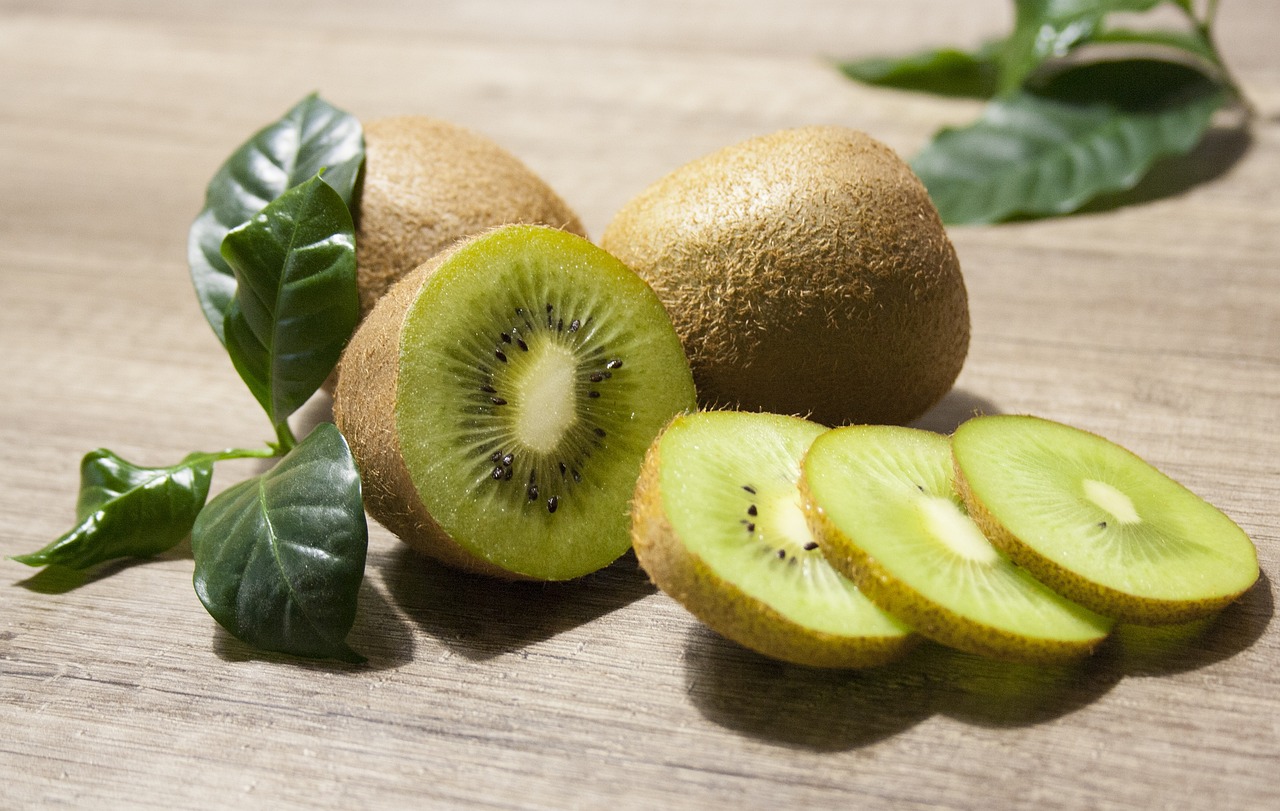
Kiwi is a nutrient-dense fruit that supports digestive health through its high fiber content and actinidin, a natural enzyme that aids digestion. By helping the stomach empty more efficiently, kiwi reduces symptoms such as bloating and constipation. Its refreshing taste and gut-friendly properties make it a delicious and effective food for improved digestion.
23. Fennel
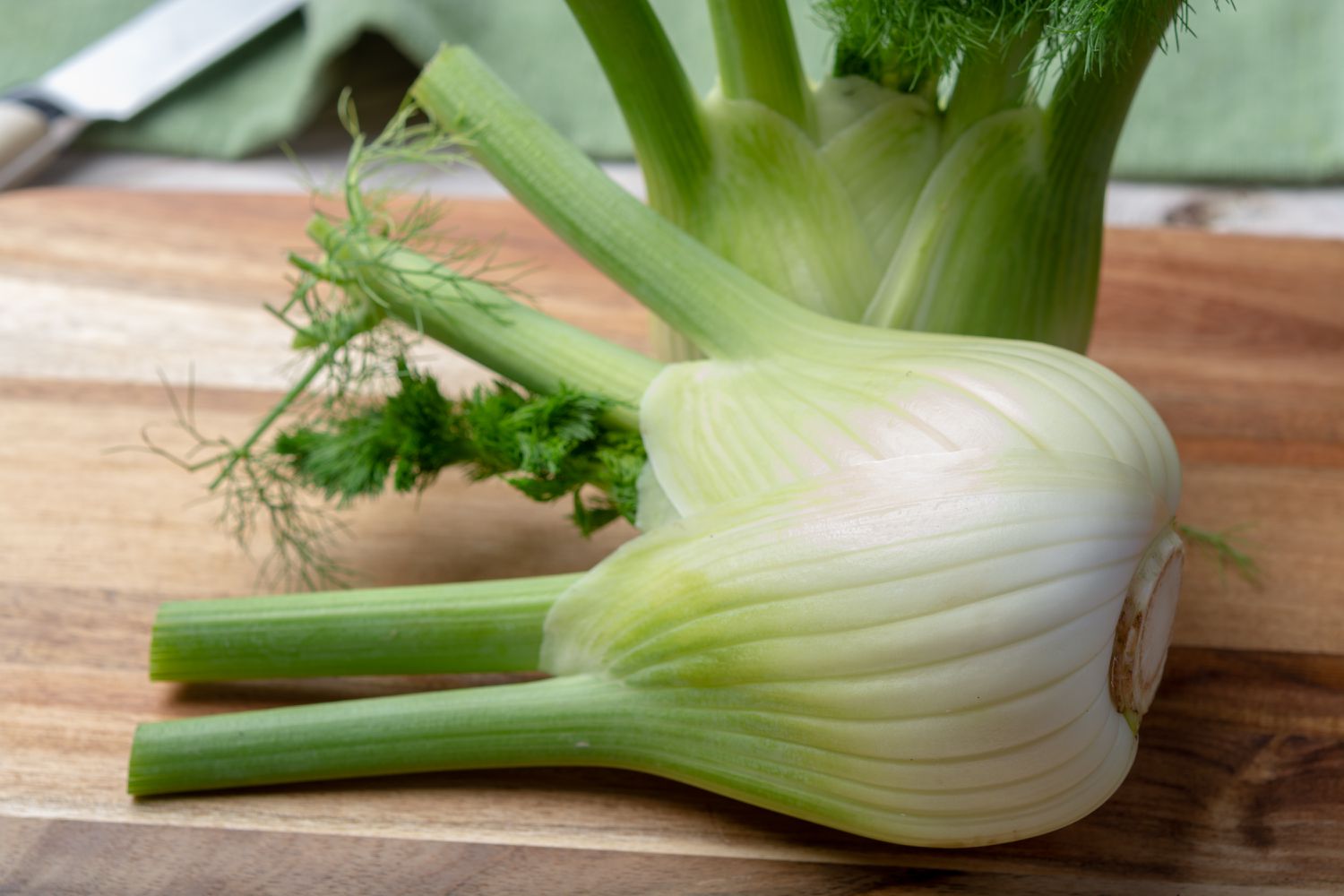
Fennel, with its unique licorice-like flavor, has long been used as a natural digestive aid. Its seeds contain compounds that help relax the muscles in the digestive tract, reducing gas, bloating, and indigestion. Including fennel in your meals or using its seeds as a herbal remedy can provide relief from gastrointestinal discomfort.
See Also: Foods To Support Digestion And Gut Health
24. Peppermint Tea
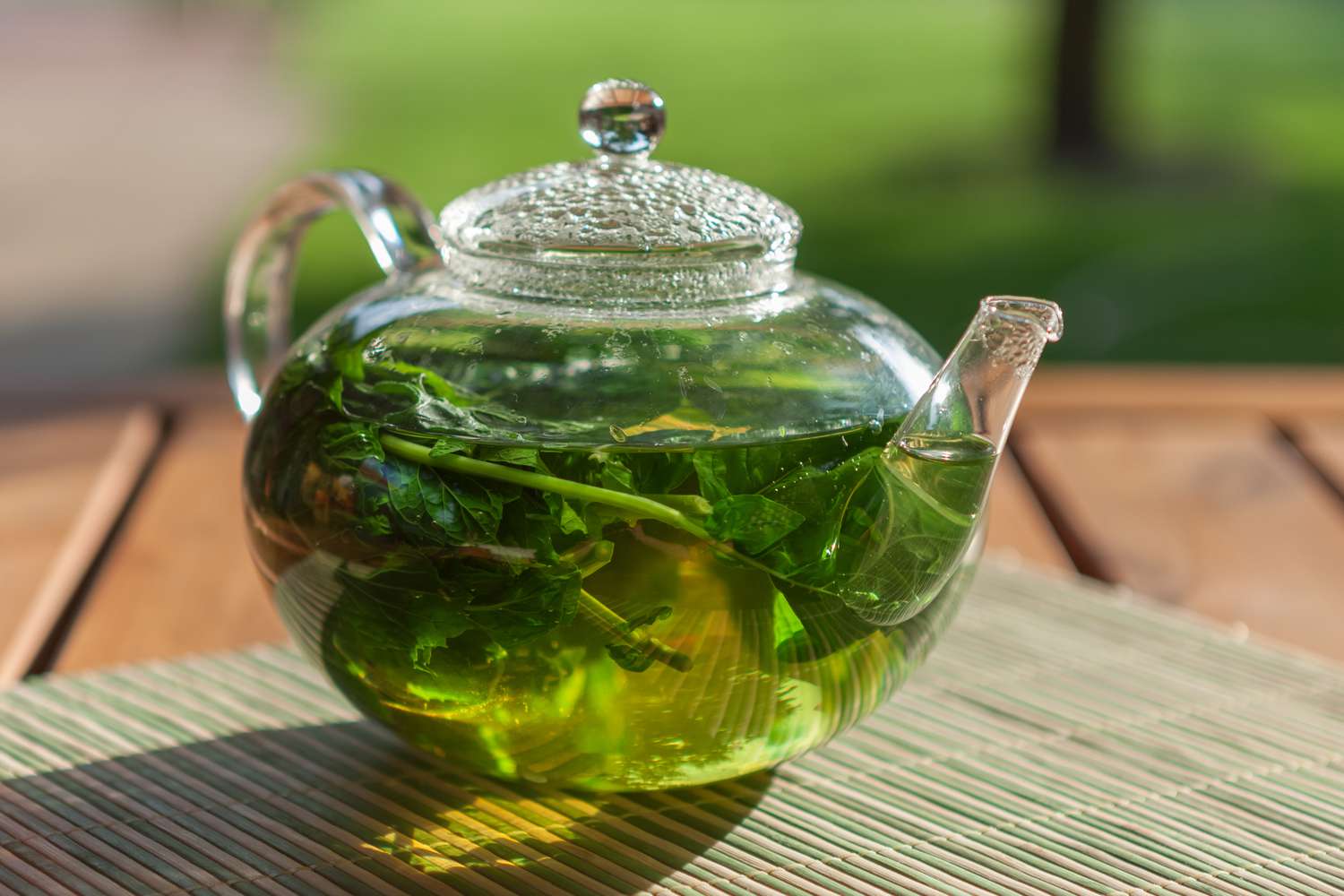
Peppermint tea is a widely recognized herbal remedy for easing various digestive issues. Compounds in peppermint oil can reduce inflammation and relieve stomach pain, bloating, and constipation. It also helps relax the muscles in the stomach and intestines, potentially preventing spasms that contribute to bloating.
25. Kombucha

Kombucha, a fermented tea beverage, is rich in probiotics that foster gut health by enhancing the balance of beneficial bacteria in the digestive system. However, its carbonation can sometimes cause temporary bloating for certain individuals. To optimize its benefits, choose low-sugar varieties or prepare homemade kombucha to control its sugar content while enjoying its gut-friendly properties.
26. Kefir
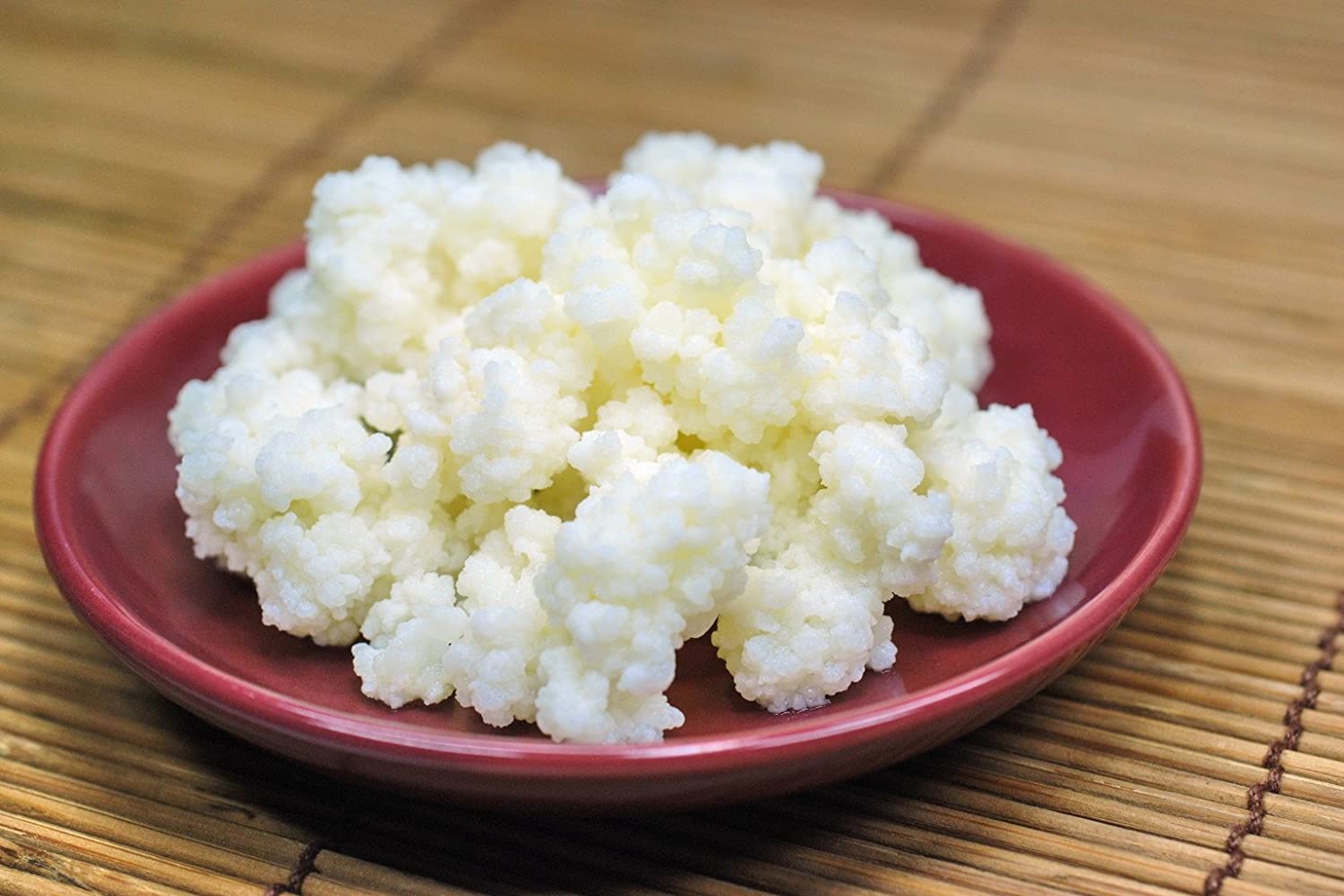
Kefir is a fermented dairy product celebrated for its probiotic richness and its ability to support gut and immune health. Regular consumption of kefir has been associated with reduced bloating and improved overall digestive function. Its creamy texture and tangy flavor make it a versatile ingredient for smoothies or a refreshing standalone drink, helping to maintain a balanced and healthy gut environment.
27. Green Tea
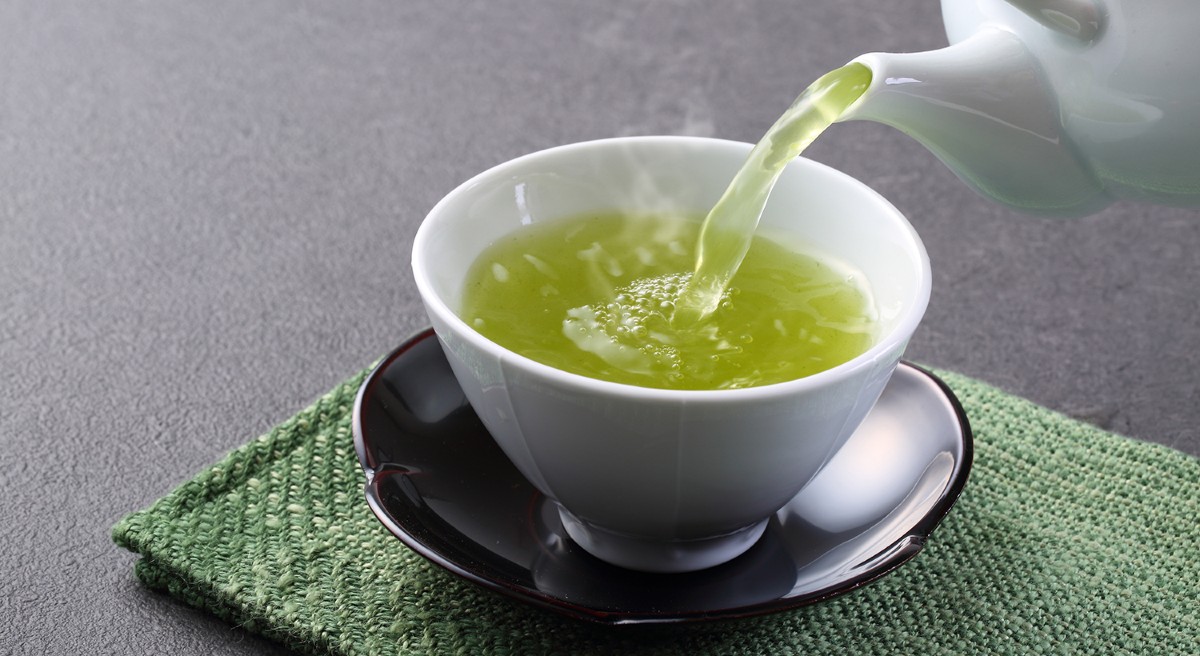
Green tea is a nutrient-rich beverage packed with powerful antioxidants such as epigallocatechin gallate (EGCG). These antioxidants help neutralize free radicals, reducing oxidative stress and promoting overall digestive health. Known for its soothing properties, green tea can also alleviate discomfort in the digestive system by reducing inflammation.
Frequently Asked Questions
Can Stress Cause Bloating?
Stress can affect digestion, leading to increased gas production and bloating. Managing stress through relaxation techniques can help alleviate these symptoms.
Is Bloating A Sign Of A Serious Health Issue?
In many cases, bloating is temporary and harmless. However, if it persists or is accompanied by severe pain, it could indicate an underlying condition, and you should consult a healthcare provider.
Can Drinking Too Much Water Cause Bloating?
Drinking adequate water is essential for digestion, but overhydration can sometimes lead to bloating. It's best to drink water throughout the day in moderate amounts.
Does Exercise Help With Bloating?
Regular physical activity can promote better digestion, reduce gas buildup, and alleviate bloating by stimulating bowel movements.
Can Dairy Products Contribute To Bloating?
For individuals who are lactose intolerant, dairy products can lead to bloating, gas, and discomfort. Consider lactose-free options or alternatives like almond milk if you experience bloating after consuming dairy.
Conclusion
To reduce bloating, incorporating fiber-rich foods such as fruits, vegetables, and whole grains can support gut health by alleviating constipation and minimizing intestinal gas. Additionally, consuming a variety of foods and beverages that help balance fluid levels and reduce inflammation can further ease bloating.
Adopting healthy eating habits, such as chewing food thoroughly, eating slowly, and opting for smaller, more frequent meals, can help improve digestion. For persistent or severe bloating, it is advisable to consult a healthcare professional to address the underlying causes and receive personalized treatment.
You Might Also Like: Benefits Of Seasonal Eating For Health